
Are you struggling to get your content noticed? Optimizing content is the key to making your words work harder for you.
When you know how to tweak your writing, you can attract more readers, keep them engaged, and boost your online presence. You’ll discover simple, effective tips that anyone can use to make content shine. Ready to turn your ideas into powerful tools that grab attention and drive results?
Let’s dive in and unlock your content’s full potential.
Keyword Research Tactics
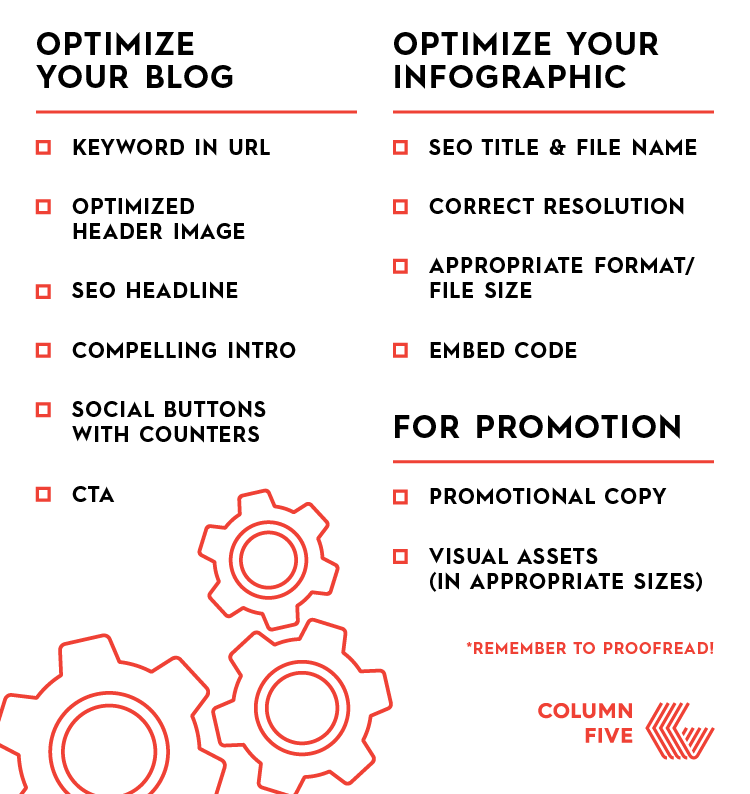
Keyword research is the base of any strong content strategy. It guides what topics to write about and how to reach your audience. Using the right keywords helps your content get found on search engines. It also attracts visitors who want what you offer. Below are practical tactics to improve your keyword research process.
Identifying High-value Keywords
High-value keywords have good search volume and low competition. These keywords bring steady traffic to your site. Start by listing words related to your topic. Use tools like Google Keyword Planner or Ubersuggest to check search data. Focus on keywords that match your audience’s needs. Avoid very broad terms that are too competitive. Pick keywords that fit your content goals and attract the right visitors.
Using Long-tail Keywords
Long-tail keywords are longer, more specific phrases. They usually have less competition and higher conversion rates. People using long-tail keywords often know exactly what they want. For example, “best running shoes for flat feet” is better than just “running shoes.” Include these keywords naturally in your content. They help you rank in niche searches and reach a focused audience.
Analyzing Competitor Keywords
Look at what keywords your competitors target. This shows what works in your niche. Tools like SEMrush or Ahrefs reveal competitor keywords and traffic data. Find gaps where your competitors do not rank well. Use their strong keywords as inspiration. Avoid copying directly; instead, create better and more helpful content around those terms.
Credit: www.columnfivemedia.com
Content Creation Tips
Creating content that grabs attention and holds interest takes skill. Simple, clear tips help improve any piece of writing. Focus on making content easy to read and visually appealing. Small changes can boost engagement and keep readers coming back.
Crafting Engaging Headlines
Headlines are the first thing people see. They must be clear and interesting. Use strong words that match the content. Keep headlines short, around 6 to 8 words. Ask questions or use numbers to catch attention. Avoid vague or complicated phrases. A good headline invites readers to learn more.
Maintaining Readability
Write in short sentences. Use simple words that everyone understands. Break text into small paragraphs. Use bullet points or lists to organize ideas. Avoid jargon or technical terms. Use active voice to make writing lively. White space helps readers rest their eyes. Easy reading keeps people on your page longer.
Incorporating Multimedia Elements
Images, videos, and charts add interest. They explain ideas better than text alone. Use relevant and high-quality visuals. Place multimedia near related text for clarity. Alt text helps search engines understand images. Multimedia breaks up large blocks of text. It makes content more fun and easier to follow.
On-page Seo Techniques
On-page SEO techniques help search engines understand your content better. They improve your website’s visibility and user experience. Optimizing on-page elements makes your pages easier to find and read.
Optimizing Meta Tags
Meta tags give search engines a summary of your page. The title tag should include main keywords and be clear. Keep the title under 60 characters for full display in results. The meta description must describe the page in 150-160 characters. Use simple language to attract clicks and explain the content well.
Utilizing Header Tags Effectively
Header tags organize your content into sections. Use only one H1 tag per page with the primary keyword. H2 and H3 tags break content into smaller, readable parts. Proper headers help users scan the page quickly. Search engines also use headers to understand content structure.
Improving Url Structure
Clean URLs help both users and search engines. Use short URLs with relevant keywords only. Avoid special characters, numbers, or long strings. Separate words with hyphens for clarity. A good URL shows the page topic clearly at a glance.
Link Building Strategies
Link building is a key part of content optimization. It helps your website rank higher in search engines. Good links show search engines that your site is trustworthy and useful.
Effective link building involves getting backlinks from other sites and improving links within your own site. This boosts your site’s authority and user experience. Let’s explore some solid link building strategies.
Acquiring Quality Backlinks
Quality backlinks come from trusted, relevant websites. Focus on sites related to your niche or industry. Avoid low-quality or spammy sites, as they can harm your ranking.
Reach out to bloggers, influencers, or businesses for natural link opportunities. Share valuable content that others want to reference. Use tools to find broken links on other sites and suggest your content as a replacement.
Internal Linking Best Practices
Internal links connect different pages on your website. They help users find related information easily. Use clear and descriptive anchor text for these links.
Link to important pages frequently to boost their visibility. Keep the number of internal links reasonable on each page. This creates a smooth path for both users and search engines.
Leveraging Guest Posting
Guest posting means writing articles for other websites. It builds backlinks and introduces your brand to new audiences. Choose sites that match your topic and have good traffic.
Write useful, original content for guest posts. Include a natural link back to your site in the author bio or content. This helps improve your site’s authority and brings in targeted visitors.
Technical Seo Enhancements
Technical SEO Enhancements improve your website’s performance and search ranking. These changes help search engines read your site better. They also provide a smoother experience for visitors. Small technical fixes can lead to big results. Focus on key areas to make your site faster and more visible.
Boosting Site Speed
Site speed affects both user experience and SEO. A slow site loses visitors quickly. Compress images to reduce file size without losing quality. Use caching to store parts of your site for faster loading. Minimize CSS and JavaScript files. Choose a reliable hosting service to keep your site running fast.
Mobile Optimization
Most people use phones to browse the web. A mobile-friendly site keeps visitors engaged. Use responsive design so your site fits all screen sizes. Make buttons large enough to tap easily. Avoid pop-ups that cover the content. Test your site on various devices to ensure smooth navigation.
Implementing Schema Markup
Schema markup helps search engines understand your content. It adds extra information like reviews, events, and products. This can improve your search listing with rich snippets. Use simple schema types relevant to your content. Tools like Google’s Structured Data Markup Helper can assist. Proper markup increases your chances of higher clicks.

Credit: www.abstraktmg.com
Content Performance Tracking
Tracking content performance helps measure how well your content works. It shows what parts attract visitors and what needs improvement. This process guides better decisions to boost traffic and engagement.
Data from performance tracking reveals audience behavior. It helps identify strong topics and those that lag behind. Monitoring these details keeps your content aligned with user interests and search engine demands.
Using Analytics Tools
Analytics tools collect data on page views, time spent, and bounce rates. Google Analytics is a popular choice for tracking website activity. These tools show which pages perform best and where visitors come from.
Using this data, you can spot trends and understand audience preferences. Analytics also reveal peak times for traffic and device usage. This information helps tailor content to user habits and platforms.
Monitoring Keyword Rankings
Tracking keyword rankings shows how your content ranks in search results. Tools like SEMrush or Ahrefs provide this data regularly. Watching rankings helps measure SEO success and keyword effectiveness.
Changes in rankings indicate shifts in competition or content quality. Staying updated on keywords allows quick reactions to drops or gains. Keeping high rankings leads to more organic traffic and visibility.
Adjusting Strategies Based On Data
Data-driven adjustments improve content impact over time. If a topic gets low engagement, try revising or expanding it. Strong-performing content can be promoted or updated for more value.
Regular review of performance data guides where to focus efforts next. This flexible approach keeps content fresh and relevant. Making small changes often leads to better results and growth.
Credit: www.bynder.com
Frequently Asked Questions
What Is Content Optimization And Why Is It Important?
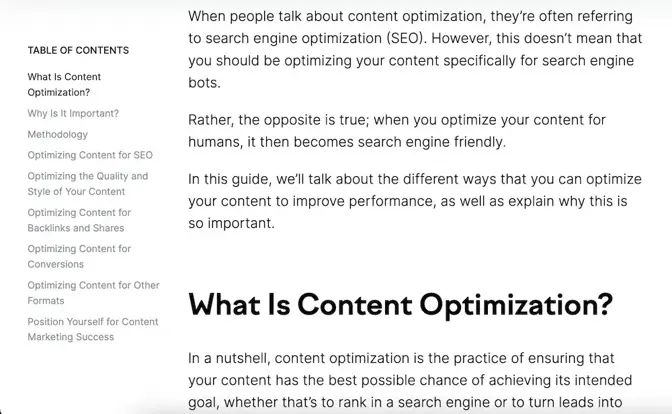
Content optimization improves your content to rank higher in search engines. It enhances user experience and boosts traffic. Optimized content attracts more visitors and increases engagement. This process helps your website meet SEO standards and achieve better visibility online.
How Do Keywords Impact Content Optimization?
Keywords guide search engines to understand your content’s relevance. Proper keyword use improves search rankings and targets the right audience. Including relevant keywords naturally increases content visibility. Overusing keywords can harm SEO, so balance is key for effective optimization.
What Tools Help With Content Optimization?
Popular tools include Google Analytics, SEMrush, and Yoast SEO. These tools analyze keywords, readability, and performance metrics. They provide insights to improve your content strategy. Using such tools simplifies optimization and helps track your content’s success.
How Often Should Content Be Optimized?
Content should be reviewed and optimized regularly, at least quarterly. Frequent updates keep content relevant and aligned with SEO trends. Regular optimization maintains high rankings and improves user engagement. Monitoring performance metrics helps determine the best update frequency.
Conclusion
Optimizing content helps your site reach more people. Clear and simple writing keeps readers interested. Use keywords naturally to improve search rankings. Fast loading pages make visitors stay longer. Regular updates show search engines your site is active. Good content builds trust with your audience.
Focus on what your readers want to know. Small changes can bring steady growth over time. Keep testing and improving your content every day. Success comes from patience and consistent effort.