Are you looking to boost your website’s performance without spending a fortune? Understanding Organic CTR could be the key to unlocking more traffic and better engagement.
Your click-through rate shows how many people see your link and decide to visit your site. Imagine turning more of those views into visits, simply by mastering a few smart strategies. Keep reading to discover easy ways to improve your Organic CTR and get the attention your content deserves.
What Is Organic Ctr
Organic CTR means the percentage of people who click your website link from search results. It shows how well your site attracts visitors without paid ads.
Higher organic CTR means more traffic from search engines like Google or Bing. It helps improve your website’s visibility and growth.
Definition Of Organic Ctr
Organic CTR stands for Organic Click-Through Rate. It measures clicks from unpaid search results. It is calculated by dividing clicks by impressions, then multiplying by 100.
Why Organic Ctr Matters
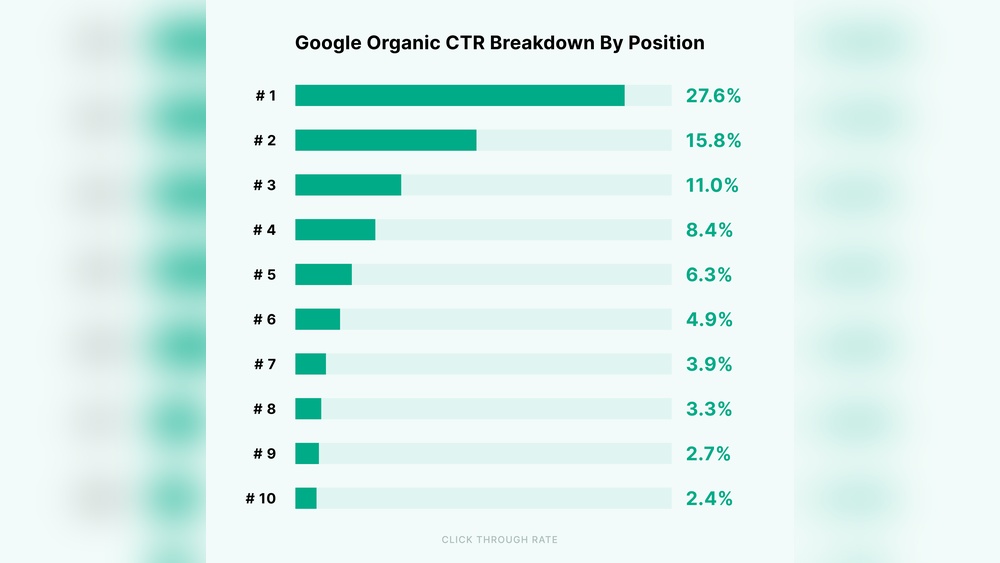
Organic CTR shows how relevant your page is to users’ searches. Search engines use it to rank pages. Better CTR can lead to higher rankings and more visitors.
How To Measure Organic Ctr
You can find organic CTR in tools like Google Search Console. It shows data on impressions and clicks for each page or keyword. Tracking it helps improve SEO strategy.
Credit: neilpatel.com
Factors Affecting Organic Ctr
Organic Click-Through Rate (CTR) depends on several key factors. These elements influence how users see and interact with your website on search engine results pages (SERPs). Understanding these factors helps improve your site’s visibility and draw more visitors.
Small changes in these areas can lead to higher CTR. Focus on making each part clear and relevant to your audience.
Title Tags
Title tags appear as the clickable headline in search results. A clear and concise title attracts attention. Including target keywords in the title helps match user searches. Avoid long or confusing titles. Keep them under 60 characters for better display on most devices.
Meta Descriptions
Meta descriptions show a brief summary below the title tag. A well-written description encourages users to click. Use simple language that explains what your page offers. Keep it under 160 characters to avoid cut-off. Make the description relevant to the search query.
Url Structure
URLs should be easy to read and understand. Use words that describe the content clearly. Avoid long strings of numbers or symbols. A clean URL builds trust and helps users predict what the page contains. Shorter URLs tend to perform better in search results.
Search Intent
Search intent means the reason behind a user’s query. Match your content to what users want to find. Informational, navigational, or transactional intents require different approaches. Aligning with search intent improves user satisfaction and increases CTR. Think about what users expect when they type a query.
Optimizing Titles For Higher Ctr
Optimizing titles is key to getting more clicks on your content. Titles are the first thing users see. A strong title grabs attention and invites people to click. Simple changes in your title can improve your organic CTR. Focus on clear, appealing, and relevant titles. Below are ways to make your titles better.
Using Power Words
Power words trigger emotions and curiosity. Words like “easy,” “best,” “free,” and “proven” catch the eye. They make titles feel more exciting and urgent. Use power words carefully. They should fit the topic and not sound fake.
Incorporating Keywords
Include main keywords naturally in your titles. Keywords help search engines understand your content. They also tell users your page matches their search. Place the keyword near the start if possible. Avoid stuffing too many keywords. Keep the title smooth and readable.
Keeping Titles Concise
Short titles work better on search results and mobile screens. Aim for 50-60 characters. This length fits well and shows fully on most devices. Clear and brief titles are easy to understand fast. Cut extra words and focus on the main idea.
Crafting Effective Meta Descriptions
Crafting effective meta descriptions plays a key role in improving organic CTR. These short snippets appear under your page title on search engines. They give users a quick summary of what your page offers. A well-written meta description can invite clicks and boost traffic. It must catch attention and clearly explain the page content.
Highlighting Benefits
Focus on the main benefit your page gives visitors. Show how your content solves a problem or meets a need. Use simple words that anyone can understand. Benefits make users curious and encourage them to click. Avoid technical terms or jargon that may confuse readers.
Adding Calls To Action
Include a clear call to action in your meta description. Phrases like ”Learn more,” ”Get tips,” or ”Find out how” work well. Calls to action guide users to take the next step. They create a sense of urgency without sounding pushy. This small prompt can increase your click rate noticeably.
Maintaining Relevance
Keep your meta description closely tied to the page content. Avoid misleading or vague statements that disappoint visitors. Search engines may lower your ranking if descriptions don’t match content. Accurate descriptions help build trust and reduce bounce rates. Ensure keywords appear naturally within the text.
Improving Url Structure
Improving URL structure helps search engines understand your site better. Clean URLs also improve user experience. A simple and clear URL tells visitors what the page is about. This can increase clicks and reduce bounce rates. Focus on making URLs easy to read, relevant, and free of clutter.
Using Readable Urls
Readable URLs use words that make sense to people. Avoid long strings of numbers or symbols. Use hyphens to separate words for clarity. For example, use example.com/organic-ctr-tips instead of example.com/page?id=123. This helps users and search engines quickly understand the page topic.
Including Keywords
Include important keywords in your URLs. Choose words that match the page content. This improves relevance in search results. Keep keywords natural and avoid stuffing. A URL like example.com/organic-ctr-guide clearly shows the page focus. Keywords in URLs can boost your SEO and click-through rates.
Avoiding Unnecessary Parameters
Remove extra parameters that do not add value. Parameters like tracking codes or session IDs make URLs messy. They confuse users and search engines. Clean URLs without these parts look trustworthy and simple. Use static URLs that point directly to content. This improves indexing and user trust.
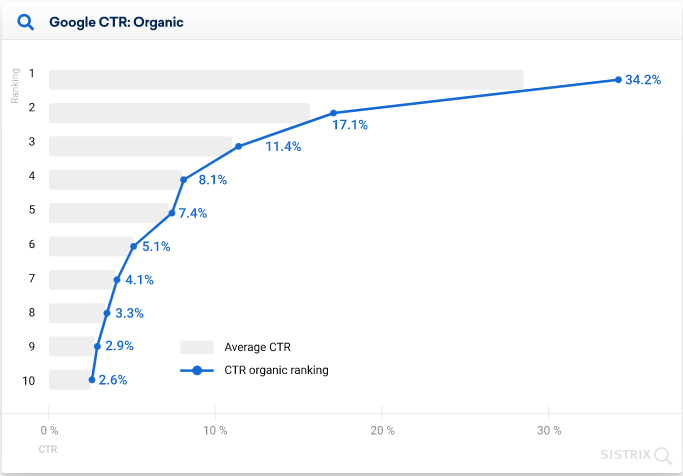
Credit: www.smartinsights.com
Leveraging Rich Snippets
Rich snippets make your search results stand out. They add extra details below your title and URL. These details help users understand your page better. Using rich snippets can increase your organic click-through rate (CTR). This means more visitors from search engines.
Schema Markup Basics
Schema markup is a code added to your website. It helps search engines read your content. This code shows extra info in search results. Simple tags tell search engines about products, reviews, events, and more. Adding schema does not change what users see on your site. It only helps search engines display richer results.
Types Of Rich Snippets
There are many types of rich snippets. Reviews show star ratings under your listing. Recipes include cooking time and ingredients. Events display dates and locations. Products list prices and availability. FAQs show common questions and answers. Each type gives users quick info. This helps them decide to click faster.
Impact On Ctr
Rich snippets grab attention in crowded search results. They build trust by showing ratings and facts. Users tend to click listings with rich snippets more. This increases your organic CTR. Higher CTR can improve your search ranking over time. Simple code changes can bring more visitors to your site.
Enhancing User Experience
Enhancing user experience is key to improving organic CTR. A website that feels easy and fast keeps visitors engaged. Users return to sites that work well on all devices. Clear paths help users find what they want quickly. These factors boost satisfaction and increase clicks from search results.
Mobile Optimization
Most users browse on smartphones. A site must look good on small screens. Text should be easy to read without zooming. Buttons need to be large enough to tap. Pages must fit perfectly on any device. Mobile-friendly sites rank higher in search results.
Page Speed
Slow pages lose visitors fast. Users expect pages to load in seconds. Optimizing images reduces load time. Use minimal scripts to keep pages light. Faster sites lower bounce rates and improve CTR. Speed is a critical factor for good rankings.
Clear Navigation
Easy navigation guides users through the site. Menus should be simple and visible. Group related pages under clear categories. Avoid clutter that confuses visitors. Clear paths help users find information fast. This increases the chance users click deeper.
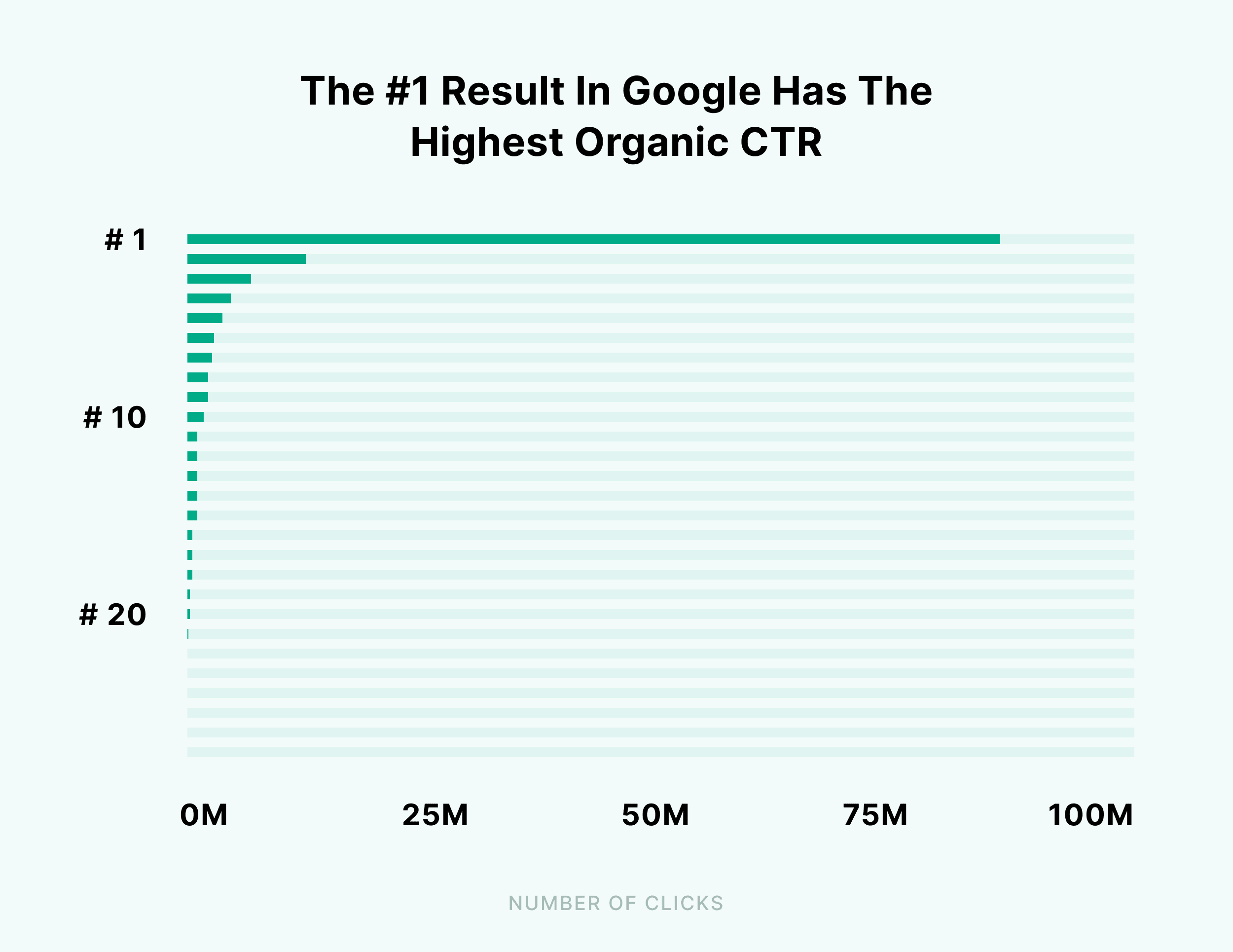
Credit: backlinko.com
Analyzing And Tracking Ctr
Analyzing and tracking your organic click-through rate (CTR) helps improve your website’s performance. CTR shows how many users click your site after seeing it in search results. Tracking this data reveals what works and what needs change. Understanding your CTR guides smarter marketing decisions.
Using Google Search Console
Google Search Console provides valuable CTR data. It shows clicks, impressions, and average CTR for each page. Use the Performance report to find this information. Filter by queries, pages, or countries to narrow results. The tool updates data daily, helping spot trends fast.
Interpreting Data
Compare CTR across different pages and keywords. High impressions with low CTR may indicate weak titles or descriptions. Low impressions and low CTR show a need for better SEO. Watch CTR changes over time to measure improvement or decline. Look for patterns to understand user behavior.
Making Data-driven Improvements
Use CTR data to improve titles and meta descriptions. Make them clear, relevant, and appealing to users. Test different versions to see what boosts clicks. Fix technical issues that reduce visibility in search results. Regular updates keep your content fresh and clickable.
Frequently Asked Questions
What Is Organic Ctr In Digital Marketing?
Organic CTR (Click-Through Rate) measures the percentage of users who click on a search result. It shows how well your organic listing attracts clicks. Higher Organic CTR means better visibility and relevance in search engines, leading to increased website traffic without paid ads.
How To Improve Organic Ctr For My Website?
Improve Organic CTR by optimizing titles and meta descriptions. Use clear, engaging language that matches user intent. Include relevant keywords and structured data for rich snippets. Enhancing page speed and mobile-friendliness also encourages more clicks from organic search results.
Why Is Organic Ctr Important For Seo?
Organic CTR signals user engagement to search engines. Higher CTR can boost your rankings as it shows content relevance. It helps attract more organic traffic, improves brand visibility, and lowers dependence on paid ads, making your SEO efforts more cost-effective.
How Does Organic Ctr Affect Google Rankings?
Google may use Organic CTR as a ranking factor indirectly. Pages with higher CTR get more traffic, indicating relevance. This can lead to better rankings over time, as Google rewards content that satisfies searcher intent with more visibility.
Conclusion
Organic CTR plays a big role in website success. It helps bring real visitors who want to see your content. Better titles and descriptions make users click more often. Simple changes can improve your ranking and traffic. Keep testing what works best for your audience.
Small steps lead to steady growth over time. Focus on giving value and clear messages. Your efforts will show in higher clicks and visits. Stay patient and keep improving your pages. Results come with time and good work.