Have you ever noticed the list of suggestions that pop up when you search online? Those little hints labeled ”People Also Search” can be surprisingly powerful.
They don’t just show you related topics—they can unlock new ideas, save you time, and help you find exactly what you need faster. If you want to get the most out of your searches and discover hidden gems you didn’t even know existed, understanding how to use ”People Also Search” is a game changer.
Keep reading, and you’ll learn simple ways to turn these suggestions into your secret weapon for smarter searching.
Credit: whyysoserious.in
People Also Search Basics
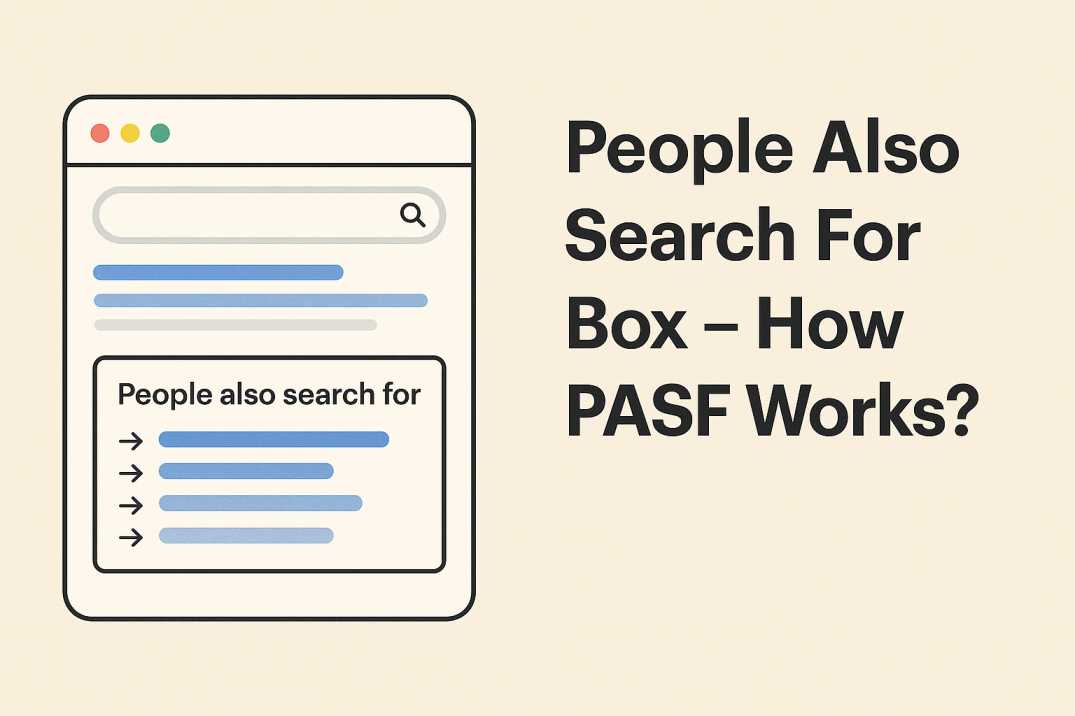
Understanding People Also Search helps improve how websites appear in search results. This feature shows related questions or topics that users commonly explore. It reveals what else people want to know about a subject.
Knowing the basics of People Also Search can guide your SEO strategy. It helps you create content that matches real user interests and search patterns.
What Are Hidden Queries
Hidden queries are search phrases not directly typed but linked to main searches. They appear as suggestions or related questions in search engines. These queries help uncover what users think but do not say explicitly.
They show the deeper intent behind a simple search. Finding these queries helps you answer more detailed user needs.
Why They Matter For Seo
Hidden queries improve your content’s relevance and reach. Search engines favor pages that answer many related questions. Using these queries helps your page rank higher and attract more visitors.
They guide content creation that fits user interests better. This leads to longer visits and more engagement on your site.
Sources Of Hidden Queries
Hidden queries reveal what people really want to know. They show search trends beyond common keywords. Understanding these queries helps create better content. It also improves SEO strategies.
Search Engines’ Suggestions
Search engines suggest queries as users type. These suggestions come from popular searches. They help find questions and phrases people often ask. These hints reveal hidden interests and needs.
Related Searches
Related searches appear at the bottom of search results. They show terms similar to the main query. These suggestions highlight other topics users explore. They guide content creators to cover broader subjects.
User Behavior Data
User behavior data tracks clicks, time spent, and patterns. It reveals what users really want beyond exact keywords. Analyzing this data uncovers hidden queries and trends. It helps tailor content to real user interests.
Tools To Discover Hidden Queries
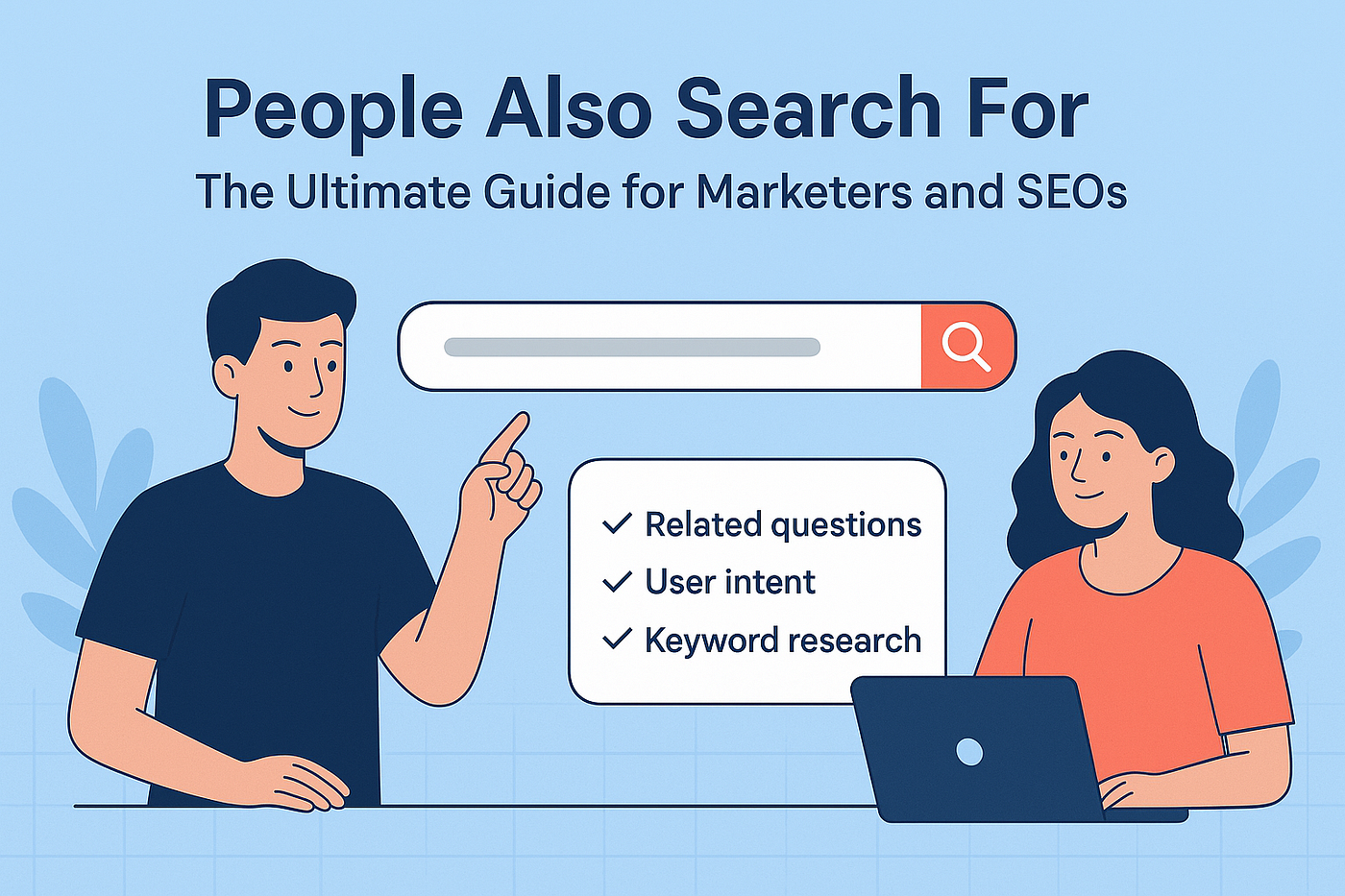
Finding hidden search queries can help expand your content reach. These queries often come from real user questions and needs. Using the right tools reveals these less obvious keywords. This helps create content that matches user intent better.
Below are some effective tools to find those hidden queries. Each tool offers unique insights. They help understand what people also search for around your topic.
Keyword Research Tools
Keyword research tools show popular and related search terms. They suggest phrases based on user searches. This helps find queries that are not obvious at first. Tools like these provide search volume and competition data. You can focus on keywords with good potential but low competition. This approach attracts more targeted visitors.
Google Search Console Insights
Google Search Console Insights gives direct data from your website. It shows what queries bring visitors to your pages. You can spot new or growing search terms here. This tool also reveals how users find your content. Using this data helps tailor content to hidden user interests.
Third-party Seo Platforms
Third-party SEO platforms combine multiple data sources. They offer detailed reports on search trends and queries. These platforms analyze competitors and audience behavior. This helps find unexplored or long-tail keywords. Using such tools can improve your SEO strategy and content quality.
Credit: medium.com
Strategies To Leverage Hidden Queries
Hidden queries reveal what users really want but don’t say directly. They offer a chance to create content that answers these subtle questions. Using strategies to leverage hidden queries can boost your SEO and attract more visitors.
Understanding these queries helps to target specific needs. This leads to better content that matches search intent. Let’s explore some effective ways to use hidden queries for your website.
Content Optimization Techniques
Start by researching hidden queries related to your topic. Use tools like People Also Search or keyword planners. Include these phrases naturally in your titles and headings.
Focus on clear, simple language. Make sure each page answers a specific hidden question. Use synonyms and related terms to cover more ground. This improves your chance to appear in search results.
Creating Targeted Content Clusters
Group similar hidden queries into content clusters. Create a main page with broad information. Add smaller pages or posts that address each hidden query in detail.
This approach helps search engines understand your site better. It also keeps visitors interested by giving them related content. This structure improves your website’s authority and ranking.
Improving User Engagement
Design your content to invite interaction. Ask questions or encourage comments related to hidden queries. Use clear calls to action to guide users through your site.
Make your pages easy to read and navigate. Use bullet points, short paragraphs, and images. Engaged visitors stay longer and explore more, boosting your SEO.
Measuring Impact On Seo
Measuring the impact on SEO is key to understand how changes affect your website. It helps you see what works and what needs improvement. This process focuses on data from search engines and user behavior. Tracking and analyzing these details guides your SEO efforts effectively.
Tracking Keyword Rankings
Keyword rankings show your website’s position in search results. Monitor these rankings regularly to spot trends. Watch for improvements or drops in your target keywords. This helps you see how your content performs. Use tools that provide accurate and updated rankings.
Analyzing Traffic Changes
Traffic changes reveal how many visitors come from search engines. Check which pages get more or less traffic over time. Look for patterns connected to your SEO actions. Higher traffic often means better visibility. Lower traffic can signal problems to fix.
Adjusting Strategies Based On Data
Use data from rankings and traffic to refine your SEO approach. Focus on keywords that bring more visitors. Improve or remove content that does not perform well. Test different tactics and measure their results. Data-driven changes lead to steady SEO growth.

Credit: b9solution.com
Common Challenges And Solutions
People Also Search features help users find related topics quickly. They guide users through complex searches and offer new ideas. But many face challenges using these features effectively. Problems include unclear queries, overlapping keywords, and fast-changing search trends. Each issue needs a clear solution to improve SEO results and user experience.
Dealing With Ambiguous Queries
Ambiguous queries lack clear meaning or context. They confuse search engines and users alike. To fix this, focus on adding context to your content. Use specific words and examples that explain the topic well. Break down broad questions into smaller, clear parts. This helps match People Also Search results better and satisfies user intent.
Avoiding Keyword Cannibalization
Keyword cannibalization happens when multiple pages target the same phrase. This splits your traffic and reduces page authority. Avoid this by assigning unique keywords to each page. Check your site regularly to find overlapping content. Use tools to track keyword use and update pages accordingly. Clear focus on keywords helps search engines rank pages correctly.
Keeping Up With Search Trends
Search trends change quickly as user interests shift. Ignoring trends means losing traffic and relevance. Stay updated by monitoring search data regularly. Use tools like Google Trends and keyword planners. Adapt your content to reflect current questions and popular topics. Timely updates keep People Also Search suggestions useful and engaging.
Frequently Asked Questions
What Does ”people Also Search” Mean On Google?
”People Also Search” shows related queries users often search. It helps understand common interests and find relevant content quickly.
How Can ”people Also Search” Improve Seo?
Using these queries helps target relevant keywords. It boosts content relevance, increases traffic, and improves search rankings.
Where Is ”people Also Search” Displayed On Google?
It appears below search results or within featured snippets. It guides users to explore similar or related topics easily.
Can ”people Also Search” Influence Content Creation?
Yes, it reveals popular user questions. Writers can address these queries to create valuable, targeted, and engaging content.
Conclusion
People also search helps find related topics quickly. It shows what others want to know. This feature guides users to useful information. It can improve your search experience a lot. Try using it to explore new ideas. It makes finding answers easier and faster.
Keep it in mind for better online searches. This simple tool adds value every time you search.