If you want to get the most from your online ads, understanding PPC statistics is a must. These numbers reveal how people interact with pay-per-click campaigns, what works best, and where your money can make the biggest impact.
By knowing the latest PPC stats, you can make smarter decisions that save you time and boost your results. Keep reading to discover eye-opening facts that will change the way you approach your advertising strategy—and help you get better returns on every dollar you spend.
Key Ppc Metrics To Track
Tracking the right PPC metrics helps improve ad performance. These numbers show how well campaigns run and where to make changes. Focus on key metrics to get clear insights. They guide budget use and strategy decisions. Below are important PPC metrics to watch closely.
Click-through Rate Trends
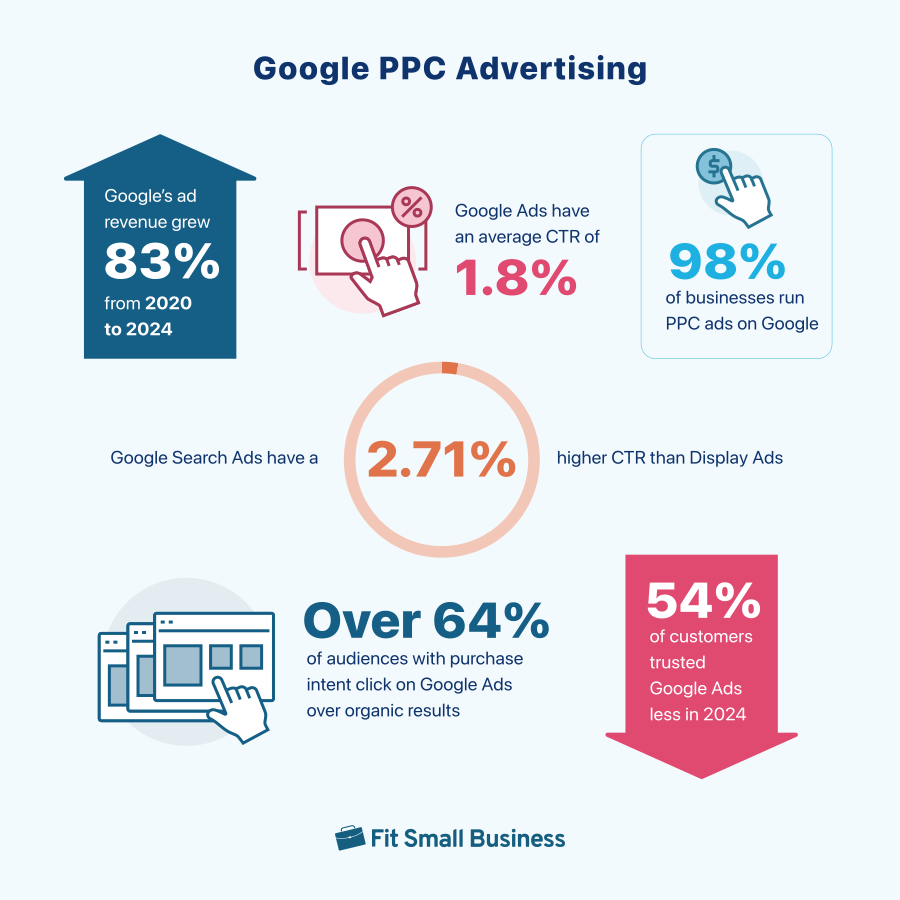
Click-through rate (CTR) shows how many people click your ad. It measures ad relevance and appeal. Higher CTR means more users find your ad useful. Watch trends over time to spot changes. A rising CTR usually means better ad targeting.
Conversion Rate Benchmarks
Conversion rate tracks how many clicks lead to actions. Actions include purchases, sign-ups, or calls. This metric shows ad effectiveness at driving results. Compare your rates to industry benchmarks. Low conversion rates may need landing page or offer changes.
Cost Per Click Analysis
Cost per click (CPC) reveals how much each click costs. It helps manage your ad budget efficiently. Lower CPC means cheaper clicks and more traffic for less money. Analyze CPC by campaign and keyword to find savings. High CPC might need keyword or bid adjustments.
Quality Score Impact
Quality Score affects your ad rank and CPC. It rates ad relevance, landing page, and user experience. Higher scores lower your costs and improve ad placement. Focus on creating relevant ads and useful pages. Monitor Quality Score to maintain strong campaign health.
Credit: fitsmallbusiness.com
Top Platforms For Ppc Success
PPC advertising offers many platforms to reach target audiences effectively. Each platform has unique strengths and data that help improve campaign results. Understanding where to focus efforts can save budget and increase returns.
Below are some of the top platforms for PPC success based on recent statistics and user insights. These platforms lead in performance, audience reach, and ad formats.
Google Ads Performance Data
Google Ads controls over 90% of the global search engine market. It drives the highest volume of clicks for paid ads. The average click-through rate (CTR) for Google search ads is around 3.17%. Conversion rates often exceed 4% depending on the industry. Google Ads offers detailed targeting options by keywords, location, and device. Its extensive reach makes it the first choice for many advertisers.
Facebook Ads Insights
Facebook Ads reach more than 2 billion active users monthly. The platform excels in demographic and interest targeting. Average CTR for Facebook ads ranges from 0.9% to 1.6%. Facebook’s visual ad formats improve engagement and brand awareness. Mobile users form the majority of Facebook’s audience. Advertisers benefit from flexible budgets and real-time performance tracking.
Linkedin Ads Effectiveness
LinkedIn is the leading platform for B2B PPC campaigns. It offers precise targeting by job title, industry, and company size. LinkedIn ads have an average CTR of about 0.39%. Despite lower CTR, the quality of leads is often higher. The platform supports sponsored content, InMail, and text ads. LinkedIn’s professional audience suits campaigns focused on business services.
Emerging Ppc Channels
New PPC channels like TikTok Ads and Pinterest Ads are gaining traction. TikTok Ads show high engagement, especially with younger audiences. Pinterest Ads work well for lifestyle and retail brands. These platforms offer lower competition and often lower costs per click. Advertisers experiment with these channels to diversify and find new customers. They provide fresh opportunities beyond traditional PPC giants.
Audience Targeting Statistics
Audience targeting is key to effective PPC campaigns. It helps advertisers reach the right people with relevant ads. Understanding audience targeting statistics reveals how different groups respond to ads. This insight guides smarter ad strategies and better budget use.
Demographic Performance Patterns
Age and gender strongly affect PPC success. Younger users click ads more often than older groups. Women show higher engagement in fashion and health ads. Men respond better to tech and finance ads. Advertisers who tailor ads by demographics see higher click-through rates.
Device Usage And Ppc Results
Most PPC clicks come from mobile devices. Mobile users prefer short, clear ads with fast load times. Desktop users spend more time on detailed product pages. Tablet users show moderate engagement but convert less. Device targeting helps improve ad relevance and results.
Geographic Impact On Ads
Location influences how audiences react to PPC ads. Urban areas often yield higher conversion rates. Rural regions tend to have lower click-through but loyal customers. Local language and culture affect ad performance. Geo-targeting ensures ads match audience location and preferences.
Behavioral Targeting Outcomes
Behavioral data boosts PPC effectiveness. Users who visited a site before click ads more often. People interested in specific topics respond better to tailored ads. Retargeting leads to higher conversion rates than cold outreach. Behavioral targeting refines audience focus and saves ad spend.
Ad Copy And Creative Trends
Ad copy and creative elements shape how people respond to PPC ads. Clear, strong messages catch attention quickly. Visuals also play a big role in engaging viewers. Effective calls-to-action guide users toward clicks and conversions. Testing different versions reveals what works best for each audience.
Headline Impact On Ctr
Headlines are the first thing users see in PPC ads. Short, direct headlines boost click-through rates (CTR). Using numbers or questions can increase interest. Headlines that highlight benefits attract more clicks. Avoid long or confusing phrases to keep readers focused.
Visuals Driving Engagement
Images and videos improve engagement significantly. Bright colors and clear pictures draw the eye. Visuals showing real people perform better than graphics. Animations or short clips hold attention longer. Ads with visuals get higher interaction rates than text-only ads.
Call-to-action Effectiveness
Strong calls-to-action (CTAs) encourage users to take action fast. Words like ”Buy,” ”Get,” or ”Try” prompt clicks. Clear, simple CTAs work best in PPC ads. Positioning the CTA near the headline or image helps. Testing different CTA phrases can find the most effective one.
A/b Testing Results
A/B testing shows which ad copy and creative work best. Testing headlines, visuals, and CTAs improves PPC performance. Small changes can raise CTR by up to 30%. Consistent testing helps optimize ads for different audiences. Data-driven decisions reduce wasted ad spend and increase ROI.
Budgeting And Bidding Insights
Understanding budgeting and bidding in PPC is key to campaign success. These insights help businesses spend wisely and win valuable clicks. Smart budget choices reduce waste and improve results.
Analyzing bidding strategies shows which methods bring the best returns. Adjusting budgets by season helps match demand and save money. Knowing industry ROI trends guides smarter investments.
Optimal Budget Allocation
Allocating PPC budgets wisely improves ad performance. Top advertisers spend around 30% more on high-converting campaigns. Splitting budgets between search and display ads balances reach and conversions. Small daily budgets can limit ad visibility and clicks. Tracking which keywords drive sales helps focus spend effectively.
Bid Strategy Success Rates
Manual CPC bidding remains popular for control and cost savings. Automated bidding strategies like Target CPA show 20% higher conversion rates. Enhanced CPC helps increase conversions by adjusting bids in real time. Smart Bidding adapts to user behavior for better ROI. Testing different bid strategies reveals the best fit for your goals.
Seasonal Budget Variations
PPC budgets often rise 25% to 40% during peak seasons. Retail and travel sectors see the largest seasonal shifts. Lower budgets in off-peak months help reduce wasted spend. Planning budgets around holidays boosts ad visibility and sales. Monitoring past seasonal trends guides budget adjustments.
Roi Trends By Industry
Finance and healthcare industries report the highest PPC ROI, often above 400%. E-commerce ROI averages around 200%, depending on product type. B2B sectors see steady ROI but slower conversion rates. Local services benefit from targeted PPC with ROI near 300%. Industry ROI data helps set realistic PPC goals.

Credit: www.adventuremarketingsolutions.com
Common Ppc Challenges And Solutions
PPC advertising brings many benefits but also several common challenges. Advertisers often face issues that reduce their campaign success. Understanding these problems and applying clear solutions helps improve results. Below are some key PPC challenges and ways to handle them effectively.
Dealing With Click Fraud
Click fraud happens when fake clicks waste your ad budget. Competitors or bots may click ads without real interest. This drives up costs and lowers returns.
Use click fraud detection tools to spot invalid clicks. Set up IP exclusions for suspicious sources. Monitor traffic closely and adjust campaigns to reduce fraud impact.
Improving Low-performing Ads
Low-performing ads get few clicks or conversions. Poor headlines, weak calls to action, or wrong targeting cause this. Testing different ad copy can reveal what works better.
Try new headlines and clear offers. Use A/B testing to compare versions. Adjust keywords and targeting to reach the right audience.
Balancing Cost And Quality
High costs can drain your budget quickly. Yet, low bids may reduce ad visibility and quality. Finding the right balance keeps campaigns effective and affordable.
Focus on relevant keywords with moderate competition. Use bid strategies that maximize return on investment. Track performance to adjust spending wisely.
Ad Fatigue And Refresh Strategies
Ad fatigue happens when users see the same ads repeatedly. This lowers engagement and click rates. Refreshing ads keeps campaigns fresh and appealing.
Change images, headlines, and offers regularly. Rotate ads to avoid audience boredom. Monitor performance and update creative content often.

Credit: www.powertraffick.com
Frequently Asked Questions
What Are The Key Ppc Statistics For 2024?
In 2024, average click-through rates are around 3. 5%. Mobile ads account for 70% of PPC clicks. The average cost per click varies by industry but is about $2. 50. PPC drives 65% of all clicks from paid ads.
How Does Ppc Improve Online Marketing Results?
PPC targets specific audiences through keywords, increasing ad relevance. It offers measurable results in real-time. PPC boosts website traffic quickly and improves brand visibility. It’s cost-effective, allowing control over budget and ad spend.
What Is The Average Roi Of Ppc Campaigns?
The average PPC return on investment (ROI) is 200%. Well-optimized campaigns can deliver even higher ROI. PPC provides fast results compared to organic marketing. Success depends on targeting, ad quality, and landing page experience.
How Do Mobile Devices Impact Ppc Statistics?
Mobile devices generate over 60% of PPC clicks. Mobile users tend to convert more quickly. Ads optimized for mobile have higher click-through rates. Responsive ad designs improve engagement and campaign performance.
Conclusion
PPC statistics show how important paid ads are for business growth. They help you reach the right audience quickly. Tracking these numbers guides better spending decisions. Small changes can lead to big results. Stay updated with trends to keep your ads effective.
Use data to plan your next campaign. Success comes from understanding what works best. Keep testing and learning to improve your PPC strategy. Remember, smart use of PPC boosts visibility and sales. It’s a key tool for online marketing today.