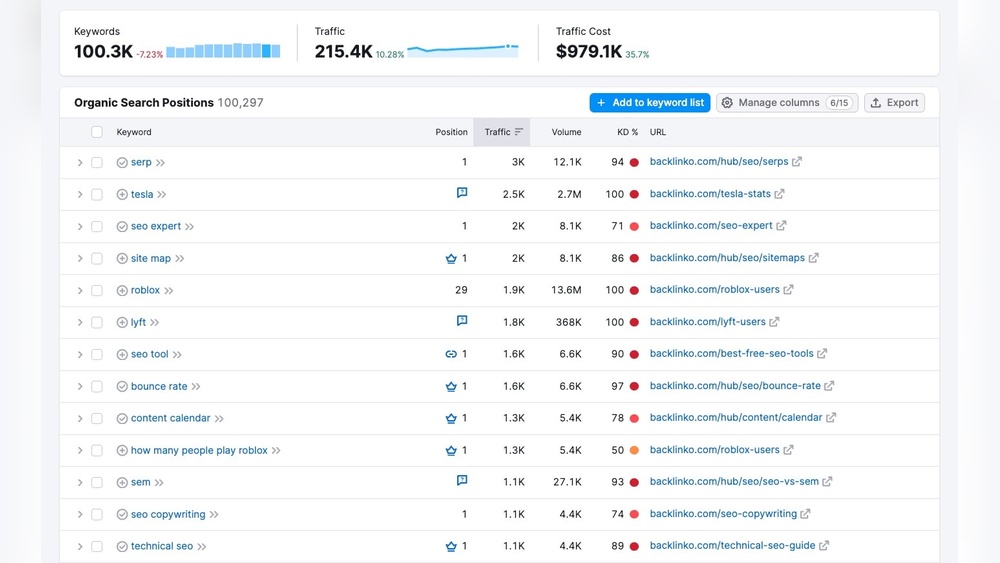
Are you curious about where your website stands on search engines? Knowing your exact rank can make all the difference in boosting your online success.
A rank checker gives you clear insights into how your pages perform for specific keywords. This information helps you spot opportunities, fix problems, and get ahead of your competition. Keep reading to discover how using a rank checker can transform your SEO strategy and bring more visitors straight to your site.
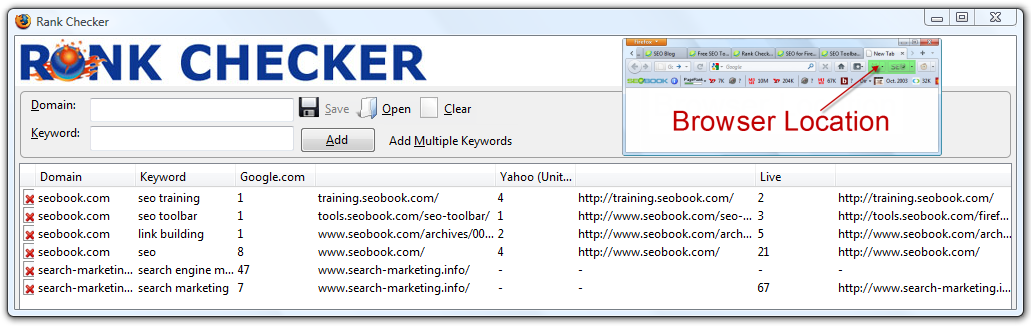
Credit: tools.seobook.com
Why Rank Checking Matters
Rank checking is a key part of managing your website’s SEO. It shows where your pages appear in search results. This helps you understand if your SEO efforts work or need changes.
Tracking ranks lets you see progress and find new chances to improve. Without rank checking, you might miss important clues about your website’s performance.
Impact On Seo Strategy
Rank checking helps shape your SEO plan. It shows which keywords bring visitors and which do not. You can focus more on terms that work well. You also spot pages that need updates to rank higher.
This data guides your content and link-building efforts. It saves time and budget by avoiding weak strategies.
Tracking Keyword Performance
Monitoring keyword ranks reveals how well your site appears for specific searches. You can see if your keywords move up or down in results. This tells you if your content matches what people want.
Regular checks help catch drops early. You can fix problems before losing traffic.
Competitive Analysis
Rank checking shows where you stand against competitors. You learn which keywords they rank for and which you do not. This helps find gaps to target new keywords.
Understanding competitor ranks lets you adjust your SEO to stay ahead. It also reveals what works well in your market.
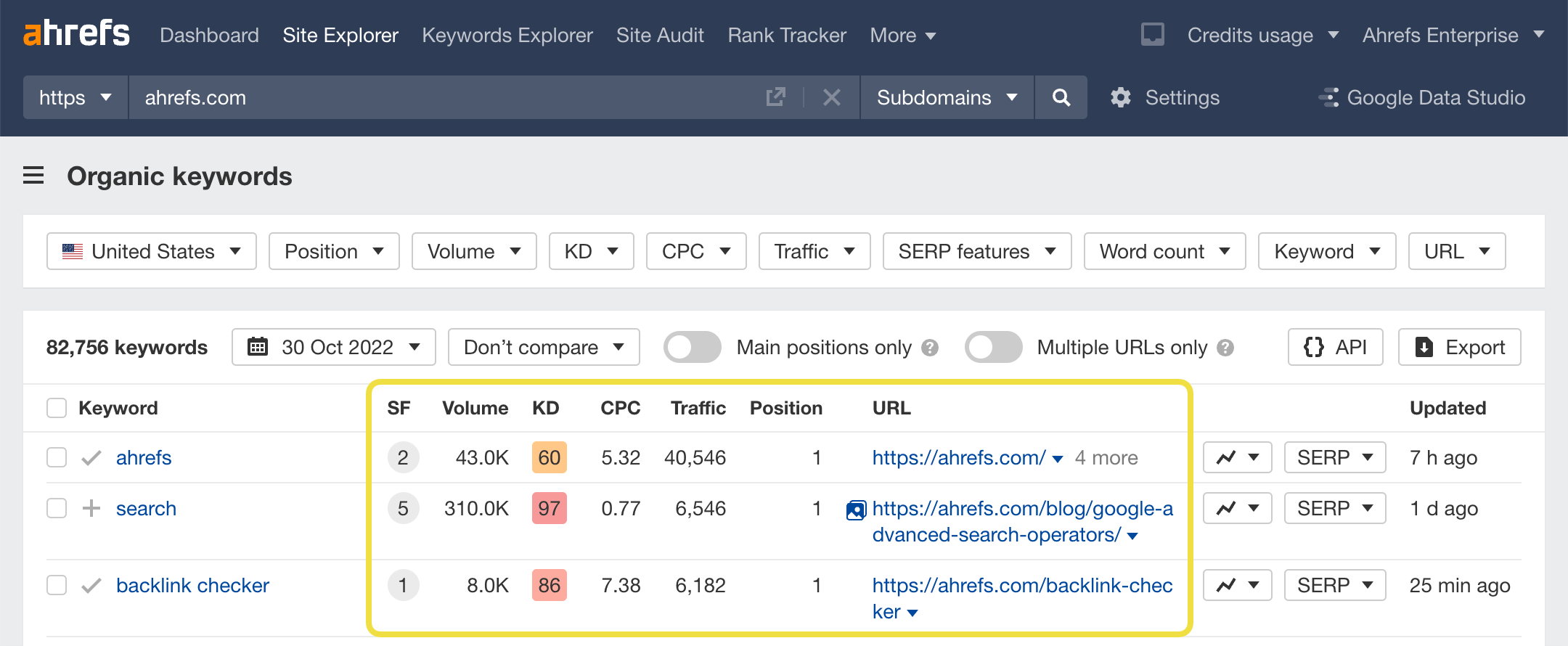
Credit: ahrefs.com
Top Rank Checker Tools
Top rank checker tools help track website positions on search engines. They show where your site ranks for specific keywords. This information guides your SEO strategy and content planning. Choosing the right tool depends on your needs, budget, and skill level.
Free Vs. Paid Options
Free rank checker tools offer basic features. They suit small websites or beginners. These tools usually limit the number of keywords you can track. Paid options provide more data and advanced functions. They allow tracking many keywords and competitor analysis. Paid tools offer better accuracy and regular updates. Free tools work well for quick checks and small projects.
Popular Tools Overview
Many rank checker tools exist, each with unique strengths. Google Search Console is free and trusted by many. SEMrush is popular for its detailed reports and keyword tracking. Ahrefs offers a powerful backlink and rank tracking system. Moz Pro provides easy-to-use tools for beginners. Ubersuggest is budget-friendly and includes keyword suggestions. Choose tools based on your website size and goals.
Features To Look For
Accuracy in ranking data is crucial. Look for tools that update rankings frequently. Keyword tracking across multiple search engines is helpful. Competitor analysis shows how others perform. Reporting options like charts and export files save time. User-friendly interfaces simplify managing your SEO tasks. Alerts and notifications keep you informed about rank changes.
Using Rank Checkers Effectively
Using rank checkers effectively helps track your website’s position on search engines. It shows how your keywords perform over time. This insight guides your SEO efforts. You can improve your content and strategies based on real data. Follow these steps to get the best results from rank checkers.
Setting Up Your Keywords
Choose keywords that match your content and audience. Include both short and long phrases. Use words people type when searching for your services. Add local or niche-specific terms if needed. Keep the list focused to avoid cluttered data. Update your keywords as your content changes.
Scheduling Regular Checks
Set your rank checker to run at fixed times. Daily or weekly checks reveal trends and drops quickly. Avoid checking too often to prevent data overload. Consistent scheduling helps spot changes early. Adjust the frequency based on your SEO goals.
Interpreting The Data
Look for patterns in your keyword rankings. Rising positions mean your SEO works well. Drops may highlight issues or stronger competition. Compare data over weeks or months for clear insight. Use the data to improve your content and strategy.
Integrating Rank Data Into Seo Plans
Integrating rank data into your SEO plans helps improve your website’s performance. Rank data shows how your pages appear in search results. This information guides your decisions and actions. It helps you focus on what works and fix what does not.
Using rank data regularly keeps your SEO plan updated. It shows changes in keyword positions and competitor movement. This allows quick reactions and better planning. Your SEO efforts become more targeted and effective.
Adjusting Content Strategy
Rank data reveals which pages perform well and which do not. Use this data to change your content focus. Improve or rewrite low-ranking pages to boost their position. Add fresh content based on successful topics. Remove or merge underperforming pages to avoid confusion.
Adjusting your content helps meet user needs better. It also improves search engine relevance. Keep your content clear, useful, and updated for best results.
Optimizing For High-performing Keywords
Rank data identifies keywords that bring the most traffic. Focus on these keywords in your titles, headings, and text. Use related words and phrases to widen your reach. Optimize meta descriptions and URLs with these keywords. This increases chances to rank higher and attract visitors.
Track changes in keyword rankings and adapt quickly. Boosting high-performing keywords maximizes your SEO success.
Identifying New Opportunities
Rank data uncovers gaps and chances for growth. Spot keywords where you rank low but have potential. Explore content ideas around these keywords. Find topics your competitors miss or do poorly. Use this insight to create new content and expand your audience.
New opportunities keep your SEO fresh and competitive. They help you stay ahead in search results.
Common Mistakes To Avoid
Using a rank checker tool helps track website position in search results. Many users make simple mistakes that hurt their SEO efforts. Avoid these errors to get clear and useful ranking data. This section covers common pitfalls to watch out for.
Overlooking Local Rankings
Ignoring local rankings leaves out valuable search insights. Many businesses rely on nearby customers. Checking national ranks only misses this key area. Local rankings show how well your site does in specific cities or regions. Use rank checkers that provide local data for better strategy.
Ignoring Serp Features
Search results include more than just links. Features like snippets, maps, and videos appear often. These affect where users click. Rank checkers that ignore these features give incomplete results. Track how your site appears in these special sections to improve visibility.
Relying Solely On Rankings
High rankings do not always mean success. Traffic, engagement, and conversions matter too. Focus only on position can mislead your SEO decisions. Use rank checkers along with other tools to get a full picture. Rankings are just one part of your website’s health.

Credit: www.seobook.com
Frequently Asked Questions
What Is A Rank Checker Tool?
A rank checker tool tracks your website’s position in search engine results. It helps measure SEO performance and keyword rankings. This tool provides insights to improve your online visibility and optimize content effectively.
How Does A Rank Checker Improve Seo?
Rank checkers identify which keywords bring traffic and where you rank. They help spot trends, monitor competitors, and adjust strategies. Using this data improves your SEO efforts and boosts your website’s search engine ranking.
Are Rank Checkers Free To Use?
Many rank checker tools offer free versions with limited features. Paid plans provide advanced analytics, more keyword tracking, and better accuracy. Choose a tool based on your SEO needs and budget for optimal results.
How Often Should I Check My Website Rank?
Checking your website rank weekly or monthly is ideal. Frequent checks help track progress and spot sudden drops. Regular monitoring allows timely SEO adjustments to maintain or improve your rankings.
Conclusion
Tracking your website’s rank helps you see how well your SEO works. It shows which keywords bring the most visitors. You can spot problems early and fix them fast. This keeps your site strong and competitive. Regular checks save time and effort in the long run.
Use a rank checker often to stay on top. Small changes can lead to steady growth. Stay patient and keep improving your site step by step. Success comes from careful monitoring and smart updates.