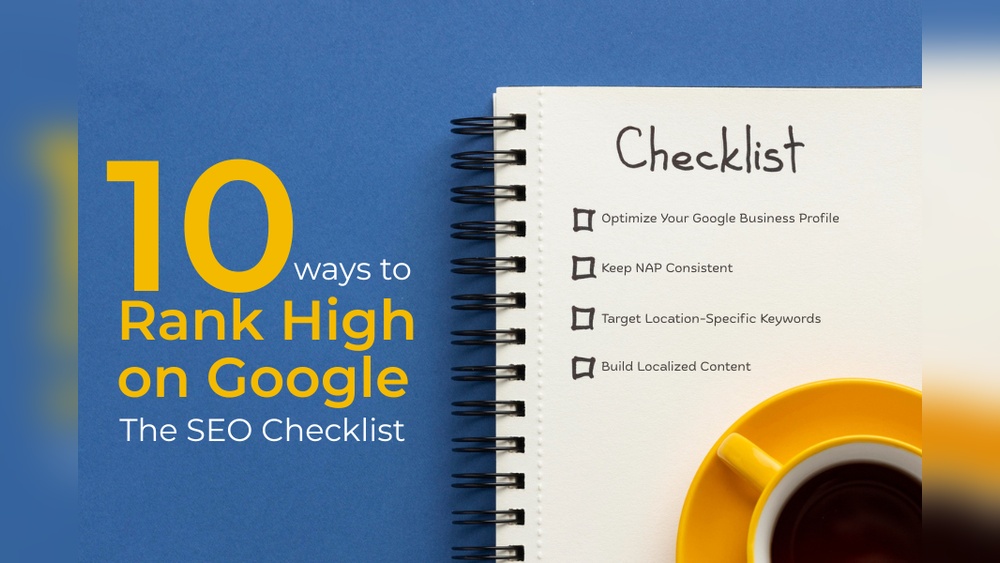
Want to see your website right at the top of Google search results? Ranking high on Google can bring more visitors, more customers, and more success to your business.
But getting there isn’t just about luck—it takes smart strategies you can use today. You’ll discover simple, effective tips that anyone can follow to boost your website’s position on Google. Ready to unlock the secrets that make your site stand out?
Keep reading, and you’ll learn exactly how to make Google notice you—and keep coming back for more.
Keyword Research Tactics
Keyword research is the first step to rank high on Google. It helps find the words people use to search online. Using the right keywords brings more visitors to your site. This section shares simple tactics to find and use keywords well.
Finding High-impact Keywords
Focus on keywords with good search volume but low competition. These keywords bring more visitors without much effort. Use tools like Google Keyword Planner or Ubersuggest. Check how many people search for a term each month. Pick keywords that match your content and audience.
Analyzing Competitor Keywords
Look at what keywords your competitors use. This shows what works in your niche. Use tools like SEMrush or Ahrefs to find their top keywords. See which keywords bring them traffic and rank well. Use similar keywords but add unique value in your content.
Long-tail Keyword Benefits
Long-tail keywords are longer and more specific phrases. They have less competition and attract ready-to-buy visitors. These keywords are easier to rank for on Google. They help reach a niche audience looking for exact solutions. Use questions, location, or details to create long-tail keywords.
On-page Seo Essentials
On-page SEO is the foundation of ranking high on Google. It involves optimizing elements on your website. These changes help search engines understand your content better. They also improve user experience, which keeps visitors engaged longer.
Focusing on key on-page factors ensures your site is clear and relevant. The right tweaks can boost your visibility in search results. Small improvements can make a big difference in traffic and rankings.
Optimizing Title Tags And Meta Descriptions
Title tags tell search engines what your page is about. Keep titles clear and include your main keywords. Avoid long titles; 50-60 characters work best. Meta descriptions show below the title in search results. Write descriptions that explain the page content briefly. Use keywords naturally to attract clicks. Well-crafted titles and descriptions improve click rates and rankings.
Effective Use Of Header Tags
Header tags organize your content into sections. Use H1 for the main title and H2, H3 for subheadings. Headers help users scan your page quickly. They also guide search engines through your content structure. Include keywords in headers but keep them natural. Proper header use makes content easier to read and understand.
Improving Content Readability
Content should be easy to read and clear. Use short sentences and simple words. Break text into small paragraphs. Add bullet points or lists for better flow. Avoid jargon and complex language. Use active voice to make sentences direct. Good readability keeps visitors on your page longer and lowers bounce rates.
Content Creation Strategies
Creating strong content is key to ranking high on Google. Good content attracts visitors and keeps them engaged. It also tells search engines your site is useful and reliable. Use smart content strategies to improve your site’s visibility and traffic.
Crafting Engaging And Relevant Content
Write content that answers questions your audience has. Keep sentences short and clear. Use simple words that everyone understands. Focus on topics that match your audience’s needs. Include keywords naturally to help Google find your pages. Make content easy to read with headings and lists.
Incorporating Visuals And Media
Images, videos, and infographics make content more interesting. Visuals help explain ideas faster than words alone. Use high-quality pictures that relate to your text. Add captions to describe images. Videos keep visitors on your site longer. Use media to break up long blocks of text.
Updating Content Regularly
Google prefers fresh and updated content. Check your pages often and add new information. Fix any outdated facts or broken links. Updating content shows your site is active and trustworthy. Regular updates can improve your rankings over time.

Credit: www.propertiezzzz.com
Technical Seo Improvements
Technical SEO improvements help search engines understand your website better. They make your site easier to crawl, faster to load, and more user-friendly. These changes improve your chances of ranking higher on Google. Focus on key areas like website speed, mobile design, and crawl errors.
Enhancing Website Speed
Fast websites keep visitors happy. Slow loading pages increase bounce rates. Compress images and use browser caching to boost speed. Minimize code and leverage content delivery networks (CDNs). These steps reduce load times and improve user experience.
Mobile-friendly Design
Most users browse on mobile devices. A responsive design fits all screen sizes. Easy navigation and readable text matter. Google ranks mobile-friendly sites higher. Test your site on various devices to ensure smooth performance.
Fixing Crawl Errors
Crawl errors prevent search engines from indexing your site. Use tools like Google Search Console to find errors. Fix broken links and remove duplicate content. Clean site structure helps search engines access all pages. This improves your site’s visibility in search results.
Link Building Techniques
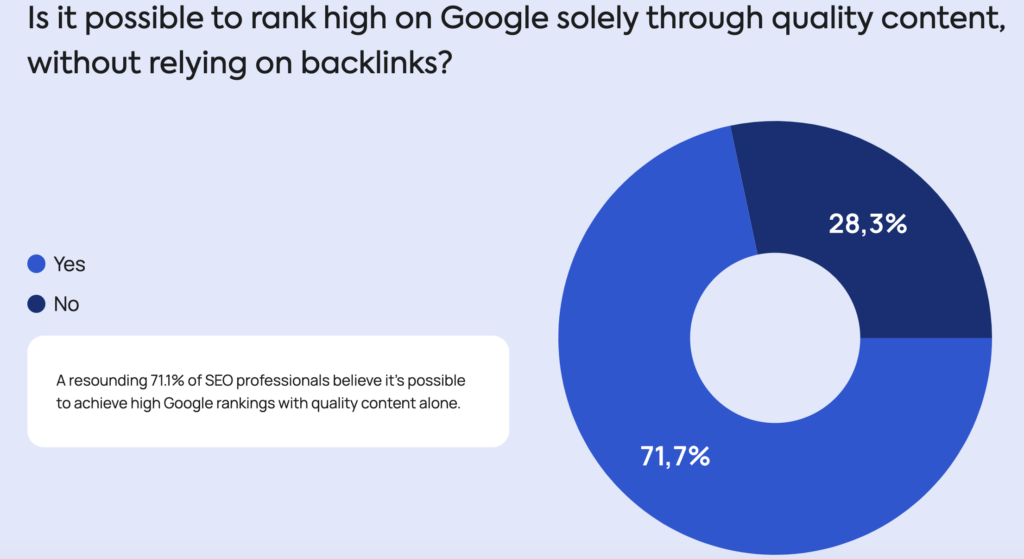
Link building is a key part of ranking higher on Google. It helps search engines see your website as trustworthy and important. Good link building brings visitors and boosts your site’s authority. Focus on quality links from relevant sites. Use smart techniques to grow your link profile naturally.
Earning Quality Backlinks
Quality backlinks come from trusted websites in your field. Create useful content that others want to share. Write articles, guides, or resources that solve problems. Reach out politely to site owners with your content. Ask if they want to link to your page. Avoid spammy tactics that can hurt your rankings.
Guest Posting Best Practices
Guest posting means writing on other websites. Choose sites related to your niche. Write helpful and original content for their audience. Include a natural link back to your site. Follow the host site’s rules carefully. This builds trust and brings new visitors. Avoid overusing links or low-quality sites.
Utilizing Social Media For Links
Social media can spread your content quickly. Share your blog posts and pages on platforms like Facebook and Twitter. Engage with followers to increase visibility. Social links may not be dofollow but still drive traffic. Use social media to build relationships with influencers. These connections can lead to valuable backlinks.
Credit: editorial.link
User Experience Optimization
User experience optimization plays a key role in ranking high on Google. Google values websites that offer easy and pleasant experiences to visitors. A site that is simple to use keeps people engaged longer. This lowers bounce rates and increases the chance of visitors returning.
Optimizing user experience involves clear navigation, fast loading times, and secure browsing. These factors help build trust and make visitors feel safe on your site. Good user experience also encourages sharing and backlinks, which boost search rankings.
Reducing Bounce Rates
Bounce rate shows how many visitors leave after viewing one page. A high bounce rate signals poor user experience to Google. To reduce bounce rates, make content clear and relevant. Use headings and bullet points for easy reading. Fast page load speed also keeps visitors from leaving quickly.
Improving Navigation
Easy navigation helps visitors find information fast. Use simple menus and clear labels. Group related content together for better flow. Breadcrumbs show users their location within the site. Good navigation lowers frustration and keeps visitors exploring more pages.
Ensuring Secure Browsing
Security is crucial for user trust and SEO. Use HTTPS to encrypt data and protect users. Display security badges or trust seals for confidence. Avoid pop-ups or ads that disrupt browsing. Secure websites are favored by Google and visitors alike.
Measuring Seo Success
Measuring SEO success helps you know if your efforts work. It shows what parts of your strategy bring results. Tracking the right data guides your next steps. Without tracking, you guess and waste time.
Tracking Keyword Rankings
Keyword rankings reveal how your site appears in search results. Check if your target keywords move up or down. Use tools to track rankings daily or weekly. Focus on keywords that bring traffic and sales. Improvement in rankings means better visibility and more visitors.
Analyzing Traffic Sources
Traffic sources show where your visitors come from. See if they arrive from search engines, social media, or ads. Organic search traffic is the best for SEO success. Look for growth in organic visits over time. This growth proves your SEO strategies work well.
Using Google Analytics Insights
Google Analytics offers detailed data about your website visitors. Check user behavior like time on site and pages visited. High engagement means your content meets visitors’ needs. Watch for bounce rates and exit pages to fix problems. Use these insights to improve your SEO and content.

Credit: seoshastra.in
Frequently Asked Questions
What Are The Top Factors To Rank High On Google?
Google ranks pages based on relevance, quality content, backlinks, site speed, and mobile-friendliness. Optimizing these boosts visibility. Focus on user intent and SEO best practices for better ranking results.
How Does Keyword Research Improve Google Ranking?
Keyword research identifies terms your audience searches for. Using relevant keywords in content helps Google understand your page’s topic, improving ranking and driving targeted traffic.
Why Is Quality Content Crucial For Google Ranking?
Quality content engages users and answers their queries effectively. Google favors well-written, original, and informative content, which increases dwell time and reduces bounce rates, boosting rankings.
How Do Backlinks Impact Google Search Rankings?
Backlinks from reputable sites signal trust and authority to Google. They improve domain authority, helping your pages rank higher and gain more organic traffic.
Conclusion
Ranking high on Google takes time and steady effort. Create useful content that answers user questions well. Use clear keywords but avoid stuffing them. Keep your site fast and easy to use. Build good links from trusted websites. Check your progress and adjust your plan often.
Small changes can lead to big results. Stay patient and keep improving your site. Success comes to those who keep working smart. Your website can grow and attract more visitors. Keep these tips in mind to boost your Google rank.