Are you tired of spending hours chasing backlinks with little success? What if there was a smarter way to grow your website’s authority without the usual outreach hassle?
Reverse outreach flips the script, letting you attract the right connections effortlessly. You’ll discover how to use reverse outreach to save time, build stronger relationships, and boost your online presence. Keep reading to unlock a simple strategy that can transform your link-building game.

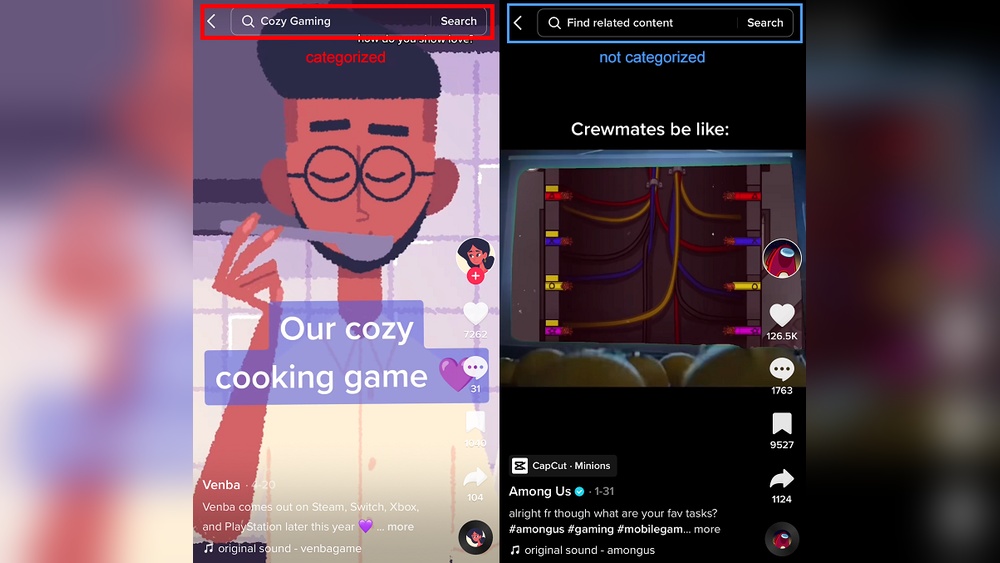
Credit: increv.co
What Is Reverse Outreach
Reverse outreach is a unique method in digital marketing. It flips traditional outreach on its head. Instead of you reaching out to others, others come to you first. This approach helps build natural relationships and trust.
Many businesses use reverse outreach to attract attention without cold emails. It focuses on creating value that draws people in. This way, connections happen more smoothly and with less effort.
What Makes Reverse Outreach Different?
Traditional outreach means contacting many people directly. You send emails or messages to get noticed. Reverse outreach waits for people to find you. You create content or offers that invite others to start the conversation.
How Does Reverse Outreach Work?
It starts with strong, helpful content. This content solves problems or answers questions. People then discover this content through search or social media. Interested people reach out to you for more information or partnerships.
Why Use Reverse Outreach?
It saves time by reducing cold calls and emails. People who contact you are already interested. This leads to better responses and stronger connections. It also builds your reputation as an expert or helpful resource.
Benefits Of Reverse Outreach
Reverse outreach offers many advantages for building links and relationships online. It flips the usual outreach process, focusing on attracting others to contact you first. This approach creates more natural connections and saves time.
Businesses and bloggers find reverse outreach helpful for gaining trust and authority. It builds a strong network with less effort. The benefits go beyond link building and improve your online presence overall.
Enhanced Relationship Building
Reverse outreach helps form genuine connections. People reach out because they are interested. This interest leads to stronger and longer-lasting relationships. It feels less pushy and more natural.
Time Efficiency
This method saves valuable time. You spend less time sending emails and chasing contacts. Instead, focus on creating quality content that attracts attention. This balance improves productivity and results.
Improved Brand Authority
Being the one contacted boosts your reputation. It shows others respect your work. This respect increases your brand’s authority in your niche. Authority helps gain more followers and trust.
Higher Quality Backlinks
Links gained through reverse outreach tend to be more valuable. They come from people who truly find your content useful. These backlinks improve your website’s search engine rankings. Quality beats quantity every time.
Better Audience Targeting
Reverse outreach attracts the right audience naturally. Visitors come because your content matches their interests. This targeting reduces bounce rates and increases engagement. Engaged visitors are more likely to convert.
Identifying Target Websites
Identifying target websites is key for successful reverse outreach. Picking the right sites helps build strong backlinks. These backlinks improve your site’s authority and search rankings. Focus on quality and relevance to gain real SEO benefits.
This process involves research and analysis. Find websites that match your niche and audience. Use specific tools and methods to spot the best targets. Let’s explore effective ways to identify these sites.
Using Seo Tools
SEO tools simplify the search for target websites. Tools like Ahrefs, SEMrush, and Moz offer detailed site data. They show domain authority, traffic, and backlink profiles. Use filters to find sites with high authority and relevance. This saves time and improves accuracy.
Analyzing Competitor Backlinks
Competitor backlinks reveal where others get their links. Study these sites to find similar opportunities. Use SEO tools to extract competitor backlink lists. Focus on links from websites that are trusted and relevant. Targeting these sites can boost your own link profile.
Finding Relevant Niches
Relevance matters most in reverse outreach. Identify niches related to your business or content. Search for blogs, forums, and websites in those niches. Quality backlinks from related sites bring better traffic and trust. Avoid unrelated sites that can harm your SEO.
Crafting Personalized Pitches
Crafting personalized pitches is key in reverse outreach. It shows respect for the website owner’s work. Personal pitches stand out and have a better chance of success. Each message should feel unique and thoughtful. This approach helps build trust and opens doors for collaboration.
Researching Website Owners
Start by learning about the website and its owner. Check their recent posts and the topics they cover. Understand their audience and content style. Look for any personal details or interests shared on their site. This information helps you write a pitch that feels personal and relevant.
Tailoring Content Suggestions
Suggest content ideas that fit the website’s theme. Match your pitch to their audience’s needs and interests. Offer topics that add value or fill content gaps. Avoid generic suggestions that seem copied. Tailored ideas show you took time to understand their site.
Building Genuine Connections
Focus on creating a real relationship, not just a quick link. Use friendly and respectful language in your pitch. Mention specific things you like about their work. Show appreciation for their efforts and time. Genuine connections lead to long-term partnerships and trust.
Creating Link-worthy Content
Creating content that attracts links is key in reverse outreach. Quality content earns attention naturally. It makes others want to share and link to your site. Focus on usefulness and clarity. Content should solve problems or answer questions clearly. This builds trust and authority. Below are ways to create content that earns links.
Developing Resourceful Articles
Write articles that provide clear, helpful information. Cover topics deeply but keep language simple. Use examples and step-by-step instructions. People link to content that teaches or guides them well. Focus on answering common questions in your niche. Make your articles easy to read and scan. Use headings, bullet points, and short paragraphs. This increases chances others will share your work.
Using Infographics And Data
Visual content draws attention and shares easily. Create infographics that explain complex ideas simply. Use data and statistics to support your points. This adds credibility and interest. Infographics help readers understand fast. Other sites often link to clear, attractive visuals. Share your data openly and cite sources. This builds trust and encourages backlinks.
Updating Existing Content
Improve old posts with fresh information and facts. Update statistics, examples, and links regularly. Search engines favor content that stays current. Readers appreciate updated content and trust it more. This can bring new links to your site. Check popular posts often and keep them accurate. Small improvements can keep content relevant and link-worthy.
Leveraging Social Media Channels
Social media channels play a vital role in reverse outreach strategies. They help build connections with the right people and boost your brand visibility. Using these platforms smartly can increase your chances of getting noticed by influencers and potential partners.
Social media allows direct conversations and quick responses. It opens doors to new opportunities and collaborations. Focus on creating a strong presence and engaging with your audience regularly.
Engaging With Influencers
Find influencers who match your brand values and audience. Start by following them and liking their posts. Comment with thoughtful messages instead of generic phrases. Share their content to show genuine interest.
Build trust by offering value first. Offer help or share useful tips related to their content. Avoid asking for favors immediately. Consistent, meaningful interaction increases chances of collaboration.
Sharing Content Strategically
Post content that appeals to both your audience and influencers. Use clear, simple language and relevant images. Share success stories, tips, or case studies that add value.
Tag influencers when appropriate to get their attention. Post regularly but avoid spamming your followers. Analyze what type of content gets the most engagement and focus on that.
Measuring Outreach Success
Measuring outreach success is key to improving your reverse outreach efforts. It helps you see what works and what needs change. Tracking results lets you use your time and resources better. Here are some ways to measure outreach success clearly and simply.
Tracking Backlink Growth
Backlinks show how many sites link back to your content. More quality backlinks mean better trust from search engines. Use tools like Ahrefs or Moz to watch backlink numbers. Check the quality and relevance of the links too. This helps know if your outreach is reaching the right people.
Analyzing Referral Traffic
Referral traffic shows visitors coming from other websites. It reveals which links bring real visitors to your site. Use Google Analytics to track referral sources easily. Look for steady growth in visitors from outreach links. This data shows if your content interests the audience.
Adjusting Strategies Based On Data
Data guides you to improve your outreach plan. Drop tactics that do not bring backlinks or visitors. Try new approaches with better results in mind. Regularly review data to stay updated on progress. This keeps your outreach effective and focused.

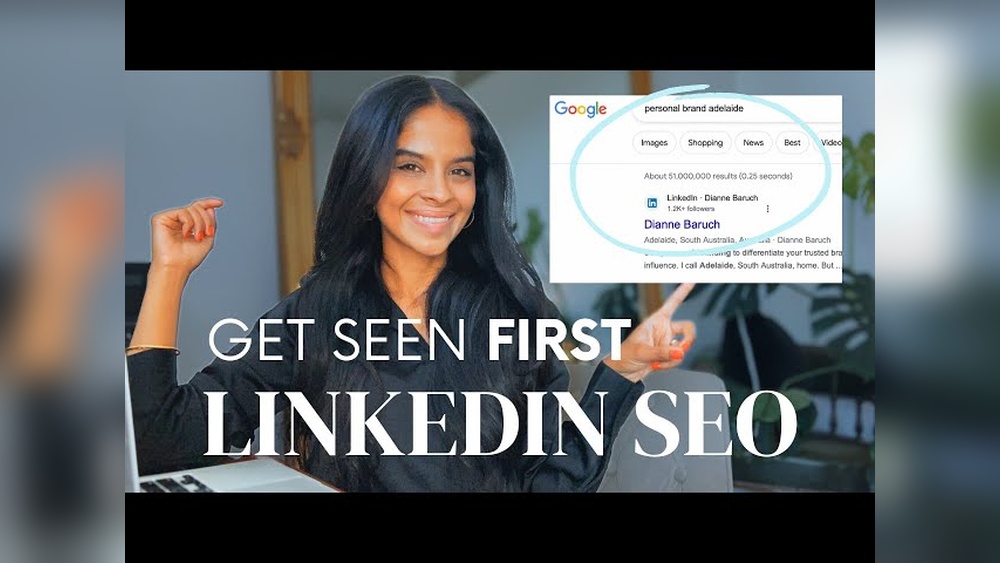
Credit: increv.co
Avoiding Common Pitfalls
Reverse outreach can boost your link-building strategy. Yet, some mistakes can hurt your efforts. Avoiding common pitfalls helps keep your campaigns effective and trustworthy.
Focus on clear communication and respect for your contacts. This approach builds real relationships and lasting results.
Preventing Spammy Outreach
Spammy messages annoy recipients and reduce response rates. Write personalized emails that match the recipient’s interests. Avoid sending bulk messages with generic content. Check each message for errors and relevance. Use tools to track your emails but never let automation replace a human touch.
Maintaining Quality Over Quantity
Sending many outreach emails may seem effective but often backfires. Target a few relevant contacts instead of many random ones. Research each prospect to ensure they fit your goals. Craft thoughtful messages that show you value their time. Quality outreach creates better connections and improves success rates.

Credit: www.youtube.com
Frequently Asked Questions
What Is Reverse Outreach In Digital Marketing?
Reverse outreach is a strategy where brands attract influencers or websites to contact them first. It focuses on creating valuable content that naturally draws attention. This approach builds organic backlinks and partnerships without aggressive pitching, boosting SEO and brand authority efficiently.
How Does Reverse Outreach Improve Seo?
Reverse outreach improves SEO by generating high-quality backlinks naturally. When authoritative sites link to your content, your search rankings increase. It also enhances brand credibility and trust, which are key ranking factors in Google’s algorithm, driving more organic traffic to your website.
What Are The Benefits Of Reverse Outreach?
Reverse outreach offers benefits like less time spent on cold outreach and higher quality connections. It builds genuine relationships with influencers and websites. This method also encourages sustainable link-building practices, which improve long-term SEO success and brand visibility.
How To Create Content For Reverse Outreach?
Create valuable, unique, and relevant content that solves your audience’s problems. Use data, visuals, and expert insights to increase appeal. Promote your content on social media and communities to attract inbound interest naturally, encouraging others to reach out for collaborations or backlinks.
Conclusion
Reverse outreach builds strong connections with relevant websites. It helps improve your site’s visibility and trust. Focus on genuine relationships, not just links. Keep your messages clear and respectful. Consistency is key to seeing lasting results. Try to understand others’ needs before asking for favors.
Small efforts often lead to big rewards. Use reverse outreach as part of your overall SEO-strategi. It takes time but can boost your online presence steadily. Stay patient and keep reaching out regularly.
Vill du få hjälp med länkbygge och SEO? Kontakta Hive Creatives för en kostnadsfri genomgång.