Have you ever typed something into a search engine and felt frustrated because the results didn’t match what you really wanted? That’s where understanding search intent makes all the difference.
When you know exactly what people are looking for, you can create content that truly answers their questions and keeps them engaged. You’ll discover how to unlock the power of search intent to boost your website’s traffic and connect with your audience like never before.
Keep reading—your next big breakthrough in online success could be just a few paragraphs away.
Search Intent Basics
Search intent is the reason behind a user’s online search. It explains what a person wants to find or do after typing a query. Understanding search intent helps websites provide the right content. This makes visitors happy and improves search engine rankings. Knowing the basics of search intent is key for effective SEO.
Types Of Search Intent
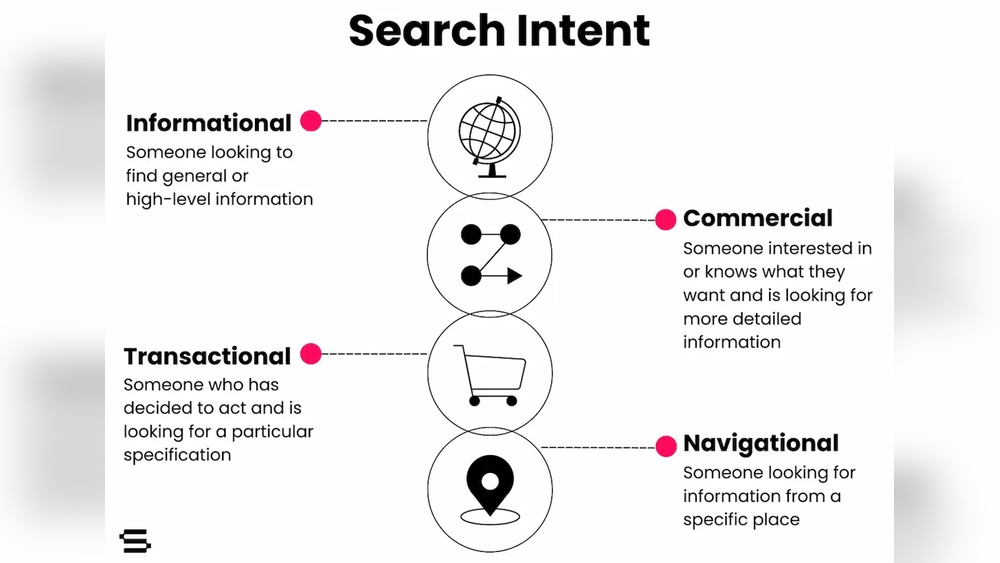
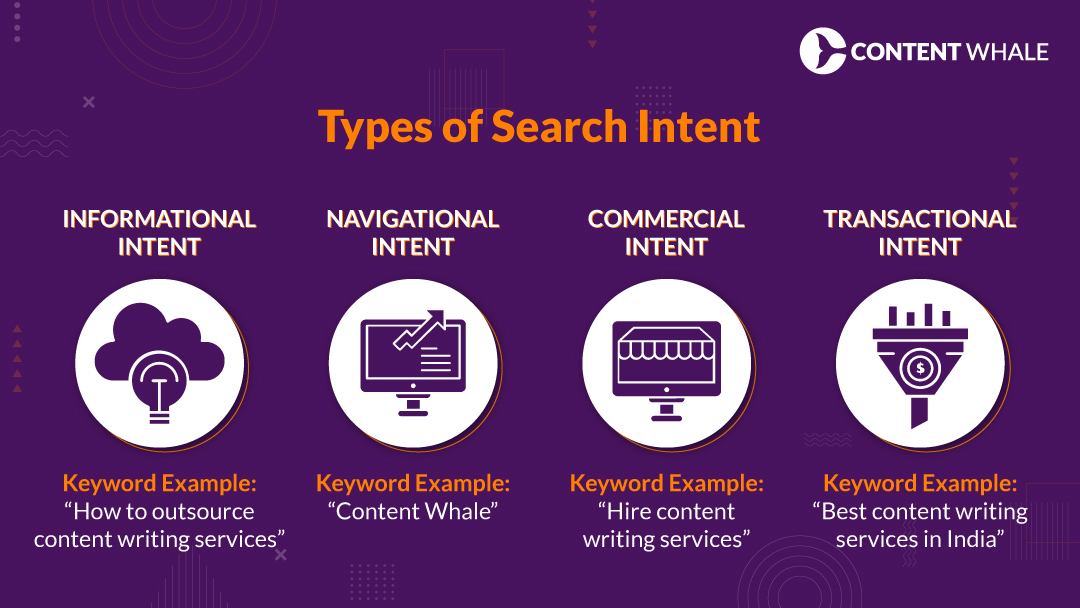
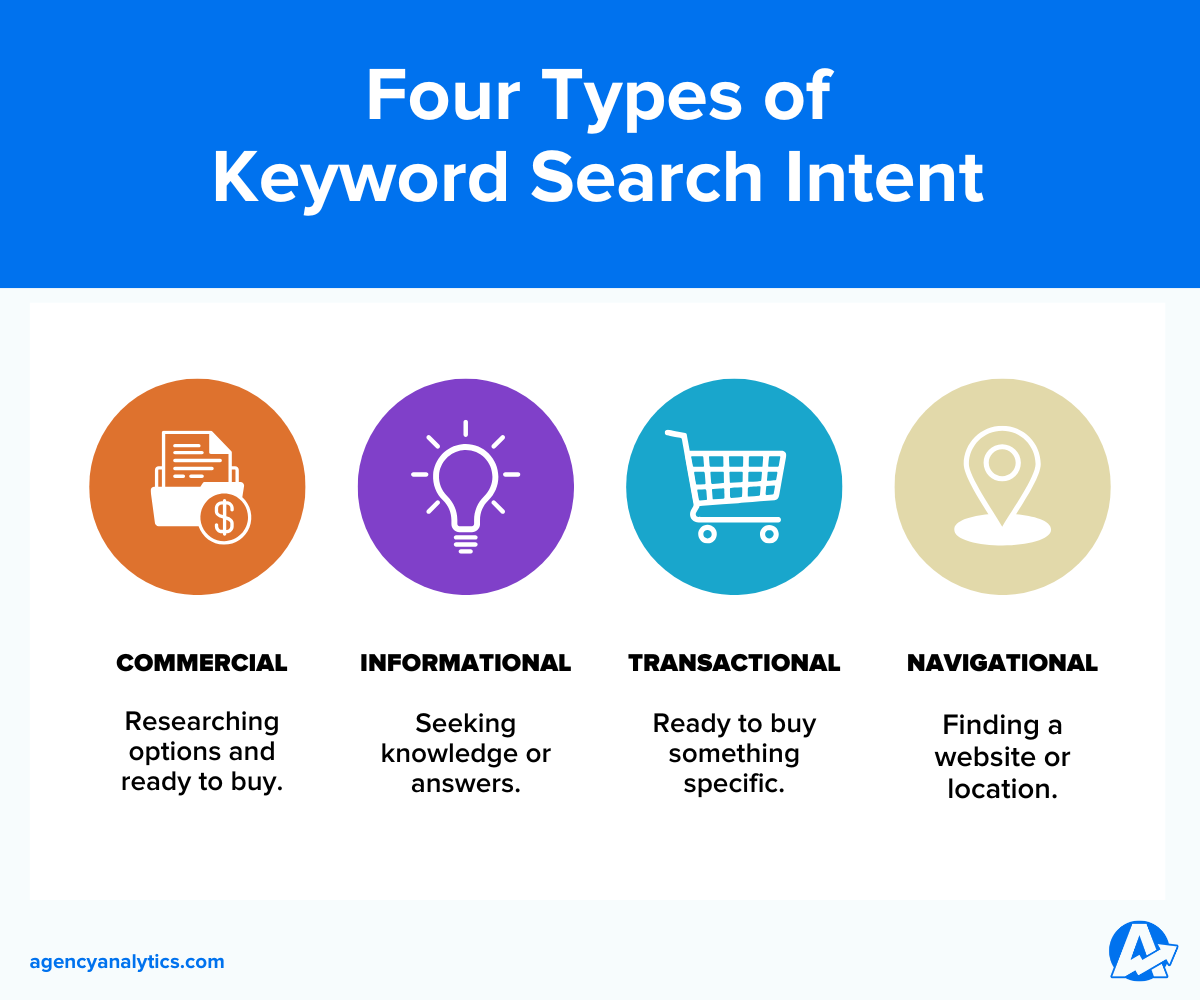
There are four main types of search intent. Informational intent means the user wants to learn something. They seek facts or answers to questions. Navigational intent happens when the user wants to visit a specific site. Transactional intent shows the user wants to buy or complete a task. Commercial investigation means the user is comparing products or services before buying.
Why Search Intent Matters
Search engines aim to show the best results for each query. Content that matches the user’s intent gets higher rankings. Users find what they need quickly and stay longer on the site. This reduces bounce rates and increases trust. Aligning content with search intent improves both user experience and SEO results.
Credit: content-whale.com
Identifying Customer Needs
Identifying customer needs is key for effective SEO and content creation. Understanding what users want helps you create relevant content. This draws more visitors and improves engagement. It also builds trust and encourages repeat visits.
To meet customer needs, you must understand their search intent. This shows the reason behind their searches. Pinpointing this intent guides your content strategy. It ensures your pages answer real questions and solve problems.
Analyzing Keyword Intent
Keywords reveal what users want. Some search for information, others want to buy. Look at the words people use. Words like ”how to” often show informational intent. Words like ”buy” or ”discount” show transactional intent.
Group keywords by intent type. Create content that matches each group. This helps serve users better and ranks higher on search engines.
Using Analytics Tools
Analytics tools show how visitors behave on your site. They tell what pages get the most views. They also reveal bounce rates and time spent on pages.
Use tools like Google Analytics or Search Console. Check which keywords bring traffic and how users interact. Adjust your content based on this data. This improves user satisfaction and search rankings.
Content Strategies For Intent
Understanding search intent helps create content that matches what users want. Content strategies for intent focus on making pages useful and clear. This makes visitors stay longer and trust the site more.
Content that fits search intent brings better traffic and higher rankings. It guides users to find answers fast. This section covers ways to align and improve content for intent.
Aligning Content With Intent
Start by identifying the main goal behind a search query. Is the user looking to buy, learn, or find a specific site? Create content that answers that need directly. Use simple language and clear headings. Match the tone to the user’s purpose. For example, use detailed guides for learning intent. Use product pages for buying intent. This helps search engines show your page at the right time.
Optimizing Existing Content
Review your current pages to see if they fit the user’s intent well. Update outdated facts and add new information. Remove content that does not help users reach their goal. Add keywords naturally to improve search visibility. Use clear call-to-actions based on the intent. For example, add “Buy Now” buttons for shopping pages. Make content easier to scan with bullet points and short paragraphs. This keeps users engaged and satisfied.
Credit: agencyanalytics.com
Impact On Seo Rankings
Search intent plays a key role in SEO rankings. It shows what users want when they type a query. Search engines try to match this intent with the best content. Pages that meet user intent often rank higher. Ignoring intent can hurt your site’s visibility.
Understanding search intent helps create content that satisfies users. This leads to longer visits and fewer bounces. Both factors send positive signals to search engines. Clear intent alignment improves your chances of ranking well.
Search Engines And Intent Signals
Search engines analyze many signals to detect intent. Keywords give clues about user goals. Search engines also look at user behavior like clicks and time spent. These signals guide algorithms to rank relevant pages.
Google’s algorithm updates focus more on user satisfaction. It rewards pages that best answer user questions. Pages matching intent get priority over generic content. This approach improves search quality and user trust.
Case Studies And Examples
A study showed pages optimized for intent gained 20% more traffic. One example is a recipe site that matched cooking queries precisely. Traffic rose because users found exactly what they wanted.
Another case involved a tech blog. It changed titles and content to fit informational intent. The result was higher rankings and better engagement. These examples prove intent-driven SEO works.
Future Trends In Search Intent
Search intent is changing quickly. It shapes how people find information online. Understanding future trends helps businesses stay ahead. It also improves how content meets user needs. New technologies and user habits drive these changes.
Future trends in search intent focus on smarter tools and easier access. Search engines aim to understand what users really want. This means better results and faster answers. Let’s explore two key trends shaping search intent.
Ai And Intent Prediction
Artificial intelligence is changing search intent prediction. AI learns from user behavior and search patterns. It guesses what users want before they finish typing. This leads to more accurate and personalized results. AI also helps understand complex queries with less data. It improves over time as it processes more searches. This trend makes search engines smarter and more helpful.
Voice Search Considerations
Voice search is growing fast on phones and smart speakers. People speak differently than they type. They use longer, natural sentences. Search engines must interpret these spoken queries correctly. Voice search focuses more on local and quick answers. Content needs to match how people talk aloud. This trend changes how we create and optimize content.

Credit: www.quattr.com
Frequently Asked Questions
What Is Search Intent In Seo?
Search intent refers to the user’s purpose behind a search query. It helps marketers tailor content to meet user needs and improve rankings.
Why Is Understanding Search Intent Important?
Understanding search intent boosts SEO by aligning content with what users want. It increases engagement and conversion rates effectively.
How Can I Identify Search Intent?
Analyze keywords, user behavior, and SERP features. Categorize intent into informational, navigational, transactional, or commercial investigation for best results.
What Are The Types Of Search Intent?
Common types include informational, navigational, transactional, and commercial investigation. Each type reflects different user goals and content needs.
Conclusion
Understanding search intent helps create content that matches what users want. It guides you to choose the right words and topics. Clear content keeps visitors interested and boosts your site’s ranking. Focus on answering questions and solving problems quickly. This approach improves user experience and builds trust.
Always think about why someone searches before writing. Good content meets those needs and gets noticed by search engines. Keep search intent in mind for better, more useful content every time.