Have you ever wondered why some websites show up exactly when you need them, while others miss the mark? The secret lies in understanding ”Search Intent.”
When you know what people truly want when they type a question or phrase into a search engine, you can create content that speaks directly to their needs. This not only helps your site get noticed but also keeps visitors coming back.
Keep reading, and you’ll discover how mastering search intent can transform your online presence and boost your success.
Credit: www.youtube.com
Search Intent Basics
Search intent is the reason behind a user’s online query. It shows what users want to find or do. Understanding search intent helps create content that answers users’ questions clearly. This improves user experience and boosts website traffic.
Content that matches search intent ranks higher in search engines. It also keeps visitors on your site longer. Knowing the basics of search intent is key for any SEO strategy.
Types Of Search Intent
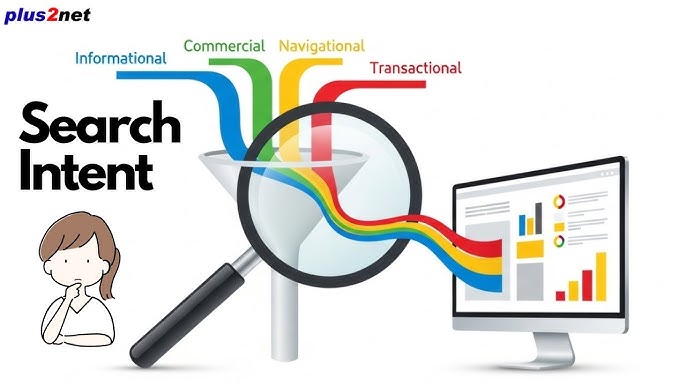
There are four main types of search intent. Each type reflects a different user goal.
Informational Intent: Users want to learn something. They search for facts, how-tos, or explanations.
Navigational Intent: Users want to find a specific website or page. They type brand names or site URLs.
Transactional Intent: Users want to buy or complete a task. They search for products, services, or deals.
Commercial Investigation: Users compare products or services. They want to research before buying.
Why Intent Matters
Matching content to search intent helps satisfy user needs. It lowers bounce rates and increases engagement. Search engines reward sites that fulfill user intent with better rankings.
Ignoring search intent leads to poor user experience. Visitors leave quickly if content does not answer their questions. Understanding intent guides the creation of relevant and useful content.
Credit: www.techmagnate.com
Identifying User Needs
Identifying user needs is key to creating content that connects. It helps you understand what users want. This knowledge guides your content strategy. Meeting user needs improves your website’s relevance and ranking. It makes your content more helpful and clear.
Analyzing Search Queries
Search queries reveal user intent. Look at the words users type. Short queries may show general interest. Longer queries often mean specific needs. Questions like “how,” “why,” or “best” signal different intents. Group similar queries to spot patterns. This helps you create targeted content. Focus on what users truly want to find.
Using Tools To Decode Intent
SEO tools can simplify intent analysis. Tools like Google Search Console show popular queries. Keyword planners reveal search volume and trends. Some tools classify intent as informational, navigational, or transactional. Use this data to shape your content. It ensures you answer user questions well. Tools save time and improve accuracy.
Aligning Content With Intent
Aligning content with search intent means matching your page with what users want. This helps users find answers quickly. It also improves your site’s ranking on search engines. Understanding intent guides your content creation and optimization. Each search has a goal behind it. Your content must serve that goal clearly and directly.
Creating Relevant Content
Start by knowing what your audience seeks. Write content that directly answers their questions. Use clear and simple language. Avoid adding extra details that confuse readers. Focus on the main topic and provide useful facts. Keep paragraphs short and easy to scan. Use headings to organize ideas clearly. Relevant content helps users trust your site more.
Optimizing For Different Intent Types
Search intent falls into several types: informational, navigational, transactional, and commercial. Informational intent means users want to learn something. Provide guides, how-tos, and explanations. Navigational intent means users want a specific site or page. Use clear brand names and simple directions. Transactional intent means users want to buy or act. Include calls to action and product details. Commercial intent means users compare options before buying. Offer reviews, comparisons, and pros and cons. Tailor your content to fit these needs precisely.
Credit: www.tangence.in
Impact On Seo Performance
Search intent plays a major role in SEO performance. It helps match content with what users want to find. Understanding search intent guides content creation. This alignment can boost your site’s visibility and traffic.
Search engines aim to deliver the best results for users. Content that fits search intent ranks higher. Ignoring intent can cause lower rankings and less traffic. Knowing the impact of search intent improves your SEO strategy.
Improving Rankings
Search engines reward content that meets user needs. Content aligned with intent gets better rankings. It reduces bounce rates and increases time on page. High engagement signals quality to search engines. Optimizing for intent helps target the right keywords. This leads to more organic traffic and higher placement.
Enhancing User Engagement
Content that answers user questions keeps visitors longer. Satisfied users interact more with your site. This lowers bounce rates and raises page views. Meeting search intent builds trust and loyalty. Engaged users are more likely to return. Enhancing engagement improves your site’s overall SEO health.
Advanced Strategies
Advanced strategies for search intent help improve how content meets user needs. These methods go beyond basic keyword matching. They focus on understanding user goals deeply and tailoring content to fit those goals perfectly.
Using these strategies can increase website traffic and user satisfaction. They help create content that answers questions clearly and quickly. This section covers two key tactics to enhance search intent understanding.
Leveraging Ai For Intent Analysis
AI tools can analyze large data sets to find patterns in user searches. They detect the meaning behind words, not just the words themselves. This helps identify if users want information, want to buy, or seek a specific site.
AI can classify search intent into clear categories. It makes it easier to create content that matches what users expect. This reduces guesswork and improves accuracy in targeting the right audience.
Using AI also saves time and effort. It automatically updates with new trends and changes in search behavior. This keeps your content relevant without constant manual review.
Personalizing User Experience
Personalization tailors content to the needs of each visitor. It uses data like location, device, and past behavior. This creates a unique experience that feels more helpful and engaging.
Showing content that fits user intent increases chances they stay longer and take action. Personalization can include recommendations, dynamic content, or customized calls to action. Each element helps meet the specific intent behind a search.
Simple changes such as adjusting headlines or images based on user data make a big difference. Personalizing content improves satisfaction and builds trust with your audience.
Frequently Asked Questions
What Is Search Intent In Seo?
Search intent is the reason behind a user’s online query. It helps marketers create content that matches what users want to find. Understanding search intent improves website ranking and user satisfaction by aligning content with user needs.
How Does Search Intent Affect Content Creation?
Search intent guides the type of content you create. It ensures content answers user questions, solves problems, or provides information. This alignment increases engagement, reduces bounce rates, and boosts SEO performance.
What Are The Main Types Of Search Intent?
The main types include informational, navigational, transactional, and commercial investigation. Each type reflects different user goals, like seeking information, finding a website, or making a purchase decision.
How Can I Identify Search Intent For Keywords?
Analyze the keyword’s context and user behavior. Check search results to see what type of content ranks high. Use tools and search engines to understand user expectations behind keywords.
Conclusion
Understanding search intent helps create content that truly fits user needs. It guides you to choose the right words and topics. This makes your website more useful and easier to find. Users stay longer and come back more often. Keep search intent in mind for every piece you write.
It improves both user experience and your site’s ranking. Simple, clear content wins in the end. Focus on what people want to find. That’s the key to better results online.