Are you struggling to find the right keywords on a website? Knowing how to search a website for keywords can save you time and help you get exactly what you need.
Whether you’re researching competitors, looking for specific information, or improving your own content, finding keywords quickly makes a big difference. You’ll discover simple and effective ways to search any website for keywords, so you can work smarter and achieve better results.
Keep reading to unlock the secrets that will boost your online research skills instantly.
Credit: www.clearscope.io
Why Keywords Matter
Keywords are the words people type into search engines. These words guide search engines to show the most relevant pages. Using the right keywords helps your website appear in search results. This makes your site easier to find.
Choosing good keywords improves your website’s reach. It connects your content with what people want. This connection is the key to attracting visitors and keeping them interested.
Impact On Search Rankings
Search engines use keywords to rank websites. Pages with relevant keywords appear higher in results. Higher rankings lead to more visitors. Without proper keywords, your site may stay hidden. Keywords help search engines understand your content clearly.
Connecting With Your Audience
Keywords match the language your audience uses. This makes your site feel more helpful and easy to read. When your content speaks their words, visitors stay longer. It builds trust and encourages return visits. Good keywords create a strong link between you and your audience.

Credit: seomator.com
Tools To Find Keywords
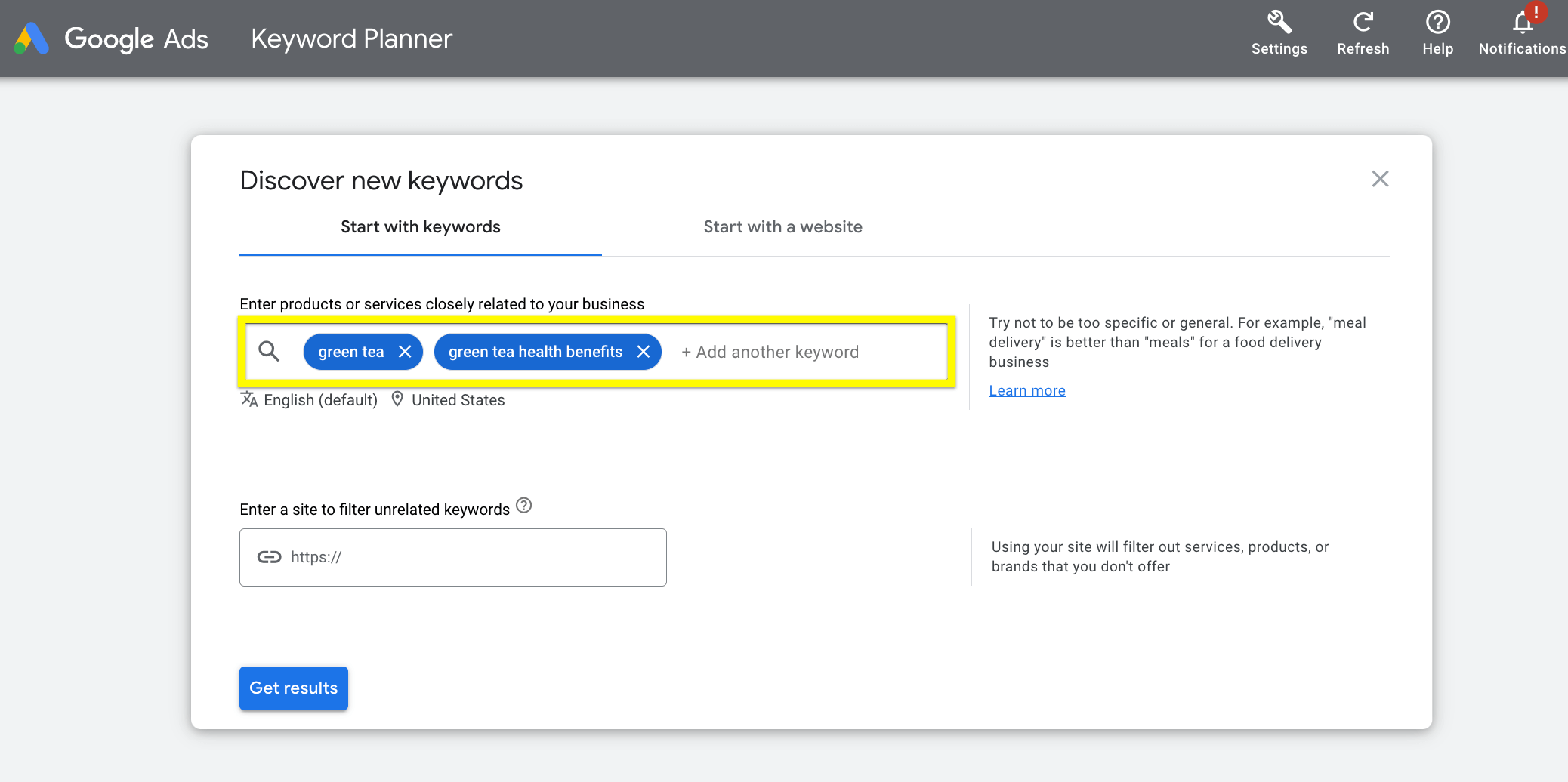
Finding the right keywords is key to improving your website’s search visibility. Tools to find keywords help you discover terms people use to search online. These tools show popular and relevant words for your content.
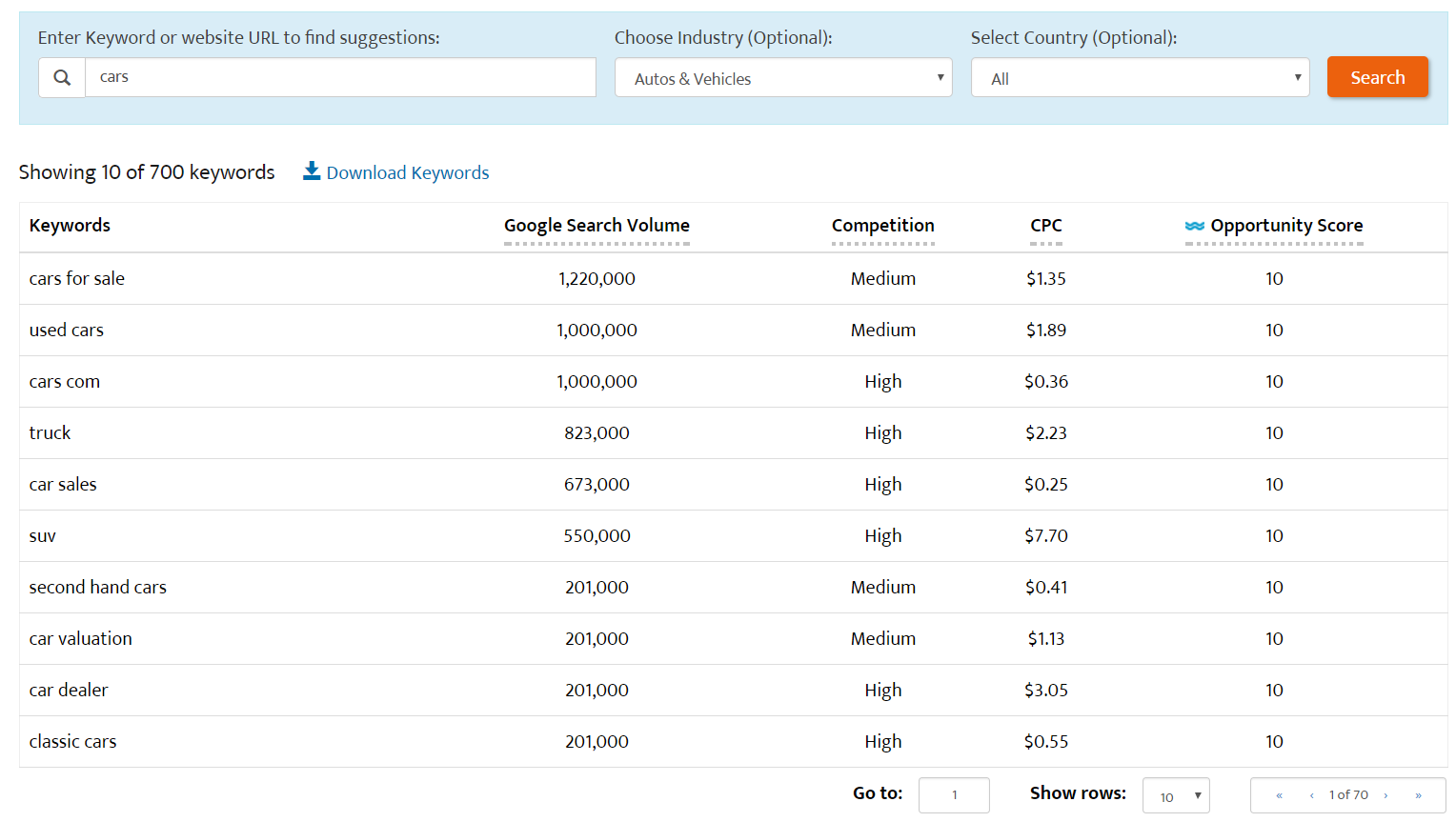
Using the right keyword tools saves time and guides your content creation. They provide data on search volume, competition, and trends. This information helps you pick keywords that attract visitors.
Free Vs Paid Options
Free keyword tools offer basic features at no cost. They are good for beginners or small projects. Examples include Google Keyword Planner and Ubersuggest. These tools give search volume and suggestions but may have limits.
Paid keyword tools provide more detailed data and advanced features. Tools like SEMrush and Ahrefs offer competitive analysis and keyword difficulty scores. They help create a strong SEO strategy but require a budget.
Choosing between free and paid depends on your needs and goals. Free tools work for simple research. Paid tools suit businesses aiming for deeper insights.
Using Website Search Features
Many websites have built-in search bars that reveal popular keywords. Typing a word shows autocomplete suggestions based on real searches. This hints at what users want.
Analyze search results and related terms to find new keywords. Use site search data to understand visitor interests. This method helps find relevant phrases directly linked to your niche.
Website search features are easy and cost-free. They complement other keyword research methods well. Use them to gather fresh keyword ideas from your own audience.
Techniques To Uncover Hidden Keywords
Finding hidden keywords can boost your website’s traffic and reach. These keywords are often overlooked but can bring valuable visitors. Use smart techniques to discover them and improve your SEO strategy.
Analyzing Search Queries
Search queries show what users type in search engines. Study the exact words and phrases people use on your site. Use tools like Google Search Console to find common queries. These keywords reveal user intent and help create relevant content. Focus on long-tail queries with lower competition for better results.
Examining Competitor Sites
Look at competitor websites to find keywords they target. Check their titles, headings, and meta descriptions for keyword ideas. Use SEO tools to analyze their top-performing pages. This shows you which keywords work in your niche. Adapt these keywords to fit your content and audience.
Leveraging User-generated Content
User-generated content includes comments, reviews, and forum posts. These texts often contain natural keywords and phrases. Read through this content to spot common terms users mention. Incorporate these keywords into your site to improve relevance. This technique helps connect with your audience’s real language.
Optimizing Content With Keywords
Optimizing content with keywords helps search engines find and rank your pages. It guides users to the right information fast. Proper keyword use improves visibility and boosts site traffic. Careful keyword placement can make your content clear and relevant. The goal is to blend keywords naturally for better user experience and SEO.
Placement Strategies
Place keywords in key spots like titles, headings, and meta descriptions. Use them early in the introduction to catch attention. Include keywords in image alt text and URLs for extra SEO value. Sprinkle keywords in the first 100 words for better impact. Avoid stuffing keywords; keep the flow natural and easy to read.
Balancing Keyword Density
Keep keyword density around 1-2% for best results. Too many keywords can make content hard to read. Too few keywords may lower your search ranking. Use synonyms and related terms to add variety. Focus on clear, helpful content that uses keywords smartly and smoothly.
Tracking Keyword Performance
Tracking keyword performance is essential for any website aiming to grow its search traffic. It helps understand which keywords bring visitors and which do not. This knowledge guides better decisions on content and marketing efforts.
Regular monitoring of keywords shows trends and changes in user behavior. It highlights opportunities to improve rankings and avoid losing ground to competitors. Effective tracking turns data into actionable insights.
Metrics To Monitor
Start by checking keyword rankings in search results. This shows how visible your website is for each keyword. Look at the click-through rate (CTR) to see how many users visit your site after searching.
Monitor the volume of traffic each keyword drives. Watch bounce rate to know if visitors find what they want. Track conversion rates to see if visitors take desired actions, like signing up or buying.
Adjusting Strategies Over Time
Use data to refine keyword targeting regularly. Drop keywords that do not perform well. Focus on those that bring quality traffic and leads.
Update content to better match search intent behind top keywords. Test new keywords to explore fresh opportunities. Keep adjusting based on results to maintain steady growth.
Credit: www.wordstream.com
Frequently Asked Questions
What Is The Best Way To Search Website For Keywords?
Using site-specific search operators like ”site:example. com keyword” in Google is effective. It narrows results to your website only. Tools like Screaming Frog or SEMrush also help find keywords across site pages efficiently.
How Do Keyword Searches Improve Website Seo?
Keyword searches identify relevant terms users enter. Optimizing content with these keywords boosts site visibility. This leads to higher rankings and more targeted traffic. Regular keyword analysis keeps your SEO strategy updated and competitive.
Can I Search Keywords Within Website Content Easily?
Yes, browser find features (Ctrl+F) help locate keywords on a page. For entire websites, specialized SEO tools scan all pages quickly. These tools highlight keyword density and relevance for better content optimization.
Why Is Keyword Research Crucial For Website Content?
Keyword research reveals what users want to find. It guides content creation to match user intent. This increases engagement, reduces bounce rates, and improves conversion rates. Effective keyword research keeps your site competitive and user-friendly.
Conclusion
Searching a website for keywords helps find important information fast. It saves time and makes research easier. Using the right keywords guides you to the best content. This skill improves how you use websites daily. Practice it often to get better results.
Stay curious and keep exploring new ways to search. This simple step can make your online experience much smoother and smarter.