
You want your website to stand out and attract more visitors, right? That’s where SEO copywriting comes in.
It’s not just about writing words; it’s about crafting content that connects with your audience and ranks high on search engines. When you master SEO copywriting, you get the power to turn casual browsers into loyal customers. Keep reading, and you’ll discover simple but powerful ways to make your content work harder for you.
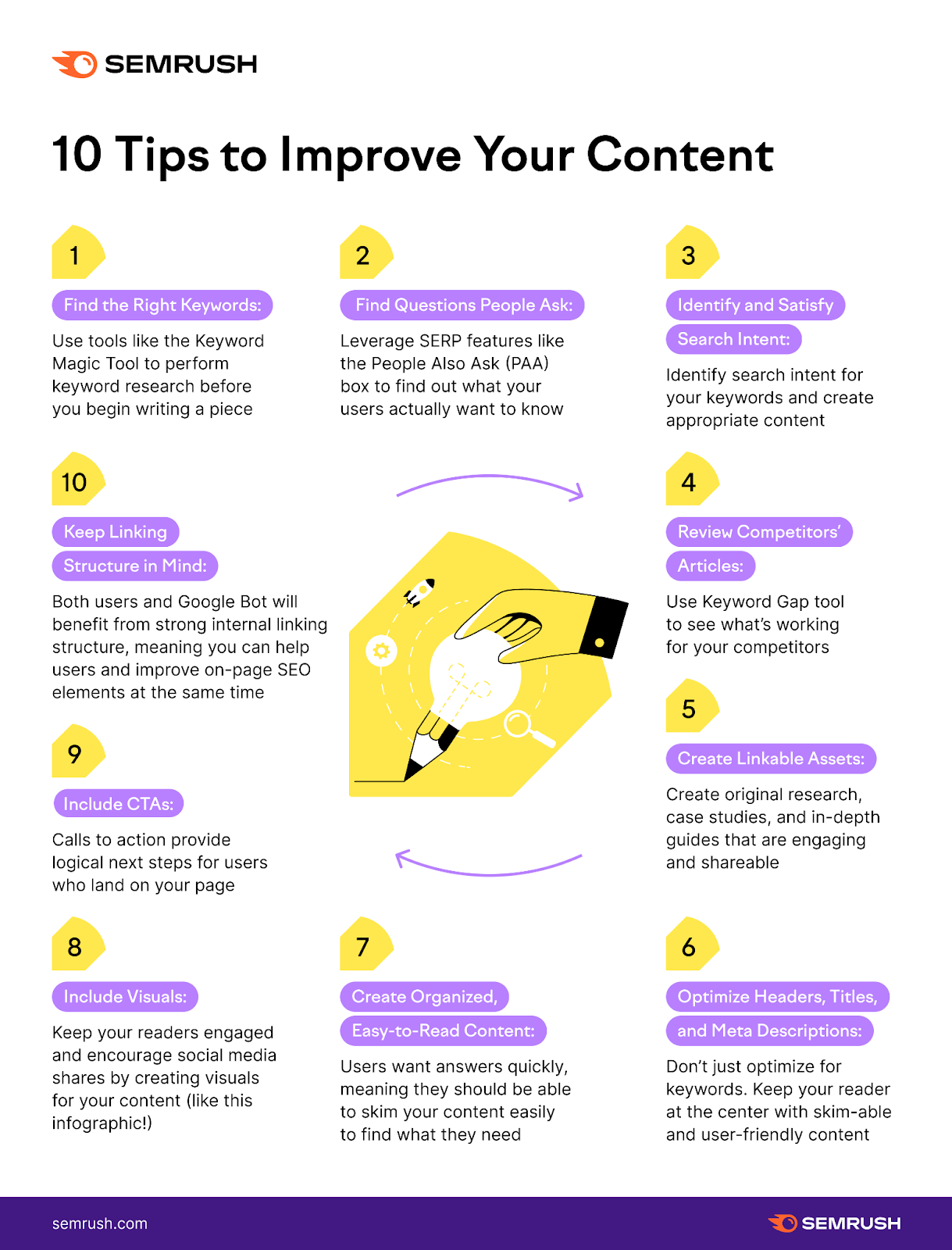
Credit: www.semrush.com
Seo Copywriting Basics
SEO copywriting is writing content that helps websites rank higher on search engines. It combines good writing and smart use of keywords. The goal is to attract visitors and keep them interested.
Clear, easy-to-read text works best. It should answer questions and solve problems for readers. SEO copywriting helps websites get found and bring real people to the page.
Key Elements Of Seo Copywriting
Keywords play a big role. They are the words people type into search engines. Using the right keywords in titles, headings, and body text helps content show up in search results.
Content must be useful and clear. It should provide answers and be easy to read. Short sentences and simple words make content better for all readers.
Headings and subheadings organize content. They help readers find what they want fast. They also make the page easier for search engines to understand.
Meta descriptions and tags add extra information about the page. They help search engines know what the content is about. This can improve click rates from search results.
How Seo Impacts Content Visibility
SEO affects where content appears in search results. Higher placement means more people see the page. More views can lead to more customers or followers.
Search engines use complex algorithms to rank pages. They look for relevant keywords, good structure, and useful content. Pages that match these needs rank higher.
Fast loading speed and mobile-friendly design also help. Search engines prefer websites that work well on all devices. This improves the user experience and boosts rankings.
Regularly updating content keeps it fresh. Search engines favor new and updated information. This can improve visibility over time.
Keyword Research Strategies
Keyword research is the first step in effective SEO copywriting. It helps you find the words people type into search engines. These words guide your content and boost its visibility online.
Good keyword research ensures your content reaches the right audience. It also increases the chances of ranking higher in search results. Focus on keywords that match your topic and audience needs.
Finding High-value Keywords
High-value keywords have good search volume and low competition. These keywords bring more visitors to your site. Use tools like Google Keyword Planner or Ubersuggest to find them.
Look for keywords that fit your content’s purpose. Include both short-tail and long-tail keywords. Long-tail keywords are more specific and easier to rank for.
Using Keywords Naturally
Place keywords where they fit naturally in sentences. Avoid stuffing keywords in awkward ways. This keeps your writing clear and enjoyable to read.
Use keywords in titles, headings, and throughout the text. Keep the flow smooth and logical. This helps both readers and search engines understand your content.
Crafting Compelling Headlines
Headlines are the first thing readers see. They decide if someone reads the full article or moves on. Crafting compelling headlines is key to attracting attention and clicks. A strong headline makes your content stand out in search results and social media feeds.
Good headlines are clear and spark curiosity. They tell readers what to expect. At the same time, they must include important keywords for SEO. Balancing creativity with strategy helps your article reach more people.
Techniques For Attention-grabbing Titles
Use numbers and lists to show clear value. For example, “5 Tips to Improve SEO Copywriting.”
Ask questions that match readers’ needs or problems. This invites them to find answers in your post.
Use strong, active verbs. They create energy and interest.
Keep headlines short, usually under 60 characters. This ensures full visibility on search engines.
Try to evoke emotion or curiosity. This encourages clicks without giving everything away.
Incorporating Keywords Effectively
Place main keywords near the start of your headline. This helps search engines understand your topic quickly.
Use natural language. Don’t force keywords in awkward ways.
Include one or two relevant keywords. Too many can make the headline confusing or spammy.
Match keywords with the user’s search intent. This improves your chance of ranking higher.
Test different keyword versions to see what works best for your audience.
Credit: nestify.io
Writing Engaging Content
Writing engaging content is key to effective SEO copywriting. It keeps readers interested and helps search engines understand your page. Good content balances useful information with easy reading. It should invite readers to stay longer and explore more.
Balancing Seo And Readability
SEO requires keywords, but too many can confuse readers. Use keywords naturally in sentences. Write short paragraphs and simple words. Break text with headings and lists. This makes content easy to scan and understand. The goal is smooth reading and good SEO at once.
Creating Valuable And Relevant Information
Content must answer questions readers have. Offer facts, tips, or solutions they need. Avoid filler or off-topic details. Focus on what matters most to your audience. Useful content builds trust and encourages visitors to return. Keep content clear and focused on reader needs.
Optimizing Content Structure
Optimizing content structure helps readers and search engines understand your message. Clear structure guides visitors through your text smoothly. It also improves user experience and boosts SEO rankings.
Well-organized content keeps visitors on the page longer. It reduces bounce rates and increases engagement. Simple structure makes your content easy to read and follow.
Using Subheadings And Bullet Points
Subheadings break content into smaller sections. They show readers what each part covers. This helps readers find key information fast.
Bullet points list ideas clearly. They make details easy to scan. Bullets highlight important facts or steps. This format keeps readers focused and interested.
Improving Scanability For Readers
Most people scan text instead of reading word by word. Use short paragraphs and clear subheadings. Highlight keywords naturally within the text.
Use white space to separate ideas. Avoid large blocks of text. This makes content less overwhelming and more inviting.
Enhancing Meta Descriptions And Tags
Meta descriptions and tags play a key role in SEO copywriting. They tell search engines and users what your page is about. Well-written meta descriptions and tags attract more clicks and improve your page ranking.
Optimizing these elements helps your content stand out in search results. Clear and concise tags make it easy for search engines to understand your page. This increases the chance of appearing higher in search results.
Crafting Click-worthy Meta Descriptions
Meta descriptions should be short and informative. Use simple words to explain what the page offers. Include your main keyword naturally. Keep the length between 120 and 160 characters.
A good meta description answers a question or solves a problem. It creates interest without giving everything away. This encourages users to click and learn more.
Optimizing Title Tags For Search Engines
Title tags must be clear and contain important keywords. Place the main keyword near the beginning of the title. Keep the length under 60 characters to avoid cutting off in search results.
Titles should describe the page content accurately. Avoid keyword stuffing or making titles too long. A strong title tag improves visibility and click rates.
Incorporating Internal And External Links
Incorporating internal and external links improves SEO and user experience. Links guide readers to related content within your site. They also connect users to trustworthy sources outside your site. This helps build authority and trust. Proper linking keeps visitors engaged and helps search engines understand your content better.
Building A Strong Internal Linking Strategy
Internal links connect pages on your own website. Use them to guide visitors to related articles. This helps reduce bounce rates and keeps users on your site longer. Link to important pages from blog posts and product descriptions. Use clear, simple anchor text that describes the linked page. Avoid overloading pages with too many links. Keep the structure logical and easy to follow.
Choosing Quality External Links
External links point to other websites. Choose links from trusted, authoritative sites only. This adds credibility to your content and helps SEO. Link to relevant sources that add value to your topic. Avoid linking to low-quality or spammy sites. Check that external links work and lead to useful pages. Use external links to support facts or provide further reading.
Measuring Seo Copywriting Success
Measuring SEO copywriting success helps understand how well your content works. It shows which parts attract visitors and which need improvement. This process uses data to see if your writing brings more readers and keeps them interested.
Tracking results is key to making smart changes. Without measurement, you can only guess what works. Let’s explore two main ways to measure SEO copywriting success.
Tracking Rankings And Traffic
Rankings show where your page appears on search engines. Higher ranks usually mean more visitors. Tracking rankings helps see if your keywords perform well. Use tools like Google Search Console for this data.
Traffic measures how many people visit your site. More traffic often means your content attracts readers. Watch traffic trends over time to find growth or drops. Combine rankings and traffic to get a clear picture.
Analyzing User Engagement Metrics
User engagement shows how visitors interact with your content. Metrics like time on page and bounce rate reveal interest levels. Longer visits and low bounce rates mean readers find value. Check page views and scroll depth to understand behavior.
Engagement helps improve content quality. It points to what keeps readers and what loses them. Use these insights to refine your SEO copywriting for better results.
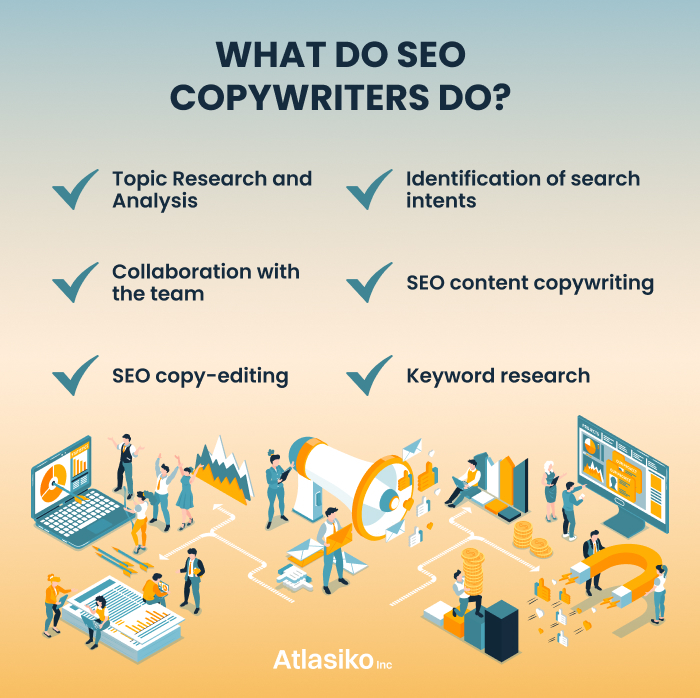
Credit: atlasiko.com
Frequently Asked Questions
What Is Seo Copywriting And Why Is It Important?
SEO copywriting is writing content optimized for search engines and readers. It improves website ranking and attracts targeted traffic. It balances keyword use with engaging, relevant content. This helps businesses increase visibility and drive conversions effectively.
How Do Keywords Affect Seo Copywriting Success?
Keywords guide search engines to understand content relevance. Proper keyword placement boosts rankings without keyword stuffing. Using relevant keywords improves user experience and attracts the right audience. Effective keyword research is crucial for SEO copywriting success.
What Makes Seo Copywriting Different From Regular Writing?
SEO copywriting focuses on search engine visibility alongside readability. It uses strategic keywords and meta elements. Regular writing prioritizes creativity without SEO considerations. SEO copywriting aims to drive organic traffic and improve search rankings.
How Can Seo Copywriting Improve Website Traffic?
SEO copywriting targets relevant keywords and user intent. It creates valuable, engaging content that ranks higher in search results. Higher rankings lead to increased organic traffic. Consistent SEO copywriting builds authority and trust with audiences.
Conclusion
SEO copywriting helps your website get noticed by search engines and readers. Writing clear, simple content keeps visitors interested and coming back. Using keywords naturally improves your page ranking without sounding forced. Good SEO copy connects with people and search tools alike.
Keep practicing to write better content that reaches more readers. Small changes make a big difference over time. Focus on helpful, easy-to-read text. Your website will grow step by step.