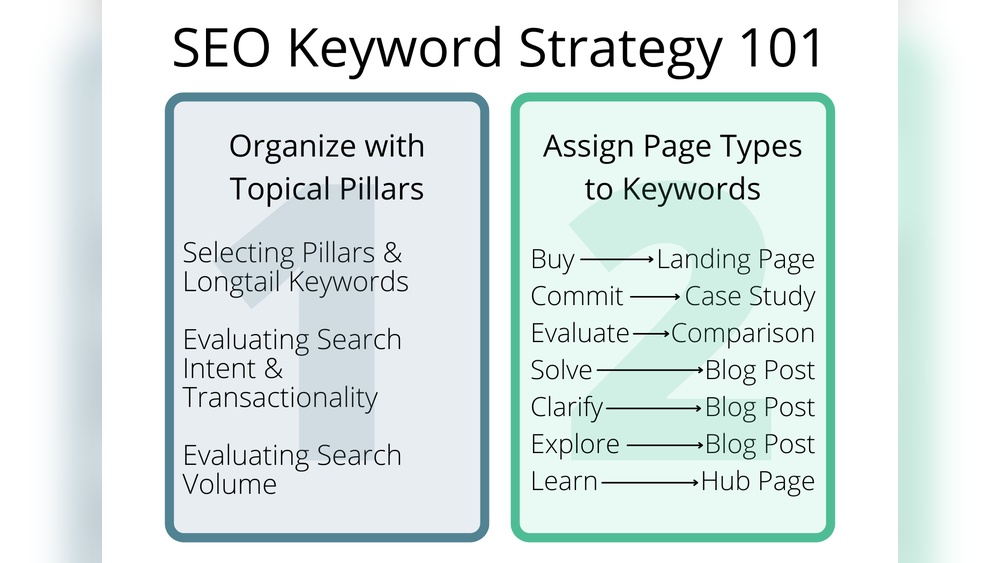
Are you struggling to get your website noticed? The secret often lies in choosing the right SEO keywords.
These simple words can boost your traffic, attract the right audience, and help your content rank higher on search engines. Imagine turning your website into a magnet that draws visitors eager for what you offer. You’ll discover how to find and use SEO keywords that work for your goals.
Keep reading, and watch your online presence grow stronger with every click.
Importance Of Seo Keywords
SEO keywords are the words and phrases people type into search engines. They help connect your website to what users need. Using the right keywords makes your content easier to find online.
Without good keywords, your website may stay hidden in search results. Choosing strong keywords guides your content and attracts the right visitors. It also helps search engines understand your site better.
Improves Search Engine Ranking
Keywords tell search engines what your page is about. When you use relevant keywords, your page appears higher in search results. Higher ranks mean more visitors and more chances to share your message.
Attracts Targeted Traffic
Using specific keywords draws visitors who want what you offer. These visitors are more likely to stay, read, and take action. Targeted traffic increases sales, leads, or engagement on your site.
Guides Content Creation
Keywords help you decide what topics to write about. They show what people are searching for. This makes your content useful and relevant to your audience’s needs.
Helps Understand User Intent
Keywords reveal why people search certain terms. Knowing this helps you create content that answers their questions. Meeting user intent improves user experience and trust.
Types Of Seo Keywords
SEO keywords are vital for improving your website’s visibility. They help search engines understand your content. Different types of keywords serve different purposes. Knowing the types helps you choose the best ones for your strategy.
Short-tail Keywords
Short-tail keywords are brief and broad. They usually contain one or two words. For example, ”shoes” or ”coffee.” These keywords have high search volume. Many websites compete for them. They bring more traffic but less targeted visitors.
Long-tail Keywords
Long-tail keywords are longer and more specific. They often have three or more words. For example, ”best running shoes for women.” These keywords have lower search volume. They attract visitors with clear intent. Long-tail keywords can increase conversion rates.
Lsi Keywords
LSI stands for Latent Semantic Indexing. These keywords are related terms and phrases. They help search engines understand the content better. For example, for ”apple,” LSI keywords could be ”fruit,” ”orchard,” or ”nutrition.” Using LSI keywords improves content relevance.
Keyword Research Tools
Keyword research tools help find the best words to use in your content. These tools show which keywords people type in search engines. They also reveal how hard it is to rank for those words. Using the right tool saves time and improves your SEO efforts.
Free Tools
Free keyword research tools provide basic features at no cost. Google Keyword Planner is popular and easy to use. It gives data about search volume and competition. Another tool, Ubersuggest, offers keyword ideas and simple analysis. These tools work well for beginners and small projects.
Paid Tools
Paid tools offer more detailed data and advanced features. SEMrush and Ahrefs are top choices for many SEO experts. They provide keyword difficulty scores, competitor analysis, and trend tracking. Paid tools help create better strategies for bigger websites and businesses.
Choosing The Right Tool
Pick a tool based on your budget and needs. Free tools suit small sites or first-time users. Paid tools fit larger projects needing deep research. Test a few tools to see which feels easy and useful. The right tool helps find keywords that bring real traffic.
Credit: backlinko.com
Finding High-impact Keywords
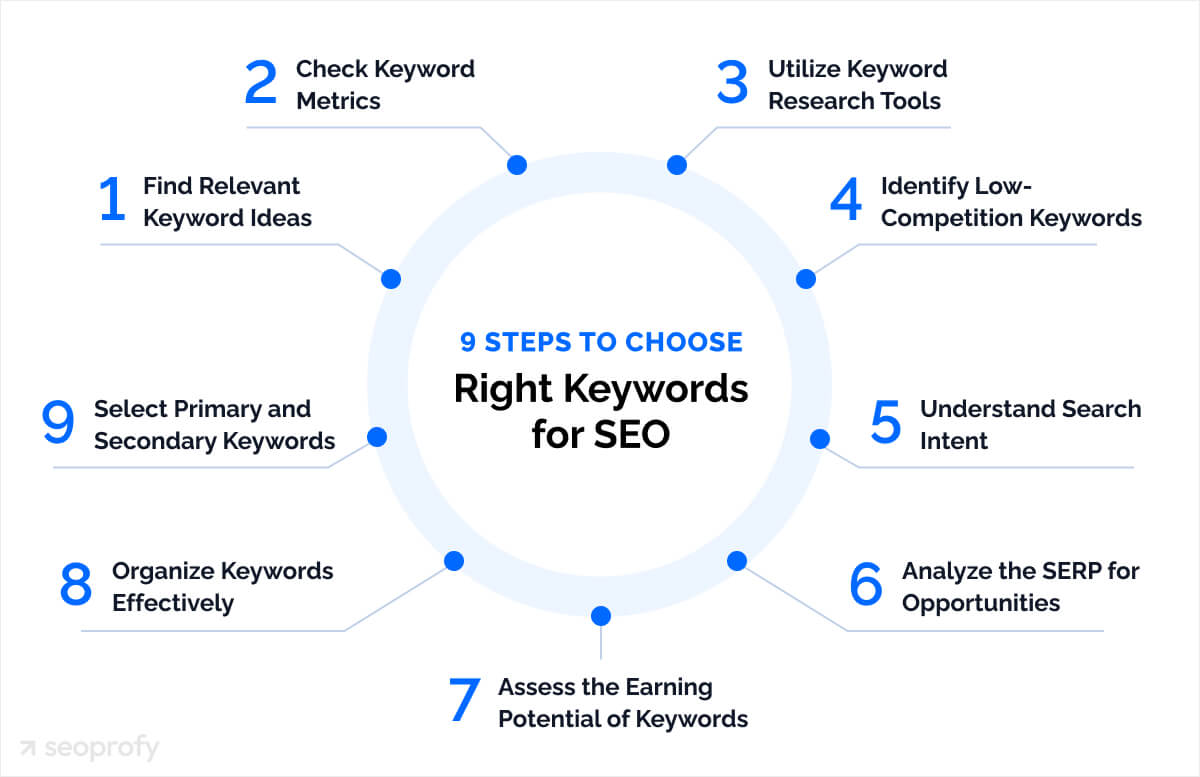
Finding high-impact keywords is key to boosting your website’s traffic. These keywords help your content reach the right audience. Choosing the right words means more visitors and better engagement.
This process starts with research and analysis. It requires looking at what others do, understanding search goals, and checking keyword data. These steps guide you to words that bring real value.
Analyzing Competitors
Check what keywords your competitors use. Notice which terms rank well for them. This shows what works in your niche. Use tools to find their top keywords. Learn from their strengths and gaps.
Identifying Search Intent
Understand why people search certain words. Are they looking to buy, learn, or find a place? Match your keywords with these goals. This makes your content helpful and clear. It attracts visitors who want what you offer.
Using Keyword Metrics
Look at numbers like search volume and difficulty. High search volume means many people search the word. Low difficulty means easier ranking. Balance these metrics to pick smart keywords. This helps your site grow steadily.
On-page Keyword Optimization
On-page keyword optimization helps search engines understand your content better. It improves your website’s visibility in search results. Proper keyword placement guides both users and search engines through your pages. This boosts your chances of ranking higher and attracting relevant traffic.
Title Tags And Meta Descriptions
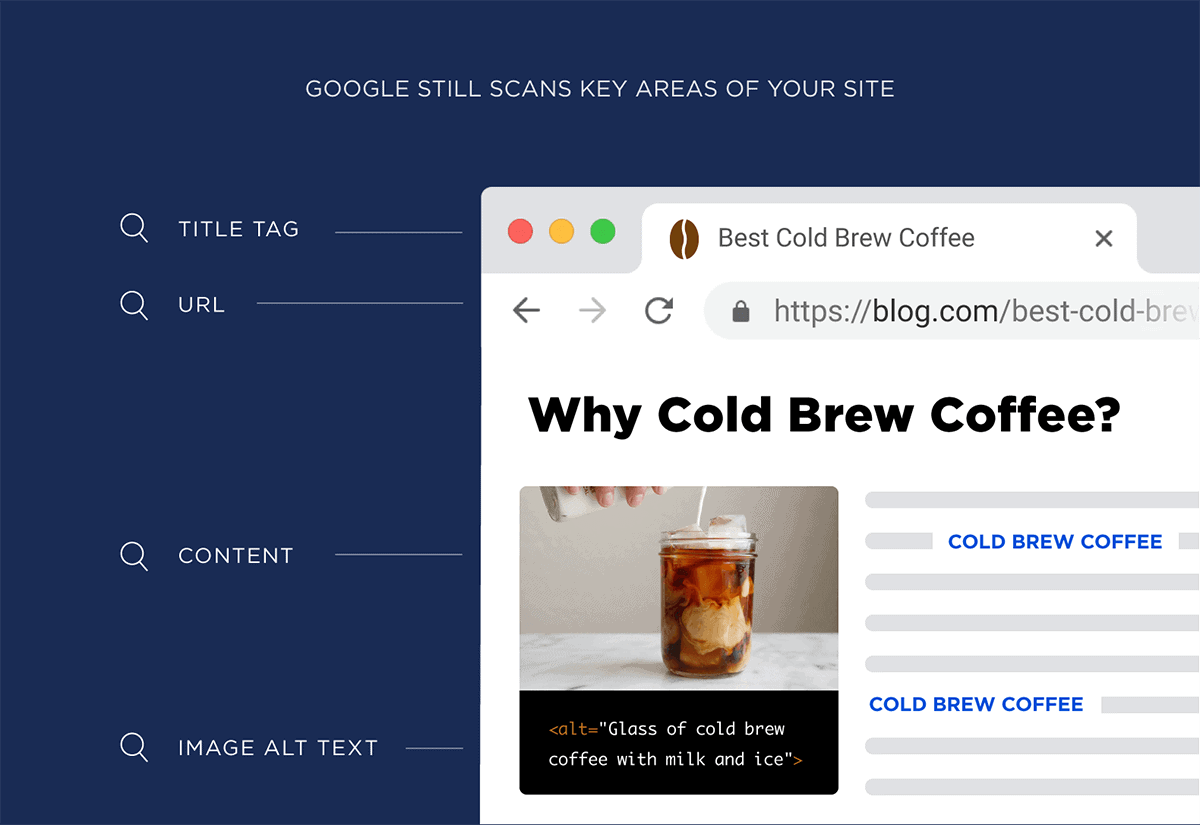
Title tags should include your main keywords naturally. Keep titles clear and under 60 characters. Meta descriptions provide a summary for search results. Use keywords here, but keep descriptions under 160 characters. This helps users decide if your page matches their search.
Header Tags
Headers organize your content and highlight key topics. Use H1 for the main title and H2 or H3 for subheadings. Place keywords in headers to signal important sections. This makes content easier to read and index.
Content Integration
Use keywords evenly throughout your text. Avoid stuffing keywords unnaturally. Write for people first, then search engines. Include synonyms and related terms to improve relevance. Keep sentences short and clear to hold reader attention.
Image Alt Text
Describe images with clear, keyword-rich alt text. This helps search engines understand visuals. Alt text also improves accessibility for users with disabilities. Be specific and concise when writing alt descriptions.
Credit: seoprofy.com
Keyword Placement Best Practices
Placing keywords correctly improves your site’s visibility in search engines. It helps both users and search engines understand your content better. Good keyword placement boosts ranking and drives relevant traffic.
Follow clear and simple practices for keyword placement. Avoid stuffing or unnatural use. Keep your content natural and easy to read. Focus on key spots where keywords matter most.
Url Structures
Include main keywords in your URL to describe the page. Short and clear URLs work best. Avoid long strings of numbers or irrelevant words. A clean URL helps users and search engines quickly identify the page topic.
Example: use /best-seo-tips instead of /page?id=12345. This small change can improve your SEO and click rates.
Internal Linking
Link related pages within your site using keywords in the anchor text. This helps spread link value and improves site navigation. Use keywords that match the linked page’s topic.
Don’t overdo internal links; keep them relevant and natural. It guides visitors to other useful content and helps search engines crawl your site well.
Anchor Text
Anchor text is the clickable text in a link. Use descriptive keywords that reflect the linked page’s content. Avoid generic phrases like ”click here” or ”read more.”
Good anchor text improves SEO and user experience. It tells both users and search engines what to expect on the linked page.
Avoiding Keyword Stuffing
Keyword stuffing means using the same keyword too many times in your content. This practice can make your text hard to read and may lower your site’s ranking on search engines. Avoid keyword stuffing by writing clearly and naturally. Focus on quality content that helps your readers.
Maintaining Natural Flow
Write sentences that sound smooth and easy. Use keywords only where they fit well. Don’t force keywords into places where they feel awkward. Good flow keeps readers engaged and helps search engines understand your content better.
Using Synonyms And Variations
Use different words that mean the same as your main keyword. Change the form of the keyword, like plural or verb forms. This variety makes the text more interesting and natural. It also improves your chances to rank for related search terms.

Credit: www.toptal.com
Tracking Keyword Performance
Tracking keyword performance is key to effective SEO. It shows how well your keywords bring visitors to your site. By watching keyword data, you learn which terms work best. This helps you focus on the right words and improve your rankings over time.
Ranking Monitoring
Check your keyword rankings regularly. See where your pages appear in search results. Use tools to track daily or weekly changes. Notice if your keywords move up or down. This helps spot problems early and find new opportunities.
Traffic Analysis
Look at the traffic each keyword drives to your site. Count visitors coming from search engines. Check how long they stay and what they do. Understand which keywords bring quality visitors. This guides you to focus on terms that bring real interest.
Adjusting Strategies
Use performance data to change your SEO plans. Drop keywords that do not bring traffic or rank well. Add new keywords based on trends and research. Improve content to match user intent better. Keep testing and refining to get better results.
Advanced Keyword Strategies
Advanced keyword strategies help improve your website’s search ranking. They focus on specific types of keywords that match how people search today. These strategies reach users in different ways and at different times. Understanding these methods boosts your SEO effectiveness and drives more relevant traffic.
Voice Search Optimization
Voice search uses natural language and questions. People speak differently than they type. Use keywords that sound like spoken phrases. Include long-tail keywords with question words like “how,” “what,” and “where.” This helps your content appear in voice search results. Make your answers clear and simple.
Local Seo Keywords
Local SEO targets people near your business location. Use keywords with city or neighborhood names. Add terms like “near me” or “close by.” This strategy brings in local customers ready to buy or visit. Keep your business info consistent across all platforms to improve local ranking.
Trending And Seasonal Keywords
Trending keywords reflect current events or popular topics. Seasonal keywords relate to holidays or times of year. Use tools to find these keywords quickly. Update your content to include them while they are relevant. This attracts visitors interested in timely subjects and boosts short-term traffic.
Frequently Asked Questions
What Are Seo Keywords And Why Are They Important?
SEO keywords are terms users type into search engines. They help websites rank higher and attract relevant traffic. Using the right keywords improves visibility and drives organic visitors to your site, boosting engagement and conversions.
How Do I Find The Best Seo Keywords?
Use keyword research tools like Google Keyword Planner or Ahrefs. Analyze search volume, competition, and relevance. Focus on long-tail keywords for targeted traffic. This ensures you attract visitors actively searching for your content or products.
How Many Seo Keywords Should I Use Per Page?
Aim for 3 to 5 primary keywords per page. Overusing keywords can lead to penalties. Focus on natural integration and user experience. Proper keyword placement enhances SEO without sacrificing readability.
Can Seo Keywords Improve My Website’s Ranking Quickly?
SEO keywords help improve rankings but results take time. Consistent optimization and quality content are essential. Patience and ongoing efforts yield better, long-lasting ranking improvements.
Conclusion
Choosing the right SEO keywords boosts website traffic and visibility. Focus on words your audience uses when searching. Use a mix of short and long keywords for best results. Keep updating keywords as trends change. Track your results to see what works well.
Clear keywords help search engines find your content faster. Simple, relevant keywords make your site easier to find. Consistent effort improves your ranking step by step. Small changes lead to better search engine presence. Stay patient and keep refining your keyword strategy.