Are you struggling to get your website noticed? Without a clear SEO roadmap, it’s easy to feel lost and waste time on strategies that don’t work.
Imagine having a simple, step-by-step guide that shows you exactly what to do to boost your rankings and attract more visitors. This article will give you that roadmap. You’ll learn how to plan your SEO efforts, avoid common mistakes, and see real results faster than you thought possible.
Keep reading, and you’ll discover the path to making your website stand out.

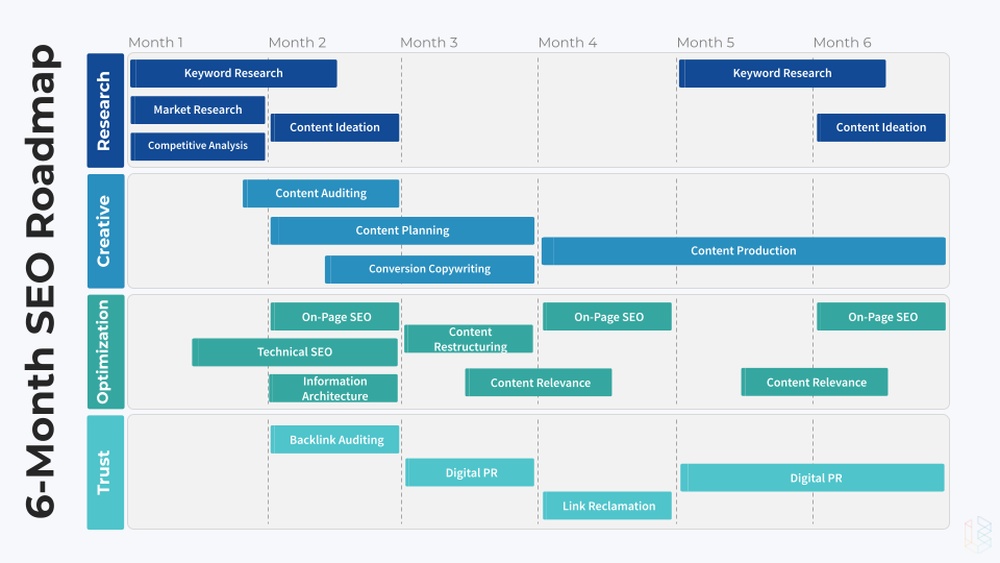
Credit: backlinko.com
Seo Basics
SEO Basics form the foundation of all search engine optimization efforts. Understanding these basics helps you improve your website’s visibility. It also drives more organic traffic from search engines.
SEO is not just about keywords. It’s about how search engines read and rank your content. This section breaks down the core elements of SEO to get you started.
Key Seo Concepts
SEO stands for Search Engine Optimization. It means making your website easy for search engines to find and understand. Keywords are words or phrases people type in search bars. Using the right keywords helps your site show up in search results.
Other key concepts include on-page SEO, which means optimizing content and tags on your site. Off-page SEO involves building links from other websites. Both types help increase your site’s authority and ranking.
How Search Engines Work
Search engines use bots to scan the web. These bots collect information about pages and store it in a huge index. When someone searches, the engine looks through this index to find the best match.
The engines use algorithms to decide which pages appear first. They check relevance, page quality, and user experience. This process happens in seconds for every search query.
Types Of Seo
There are three main types of SEO: on-page, off-page, and technical. On-page SEO focuses on content and keywords on your website. Off-page SEO is about links and social signals from other sites.
Technical SEO improves the website’s backend. This includes site speed, mobile-friendliness, and proper coding. Each type plays a role in boosting your site’s search ranking.
Keyword Research
Keyword research is the first step in any SEO roadmap. It helps find the words people use to search online. These words guide your content and SEO strategy. Good keywords bring more visitors to your website. They connect your content with what users want.
Finding High-value Keywords
High-value keywords attract many visitors and have low competition. These keywords bring the right audience to your site. Focus on specific phrases that match your content well. Use simple terms that people often search for. This makes your site easier to find.
Analyzing Competitor Keywords
Look at keywords your competitors use. This shows what works in your market. Find gaps where your site can rank better. Use these insights to improve your keyword list. This helps you stay ahead in search results.
Using Keyword Tools
Keyword tools make research faster and easier. They provide data on search volume and competition. Use tools like Google Keyword Planner or Ubersuggest. These tools suggest keywords and show trends. They help pick the best keywords for your content.
On-page Optimization
On-page optimization is a key step in any SEO roadmap. It helps search engines understand your website better. It also improves user experience. This leads to higher rankings and more traffic.
Focus on elements that you can control directly on your site. These include titles, meta descriptions, content, URLs, and internal links. Each part plays a role in boosting your visibility online.
Optimizing Titles And Meta Descriptions
Titles and meta descriptions appear in search results. They must clearly describe the page content. Use important keywords naturally in titles. Keep titles under 60 characters for best display.
Meta descriptions should be concise, about 150-160 characters. Write them to encourage clicks. Avoid stuffing keywords. Make each description unique to the page.
Improving Content Quality
Content must be clear, useful, and easy to read. Write short sentences and simple words. Focus on answering common questions. Use headings and lists to organize information.
Update content regularly. Remove outdated or irrelevant parts. Good content keeps visitors longer and lowers bounce rates. This signals value to search engines.
Url Structure And Internal Linking
URLs should be short and include main keywords. Avoid complex or long strings of numbers. A clean URL helps users and search engines understand the page.
Internal links connect related pages within your site. They guide visitors and distribute page authority. Use descriptive anchor text that matches the linked page topic.
Technical Seo
Technical SEO is the foundation of a strong website. It helps search engines find, crawl, and index your pages easily. Without solid technical SEO, your site can lose rankings and visitors. This section covers key elements to improve your site’s technical health.
Site Speed And Mobile Optimization
Fast-loading sites keep visitors happy and reduce bounce rates. Slow pages frustrate users and hurt rankings. Optimizing images, enabling browser caching, and minimizing code improves speed.
Mobile optimization is crucial. More users browse on phones than desktops. A responsive design adapts to any screen size. This ensures a smooth experience for all visitors.
Fixing Crawl Errors
Crawl errors stop search engines from reading your pages. Common errors include broken links and server issues. Regularly check Google Search Console for these problems.
Fixing errors lets search engines index your content fully. It also helps visitors avoid dead ends and frustration. Clean site architecture guides crawlers to your best pages.
Implementing Structured Data
Structured data tells search engines about your content clearly. It uses code to highlight important details like reviews, events, and products. This helps search engines show rich results.
Rich results stand out in search listings and attract clicks. Adding schema markup boosts your chances of appearing with stars, prices, or images. It improves visibility and user trust.
Content Strategy
Content strategy shapes how your website gains traffic and keeps visitors. It guides what you write and how often you publish. Good content helps search engines understand your site. It also builds trust with your audience. A clear plan ensures every piece of content has a purpose.
Creating Seo-friendly Content
Write with keywords that people search for. Use short sentences and simple words. Break text into small paragraphs for easy reading. Include headings to organize ideas clearly. Use meta descriptions to explain page content briefly. Avoid keyword stuffing; keep the flow natural. Focus on answering common questions your readers have.
Content Calendars And Updates
Plan your posts ahead with a content calendar. Set dates for publishing and updating pages. Regular updates keep your site fresh and relevant. Check old content for accuracy and improve it. Consistency helps search engines notice your activity. It also builds a loyal audience that expects new content.
Using Multimedia For Engagement
Add images, videos, and infographics to your content. Multimedia makes your pages more interesting and clear. It helps explain complex ideas simply. Use descriptive alt text for images to boost SEO. Videos can increase the time visitors stay on your site. Keep files optimized to avoid slow loading times.
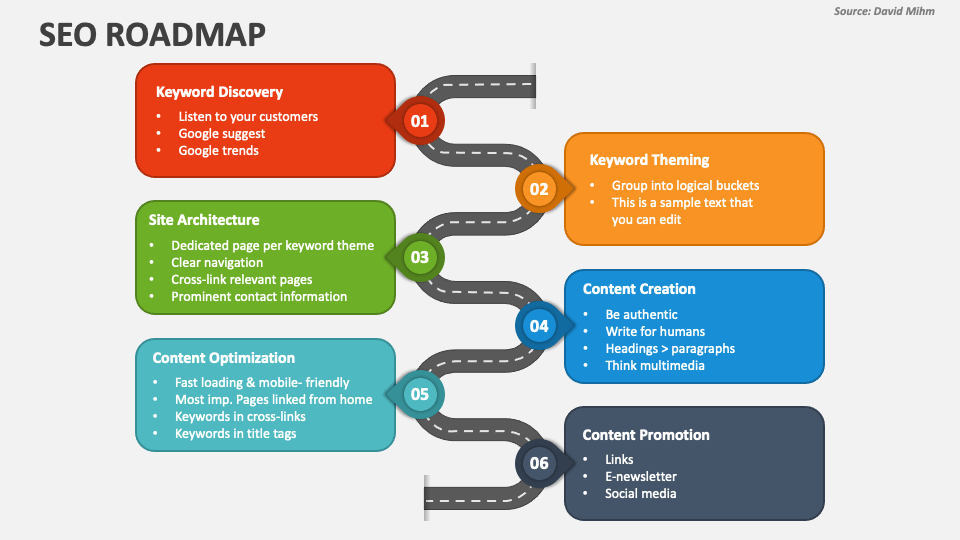
Credit: www.collidu.com
Link Building
Link building is a key part of SEO. It helps search engines find your site and trust your content. Backlinks from good websites show that your site has value. This can boost your rankings and bring more visitors.
Building strong links takes time and effort. Quality matters more than quantity. Focus on creating real connections and useful content that others want to share.
Earning Quality Backlinks
Quality backlinks come from sites with good reputation. Aim for links from sites related to your niche. These links help search engines see your site as reliable.
Create helpful content that others want to reference. Write guides, share data, or offer unique insights. This attracts natural links without asking.
Guest Posting And Outreach
Guest posting means writing articles for other websites. Choose sites with good authority and similar topics. Include a link back to your site in your post.
Outreach involves contacting site owners to share your content. Be polite and explain why your content adds value. Personal messages get better responses.
Avoiding Black Hat Techniques
Black hat link building tricks can harm your site. Avoid buying links or using link farms. These tactics can lead to penalties from search engines.
Focus on honest, white hat methods. Build links naturally by creating good content and forming real relationships. This keeps your SEO safe and steady.
Tracking And Analytics
Tracking and analytics form the backbone of any SEO strategy. They show how well your efforts work. With clear data, you can make smart choices. This helps your website grow and reach more people.
Setting Up Seo Tools
Start by installing essential SEO tools. Google Analytics and Google Search Console are key. They collect data about visitors and site performance. Make sure to link these tools with your website. This setup helps track user behavior and site health easily.
Monitoring Keyword Rankings
Check how your keywords rank regularly. Use tools like Ahrefs or SEMrush for updates. Tracking rankings shows which keywords bring traffic. It also helps find weak spots to improve. Adjust your content based on these insights.
Analyzing Traffic And Conversions
Look beyond visits and study conversions. Know which pages turn visitors into customers. Use Google Analytics goals to track actions. Analyze traffic sources to find your best channels. This data guides your marketing and SEO plans.
Common Seo Mistakes
Many websites fail to get good traffic due to SEO mistakes. These errors stop search engines from ranking pages well. Understanding common SEO mistakes helps avoid them. It saves time and improves site visibility.
Below are some frequent SEO errors that hurt website performance. Fixing these issues leads to better search rankings and user experience.
Overusing Keywords
Using too many keywords in content is harmful. It makes text hard to read and looks spammy. Search engines may lower your rank for keyword stuffing. Focus on natural writing with keywords placed wisely. Balance is key to keep readers and search engines happy.
Ignoring Mobile Users
Many people use phones to browse the web. Sites not optimized for mobile lose visitors fast. Mobile-friendly design improves user experience and ranking. Simple layouts and fast loading times help mobile users stay longer on your site.
Neglecting Site Security
Security affects SEO more than many realize. Sites without HTTPS show warnings to visitors. Search engines prefer secure sites and rank them higher. Protect your site with SSL certificates to build trust and improve SEO.
Advanced Seo Tactics
Advanced SEO tactics help websites stay ahead in search rankings. They focus on new trends and technologies. These tactics improve user experience and reach. Applying them correctly boosts site visibility and traffic.
Voice Search Optimization
Voice search is growing fast. People use smart speakers and phones to ask questions. Websites must include natural phrases and questions. Use simple language and long-tail keywords. Optimize for local and conversational queries. Quick answers improve chances to appear in voice results.
Leveraging Ai And Automation
AI tools analyze data to find SEO opportunities. Automation helps with tasks like keyword research and content creation. Use AI to track trends and user behavior. It saves time and improves accuracy. Keep human oversight to ensure content quality and relevance.
Local Seo Strategies
Local SEO focuses on nearby customers. Claim and update your Google My Business profile. Use local keywords in titles and descriptions. Encourage reviews and respond to them. Create content about local events and news. This builds trust and attracts local visitors.
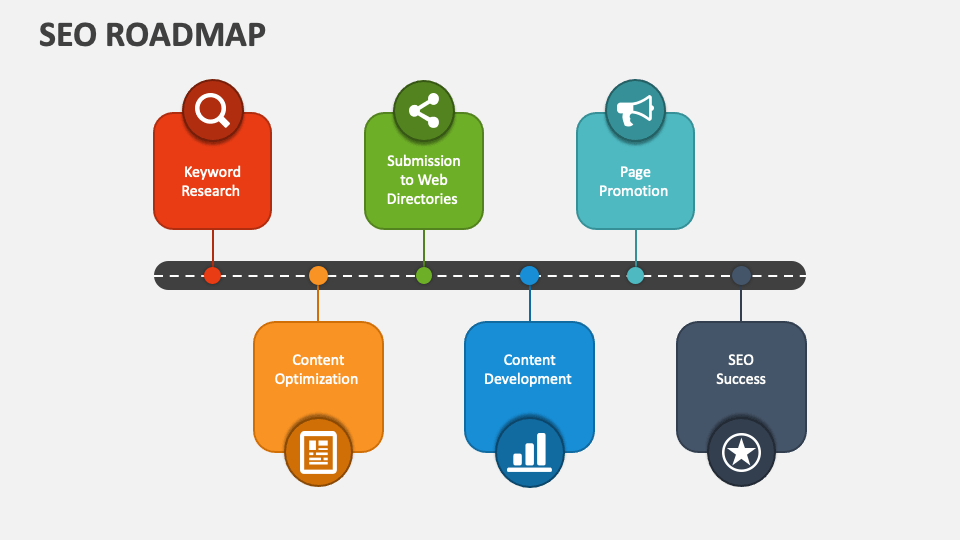
Credit: www.sevenstarwebsolutions.com
Frequently Asked Questions
What Is An Seo Roadmap And Why Is It Important?
An SEO roadmap is a strategic plan outlining SEO tasks and goals. It helps prioritize efforts, track progress, and improve website ranking systematically.
How Do I Create An Effective Seo Roadmap?
Start by analyzing your website and competitors. Set clear goals, identify keywords, plan content, and schedule technical SEO tasks for steady growth.
What Key Elements Should An Seo Roadmap Include?
An SEO roadmap should include keyword research, on-page SEO, content strategy, backlink building, technical fixes, and regular performance tracking.
How Often Should I Update My Seo Roadmap?
Update your SEO roadmap quarterly or after major algorithm changes. Regular updates ensure your strategy stays relevant and effective.
Conclusion
A clear SEO roadmap guides your website’s growth step by step. Focus on keywords, content, and links to improve rankings. Track your progress and adjust your plan as needed. Stay patient; SEO results take time to show. Keep learning and applying new strategies regularly.
Success comes from steady, consistent work and smart choices. Follow this path to make your site more visible and helpful to visitors.