If you want your website to get noticed and rank higher on search engines, having a clear SEO roadmap is key. Without a plan, it’s easy to get lost in a sea of confusing tactics and wasted effort.
This SEO roadmap will guide you step-by-step, showing you exactly what to do to boost your online presence. By following it, you’ll save time, avoid common mistakes, and see real results. Ready to take control of your SEO and watch your traffic grow?
Keep reading—your roadmap to success starts here.
Seo Basics
SEO Basics form the foundation of search engine optimization. Understanding these basics helps you improve your website’s visibility. It sets the path for better ranking on search engines. This section covers how search engines work, important SEO terms, and types of SEO.
How Search Engines Work
Search engines find and show websites based on user queries. They use bots to crawl web pages across the internet. These bots collect data and add it to a large index. When someone searches, the engine looks through this index. It ranks pages by relevance and quality. The goal is to show the best answers first.
Key Seo Terms
SEO has many terms that help explain its process. Keywords are words people type into search engines. Meta tags provide information about a page to search engines. Backlinks are links from other websites to your site. They increase your site’s trust and authority. Organic traffic means visitors who find your site naturally.
Types Of Seo
SEO divides into three main types. On-page SEO focuses on content and HTML elements on your site. Off-page SEO involves actions outside your website, like backlinks. Technical SEO improves site speed, mobile-friendliness, and indexing. Each type works together to boost your site’s ranking.
Keyword Research
Keyword research is the first step in any SEO plan. It helps find the words people type in search engines. These words guide your content and strategy. Choosing the right keywords drives more visitors to your site. It also helps you understand what your audience wants.
Finding High-impact Keywords
High-impact keywords bring the most visitors and leads. These keywords match what users often search for. Focus on words with good search volume and low competition. Use simple and clear terms related to your topic. Prioritize keywords that fit your content and audience needs.
Analyzing Competitor Keywords
Checking competitor keywords reveals what works in your niche. Look at their top-ranking pages and keyword use. Find gaps where you can rank better. Use this insight to create unique and better content. This helps attract visitors from your rivals.
Using Keyword Tools
Keyword tools simplify the research process. They show search volume, trends, and competition data. Popular tools include Google Keyword Planner, Ubersuggest, and SEMrush. These tools help find new keyword ideas fast. They also guide your content planning and SEO focus.
On-page Optimization
On-page optimization is a key part of any SEO roadmap. It focuses on improving elements within your website. These changes help search engines understand your content better. They also make your site easier to use for visitors. Small tweaks can lead to big gains in rankings and traffic.
Optimizing Title Tags And Meta Descriptions
Title tags tell search engines what your page is about. Keep them clear and include main keywords. Meta descriptions describe the page content in a short sentence. Write them to attract clicks from search results. Both should be unique for every page.
Improving Content Quality
Good content answers user questions clearly and simply. Use short paragraphs and avoid jargon. Include keywords naturally without stuffing. Update content regularly to keep it fresh. High-quality content builds trust with readers and search engines.
Url Structure Best Practices
Simple URLs are easier to read and remember. Use words that describe the page topic. Avoid long strings of numbers or symbols. Separate words with hyphens, not underscores. Consistent URL structure helps both users and search engines.
Internal Linking Strategies
Internal links connect your pages to each other. They guide visitors to related content. Use clear anchor text that matches the linked page topic. This improves site navigation and spreads page authority. Proper internal linking boosts overall SEO performance.

Credit: www.slideteam.net
Technical Seo
Technical SEO is the foundation of a strong website. It ensures search engines can find, read, and index your pages easily. Without good technical SEO, your site may not rank well, no matter how good your content is.
This part of SEO focuses on the backend aspects of your website. It improves site speed, mobile experience, and how search engines crawl your site. Fixing technical issues helps search engines understand your content better. This leads to higher visibility and more traffic.
Enhancing Site Speed
Site speed affects user experience and rankings. Faster sites keep visitors engaged. Slow websites cause users to leave quickly. Use tools to measure your site speed. Optimize images and use caching to load pages faster. Minimize code and scripts to reduce load time.
Mobile-friendly Design
Most people use phones to browse the web. Mobile-friendly sites rank better in search results. Use responsive design to fit all screen sizes. Ensure buttons and text are easy to read on small screens. Avoid pop-ups that block content on mobile devices.
Fixing Crawl Errors
Crawl errors stop search engines from indexing your pages. Common errors include broken links and server issues. Regularly check your site for these problems. Use tools like Google Search Console for reports. Fix errors quickly to keep your site healthy.
Structured Data Implementation
Structured data helps search engines understand your content. It uses code to label important information like reviews and events. This can improve how your site appears in search results. Use schema markup to add structured data. Test your code to ensure it works correctly.
Content Strategy
Content strategy shapes the success of your SEO roadmap. It guides what you create, how often, and who you talk to. Good content builds trust and drives visitors to your site. It must be clear, useful, and easy to find.
Focus on creating content that answers questions and solves problems. Plan your topics carefully. Match content to what your audience wants at each stage. This keeps visitors interested and coming back for more.
Creating Engaging Content
Engaging content holds attention and encourages action. Use simple words and short sentences. Tell stories or share examples to make ideas clear. Break text into small parts for easier reading. Add images or videos to support your message.
Content Calendar Planning
A content calendar helps organize your publishing schedule. Decide what to post and when. This keeps your site fresh and active. Plan posts around key dates or events. It helps avoid last-minute rushes and missed deadlines.
Leveraging User Intent
Understanding user intent means knowing why people search. Are they looking to buy, learn, or compare? Tailor your content to meet these needs. Use keywords that match their questions. This improves your chances of ranking higher in search results.
Link Building
Link building is a key part of SEO. It helps websites gain authority and rank higher in search results. Good links from other sites show search engines that your content is trustworthy. This section covers how to find quality backlinks, reach out to others, and avoid harmful methods.
Identifying Quality Backlinks
Quality backlinks come from trusted and relevant websites. Look for sites with high domain authority and good content. Links from popular blogs, news sites, and educational pages carry more weight. Avoid links from spammy or unrelated sites. Check the link’s context and placement to ensure it fits naturally.
Outreach Techniques
Reach out politely and clearly to website owners. Personalize your message to show you value their site. Offer something useful in return, like guest posts or helpful content. Use email or social media to make contact. Follow up gently if you do not get a reply. Building relationships takes time but pays off.
Avoiding Black Hat Practices
Black hat link building tricks harm your website’s reputation. Avoid buying links or joining link farms. Do not use automated tools to create links quickly. These methods risk penalties from search engines. Focus on earning links naturally through quality content and honest outreach. Trust and patience build lasting SEO success.
Local Seo
Local SEO helps businesses appear in search results near their location. It connects customers with nearby stores or services. This type of SEO focuses on local searches to bring more foot traffic and calls.
Many users search with local intent, like ”coffee shop near me.” Optimizing for these searches increases visibility on Google Maps and local listings. Local SEO is essential for small and medium businesses to grow in their community.
Optimizing Google My Business
Google My Business (GMB) is a free tool to manage your local presence. Complete your profile with accurate business name, address, and phone number. Add business hours, photos, and a detailed description.
Regularly update your GMB profile to reflect changes. Respond to customer questions and reviews quickly. This builds trust and improves your local search ranking.
Local Citations And Reviews
Local citations are online mentions of your business name and address. Ensure your information is consistent across all directories. Examples include Yelp, Yellow Pages, and local business directories.
Positive reviews boost your reputation and ranking. Encourage happy customers to leave honest reviews. Reply politely to all reviews, even negative ones, to show good customer service.
Geo-targeted Keywords
Use keywords that include your city or neighborhood. Examples: ”plumber in Dallas” or ”best bakery in Brooklyn.” These keywords help search engines connect your site to local searches.
Place geo-targeted keywords in titles, meta descriptions, and content. Avoid overusing them to keep your writing natural. Local keywords guide the right customers to your business.
Measuring Seo Success
Measuring SEO success is key to knowing if your efforts work. It shows what needs change and what works well. Tracking the right data helps improve your SEO strategy over time.
Using Analytics Tools
Analytics tools give clear data about your website. They show how visitors find and use your site. Google Analytics is a popular tool. It tracks visits, bounce rates, and user behavior. This data helps spot trends and issues fast. Use it to check which pages perform best.
Tracking Keyword Rankings
Keyword rankings tell how well your site ranks in search engines. Track important keywords regularly. See if your pages move up or down in results. Rank tracking tools like SEMrush or Ahrefs make this easy. Focus on keywords that bring the most traffic. Adjust your content based on ranking changes.
Monitoring Traffic And Conversions
Traffic shows how many people visit your site. Conversions show if visitors take actions like buying or signing up. Watch both closely to measure success. High traffic with low conversions means something needs fixing. Use goals in analytics to track conversions. This helps improve your SEO efforts and business results.
Seo Trends And Updates
SEO is always changing. New trends and updates appear often. Staying current helps websites rank better and gain more visitors.
Understanding these trends is key to building a strong SEO roadmap. Focus on how search engines evolve and what users want.
Adapting To Algorithm Changes
Search engines update their algorithms regularly. These changes affect how sites are ranked. Websites that adapt quickly keep their traffic steady.
Monitor updates from Google and other engines. Adjust your content and keywords based on new rules. Avoid old SEO tricks that no longer work.
Voice Search Optimization
Many people use voice assistants to search online. Voice searches are often longer and more natural in tone. Content must match how people speak.
Use clear, simple language and answer common questions. Focus on local and conversational keywords. This improves chances to appear in voice search results.
Ai And Seo
Artificial intelligence helps search engines understand content better. AI tools can analyze user behavior and intent. This means content needs to be relevant and user-friendly.
Use AI tools to find popular topics and optimize your site. Create helpful, clear content that satisfies users’ needs. AI will keep shaping SEO strategies.
Credit: www.slidegeeks.com
Credit: mindmapai.app
Frequently Asked Questions
What Is An Seo Roadmap And Why Is It Important?
An SEO roadmap is a strategic plan for optimizing your website. It guides your SEO efforts step-by-step. This helps improve rankings, traffic, and conversions effectively. Without a roadmap, SEO actions can be inconsistent and less impactful.
How Do You Create An Effective Seo Roadmap?
Start by analyzing your website and competitors. Set clear SEO goals based on your business needs. Plan keyword research, on-page optimization, content creation, and link building. Schedule tasks with deadlines to track progress and results consistently.
What Key Elements Should An Seo Roadmap Include?
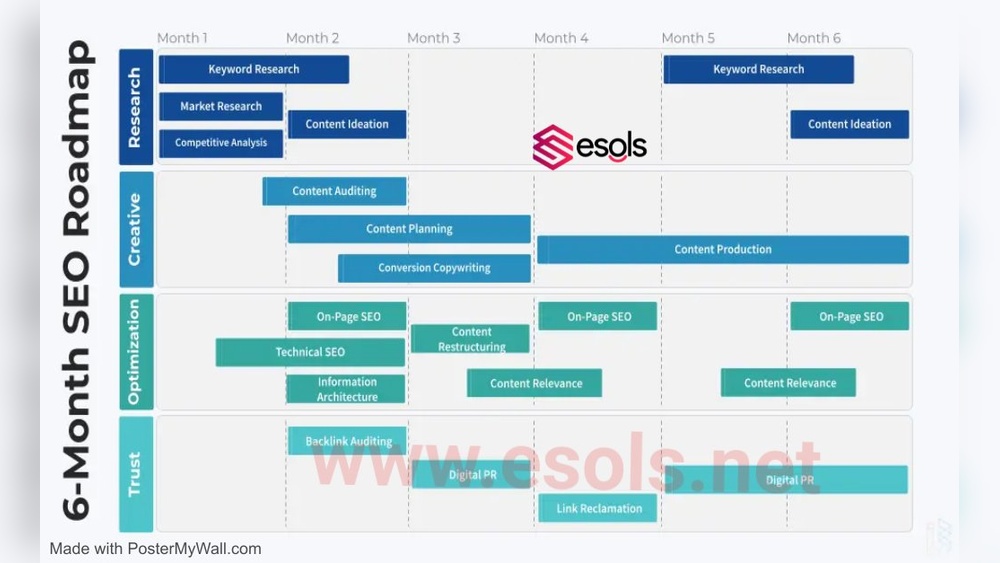
An SEO roadmap should include keyword research, technical SEO fixes, content strategy, link building, and performance tracking. Each step must have specific goals and timelines. This ensures a comprehensive approach to improve website visibility and user engagement.
How Often Should You Update Your Seo Roadmap?
Update your SEO roadmap every 3 to 6 months. SEO trends and algorithms change frequently. Regular updates keep your strategy aligned with current best practices and help maintain or improve your rankings.
Conclusion
A clear SEO roadmap guides your website’s growth step by step. Focus on quality content and strong keywords. Track your progress and adjust your tactics often. Small, steady changes lead to better search rankings. Stay patient and keep learning about SEO trends.
Success comes from consistent effort and smart planning. Your website will attract more visitors over time. Keep your goals clear and follow your plan closely. This approach makes SEO manageable and effective.