Is your website getting the attention it deserves? If you’re wondering why your site isn’t ranking higher on search engines, the answer might lie in a thorough SEO site audit.
You might be missing simple fixes that could boost your traffic and bring more visitors to your pages. This guide will help you uncover hidden issues, improve your site’s performance, and get ahead of your competitors. Keep reading to discover easy steps you can take right now to make your website work harder for you.
Importance Of Seo Site Audits
SEO site audits are key to keeping websites healthy and visible. They check how well a site performs and find hidden problems. Regular audits help websites stay strong against competitors.
Audits give clear insights into what works and what needs fixing. They help improve a site’s structure, content, and speed. This keeps visitors happy and search engines interested.
Impact On Search Rankings
Search engines like Google rank sites based on quality and relevance. SEO audits find issues that lower rankings. Fixing these problems can boost a site’s position in search results. Higher rankings mean more visitors and potential customers.
Identifying Website Issues
SEO audits reveal many website problems. Broken links, slow pages, and missing tags are common issues. These problems hurt both user experience and search rankings. Audits help spot and fix them quickly.
Enhancing User Experience
A good user experience keeps visitors on the site longer. SEO audits check page speed, navigation, and mobile-friendliness. Fixing these aspects makes the site easier to use. Happy visitors are more likely to return and share the site.
Key Components Of An Seo Audit
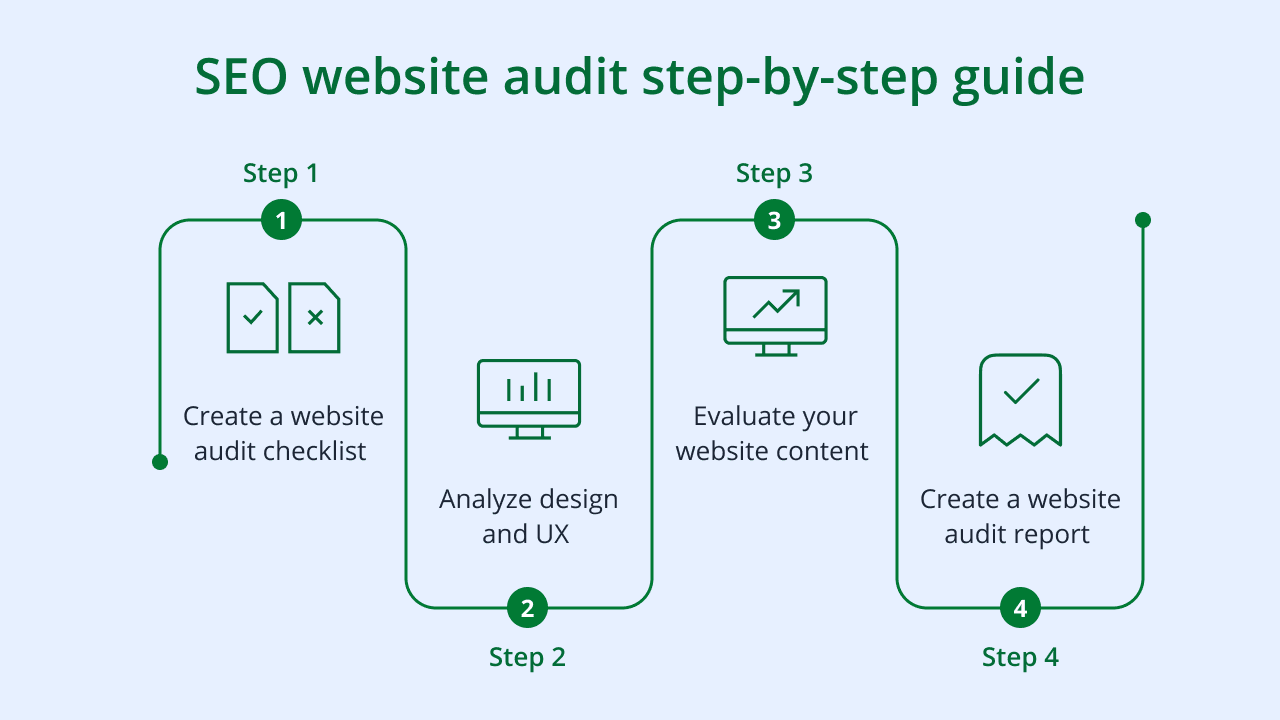
An SEO site audit checks a website’s health and performance. It helps find problems that stop sites from ranking high. The audit looks at many parts of a website. These parts work together to improve search engine results. Understanding each part is key to a good audit.
Technical Seo Analysis
This part checks how well the website works behind the scenes. It looks at site speed, mobile-friendliness, and URL structure. It finds broken links and crawl errors. Proper use of robots.txt and sitemap files is also tested. Technical SEO ensures search engines can access and read the site easily.
On-page Seo Evaluation
This review focuses on website content and HTML elements. It checks if titles, headers, and meta descriptions are optimized. The use of keywords in content and tags is analyzed. Proper image alt text and internal linking are important here. On-page SEO helps search engines understand page topics clearly.
Off-page Seo Review
This part looks at factors outside the website that affect ranking. It studies backlinks, their quality, and sources. Social signals and online reputation also matter. The goal is to see how other sites trust and link to the website. Strong off-page SEO builds authority and trust.
Content Quality Assessment
This step checks if the website content is useful and original. It looks for duplicate or thin content. Content must answer user questions and be easy to read. Regular updates and proper formatting improve content quality. Good content keeps visitors engaged and helps rankings.
Technical Seo Checks
Technical SEO checks are vital for a healthy website. They ensure search engines can find and understand your site. These checks improve user experience and boost your search rankings.
Technical issues can block search engines or slow down your site. Fixing these problems helps your site perform well for visitors and search engines alike.
Site Speed And Performance
Site speed affects both user experience and SEO rankings. Slow pages lead to high bounce rates. Compress images, use browser caching, and minify code to improve speed. Fast loading sites keep visitors engaged and improve search visibility.
Mobile-friendliness
Mobile-friendly sites rank better on search engines. Most users browse on mobile devices. Responsive design and easy navigation improve mobile experience. Test your site on different devices to ensure it looks good and works well everywhere.
Crawlability And Indexing
Search engines use crawlers to explore your site. Robots.txt and sitemap.xml guide these crawlers. Check for crawl errors and blocked pages. Proper indexing makes your pages visible in search results.
Fixing Broken Links
Broken links harm user experience and SEO. They lead visitors to dead ends. Use tools to find broken links regularly. Replace or remove broken links to keep your site healthy and trustworthy.
Credit: www.networksolutions.com
On-page Seo Factors
On-page SEO factors shape how search engines read and rank your website. These elements focus on the content and structure of your web pages. Optimizing these parts helps improve visibility and user experience. Small changes here can lead to better search results and more visitors.
Keyword Optimization
Choose keywords that match what users search for. Use them naturally in titles, headings, and content. Avoid stuffing keywords; keep the text clear and readable. Proper keyword placement guides search engines to understand your page’s topic.
Meta Tags And Descriptions
Meta tags tell search engines about your page. The title tag should be concise and include main keywords. Meta descriptions summarize the page content and attract clicks. Well-written meta tags improve your listing in search results.
Url Structure
URLs should be short, clear, and include keywords. Use hyphens to separate words. Clean URLs are easier to read for both users and search engines. Avoid long strings of numbers or symbols that confuse visitors.
Internal Linking
Linking pages within your site helps search engines find content. Use descriptive anchor text to explain the link’s destination. Internal links keep visitors engaged and improve page authority. They build a strong site structure for better ranking.
Off-page Seo Strategies
Off-page SEO strategies focus on actions outside your website. These strategies help improve your site’s reputation and ranking. They show search engines your site is trustworthy and valuable. Off-page SEO works alongside on-page SEO to boost your overall SEO health.
Backlink Quality Analysis
Backlinks are links from other websites to yours. Not all backlinks have the same value. High-quality backlinks come from trusted and relevant sites. They increase your site’s authority and search ranking. Low-quality backlinks can harm your SEO and lower your ranking. Analyzing backlink quality helps you keep good links and remove bad ones.
Social Media Signals
Social media signals include likes, shares, and comments. These actions show that people engage with your content. Search engines may use these signals to judge your site’s popularity. Strong social media presence can drive more traffic to your site. It also helps create brand awareness and trust.
Brand Mentions
Brand mentions are when your business name appears online. They may or may not include a link to your site. Search engines see brand mentions as signs of your site’s credibility. Frequent brand mentions increase your visibility and trustworthiness. Monitoring brand mentions helps manage your online reputation effectively.
Content Optimization Techniques
Content optimization is key to a strong SEO site audit. It helps your pages rank better and keeps visitors engaged. Simple changes can make your content clearer and more relevant. This section covers three important techniques to improve your website’s content.
Improving Readability
Make your text easy to read. Use short sentences and simple words. Break up long paragraphs into smaller chunks. Add headings and bullet points for quick scanning. Clear content keeps visitors on your page longer. It also lowers bounce rates and improves SEO.
Using Relevant Keywords
Choose keywords that match what users search for. Use them naturally in titles, subtitles, and body text. Avoid keyword stuffing. Spread keywords evenly across the content. Relevant keywords help search engines understand your page topic. This boosts your chances of appearing in search results.
Updating Outdated Content
Review old posts regularly. Fix broken links and remove irrelevant info. Add new data or insights to keep content fresh. Updated content signals to search engines that your site is active. It improves your ranking and keeps readers coming back.
Tools For Seo Site Audits
SEO site audits help find problems that affect your website’s ranking. Tools make these audits faster and easier. They check many factors like speed, links, and keywords. Choosing the right tool depends on your needs and budget.
Free Vs. Paid Tools
Free SEO tools offer basic checks. They find common errors and give simple reports. Good for small sites or beginners. Paid tools have more features. They provide deeper analysis and extra data. Best for bigger sites or experts. Paid versions often include ongoing support and updates.
Popular Seo Audit Software
Many tools are popular among SEO professionals. Examples include Google Search Console, a free tool with important insights. Screaming Frog offers detailed crawling but needs payment for full use. Ahrefs and SEMrush provide full audits and competitive analysis but come at a cost. Each tool has unique strengths and focuses.
Interpreting Audit Reports
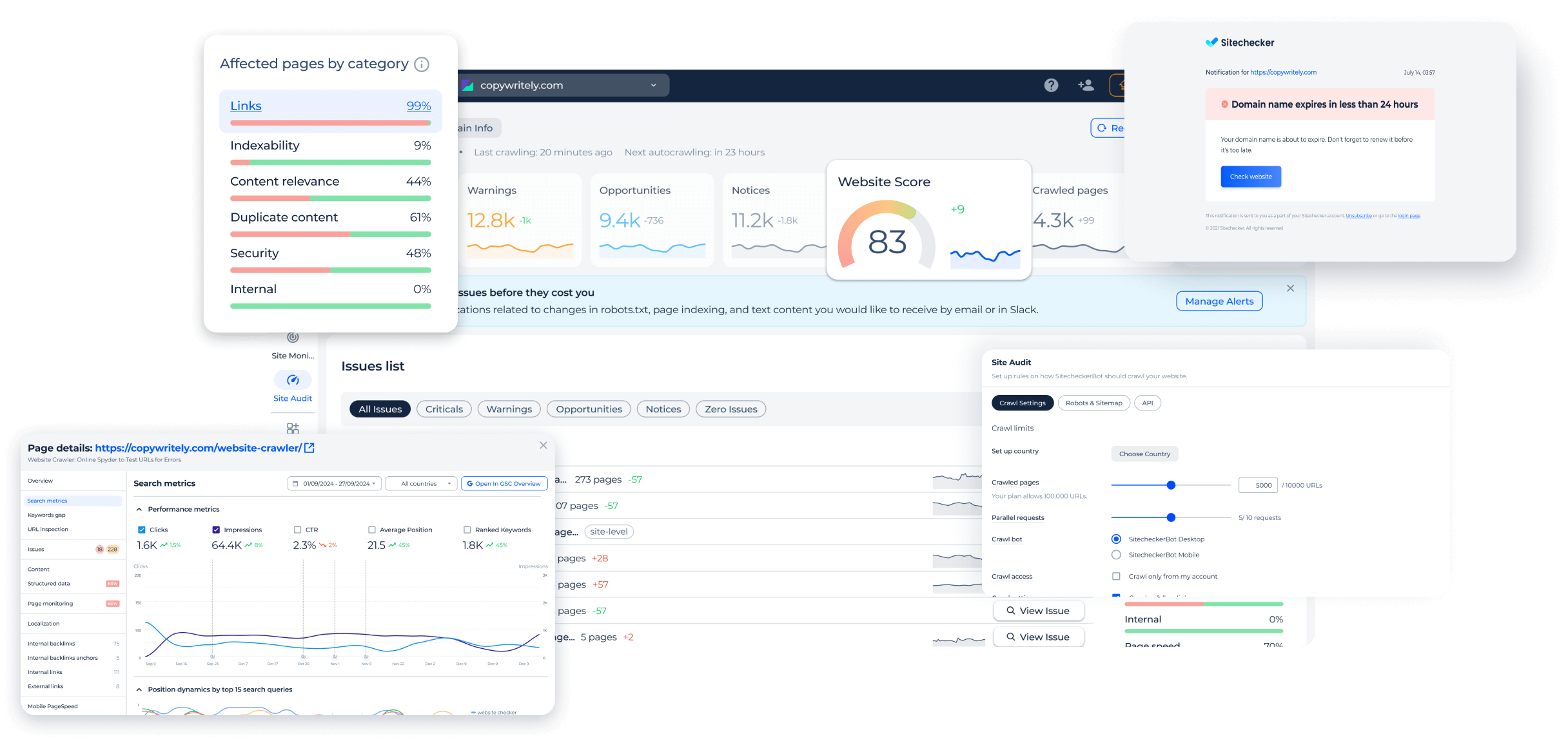
Audit reports list many issues and scores. Not all problems are equally urgent. Focus first on errors that affect user experience and search rankings. Look for broken links, slow pages, and missing tags. Use the tool’s advice to fix problems step by step. Clear reports help plan improvements wisely.
Credit: sitechecker.pro
Implementing Seo Recommendations
Implementing SEO recommendations is a key step after completing a site audit. It helps improve your website’s visibility and user experience. This process involves fixing errors, enhancing content, and optimizing technical aspects. Proper implementation can lead to better rankings and more traffic.
Focus on clear actions and track the results carefully. SEO is not a one-time task but a continuous effort to keep your site healthy and relevant.
Prioritizing Fixes
Start by fixing the most critical issues first. These include broken links, slow page speed, and missing meta tags. Such problems have a big impact on your site’s performance. Next, address smaller issues like image optimization and content updates. Prioritizing saves time and improves results faster.
Monitoring Progress
Track your changes regularly to see their effect on rankings and traffic. Use tools like Google Analytics and Search Console. Check for improvements in page speed, bounce rate, and keyword rankings. Monitoring helps you know what works and what needs more attention.
Continuous Improvement
SEO is always evolving. Keep updating your site based on new data and trends. Review your site audit every few months to catch new issues. Test different strategies to find the best fit for your audience. Continuous improvement keeps your site competitive and user-friendly.

Credit: goingclear.com
Frequently Asked Questions
What Is An Seo Site Audit?
An SEO site audit is a comprehensive analysis of a website’s SEO health. It identifies issues affecting rankings and user experience. The audit helps improve site performance, fix errors, and optimize content for better search engine visibility and higher organic traffic.
How Often Should I Perform An Seo Site Audit?
Perform an SEO site audit at least twice a year. Regular audits help catch new issues early. Frequent checks ensure your website stays optimized, adapts to algorithm changes, and maintains or improves its search rankings over time.
What Tools Are Best For Seo Site Audits?
Popular SEO audit tools include Google Search Console, SEMrush, Ahrefs, and Screaming Frog. These tools analyze site structure, backlinks, keywords, and technical issues. Using multiple tools provides comprehensive insights to effectively optimize your website’s SEO performance.
What Key Issues Does An Seo Site Audit Detect?
An SEO audit detects broken links, slow loading speed, duplicate content, missing meta tags, and mobile usability problems. It also checks for crawl errors, poor keyword optimization, and security issues. Fixing these improves user experience and search engine rankings.
Conclusion
A SEO site audit helps find and fix website problems. It shows what works and what needs change. Regular checks keep your site healthy and fast. Good SEO makes your site easier to find. Small fixes can bring more visitors and better results.
Start with simple steps and watch your site improve. Keep learning and adjusting to stay ahead. A clear, clean website helps your business grow steadily.