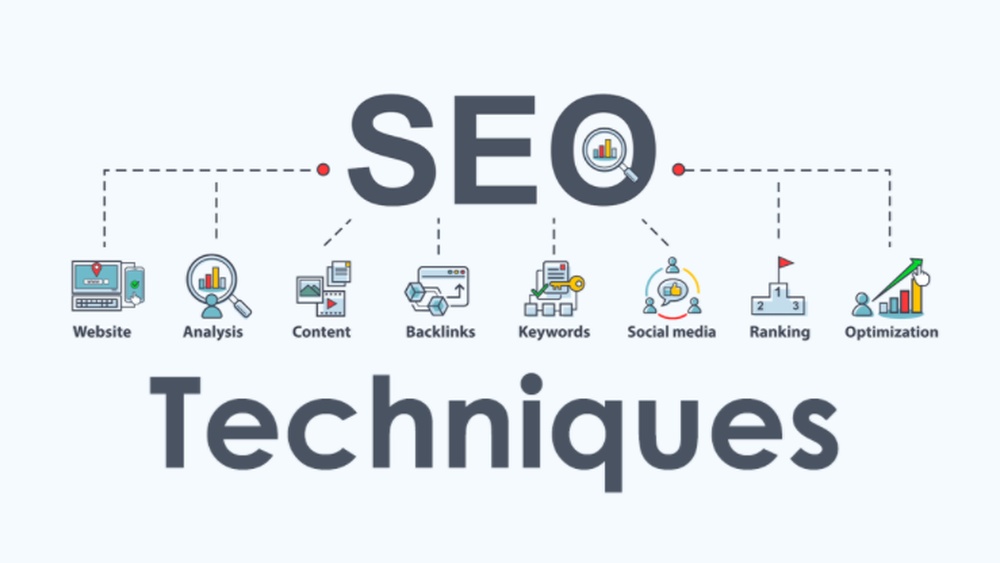
Want to boost your website’s visibility and attract more visitors? Understanding the right SEO techniques can make all the difference.
You might have tried some methods before but felt like something was missing. This article will give you clear, practical tips that you can apply right away to improve your search rankings. By the end, you’ll know exactly what steps to take to get your site noticed by the right audience.
Ready to unlock the secrets that can grow your online presence? Keep reading!
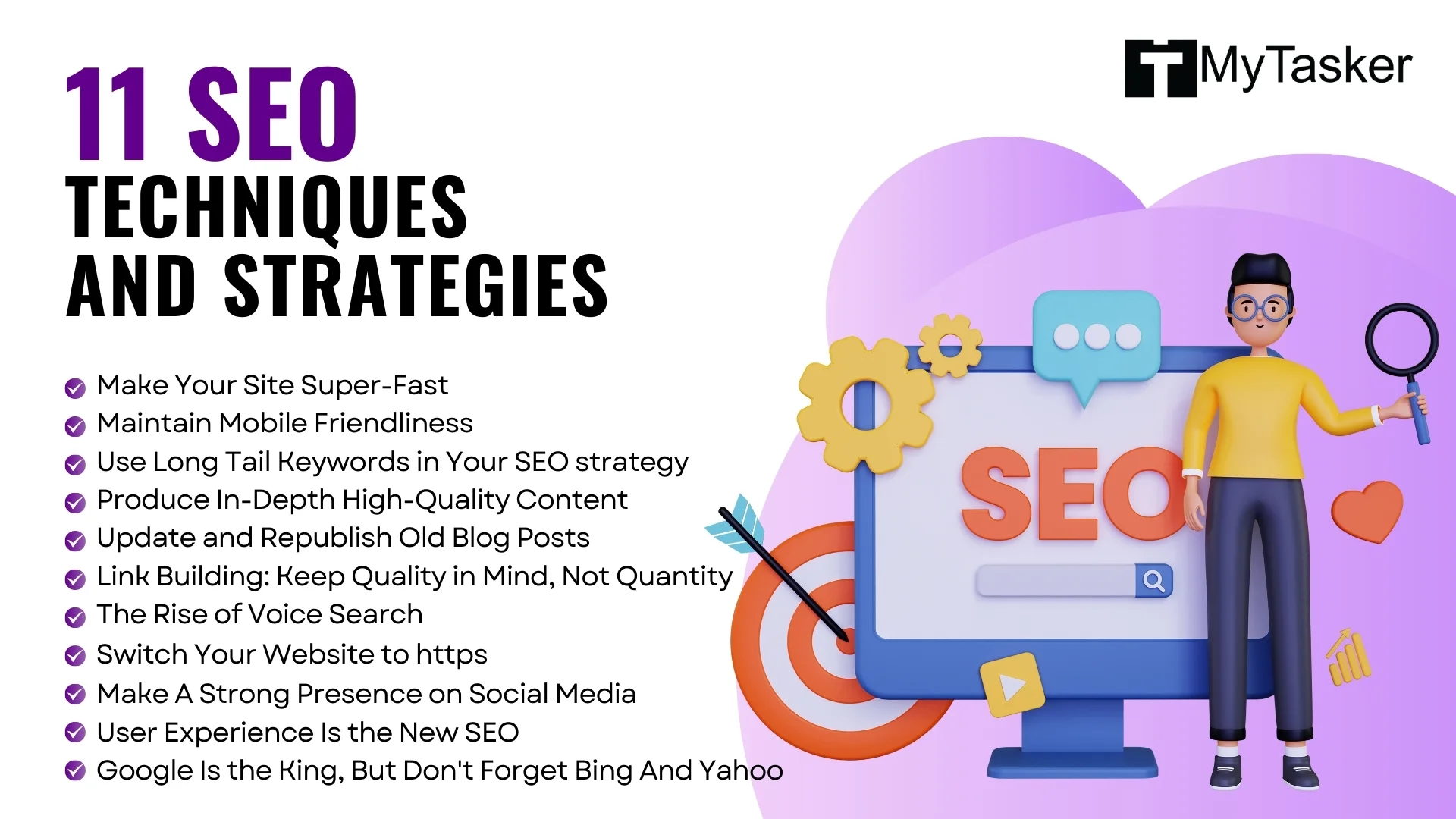
Credit: mytasker.com
Keyword Research
Keyword research is the first step in SEO success. It helps find words people use to search online. Choosing the right keywords brings more visitors to your site. It also guides content creation to match what users want.
Long-tail Keywords
Long-tail keywords are longer and more specific phrases. They often have less competition but higher intent. Users searching these phrases usually want something exact. Targeting long-tail keywords can increase traffic from motivated visitors. They help small sites compete with bigger ones easily.
Competitor Analysis
Study your competitors’ keywords to find opportunities. See which keywords bring them traffic. This insight helps you find gaps to target. Avoid copying, focus on unique keywords that fit your content. Competitor analysis reveals trends and helps improve your strategy.
Search Intent
Search intent means the reason behind a search query. People may want to buy, learn, or find a location. Understanding intent helps create content that meets user needs. Match keywords with the right type of content. This improves user satisfaction and site rankings.
Credit: csodm.com
On-page Optimization
On-page optimization improves your website’s content and structure. It helps search engines understand your pages better. This makes your site rank higher in search results. Small changes on your page can bring big results. Focus on key elements like titles, headers, and images. These parts guide both users and search engines.
Title Tags And Meta Descriptions
Title tags show the main topic of each page. They appear in search results and browser tabs. Keep titles clear and include your main keywords. Limit titles to 60 characters for best display. Meta descriptions give a short summary of the page content. Write descriptions that attract clicks and explain the page well. Use 150-160 characters to avoid cutting off text in results.
Header Tags Usage
Headers divide content into sections. They range from H1 to H6, with H1 as the most important. Use one H1 tag per page for the main title. Use H2 and H3 tags to break content into smaller parts. Headers help readers scan your content fast. Search engines also use headers to understand page structure.
Image Optimization
Images make content more engaging and easier to understand. Optimize images by reducing file size without losing quality. This improves page load speed, which boosts rankings. Use descriptive file names with keywords. Add alt text to describe images for search engines and accessibility. Proper image optimization helps your site rank and keeps visitors happy.
Content Creation
Content creation is a key part of SEO techniques. It helps search engines understand what your site offers. Well-made content attracts visitors and keeps them on your page. It also builds trust and encourages sharing. The right content improves your site’s ranking and visibility.
Quality And Relevance
Quality content answers users’ questions clearly and correctly. It uses simple language and avoids errors. Relevant content matches the searcher’s intent and needs. It focuses on topics that matter to your audience. Good content makes users stay longer and explore more.
Content Freshness
Search engines prefer fresh content. Updating old posts and adding new information helps. Fresh content shows your site is active and reliable. Regular updates improve rankings and keep users interested. Content that is current meets the latest trends and facts.
User Engagement
Content that invites users to interact improves SEO. Asking questions and encouraging comments boost engagement. Interactive content keeps visitors on your page longer. High engagement signals to search engines that content is valuable. Engaged users are more likely to return and share.
Technical Seo
Technical SEO focuses on the backend elements of your website. It helps search engines crawl and index your pages easily. This improves your website’s visibility in search results. Good technical SEO creates a strong foundation for other SEO efforts.
Site Speed
Site speed affects user experience and search rankings. Fast-loading pages keep visitors engaged and reduce bounce rates. Compress images and use caching to improve load times. Choose a reliable hosting service for better performance.
Mobile Friendliness
Most users browse on mobile devices today. A mobile-friendly site adapts to different screen sizes. Use responsive design to ensure easy navigation on phones and tablets. Google favors sites that work well on mobile.
Xml Sitemaps
XML sitemaps help search engines find all your pages. They show the structure of your website clearly. Create and submit a sitemap to Google Search Console. Update the sitemap regularly as you add new content.
Link Building
Link building is a key part of SEO. It helps search engines find your site. Good links show your site is trusted. More quality links mean higher search rankings. Focus on building links that add real value. Avoid spammy or low-quality links. Quality matters more than quantity in link building.
Guest Posting
Guest posting means writing articles for other websites. It helps you reach a new audience. Choose sites related to your niche. Write useful, interesting content for their readers. Include a link back to your site naturally. This builds your reputation and brings traffic. Keep your posts clear and easy to read. Avoid overloading links or sales pitches.
Broken Link Building
Broken link building finds dead links on websites. These links no longer work or lead nowhere. You offer your content as a replacement link. This helps website owners fix errors. It also earns you a valuable backlink. Use tools to find broken links in your niche. Contact site owners politely with your suggestion. This method builds strong, natural links.
Social Media Signals
Social media signals show how people interact with your content. Shares, likes, and comments increase visibility. These signals can boost your SEO indirectly. Post your content on popular social platforms. Encourage followers to engage and share. Active social accounts send positive signals to search engines. Keep your posts consistent and relevant to your audience.
Local Seo Strategies
Local SEO strategies help businesses connect with nearby customers. These tactics boost your visibility in local search results. Focus on key areas to stand out in your community.
Google My Business
Google My Business is essential for local SEO. Claim and verify your business listing to appear in local searches. Add accurate information like address, phone, and hours. Upload clear photos to attract customers. Regular updates keep your profile relevant and trustworthy.
Local Citations
Local citations are mentions of your business online. They include your name, address, and phone number. Consistent citations improve your local search rankings. List your business on trusted directories and local websites. Check for errors and fix any wrong details.
Customer Reviews
Customer reviews build trust and influence buying decisions. Encourage happy customers to leave positive feedback. Respond politely to all reviews, even negative ones. Reviews increase your chances of ranking higher in local searches. They show your business cares about customers.
Analytics And Monitoring
Analytics and monitoring are essential for SEO success. They help you understand how your website performs. Tracking data lets you see what works and what needs change. Regular checks keep your SEO efforts on the right path.
Traffic Analysis
Traffic analysis shows where visitors come from and what they do. You can see which pages get the most visits. It reveals the devices and locations of your audience. This information guides content and design decisions.
Conversion Tracking
Conversion tracking measures actions like sign-ups, sales, or downloads. It shows how well your site turns visitors into customers. You can find out which keywords or ads bring quality traffic. Tracking conversions helps improve marketing efforts.
Adjusting Strategies
Data from analytics tells you when to change your SEO plan. If a keyword isn’t driving traffic, try new ones. Adjust content based on visitor behavior and preferences. Regular updates keep your site relevant and competitive.
Credit: smenews.digital
Frequently Asked Questions
What Are The Best Seo Techniques In 2024?
Top SEO techniques include optimizing for user intent, mobile-first indexing, quality backlinks, and fast page speed. Focus on high-quality content and structured data. These methods improve rankings and user experience effectively.
How Does Keyword Research Improve Seo?
Keyword research identifies terms your audience searches for. Using these keywords strategically boosts content relevance and visibility. It helps target the right audience, increasing organic traffic and engagement on your website.
Why Is On-page Seo Important For Rankings?
On-page SEO optimizes individual pages to rank higher. It involves using keywords, meta tags, and proper headings. This enhances search engines’ understanding and improves user experience, which directly impacts your website’s ranking.
How Can Backlinks Boost Seo Performance?
Backlinks act as endorsements from other websites. Quality backlinks increase your site’s authority and trustworthiness. This leads to higher search rankings and greater organic traffic, making backlinks crucial for SEO success.
Conclusion
SEO techniques help websites gain better visibility online. Using keywords wisely attracts more visitors. Creating quality content keeps readers interested. Fast website speed improves user experience. Mobile-friendly design reaches more people on phones. Regular updates show search engines your site is active.
Tracking results helps improve your strategy over time. Small changes can lead to steady growth. Stay patient and consistent for the best results. Keep learning and adapting to new SEO trends. Success takes effort but brings lasting benefits.