Have you ever noticed how much easier it is to remember a picture than a block of text? That’s the power of being visual.
Your brain processes images faster, making them a secret weapon to grab attention and make ideas stick. Whether you want to learn better, communicate clearly, or boost your creativity, understanding the visual side of things can change everything. Keep reading, and you’ll discover simple ways to use visuals that will make your life and work a whole lot smarter.
Power Of Visual Storytelling
Visual storytelling uses images and videos to share ideas quickly. It helps people feel and understand messages better. Stories told with visuals grab attention and stay in memory longer.
Visuals can explain complex thoughts in simple ways. They connect with emotions and make content more real. This power makes visuals a strong tool for communication.
Enhancing Engagement Through Visuals
Images and videos keep people interested. They make content easier to follow. Visuals break long texts and give the eyes a rest. This keeps readers on your page longer.
Boosting Memory With Visual Content
The brain remembers pictures better than words. Visuals create a lasting impact. People recall stories with images more clearly. This helps your message stay with the audience.
Creating Emotional Connections
Visual storytelling taps into feelings. Faces, colors, and scenes show emotions clearly. This helps build trust and bond with viewers. Emotions make stories more powerful and real.
Improving Understanding Quickly
Visuals simplify complex ideas. Charts and infographics explain data fast. People grasp information faster with pictures. This saves time and reduces confusion.
Credit: www.theottoolbox.com
Types Of Stunning Graphics
Graphics play a big role in catching attention and sharing ideas. They make content clear and fun. Different types of graphics serve different purposes. Each type helps tell a story or explain a concept in its own way.
Understanding the types of stunning graphics can improve your designs and messages. It helps you pick the right style for your project. Here are some popular types used in visual content.
Illustrations And Infographics
Illustrations are drawings or digital art that show ideas clearly. They can be simple or detailed. Infographics combine images and text to explain facts or data. They make complex information easier to understand. Both help viewers grasp messages quickly.
Photography And Cinematography
Photography captures real moments in still images. It shows true colors, emotions, and scenes. Cinematography uses moving images to tell stories. It adds depth and feeling with motion and light. These types create strong visual impact and connection.
Animations And Motion Graphics
Animations bring drawings or objects to life with movement. They can be fun or informative. Motion graphics use animated text and shapes to explain ideas. They add energy and clarity to digital content. Both types keep viewers interested and engaged.
Design Principles For Impact
Design principles shape how visuals capture attention and communicate messages. Clear design helps viewers understand content quickly. It guides their eyes and creates a lasting impression. Strong design is simple but powerful. It balances style and function to make visuals stand out.
Color Theory And Contrast
Colors influence emotions and reactions. Using the right colors creates mood and focus. Contrast helps separate elements and improve readability. Light text on a dark background or the opposite works well. Avoid too many colors to keep the design clean. Choose colors that match the message and audience.
Typography And Layout
Typography is how text looks and feels. Use fonts that are easy to read on all devices. Combine different font sizes to create hierarchy. This guides readers through the content smoothly. Layout arranges text and images clearly. Leave space between elements to avoid clutter. A good layout directs attention without confusion.
Consistency And Branding
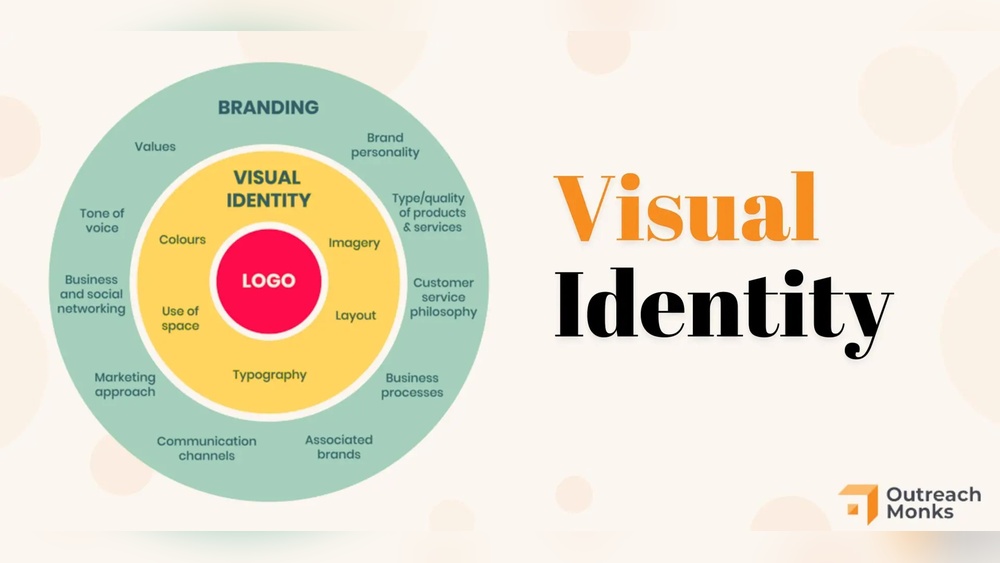
Consistency builds trust and recognition. Use the same colors, fonts, and styles across all visuals. This creates a strong brand identity. Branding helps people remember your message and company. Consistent design looks professional and polished. It connects all parts of your visual content into one story.
Tools For Creating Visuals
Visuals catch attention and explain ideas quickly. Using the right tools helps create clear and attractive images. These tools fit different needs and skill levels. Some are easy for beginners, while others offer deep control for experts.
Choosing the right tool saves time and improves results. Here are some popular options for creating visuals.
Graphic Design Software
Graphic design software lets you build images from scratch. Programs like Adobe Photoshop and Illustrator are common choices. They offer many tools for drawing, coloring, and editing. These programs work well for detailed, custom designs. They require some learning but give full creative control.
Online Platforms And Templates
Online platforms provide ready-made templates for quick designs. Canva and Crello have many layouts for social media, posters, and more. These platforms use drag-and-drop features. No advanced skills needed. Perfect for fast, professional-looking visuals.
Animation And Video Editors
Animation and video editors create moving visuals. Tools like Adobe After Effects and Filmora help make short videos or animations. They bring stories to life with motion and sound. Useful for tutorials, ads, or presentations. Many editors offer simple interfaces for beginners.
Integrating Visuals In Content
Visuals make content easier to understand. They catch the eye and keep readers interested. Adding pictures, charts, or videos helps explain ideas clearly. Visuals break up text and make pages look nicer. This improves how people feel about your content and how long they stay on your site.
Using visuals well can boost engagement. They help share your message faster and better. Different content types need different visuals. Choosing the right one makes your content stronger and clearer.
Social Media Posts
Social media posts work best with strong visuals. Bright images or simple graphics stop users from scrolling past. Videos and animations make posts more fun and shareable. Use clear and bold visuals to fit small screens. This draws attention and makes users want to like or comment. Visuals tell your story fast on social platforms.
Blogs And Articles
Blogs need visuals to explain points well. Photos, infographics, and charts add value to the text. They help readers understand complex ideas without confusion. Visuals also break long text into easy parts. This keeps readers interested and reduces bounce rates. Use images that match the topic and support the message.
Presentations And Reports
Presentations and reports get better with clear visuals. Graphs and charts show data simply and quickly. Icons and images make slides less boring. Visuals help your audience follow your story easily. Use consistent style and colors for a clean look. Good visuals make your message stronger and clearer.

Credit: en.wikipedia.org
Measuring Engagement Impact
Measuring engagement impact helps you see how visuals affect your audience. It shows what works and what does not. This insight guides better design choices and content strategies. Tracking engagement is key to improving user experience and results.
Analytics And Metrics
Analytics provide data on how users interact with visuals. Metrics like click rates, time spent, and scroll depth reveal user interest. High engagement numbers show that visuals capture attention well. Low numbers indicate a need for change or improvement.
A/b Testing Visuals
A/B testing compares two versions of visuals to find the best one. Show different images or designs to separate groups of users. Measure which visual gets more clicks or longer views. Use the winning design to increase overall engagement.
User Feedback And Interaction
User feedback offers direct insight into visual impact. Comments, surveys, and polls reveal opinions and preferences. Interaction such as likes, shares, and saves also show engagement levels. Combine feedback with data for a full picture of success.
Trends In Visual Storytelling
Visual storytelling shapes how people connect with stories today. It uses images, videos, and designs to make messages clear and engaging.
New trends bring fresh ways to tell stories visually. These trends make stories more interactive, immersive, and personal. Let’s explore some key trends.
Interactive Graphics
Interactive graphics let users engage directly with images or charts. They can click, drag, or hover to reveal more details. This makes learning and exploring fun and easy. Users feel part of the story, not just viewers.
Augmented Reality Experiences
Augmented reality (AR) adds digital elements to the real world. It blends virtual objects with the physical space around us. AR creates deeper connections by letting users explore stories in 3D. It brings visuals to life right before their eyes.
Personalized Visual Content
Personalized visuals change based on who views them. They show images or videos that fit individual tastes or needs. This approach makes stories more relevant and memorable. People pay more attention when content feels made just for them.
Credit: glaucoma.org
Frequently Asked Questions
What Is Visual Content In Digital Marketing?
Visual content includes images, videos, infographics, and graphics used to engage audiences. It improves message clarity and boosts user interaction.
How Does Visual Communication Enhance Learning?
Visual communication simplifies complex ideas using images and symbols. It increases retention, understanding, and engagement in educational settings.
Why Are Visuals Important For Brand Identity?
Visuals create a memorable brand image through logos, colors, and design. They help build trust and recognition among customers.
How Can Visuals Improve Website Seo?
Optimized images and videos increase page load speed and user engagement. This leads to better search engine rankings and traffic.
Conclusion
Visuals help people understand ideas fast and clearly. They catch attention and make content more interesting. Using good images or graphics supports your message well. People remember pictures better than words alone. Simple visuals can explain complex topics easily. Try to choose clear and relevant images for your content.
This way, your audience stays engaged and learns better. Visuals are a strong tool for better communication and learning. Keep them simple, clear, and related to your main points.