Are you wondering how some brands seem to grab your attention without pushing their products too hard? That’s the magic of content marketing.
It’s a smart way to connect with your audience by sharing useful and interesting information instead of just selling. Imagine turning your messages into stories or helpful tips that people actually want to read, watch, or listen to. Curious how this works and how it can boost your business or project?
Keep reading, because understanding content marketing could change the way you reach your customers forever.
Content Marketing Basics
Content marketing is a way to share useful information that attracts people. It helps businesses connect with their audience without hard selling. This method builds trust and encourages people to engage with a brand.
Understanding the basics of content marketing is key. It starts with knowing the core ideas, the types of content used, and the benefits it offers.
Core Principles
Content marketing focuses on giving value first. It is about helping people, not just selling products. Consistency matters. Regular updates keep the audience interested and build trust. Knowing the target audience is crucial. Content should match their needs and questions. Storytelling helps. Sharing stories makes content relatable and memorable.
Types Of Content
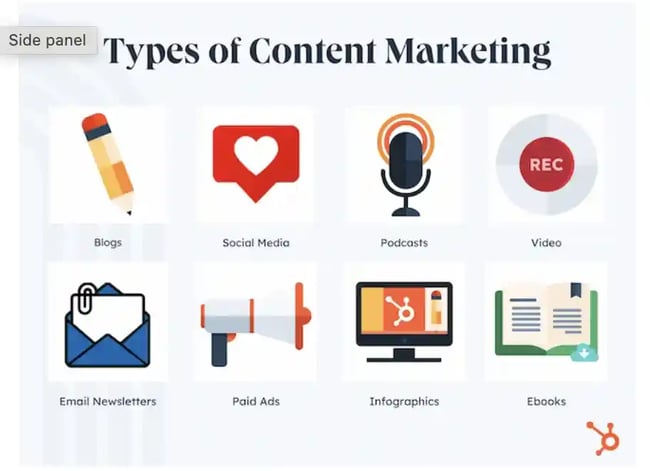
There are many forms of content marketing. Blogs and articles explain topics clearly. Videos show how to use products or tell stories. Infographics provide easy-to-read data and facts. Social media posts create quick, engaging updates. Ebooks and guides offer deep knowledge on subjects. Newsletters keep subscribers informed and connected.
Key Benefits
Content marketing builds trust over time. It improves brand awareness by reaching more people. Good content increases website visits and time spent on site. It helps search engines find your site easily. This leads to more potential customers. It also creates long-term value. Content stays online and keeps attracting people.
Crafting A Content Strategy
Crafting a content strategy sets the foundation for successful content marketing. It guides your efforts and helps you stay focused. A clear strategy ensures your content reaches the right audience with the right message. Planning carefully saves time and resources. It also improves engagement and drives results.
Audience Research
Understanding your audience is the first step. Learn about their needs, interests, and problems. Find out what questions they ask and where they spend time online. Use surveys, social media, and website data to gather insights. Knowing your audience helps you create content that truly matters to them.
Goal Setting
Set clear and simple goals for your content. Decide what you want to achieve, like more website visitors, leads, or brand awareness. Goals give your strategy direction. Make sure your goals are specific and measurable. This helps track progress and adjust your plan as needed.
Content Planning
Plan the types of content you will create. Choose formats like blog posts, videos, or infographics. Decide on topics that match your audience’s interests and your goals. Schedule your content consistently to keep your audience engaged. Good planning keeps your content organized and effective.
Creating Engaging Content
Creating engaging content is the heart of content marketing. It draws readers in and keeps them interested. Good content makes people want to read, share, and remember your message. Focus on clear ideas and simple words. Use different ways to hold attention and make your content stand out.
Storytelling Techniques
Stories connect with emotions and make ideas easy to understand. Use characters, challenges, and solutions to build your story. Keep it real and relatable for your audience. Use short sentences and simple words. Ask questions or create suspense to keep readers curious.
Visual Elements
Pictures and videos catch the eye quickly. They help explain your message without many words. Use charts, infographics, or photos that relate to your topic. Keep visuals clear and bright. Break up long texts with images to make reading easier and fun.
Seo Integration
SEO helps people find your content online. Use keywords that match what your audience searches for. Place keywords naturally in titles, headings, and text. Write short, clear sentences and use simple language. Add meta descriptions that explain your content well. This helps your page rank higher in search results.

Credit: attentioninsight.com
Content Distribution Channels
Content distribution channels help share your content with the right audience. Choosing the best channels boosts your content’s reach and impact. These channels connect your message to people who want it.
Social Media Platforms
Social media platforms let you share content quickly and widely. Facebook, Instagram, Twitter, and LinkedIn reach millions of users daily. Each platform targets different groups, helping you find your audience. Posting regularly keeps your content visible and engaging. Social media also allows direct interaction with followers.
Email Marketing
Email marketing delivers content straight to your audience’s inbox. It builds trust by offering useful information directly. Newsletters, updates, and personalized messages keep readers interested. Emails have a high chance of being read compared to other channels. Maintaining a clean, updated email list improves results.
Paid Advertising
Paid advertising boosts content visibility fast. Platforms like Google Ads and social media offer targeted ads. You can focus on specific demographics and interests. This channel drives traffic to your content or website quickly. Paid ads help reach new audiences beyond organic followers.
Measuring Content Success
Measuring content success is essential for any marketing effort. It shows what works and what does not. Tracking results helps improve your content over time. Without measuring, you cannot know if your goals are met. Data-driven decisions make your strategy stronger and more focused.
Key Performance Indicators
Key performance indicators (KPIs) are metrics to track your content’s success. Common KPIs include website traffic, engagement rate, and conversion rate. These numbers show how users interact with your content. Social shares and comments reveal how much people like your posts. Bounce rate measures if visitors leave quickly or stay longer. Choose KPIs that match your content goals for best results.
Analytics Tools
Analytics tools collect data and help understand content performance. Google Analytics is a popular free option for tracking website traffic. It shows where visitors come from and what pages they visit. Social media platforms offer built-in analytics to track likes, shares, and comments. Other tools like SEMrush or Ahrefs provide deeper insights on search rankings. Use these tools regularly to get a clear picture of success.
Adjusting Strategy
Data alone is not enough. Use insights to improve your content plan. If a blog post gets low traffic, try changing the headline or keywords. High bounce rates may mean content is not relevant or engaging. Increase content quality by adding images or clearer information. Test different posting times or formats. Adjusting your strategy keeps your content fresh and effective.

Credit: en.wikipedia.org
Advanced Content Tactics
Advanced content tactics help businesses stand out. They create deeper connections with the audience. These strategies improve engagement and build trust.
Using smart content methods brings better results. It makes content more relevant and useful. These tactics save time and increase reach.
Personalization
Personalization tailors content to each user’s needs. It uses data like location, interests, or behavior. This makes content feel more helpful and personal.
Emails, websites, and ads all benefit from personalization. It boosts user engagement and encourages action. Personalized content keeps visitors coming back.
User-generated Content
User-generated content comes from your audience. It includes reviews, photos, and videos made by customers. This content builds trust and shows real experiences.
Sharing user content helps create a community. It encourages more people to join and share. This tactic increases authenticity and brand loyalty.
Repurposing Content
Repurposing turns old content into new formats. A blog post can become a video or infographic. This approach saves time and reaches new audiences.
It keeps content fresh and extends its life. Repurposing helps spread your message on many channels. It makes the most of your content effort.
Common Challenges
Content marketing is a powerful tool, but it comes with challenges. Many businesses face obstacles that slow their progress. These common challenges affect how well content performs and grows.
Content Saturation
The internet is full of content. Every topic has thousands of articles and videos. Standing out is difficult. Audiences see similar messages everywhere. Finding unique angles takes time and effort. Without fresh ideas, content can get lost in the noise.
Maintaining Consistency
Posting regularly builds trust and keeps audiences engaged. Many struggle to keep a steady flow of content. Time and resources often run short. Skipping updates can make followers lose interest. A clear plan helps maintain a consistent schedule.
Budget Constraints
Content creation needs money for tools, writers, and promotion. Small businesses often have tight budgets. This limits quality and quantity of content. Choosing cost-effective methods is key. Careful spending can still produce strong results.
Credit: blog.hubspot.com
Frequently Asked Questions
What Is Content Marketing And Why Is It Important?
Content marketing is creating valuable content to attract and engage an audience. It builds trust, boosts brand awareness, and drives sales over time.
How Does Content Marketing Differ From Traditional Advertising?
Content marketing focuses on helpful, relevant content, not direct selling. Traditional ads push products; content marketing nurtures relationships and loyalty.
What Types Of Content Are Used In Content Marketing?
Common types include blogs, videos, infographics, podcasts, and social media posts. Each format educates, entertains, or informs the target audience.
How Can Content Marketing Improve Seo Rankings?
Quality content with targeted keywords increases website visibility. It attracts backlinks and keeps visitors longer, signaling relevance to search engines.
Conclusion
Content marketing helps businesses share useful information with people. It builds trust and keeps customers coming back. Good content answers questions and solves problems clearly. Consistent effort brings better results over time. Focus on helpful, honest content to connect with your audience.
This approach makes your brand more visible online. Keep learning and adapting to improve your content. Success in content marketing takes patience and care. Start small, stay steady, and watch your efforts grow.