
If you want to boost your website’s traffic and outrank your competitors, understanding Ahrefs is a game-changer. This guide will show you how to use Ahrefs step-by-step, even if you’re new to SEO tools.
You’ll discover easy ways to find the best keywords, analyze your competitors, and improve your site’s performance. By the end, you’ll feel confident using Ahrefs to grow your online presence and get real results. Ready to unlock your website’s full potential?
Let’s dive in.
Getting Started With Ahrefs
Ahrefs is a powerful tool for SEO and digital marketing. It helps track website performance and find ways to improve rankings. Getting started with Ahrefs is simple and fast. This guide will show you how to set up your account, explore the dashboard, and discover key features to use.
Setting Up Your Account
Visit the Ahrefs website and click on the sign-up button. Enter your email address and create a strong password. Choose a plan that fits your needs and budget. After payment, you will get access to the full tool. Verify your email to secure your account. Setting up takes just a few minutes.
Navigating The Dashboard
The dashboard is your main workspace in Ahrefs. It shows an overview of your projects and key metrics. You will see site audits, backlink profiles, and keyword rankings. Use the menu on the left to switch between tools. Each section is designed to be easy to understand. Spend time exploring the layout to get comfortable.
Key Features To Explore
Start with Site Explorer to analyze any website’s traffic and backlinks. Use Keywords Explorer to research keywords and find new ideas. The Content Explorer helps find popular content in your niche. Site Audit checks your website for SEO issues and errors. Rank Tracker monitors your keyword positions over time. These features provide valuable data for SEO success.
Keyword Research Strategies
Keyword research is the heart of effective SEO. It helps you find words and phrases people use in search engines. Choosing the right keywords can bring more visitors to your website. Using Ahrefs makes this process easier and more precise. The following strategies will guide you through finding the best keywords.
Finding High-volume Keywords
High-volume keywords have many monthly searches. They show what topics interest many people. To find these keywords, start with broad terms related to your niche. Use Ahrefs to check their search volumes. Focus on keywords that fit your content and audience. These words can drive more traffic to your site.
Analyzing Keyword Difficulty
Keyword difficulty measures how hard it is to rank for a keyword. Ahrefs calculates this based on competitors’ strength. Choose keywords with low or medium difficulty to start. This gives a better chance to rank higher. Avoid very difficult keywords if your site is new or small.
Using Keyword Explorer Effectively
Keyword Explorer in Ahrefs helps find keyword ideas fast. Enter a seed keyword to get related terms. Filter results by volume, difficulty, and clicks. Check the keyword’s traffic potential and trends. Use these insights to build a strong keyword list. This tool saves time and improves your research.
Competitor Analysis Techniques
Competitor analysis is key to improving your website’s SEO. It helps you understand what others in your market do well. You find chances to grow and areas to avoid. Using Ahrefs, you can get clear, simple data on your competitors’ strategies. This section covers important techniques to analyze your competitors effectively.
Identifying Top Competitors
First, find who your real competitors are online. Enter your main keywords in Ahrefs to see which sites rank highest. These are your top competitors. Look at sites that appear often across different keywords. They compete for the same audience as you. Knowing them helps you focus your SEO efforts well.
Analyzing Competitor Backlinks
Backlinks show how popular and trusted a site is. Use Ahrefs to check where competitors get their backlinks from. Look for strong, relevant sites linking to them. You can find sites that might also link to you. Study the types of content attracting links. This helps you plan your own link-building strategy.
Spotting Content Gaps
Content gaps mean topics your competitors cover but you don’t. Ahrefs shows what keywords your competitors rank for that you don’t. These gaps are chances to create new content. Focus on topics your audience wants but can’t find on your site. Filling these gaps improves your search rankings and attracts more visitors.
On-page Seo Optimization
On-page SEO optimization improves how search engines understand your website. It helps pages rank better in search results. Simple changes can make a big difference. Focus on key areas like titles, content, and site structure.
Improving Title Tags And Meta Descriptions
Title tags tell search engines what a page is about. Use clear, short titles with important keywords. Keep titles under 60 characters for best display.
Meta descriptions appear under titles in search results. Write brief summaries that attract clicks. Include main keywords naturally. Keep meta descriptions under 160 characters.
Optimizing Content For Keywords
Use keywords that match what people search for. Place them in headings, paragraphs, and image alt text. Avoid keyword stuffing. Write content that reads well and answers questions clearly.
Use synonyms and related words to make content rich. This helps search engines understand your topic better.
Enhancing Site Structure
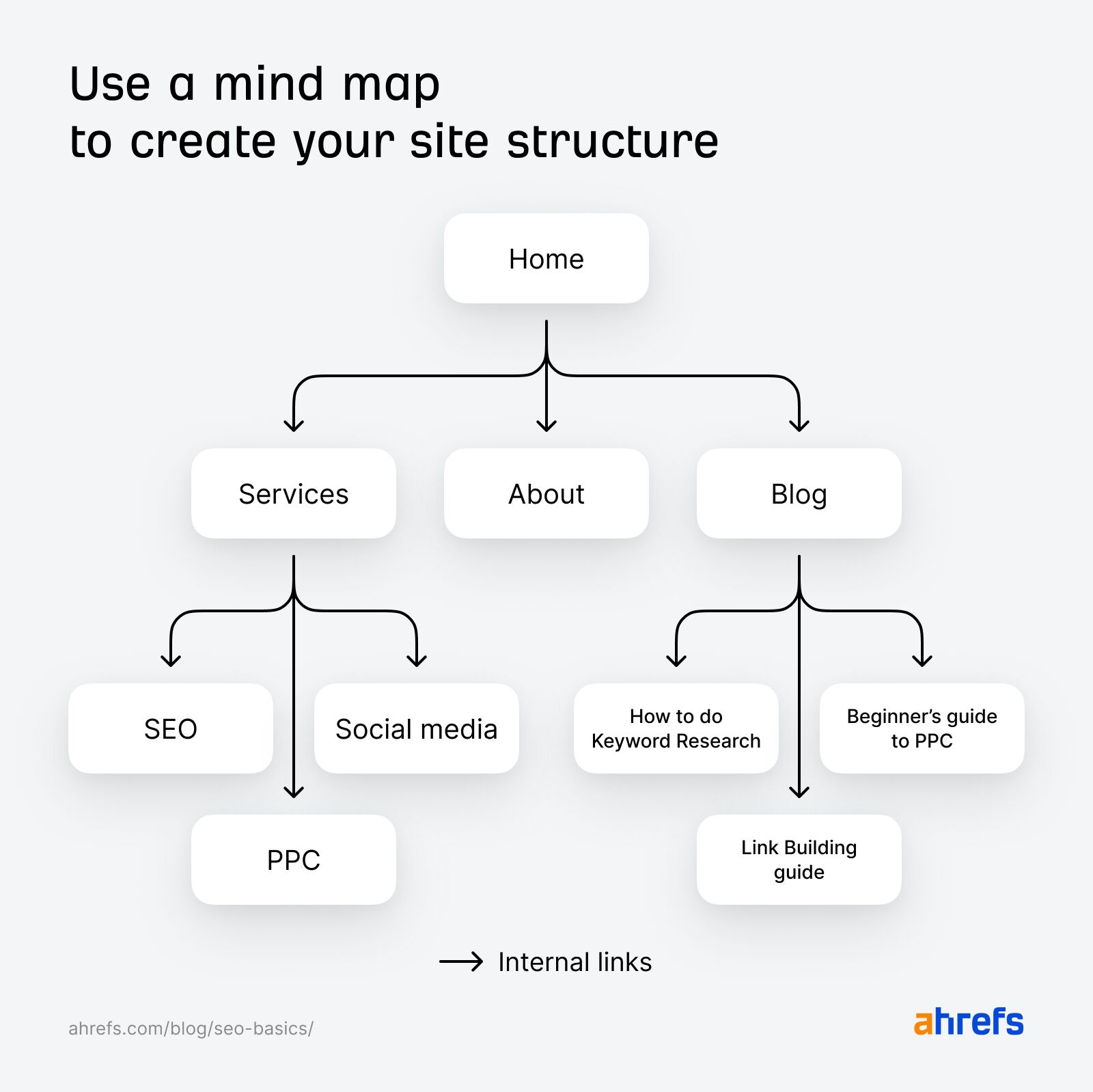
Good site structure helps users and search engines find pages easily. Use clear navigation menus and logical page hierarchy. Organize content into categories and subcategories.
Use internal links to connect related pages. This improves user experience and spreads page authority. Fast loading times and mobile-friendly design boost rankings too.
Backlink Building Tactics
Backlink building is key to improving your website’s search ranking. Quality backlinks show search engines your site is trusted and relevant. This section explains simple tactics to build strong backlinks. Follow these steps to grow your link profile with ease.
Finding Link Opportunities
Start by exploring websites related to your niche. Use Ahrefs tools to find sites linking to your competitors. Identify pages with broken links or outdated content. Offer your content as a useful replacement. Look for guest post options on blogs that match your topic. Focus on sites with good authority and real traffic. This approach helps you find easy wins for backlinks.
Outreach Best Practices
Write clear and polite messages when contacting site owners. Personalize each email to show you know their content. Keep your message short and explain why your link helps their audience. Avoid generic or spammy requests. Follow up once or twice if you don’t get a reply. Respect their decision if they decline. Good communication builds trust and raises your chances.
Tracking Your Backlink Profile
Use Ahrefs to monitor your backlinks regularly. Check which links bring the most traffic and authority. Identify lost or broken links to fix or replace them quickly. Track new links to see if your outreach works. Keep an eye on spammy or low-quality links that may harm your site. Staying updated helps you maintain a strong backlink profile over time.
Credit: ahrefs.com
Content Marketing With Ahrefs
Content marketing with Ahrefs helps you create valuable and relevant content. It guides you to find topics your audience cares about. It also shows how well your content performs. This data helps improve your strategy and reach more people.
Discovering Trending Topics
Ahrefs lets you find trending topics fast. Use its keyword explorer to see popular search terms. Check what questions people ask online. This helps you write content that matches current interests. Stay ahead by focusing on topics that attract attention.
Measuring Content Performance
Track your content’s success with Ahrefs’ tools. See how many visitors your pages get. Check which keywords bring traffic to your site. Monitor backlinks to know who shares your content. Use this data to make smart decisions and improve results.
Repurposing High-performing Content
Find your best content using Ahrefs reports. Turn popular posts into videos or infographics. Update old articles with new information. Share your top content on different platforms. This saves time and keeps your audience engaged.
Technical Seo Insights
Technical SEO is key to making your website easy to use and find. It helps search engines read and rank your pages better. Using Ahrefs tools can show you what needs fixing and how to improve your site’s health.
Here are some important technical SEO tips from Ahrefs to help your website perform well and attract more visitors.
Site Audit Essentials
Ahrefs Site Audit scans your website for issues that affect search rankings. It checks for broken links, duplicate content, and missing tags. The tool also finds crawl errors and security problems. Regular audits keep your site clean and easy for search engines.
Fixing Common Seo Issues
After the audit, prioritize fixing errors found by Ahrefs. Repair broken links and remove duplicate pages. Add missing meta titles and descriptions to improve visibility. Fixing these simple issues boosts your site’s performance quickly.
Improving Site Speed
Site speed affects both user experience and rankings. Ahrefs helps identify slow-loading pages and large files. Compress images and use caching to speed up your site. Fast sites keep visitors engaged and reduce bounce rates.

Credit: www.incrementors.com
Monitoring And Reporting
Monitoring and reporting are key steps in SEO. They help you see how your site performs. Ahrefs offers strong tools for these tasks. These tools show you data clearly. They keep you updated on changes. This helps you act fast to improve results.
Setting Up Alerts
Ahrefs allows you to set alerts for important changes. You can track new backlinks or lost links. Alerts notify you by email. This keeps you informed without checking daily. You can also get alerts for keyword ranking shifts. This way, you never miss crucial updates.
Tracking Rankings Over Time
Follow your keyword rankings with Ahrefs’ tracking tool. It shows your position changes on search engines. You see trends and patterns clearly. This helps you understand what works. You can compare your rankings week by week. Stay aware of your SEO progress at all times.
Generating Custom Reports
Ahrefs lets you create reports tailored to your needs. Choose the data you want to include. Reports can focus on backlinks, keywords, or site health. Export reports in formats easy to share. Use these reports to show progress to clients or team. Clear reports make SEO results easy to understand.
Advanced Ahrefs Tips
Advanced Ahrefs tips help you use the tool beyond basic features. These tips save time and improve SEO results. They allow deeper data analysis and better workflow. Let’s explore some ways to work smarter with Ahrefs.
Using Ahrefs Api
The Ahrefs API gives direct access to your SEO data. You can pull data into your own apps or reports. It helps automate data collection for backlinks, keywords, and site audits. Using the API reduces manual work and speeds up analysis. You need basic coding skills to start using the API. It works well for agencies or large websites with lots of data.
Integrating With Other Tools
Ahrefs works well with many SEO and marketing tools. You can connect it with Google Analytics and Google Search Console. This combination gives a full picture of your site’s performance. Export Ahrefs data to Excel or Google Sheets for custom reports. Integrations help combine data and make smarter decisions. Use tools like Zapier to link Ahrefs with other apps easily.
Automation For Efficiency
Automation saves time by handling repetitive SEO tasks. Set up automatic reports in Ahrefs to get updates on rankings and backlinks. Use scheduled exports to monitor changes regularly without logging in. Automate alerts for new backlinks or lost keywords. This keeps you informed and ready to act fast. Automation frees time to focus on strategy and content creation.

Credit: www.searchenginejournal.com
Frequently Asked Questions
What Is Ahrefs And How Does It Work?
Ahrefs is a powerful SEO tool that analyzes backlinks, keywords, and competitors. It helps improve website rankings by providing actionable insights. Users can track keyword performance, audit sites, and explore content ideas effectively.
How Can Ahrefs Improve My Website’s Seo?
Ahrefs identifies backlink opportunities, audits site health, and tracks keyword rankings. It helps optimize content and discover competitors’ strategies, boosting organic traffic. Regular use ensures better search visibility and stronger online presence.
Is Ahrefs Suitable For Beginners In Seo?
Yes, Ahrefs offers an intuitive interface with tutorials and guides. Beginners can easily analyze keywords and backlinks. Its data-driven reports help users learn SEO fundamentals and implement effective strategies confidently.
What Are The Main Features Of Ahrefs?
Ahrefs includes site explorer, keyword explorer, content explorer, rank tracker, and site audit tools. These features allow comprehensive SEO analysis, competitor research, and performance tracking for better decision-making.
Conclusion
Ahrefs helps you find the right keywords and track your website’s health. You can see what your competitors do and improve your content. The tool makes SEO easier to understand and use every day. Keep practicing with Ahrefs to get better results.
SEO takes time, but steady work pays off. Start using Ahrefs regularly to grow your online presence. Simple steps lead to real progress in your SEO journey.