If you want your website to grow and rank well on search engines, understanding nofollow links is key. You might have heard the term before, but do you really know how nofollow links affect your site’s SEO and online presence?
This article will clear up the confusion and show you exactly why nofollow links matter to your strategy. By the end, you’ll have simple, practical tips to use nofollow links wisely and boost your website’s performance. Keep reading—you won’t want to miss this!
What Nofollow Links Are
Nofollow links are a special type of hyperlink used on websites. They tell search engines not to pass any ranking credit to the linked page. These links still work for visitors but have a different effect on SEO. Understanding nofollow links helps webmasters control how their site interacts with others online.
Origin And Purpose
The nofollow attribute was introduced in 2005. It was created to fight spam in blog comments and forums. People used to add many links to boost their pages unfairly. Nofollow stopped search engines from counting these links as votes. This helped keep search results more honest and relevant.
Besides spam control, nofollow links guide search engines about trust. They show which links should not affect page ranking. Website owners use nofollow to avoid passing link value to untrusted or paid links. This keeps their site’s SEO clean and natural.
How They Differ From Dofollow Links
Dofollow links are the standard links on the web. They allow search engines to follow the link and pass ranking credit. This helps the linked page improve its search position. Dofollow links act like endorsements in the eyes of search engines.
Nofollow links, in contrast, add the rel=”nofollow” tag in HTML. This tag tells search engines not to follow or count the link for ranking. Visitors can still click and visit the linked page. The main difference is the SEO value passed by the link.
Impact On Seo
Nofollow links play a unique role in SEO strategies. They tell search engines not to pass ranking credit to the linked page. This affects how search engines view and value your links. Understanding this impact helps you use nofollow links wisely.
These links influence your site’s authority and how search engines rank your pages. Using nofollow links correctly can protect your site from spam and low-quality links. It also guides search engines on which pages you trust most.
Effect On Pagerank
PageRank measures the strength of links pointing to a page. Nofollow links do not pass PageRank to the linked page. This means they do not help improve the target page’s authority. But they still can drive traffic and provide value to users.
For your site, nofollow links keep your PageRank focused. They prevent diluting your site’s authority across too many low-value links. This helps maintain a strong link profile for search engines to trust.
Influence On Search Rankings
Search engines use links to understand page importance. Nofollow links tell them not to count the link for ranking. This means no direct boost to the linked page’s search position.
Still, nofollow links can bring visitors and increase brand exposure. High-quality traffic can lead to natural links, which do improve rankings. Use nofollow links on paid or untrusted links to avoid penalties.
When To Use Nofollow Links
Nofollow links help control the flow of link value on your website. They tell search engines not to pass authority to certain links. Use nofollow links to protect your site’s SEO and maintain trust. Knowing when to add nofollow tags is key for smart link management.
Paid Links And Advertisements
Paid links should always have a nofollow tag. This prevents search engines from treating them as natural endorsements. Advertisements also need nofollow links to avoid penalties. Nofollow keeps your site safe from spammy link schemes.
User-generated Content
Comments, forums, and guest posts may contain unverified links. Use nofollow on these to avoid passing link value to unknown sites. This protects your site from spam and low-quality links. Nofollow helps keep your community content safe.
Untrusted Or Low-quality Sources
Links to sites you do not trust should be nofollowed. This stops your site from linking to harmful or spammy pages. Nofollow preserves your site’s reputation and SEO health. It signals search engines to ignore these links.
Benefits Of Nofollow Links
Nofollow links play a key role in managing a website’s health and reputation. They help control how search engines treat outbound links. Using nofollow links wisely keeps your site safe and strong.
These links provide several important benefits that support SEO and site authority. Below are some main advantages of nofollow links.
Preventing Penalties
Nofollow links help avoid penalties from search engines. They tell search engines not to pass ranking credit to certain links. This stops spammy or low-quality links from harming your site’s ranking. Using nofollow on paid or untrusted links protects your site from penalties.
Controlling Link Juice Flow
Nofollow links control how link juice moves through your site. Link juice is the value passed by links to other pages. By marking some links as nofollow, you keep important SEO value within your site. This helps boost key pages and improves overall ranking.
Maintaining Site Authority
Nofollow links help keep your site’s authority strong. They prevent passing authority to irrelevant or harmful sites. This focus on quality linking builds trust with search engines. Maintaining a good link profile supports long-term SEO success.
Best Practices For Implementation
Using nofollow links correctly helps control the flow of link value on your website. It guides search engines on which links to trust or ignore. This improves your site’s SEO and keeps your link profile clean.
Follow these best practices for nofollow link implementation. They make sure your links work as intended and support your SEO strategy.
Proper Html Tag Usage
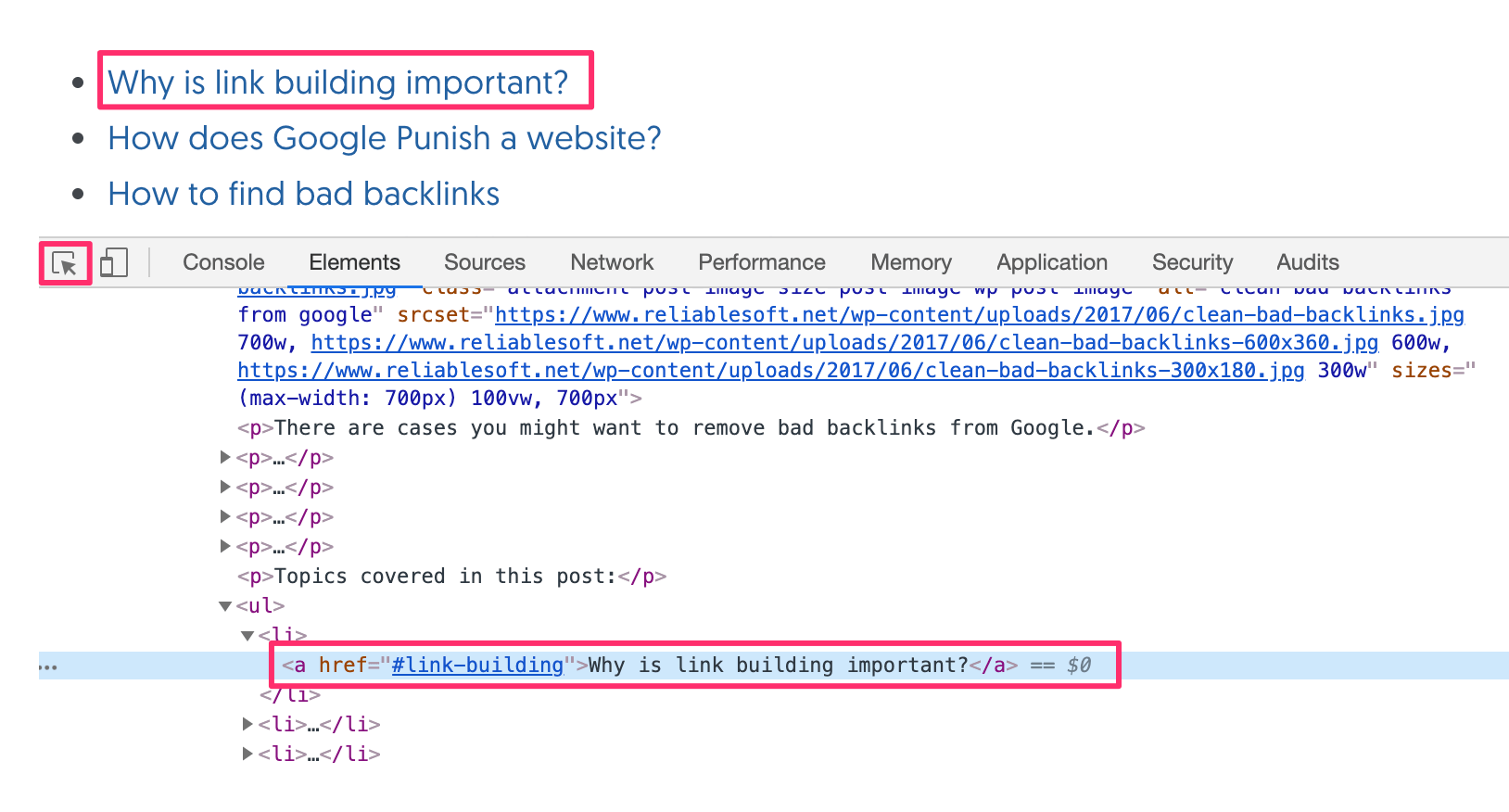
Apply the nofollow attribute within the anchor tag. Use rel="nofollow" to mark links you don’t want search engines to follow. For example: Link Text.
Place the attribute inside the tag, not outside. Keep the syntax clean and error-free. This ensures search engines recognize the nofollow directive properly.
Combining With Other Link Attributes
Use nofollow with other rel attributes like noopener or noreferrer. This improves security and privacy for external links. Separate each attribute with a space, like rel="nofollow noopener".
Do not mix nofollow with dofollow attributes. Keep your link intentions clear to search engines. This prevents confusion and keeps your SEO consistent.
Monitoring And Auditing Links
Regularly check your website for nofollow link accuracy. Use SEO tools to find broken or misplaced nofollow tags. Fix errors quickly to maintain your link quality.
Keep track of changes to your link profile. This helps you see if your nofollow strategy works well. Adjust your links based on your findings for better SEO results.

Credit: backlinko.com
Common Myths About Nofollow Links
Nofollow links often confuse many website owners and SEO beginners. They hear different opinions about how these links affect search rankings and site authority. Some ideas spread widely but lack real proof. Clearing up these myths helps you use nofollow links wisely. Understanding their true role can improve your SEO strategy.
Nofollow Links Have No Seo Value
Many believe nofollow links pass no SEO benefits. This is not completely true. While nofollow links do not pass traditional link juice, they can still bring traffic. Search engines may also use them to discover new pages. These links help build a natural link profile. They signal that your site is mentioned on other sites. This can indirectly support your SEO efforts.
Nofollow Links Hurt Rankings
Some think nofollow links harm search rankings. This is a misconception. Nofollow links do not lower your site’s position. Search engines ignore them for ranking points but do not penalize your site. Using nofollow links correctly prevents spam and maintains site trust. They protect your rankings by avoiding bad link associations. Nofollow links keep your link profile clean and safe.
Future Of Nofollow Links
The future of nofollow links is changing as search engines update their rules. These links have helped control spam and guide search engines. But now, their role is shifting. It is important to understand what lies ahead for nofollow links.
Webmasters and SEO experts watch Google closely. Google’s policies affect how nofollow links work. Changes in these rules will shape website strategies and link building.
Google’s Evolving Policies
Google changed how it treats nofollow links in recent years. It started using them as hints, not strict rules. This means Google may choose to count nofollow links sometimes. This change helps Google better understand page relationships.
Google may keep updating nofollow tag rules. These updates aim to improve search results and fight spam. Webmasters must stay alert and adapt their link strategies.
Emerging Link Attributes
New link attributes are joining the scene. Google introduced rel=”sponsored” for paid links and rel=”ugc” for user-generated content. These tags give more details about link types.
These new attributes help Google treat links more accurately. They also give site owners more control over link signals. Using the right attribute can improve site trust and SEO results.
Credit: www.reliablesoft.net

Credit: www.conductor.com
Frequently Asked Questions
What Is A Nofollow Link In Seo?
A nofollow link is an HTML attribute that tells search engines not to pass ranking value. It helps control spam and unwanted link influence. These links do not boost the linked page’s SEO but still direct users to the site.
How Do Nofollow Links Affect Search Rankings?
Nofollow links do not directly improve search rankings. They prevent passing link equity or “link juice” to the linked page. However, they can still drive traffic and increase brand visibility, indirectly benefiting SEO.
When Should I Use Nofollow Links?
Use nofollow links for paid links, user-generated content, or untrusted websites. This prevents passing SEO value and avoids penalties from search engines. It also helps maintain your site’s link profile integrity.
Can Nofollow Links Improve Website Traffic?
Yes, nofollow links can increase website traffic. While they don’t pass SEO value, they direct users to your site. This can lead to more visits, brand awareness, and potential conversions.
Conclusion
Nofollow links help control how search engines view your site. They guide which pages get credit and which do not. Using them wisely keeps your site safe from spam. They also help balance your link profile naturally. Remember, nofollow links still bring visitors and traffic.
They matter for SEO and user experience. Keep learning how to use them well. Small changes can make a big difference over time. Stay patient and watch your site grow steadily.