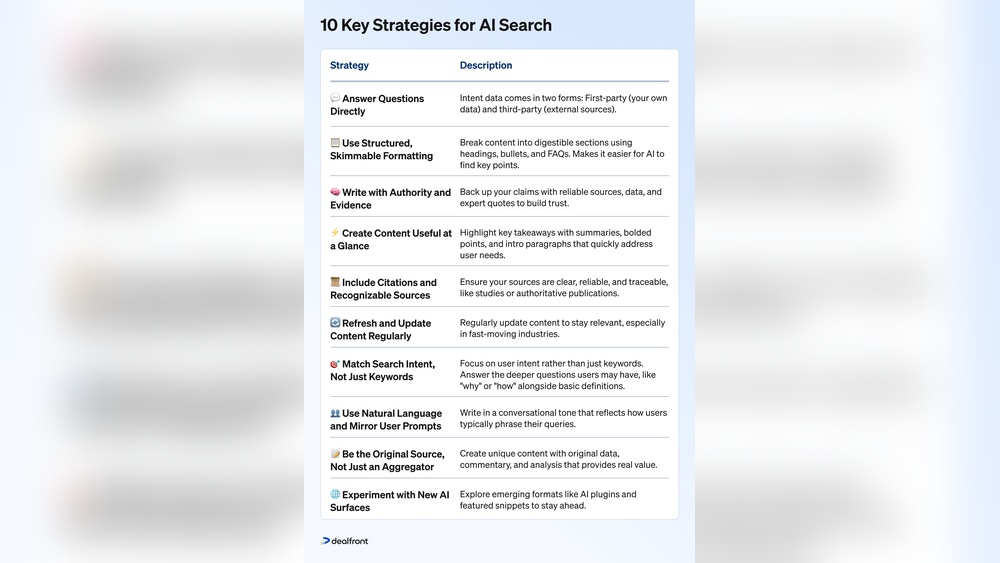
Are you ready to transform the way you find information? Your search habits can be smarter, faster, and more precise with the right AI search strategy.
Imagine cutting through endless results and getting exactly what you need in seconds. This isn’t just a dream—it’s a simple shift you can make now. Keep reading, and you’ll discover how to harness AI tools that work for you, save time, and boost your productivity like never before.
Your next search could change everything.

Credit: growbydata.com
Ai Search Fundamentals
AI search is a key part of many smart systems today. It helps find information fast and smart. Understanding AI search basics makes it easier to use these systems well.
This section covers the main ideas behind AI search. It also explains different types and common methods used. This knowledge builds a strong foundation for deeper learning.
Core Principles
AI search works by exploring possible answers step by step. It looks for the best solution based on rules or data. It tries to avoid wrong paths and focus on good ones.
Efficiency is important. The system must find answers quickly without using too much power. Accuracy matters too. The results need to be correct and useful.
Types Of Ai Search
There are several types of AI search methods. Blind search explores without knowing which path is best. It checks all options equally.
Informed search uses extra information to guess the best path. It guides the search to reach the goal faster.
Local search focuses on improving current solutions step by step. It tries to find a better answer nearby.
Common Algorithms
Many algorithms power AI search. Breadth-first search checks all options level by level. Depth-first search explores deeply along one path first.
Aalgorithm combines path cost and goal distance to find the best route. It is fast and accurate.
Hill climbing improves solutions by moving to better neighbors. It can get stuck but works well for many tasks.
Improving Search Accuracy
Improving search accuracy is key to better AI search results. It helps users find the right information fast. Accurate search saves time and reduces frustration. This section covers important methods to boost search precision.
Data Quality And Relevance
High-quality data leads to better search results. Clean and updated data keeps search answers correct. Irrelevant or old data causes wrong matches and confusion. Focus on data that matches the user’s needs. This improves the chance of finding useful information.
Advanced Query Techniques
Advanced queries make searches more precise. Using filters, keywords, and operators helps narrow down results. Queries that understand user intent provide better matches. These techniques reduce noise and highlight the best answers. They guide the search engine to what really matters.
Contextual Understanding
Context helps AI grasp what users mean. It looks at past searches and current trends. Understanding context prevents errors from vague queries. AI can then offer answers that fit the situation. This makes search feel more natural and helpful.
Maximizing Search Results
Maximizing search results is key to making AI search tools effective. It helps users find relevant information fast. Proper strategies improve accuracy and user experience. They also reduce the time spent sorting through data.
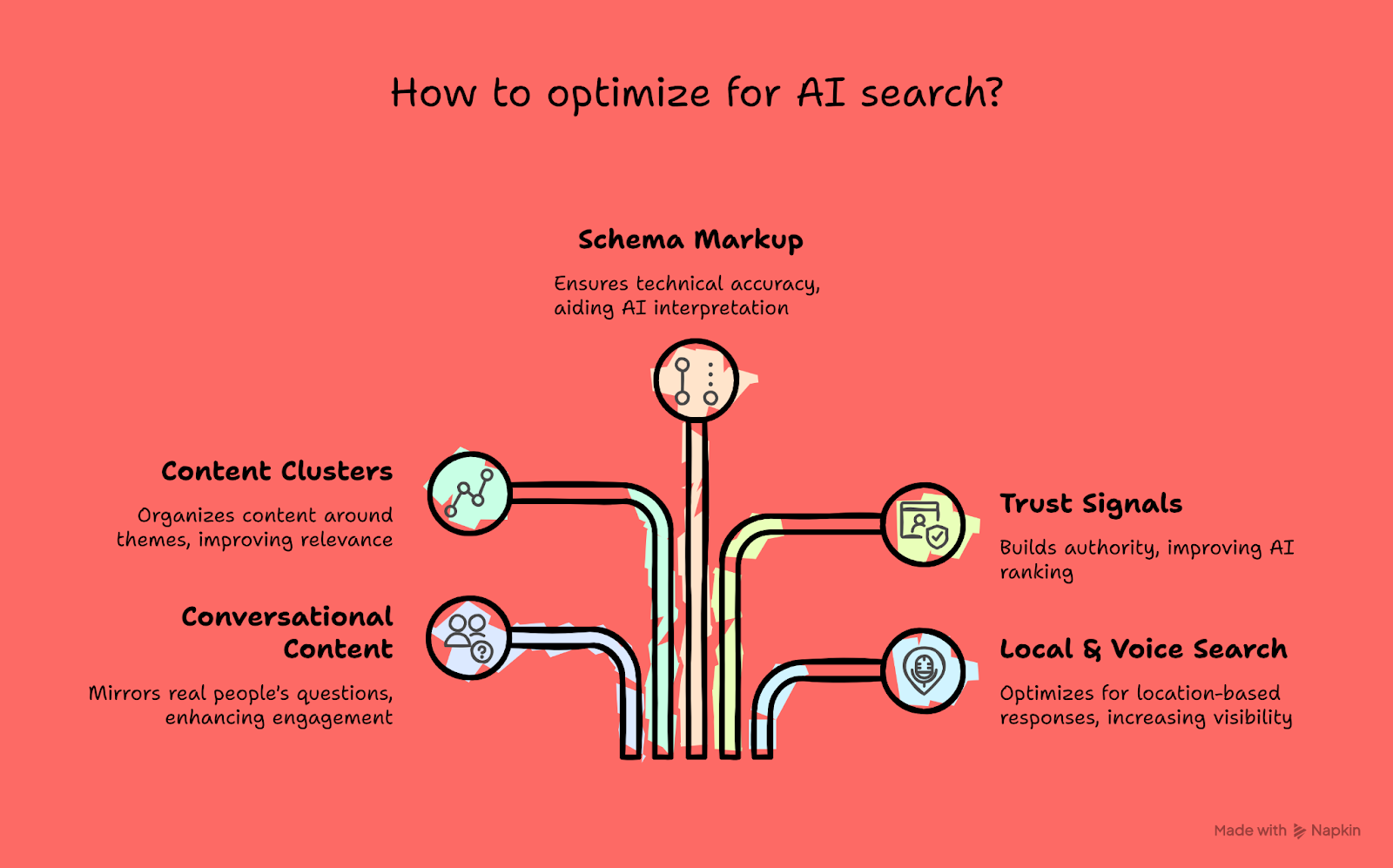
AI search uses smart methods to rank, filter, and personalize results. This section covers three main tactics to get the best outcomes from AI search.
Result Ranking Strategies
Ranking shows the most useful results first. AI models score results based on relevance to the query. Factors include keyword matches, user behavior, and content quality. Algorithms adjust rankings dynamically to improve accuracy. Good ranking reduces noise and highlights top answers.
Handling Large Data Sets
Big data needs fast, efficient processing. AI uses indexing to organize data for quick access. It breaks data into small chunks for easier search. Parallel processing speeds up handling large volumes. This keeps search results timely and accurate.
Personalization Methods
Personalization tailors results to each user’s needs. AI learns preferences from past searches and clicks. It adapts results based on location, device, and behavior. Personalization makes search more relevant and useful. Users find what they want with less effort.
Credit: www.joinstratosphere.com
Speeding Up Search Processes
Speeding up search processes is key to improving user experience. Faster searches save time and reduce frustration. They also help systems handle more requests at once. Many techniques work together to make searches quicker and smarter. These methods focus on organizing data and using computing power efficiently.
Efficient Indexing
Efficient indexing organizes data for quick access. It creates a map to find information fast. This method reduces the need to scan all data. Indexes store keywords and locations to speed up queries. Well-built indexes help deliver results in milliseconds.
Caching And Preprocessing
Caching stores recent search results for fast reuse. It avoids repeating complex calculations. Preprocessing cleans and formats data before searching. This step reduces the work needed during the search. Together, caching and preprocessing cut down response times.
Parallel Processing
Parallel processing splits tasks across multiple processors. It runs search parts at the same time. This approach handles large data volumes quickly. Using many processors shortens the total search time. Parallel processing keeps systems responsive under heavy load.
Ai Tools And Technologies
AI search strategy depends heavily on the right tools and technologies. These tools help build, test, and improve AI search systems. Choosing the right technology can boost accuracy and speed in delivering results.
Developers rely on frameworks and libraries that simplify AI model creation. Integration with existing systems is key for smooth operation. Monitoring performance ensures the search system meets user needs.
Popular Frameworks
TensorFlow and PyTorch lead as top AI frameworks. They offer flexible options to build custom search models. Open-source libraries like Hugging Face provide pre-trained models. These tools reduce development time and improve accuracy. Simple APIs help developers implement AI search features quickly.
Integration Tips
Start by defining clear goals for your AI search system. Use APIs to connect AI tools with your website or app. Ensure data formats match between systems for smooth data flow. Test the integration in small steps to catch errors early. Keep scalability in mind to handle more users in the future.
Performance Metrics
Measure accuracy to see how well the AI finds relevant results. Use response time to check speed and user experience. Track click-through rates to understand user engagement. Regularly review error rates to fix issues fast. These metrics guide improvements and keep the system effective.
Real-world Applications
AI search strategies have practical uses across many fields. They improve how systems find and deliver information fast. These strategies help businesses and organizations save time and work better. Below are some common real-world uses of AI search.
Each area uses AI search in unique ways to meet its needs. The results often lead to better user experiences and smarter decisions.
E-commerce Search
Online stores use AI search to help shoppers find products quickly. It understands what customers type and suggests related items. AI can learn from past searches to improve results. It also helps sort products by price, popularity, or new arrivals. This makes shopping easier and faster for users.
Healthcare Data Retrieval
Hospitals and clinics store large amounts of patient data. AI search helps doctors find records and research papers fast. It can search through text, images, and reports with high accuracy. This aids quick diagnosis and treatment planning. AI also supports medical research by finding relevant studies quickly.
Enterprise Knowledge Management
Companies have vast knowledge stored in documents and emails. AI search helps employees find the right information without delay. It connects data from different departments for better collaboration. This reduces repeated work and improves overall productivity. AI search keeps knowledge organized and easy to access.
Credit: backlinko.com
Frequently Asked Questions
What Is Ai Search Strategy In Digital Marketing?
AI search strategy uses artificial intelligence to improve search engine results. It analyzes data to optimize keywords and content. This approach boosts website ranking and user engagement efficiently.
How Does Ai Improve Search Engine Optimization?
AI analyzes user behavior and search patterns to refine SEO tactics. It helps create relevant content and target the right keywords. This leads to higher visibility and better organic traffic.
Can Ai Search Strategy Enhance User Experience?
Yes, AI customizes search results based on user intent and preferences. It delivers faster, more accurate answers, improving satisfaction. Enhanced user experience increases retention and conversion rates.
What Tools Support Ai Search Strategies?
Popular tools include Google AI, SEMrush, and Ahrefs with AI features. They provide keyword insights, content suggestions, and competitor analysis. These tools streamline SEO efforts for better results.
Conclusion
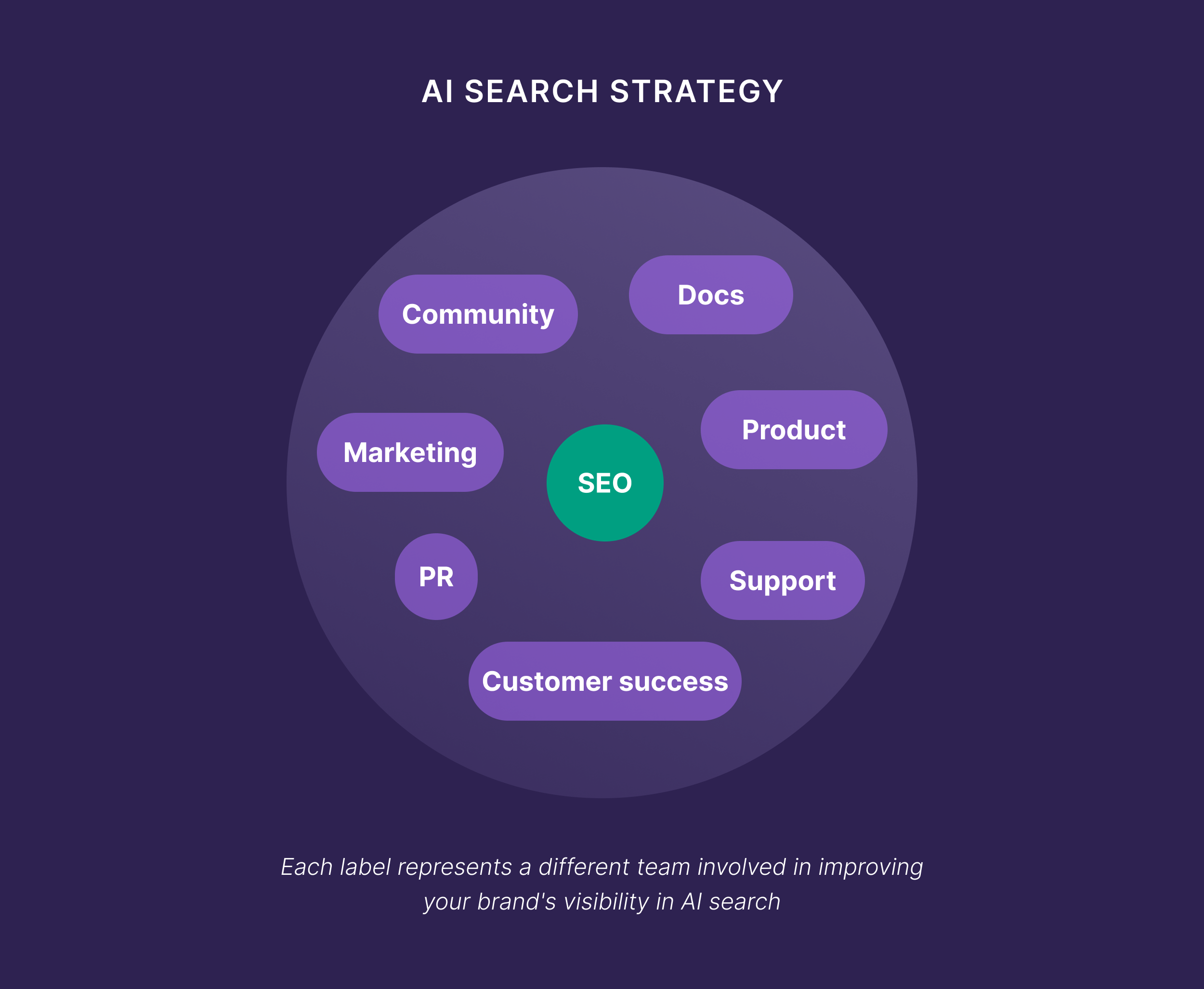
AI search strategy helps find information faster and smarter. It uses data to show results that matter most. This saves time and improves decision-making. Businesses can reach the right audience with better accuracy. Staying updated with AI trends keeps your strategy strong.
Testing and adjusting your approach leads to better results. Simple steps can make a big difference in search success. Keep learning and adapting to get the most from AI tools. The future of search is changing, and AI plays a key role.