Are you struggling to boost your website’s ranking despite your best efforts? The problem might not be what you think.
Sometimes, the links pointing to your site—called backlinks—can actually harm your online presence instead of helping it. These are known as bad backlinks, and they can quietly drag your site down in search results without you even realizing it. If you want to protect your website and make sure every link works for you, keep reading.
Understanding bad backlinks could be the key to unlocking your site’s true potential.
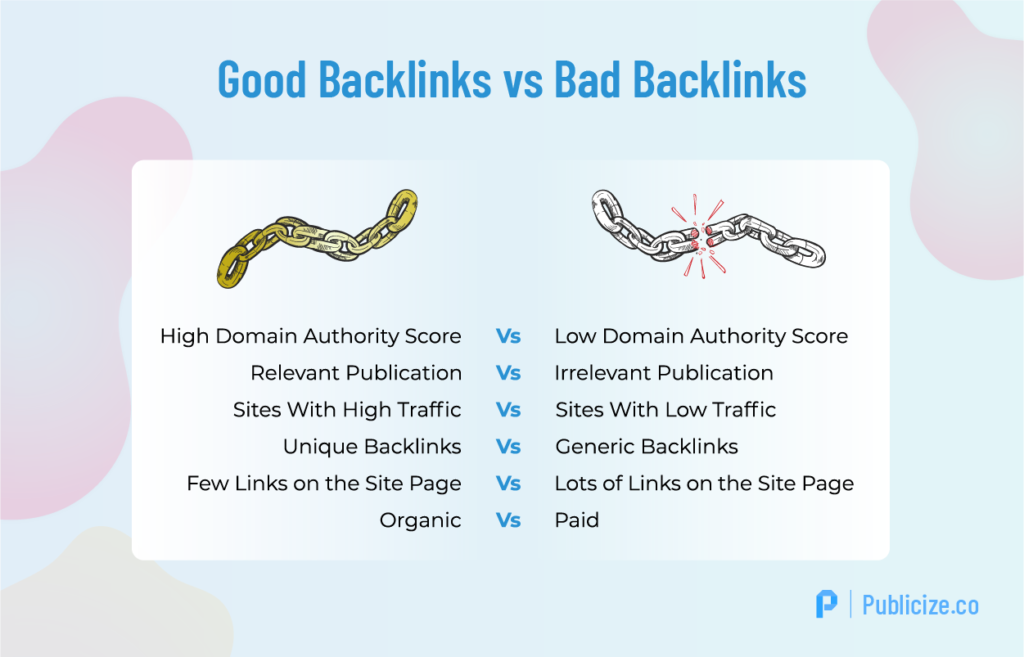
Credit: publicize.co
What Are Bad Backlinks?
Bad backlinks hurt your website’s ranking on search engines. They come from low-quality or spammy sites. These links can make your site look untrustworthy. Search engines may even punish your site for having bad backlinks.
Understanding bad backlinks helps protect your website’s reputation. It also improves your chances of ranking higher.
Bad backlinks are links from websites with poor reputation. These sites often have low traffic or irrelevant content. Search engines see these links as a sign of low quality.
Such backlinks do not add value. Instead, they can lower your website’s authority. Search engines may reduce your site’s rank or remove it from results.
Spammy websites that sell links or use automated tools. Sites with adult content or illegal activities. Link farms that exist only to link to many sites. Pages with unrelated or copied content. These sources create bad backlinks.
How Bad Backlinks Affect Seo
Search engines use backlinks to measure trust and authority. Bad backlinks signal poor quality or manipulation attempts. This reduces your website’s trust score. Your pages may rank lower or lose traffic.
How To Spot Bad Backlinks
Look for links from unknown or suspicious websites. Check if the site has thin or spammy content. Notice if the link comes from unrelated topics. Use backlink analysis tools to find harmful links.
How Toxic Backlinks Hurt Seo
Toxic backlinks harm your website’s SEO by lowering its trust and ranking. These bad links come from low-quality or spammy sites. Search engines see them as a sign of poor website quality. This can lead to penalties and loss of traffic.
Bad backlinks confuse search engines about your site’s relevance. They may cause your pages to rank lower in search results. This reduces your site’s visibility and visitor numbers. Keeping backlinks clean is key to maintaining SEO health.
What Are Toxic Backlinks?
Toxic backlinks are links from unreliable or harmful websites. They often come from spam sites or link farms. These links do not add value and can damage your site’s reputation. Search engines may flag your site as unsafe because of them.
How Toxic Backlinks Trigger Search Engine Penalties
Search engines use algorithms to detect bad backlinks. When they find many toxic links, they may penalize your site. Penalties reduce your site’s ranking or remove it from search results. This causes a drop in organic traffic and visibility.
Impact Of Toxic Backlinks On Website Authority
Bad backlinks lower your website’s authority and trust score. Search engines trust sites with quality links more. Toxic links send a negative signal about your site’s quality. This makes it harder to compete with trustworthy websites.
How Toxic Backlinks Affect User Experience
Toxic backlinks often lead users to irrelevant or harmful sites. This frustrates visitors and harms your brand reputation. Poor user experience can increase bounce rates and reduce conversions. Search engines notice these signals and lower your rankings.
Common Sources Of Bad Backlinks
Bad backlinks can harm your website’s ranking and reputation. These links come from sources that search engines see as untrustworthy or irrelevant. Understanding where bad backlinks come from helps protect your site. Common sources include link farms, spam sites, irrelevant websites, and paid link schemes.
Link Farms And Spam Sites
Link farms are groups of websites made only to link to each other. They have little or no real content. Search engines see these as spam. Spam sites often contain low-quality content and many ads. Links from these sites do not help your SEO. They can cause penalties that lower your rankings.
Irrelevant Or Low-quality Websites
Links from websites unrelated to your topic can hurt your SEO. For example, a food blog linking to a car repair site looks suspicious. Low-quality websites with poor design or outdated content also harm your site. These backlinks do not add value and may signal spam to search engines.
Paid Links And Link Schemes
Buying links violates search engine rules. Paid links often come from untrustworthy sites. Link schemes include exchanging links or using automated tools to create links. These tactics aim to manipulate rankings but usually backfire. Search engines can detect and penalize such practices quickly.
Credit: medium.com
Identifying Toxic Backlinks
Identifying toxic backlinks is essential for maintaining a healthy website. Bad backlinks can harm your site’s ranking and reputation. Detecting these harmful links early helps you avoid penalties from search engines. Knowing how to find them is the first step to protecting your SEO.
Using Seo Tools
SEO tools help find toxic backlinks quickly. Tools like Ahrefs, SEMrush, and Moz scan your backlink profile. They show links from suspicious or low-quality sites. These tools also flag links with spammy anchor text. Regular checks with SEO tools keep your link profile clean.
Analyzing Link Quality Metrics
Check metrics like domain authority and spam score. Low domain authority often means a bad backlink. A high spam score signals risky or harmful links. Look at the relevance of the linking site too. Irrelevant or unrelated sites may hurt your ranking.
Spotting Suspicious Link Patterns
Unnatural link patterns often indicate toxic backlinks. Examples include many links from one source in a short time. Links with exact-match anchor text can look spammy. Links from unrelated topics or foreign languages may also be harmful. Watch for sudden spikes in link numbers.
Preventing Bad Backlinks
Bad backlinks harm your website’s reputation and rankings. Preventing them protects your site from penalties and keeps traffic steady. A strong backlink profile builds trust with search engines and users. Focus on quality links and clean SEO methods to stay safe.
Building Natural Link Profiles
Natural link profiles grow from real, useful content. Earn links from sites that relate to your niche. Avoid buying links or using link farms. Create content that answers questions and solves problems. This attracts genuine backlinks from trusted sources.
Avoiding Black-hat Seo Practices
Black-hat SEO tricks bring short-term gains but long-term risks. Do not use hidden links or keyword stuffing. Avoid automated link building tools and spammy directories. Stick to ethical SEO methods. Search engines penalize sites that try to cheat.
Monitoring Link Growth Regularly
Check your backlink profile often to spot bad links. Use tools to track new and lost backlinks. Remove or disavow links from suspicious or low-quality sites. Regular monitoring helps maintain a healthy link profile. Stay alert to protect your website’s SEO strength.
Removing And Disavowing Toxic Links
Bad backlinks can harm your website’s ranking. Removing or disavowing toxic links helps protect your SEO. This process clears harmful links that lower your site’s trust with search engines. Acting fast stops further damage and helps your website recover.
Contacting Webmasters
Start by finding the websites linking to you. Check for low-quality or spammy sites. Reach out to their webmasters by email. Politely ask them to remove the bad link. Provide the exact URL of the link. Keep your message clear and simple. Many webmasters respond quickly to removal requests.
Using Google’s Disavow Tool
If webmasters don’t remove bad links, use Google’s Disavow Tool. This tool tells Google to ignore certain backlinks. Create a text file listing toxic URLs or domains. Upload this file through Google Search Console. Use this tool carefully. Only add links that harm your site. Wrong use can hurt your SEO more.
Tracking Recovery Progress
After removing or disavowing links, track your website’s progress. Monitor your rankings and traffic regularly. Use SEO tools to check backlink profiles often. Watch for a rise in site authority and organic visits. Recovery can take weeks or months. Patience and regular checks are key to success.
Best Practices For Healthy Link Building
Building healthy backlinks is key to a strong website. Bad backlinks can harm your site’s ranking and trust. Good link building takes time and care. Focus on methods that bring value and real connections. Follow clear steps to grow links that help your site stay safe and grow steadily.
Focusing On Quality Over Quantity
One strong link beats many weak ones. Choose links from sites with good reputation. Links should come from places related to your topic. Avoid spammy or irrelevant websites. Search engines trust sites with quality backlinks more. Quality links bring real visitors and improve your ranking.
Creating Valuable Content
Content is the foundation of good link building. Write articles that solve problems or teach something new. Useful content attracts natural links from other sites. Use clear language and helpful examples. Share unique ideas that others want to reference. Regularly update content to keep it fresh and relevant.
Engaging With Relevant Communities
Join forums, groups, and social media related to your niche. Participate by answering questions and sharing insights. Build relationships with other site owners and bloggers. Genuine interaction leads to natural link opportunities. Avoid spammy posting or self-promotion. Being helpful creates trust and encourages others to link to you.
Credit: loganix.com
Frequently Asked Questions
What Are Bad Backlinks In Seo?
Bad backlinks are links from low-quality or spammy websites. They harm your site’s ranking and reputation. Search engines may penalize sites with many bad backlinks. Avoid links from irrelevant, hacked, or link-farming sites to maintain SEO health.
How Do Bad Backlinks Affect Website Ranking?
Bad backlinks lower your website’s search engine ranking. They signal low trust and poor site quality to Google. This can lead to penalties or deindexing. Removing or disavowing bad backlinks helps improve your site’s authority and rankings.
How To Identify Bad Backlinks To My Site?
Check backlinks using SEO tools like Ahrefs or Google Search Console. Look for links from spammy, irrelevant, or low-authority sites. High volumes of exact-match anchor text or link farms indicate bad backlinks. Regular audits help maintain a clean backlink profile.
Can Bad Backlinks Be Removed From Google?
Yes, you can remove bad backlinks by contacting site owners. If removal is impossible, use Google’s Disavow Tool to ignore harmful links. Disavowing prevents penalties and protects your site’s SEO performance. Always monitor backlinks after disavowing.
Conclusion
Bad backlinks hurt your website’s trust and search rankings. Avoid links from spammy or irrelevant sites. Regularly check your backlink profile to spot harmful links. Remove or disavow bad backlinks to protect your site. Focus on earning good backlinks from reliable sources.
Quality links help your site grow and rank higher. Stay alert and keep your link profile clean. This keeps your website safe and trusted by search engines. A strong backlink strategy supports long-term online success.