Are you struggling to understand why your business isn’t growing as fast as you want? The answer might be hiding in your competitors’ strategies.
Competitor analysis is your secret weapon to uncover what’s working for others and how you can do it better. By diving into their strengths and weaknesses, you gain the power to make smarter decisions and stay one step ahead. Keep reading, and you’ll discover simple yet powerful ways to turn this knowledge into real results for your business.
Setting The Stage
Setting the stage for competitor analysis is an important first step. It helps you understand who you are up against. This knowledge shapes your strategy and guides your decisions. Without a clear start, your efforts may lack focus and direction.
Begin with a clear plan. Know what you want to learn about your competitors. This focus saves time and uncovers the most useful information. Let’s explore how to set the stage effectively.
Identifying Key Competitors
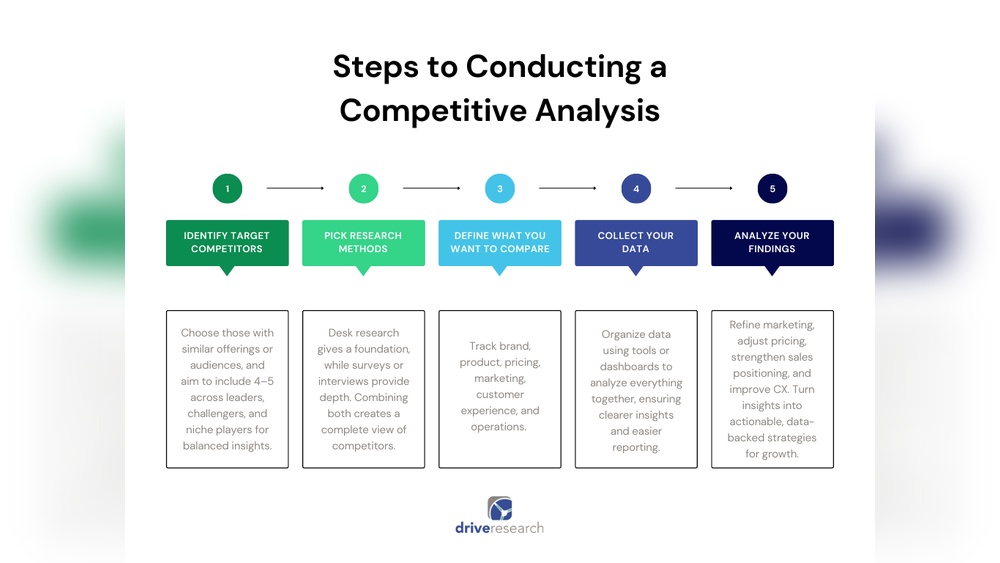
Start by listing companies that offer similar products or services. Think about businesses your customers might choose instead of you. Local and online competitors both matter. Check their market share and reputation. Focus on those with the most impact on your audience.
Gathering Competitive Data
Collect information on your competitors’ strengths and weaknesses. Look at their pricing, marketing, and customer reviews. Visit their websites and social media pages. Use tools to track their online performance. Keep your data organized for easy comparison.

Credit: www.socialinsider.io
Analyzing Competitor Strengths
Analyzing competitor strengths is key to understanding the market landscape. It helps identify what others do well. This insight guides your strategy and decisions. Knowing competitor strengths lets you spot opportunities to improve.
Product And Service Offerings
Study the products or services your competitors provide. Note their quality, variety, and features. Check if they meet customer needs better than yours. Identify unique aspects that attract buyers. This helps you find gaps or areas to enhance your offerings.
Market Position And Branding
Look at how competitors position themselves in the market. Observe their brand image and reputation. Notice their messaging and style. Strong brands build trust and loyalty. Understanding this shows how they attract and keep customers.
Customer Base Insights
Analyze who buys from your competitors. Learn their demographics and preferences. See how competitors connect and serve these customers. This reveals market segments you may miss. It also helps tailor your approach to better serve potential buyers.
Spotting Weaknesses And Gaps
Spotting weaknesses and gaps in your competitors’ strategies helps you find chances to grow. It shows areas where they fail to satisfy customers or run their business well. This insight lets you improve your own approach and serve your market better.
Operational Shortcomings
Operational shortcomings mean parts of a business that do not work well. These include slow delivery, poor customer service, or inefficient processes. Such flaws frustrate customers and create openings for competitors. Notice how your rivals handle daily tasks and spot any weak spots.
Unmet Customer Needs
Unmet customer needs happen when clients want more than what competitors offer. These might be missing features, limited product choices, or bad support. Paying attention to customer complaints or reviews reveals these gaps. Meeting these needs can help you attract unhappy customers.
Technology And Innovation Lags
Technology and innovation lags occur when companies use old tools or ideas. They may not adopt new software, automation, or digital marketing. This delay lowers their efficiency and appeal. Watch for outdated technology in your competitors’ operations to gain a competitive edge.

Credit: www.aha.io
Benchmarking Performance Metrics
Benchmarking performance metrics helps businesses see how they stand against competitors. It shows strengths and areas needing improvement. Tracking key numbers gives clear insights. Companies can set realistic goals based on real data. This process guides smarter decisions and better strategies.
Sales And Revenue Comparison
Compare total sales and revenue with competitors. Check growth rates over time. Identify which products sell best. Notice seasonal changes and trends. Understand market demand clearly. This helps focus on profitable areas. Spot weak spots that need fixing.
Marketing And Advertising Effectiveness
Measure how well marketing attracts customers. Look at ad reach and engagement rates. Track cost per lead and conversion rates. See which channels bring the most sales. Compare your campaigns with competitors’. Find out what messages work best. Adjust spending for better results.
Customer Satisfaction And Loyalty
Check customer feedback and ratings. Use surveys to measure satisfaction. Track repeat purchase rates and referrals. Compare these with rival companies. Learn what keeps customers loyal. Fix issues that cause dissatisfaction. Build stronger relationships for long-term success.
Leveraging Competitive Intelligence
Leveraging competitive intelligence is key to understanding your market. It helps you learn about your competitors’ strengths and weaknesses. This knowledge guides your business decisions. It also helps you spot new opportunities and avoid risks.
Competitive intelligence is not just about collecting data. It is about analyzing and using that data smartly. This gives your business a clear edge. It shows what works and what doesn’t in your industry.
Tools And Techniques
Various tools make competitive intelligence easier and faster. Tools like SEMrush and Ahrefs track competitors’ online activities. They show keywords, backlinks, and traffic data. Social media monitoring tools reveal customer opinions and trends.
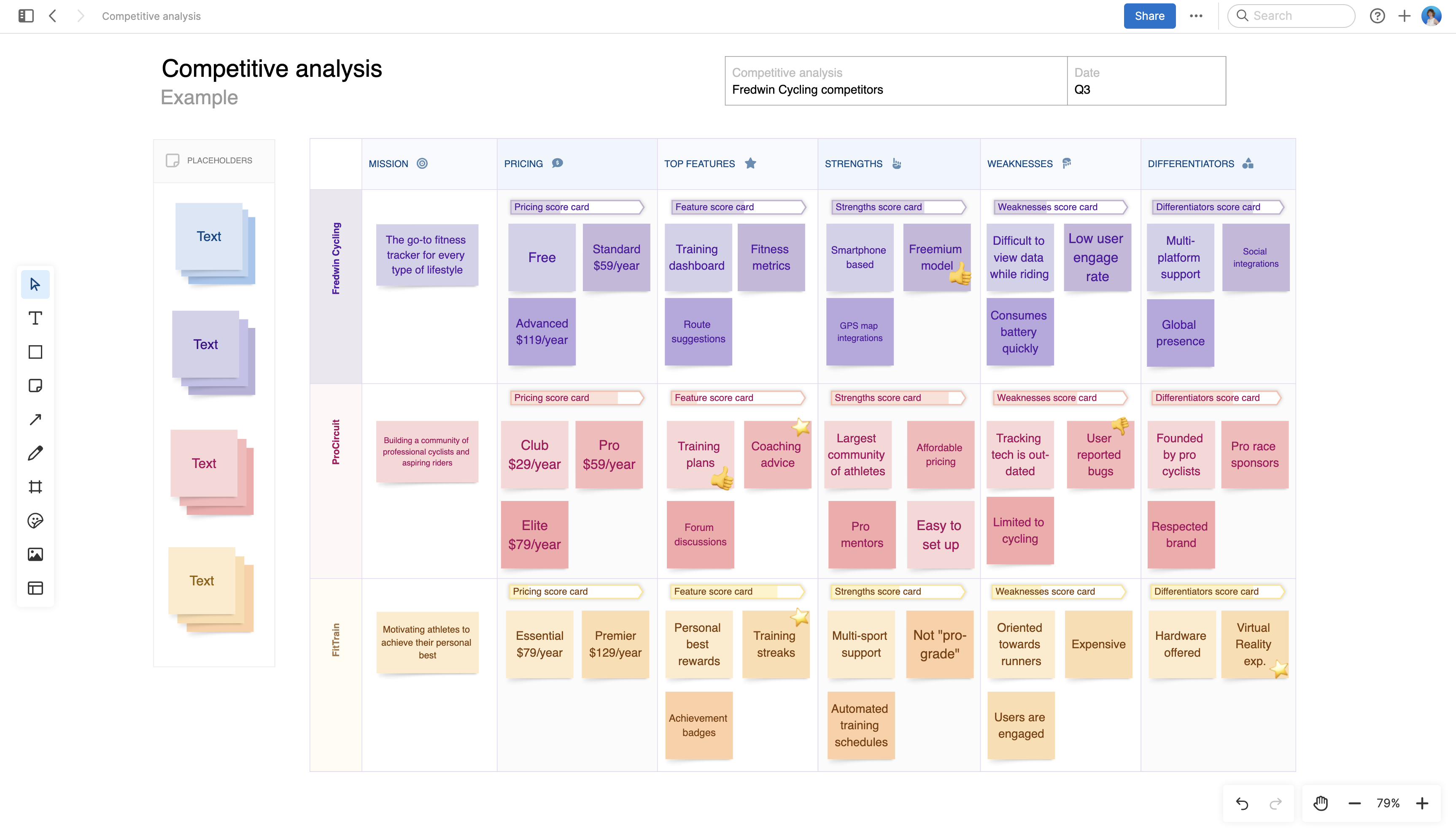
Techniques include SWOT analysis, benchmarking, and market surveys. SWOT analysis helps identify competitors’ strengths and weaknesses. Benchmarking compares your performance with others. Market surveys gather direct feedback from customers.
Ethical Considerations
Collecting competitive intelligence must follow ethical rules. Avoid spying or using false information. Respect privacy laws and data protection regulations. Only use publicly available information or data shared with consent.
Ethical intelligence builds trust with customers and partners. It protects your company’s reputation. Acting fairly sets a good example in your industry.
Crafting Winning Strategies
Crafting winning strategies starts with understanding your competitors well. You must study their moves and find ways to stand out. This helps your business grow and reach more customers. Smart strategies come from clear insights and careful planning.
Focus on what makes your business unique. Use competitor analysis to spot gaps and new chances. This approach leads to stronger plans and better results in the market.
Differentiation Tactics
Differentiation means making your product or service different from others. Look at competitors’ strengths and weaknesses. Offer something unique customers cannot find elsewhere. It could be better quality, unique features, or excellent service. Clear differences help customers choose you over others.
Market Entry And Expansion
Competitor analysis reveals which markets are crowded and which are open. Choose new markets with fewer competitors or less competition. Plan entry strategies carefully to avoid mistakes. Expansion needs research on customer needs and local trends. A smart move can increase your reach and sales.
Pricing And Promotion Approaches
Study competitors’ pricing to set your own smartly. Decide if you want to be cheaper, the same, or more expensive. Use promotions to attract attention and build loyalty. Look at what works for others and improve on it. Good pricing and promotion bring more customers and better profits.
Monitoring And Adapting Continuously
Competitor analysis is not a one-time task. It needs constant watching and quick changes. Markets shift fast. Your rivals also change their moves. Staying updated helps you stay ahead. Continuous monitoring gives a clear picture of their actions. Adapting fast keeps your strategy strong and relevant.
Tracking Competitor Moves
Watch what your competitors do every day. Check their new products, offers, and marketing tactics. Use tools to follow their website and social media updates. Note any changes in pricing or customer service. Small shifts can show their next big plan. Tracking helps you avoid surprises and spot chances.
Refining Strategies Over Time
Use the data from your tracking to improve your plans. Test new ideas based on competitor actions. Cut what does not work and boost what works well. Keep your goals clear and adjust steps to reach them. Regularly changing your strategy keeps you competitive. It helps you grow even when rivals change fast.
Credit: www.aha.io
Frequently Asked Questions
What Is Competitor Analysis In Marketing?
Competitor analysis is the process of identifying and evaluating your business rivals. It helps understand their strengths, weaknesses, strategies, and market position. This insight allows you to improve your own marketing tactics and gain a competitive edge.
Why Is Competitor Analysis Important For Businesses?
Competitor analysis helps businesses spot market trends and identify opportunities. It reveals gaps in the market and highlights threats. This knowledge supports strategic planning and improves decision-making, leading to better customer targeting and increased sales.
How Do You Conduct A Competitor Analysis?
To conduct competitor analysis, start by identifying key competitors. Collect data on their products, pricing, marketing, and customer feedback. Analyze this information to uncover strengths, weaknesses, and market positioning. Use tools like SWOT analysis for deeper insights.
What Tools Are Best For Competitor Analysis?
Popular competitor analysis tools include SEMrush, Ahrefs, SpyFu, and SimilarWeb. These tools provide data on website traffic, keywords, backlinks, and advertising strategies. Using such tools helps businesses gather accurate insights efficiently.
Conclusion
Competitor analysis helps you understand your market better. It shows what your rivals do well and where they miss. Use this knowledge to improve your products and services. Stay aware of changes in your industry to stay ahead. Regularly check your competitors to keep your strategy fresh.
This simple step can guide your business decisions wisely. It helps you serve customers in a smarter way. Keep learning and adapting to grow stronger every day.