Have you ever wondered how much time you really spend on your smartphone each day? You’re not alone.
Smartphones have become a huge part of your life, shaping how you work, communicate, and relax. But do you know the full impact they have on your daily routine? Understanding smartphone usage statistics can reveal surprising facts about your habits and help you make smarter choices.
Keep reading to discover eye-opening numbers that might change the way you see your phone—and yourself.

Credit: www.demandsage.com
Global Smartphone Adoption
Smartphones have become a key part of life worldwide. Their use spreads fast across different regions and groups. Understanding global smartphone adoption shows where technology grows and who uses it most. This helps businesses and people see trends in mobile use.
Growth In Emerging Markets
Emerging markets show strong smartphone growth. Many people buy smartphones for the first time here. Lower prices and better internet access help this rise. Countries in Asia, Africa, and Latin America lead the increase. This growth changes how people work, learn, and communicate.
Age Group Penetration
Young people use smartphones the most. Teens and adults under 35 have nearly full smartphone access. Older adults use smartphones less but the number grows yearly. Younger users rely on phones for social media and games. Older users focus on calls and basic apps.
Urban Vs Rural Usage
Urban areas show higher smartphone adoption rates. Cities have better network coverage and more tech shops. Rural areas lag behind due to less internet and higher costs. Still, rural smartphone use rises steadily as infrastructure improves. This gap closes slowly but surely worldwide.

Credit: www.comscore.com
Daily Usage Patterns
Smartphone usage changes throughout the day. People use their phones for different tasks at different times. Understanding daily usage patterns helps us see how phones fit into our lives.
This section looks at average screen time, peak hours, and the most popular apps.
Average Screen Time
On average, people spend about 4 to 5 hours on their phones daily. This time includes browsing, messaging, and watching videos. Screen time varies by age and location. Younger users often spend more hours compared to older groups. Many check their phones dozens of times a day.
Peak Usage Hours
Phone use peaks in the morning and evening. Most people check their phones shortly after waking up. Usage rises again after work or school. Late night use is common but less intense. Weekend patterns show more varied and longer phone use.
Most Used Apps
Social media apps dominate daily use. Messaging apps come next, helping people stay connected. Video streaming apps also attract many users. Games and shopping apps follow but with less daily use. App preferences change with age and region.
Impact On Communication
Smartphones have changed how people communicate every day. They affect the way we talk, share, and connect with others. Communication is faster and more varied now. People use different apps and tools to stay in touch. This shift impacts personal and work relationships alike.
Shift From Calls To Messaging
Text messaging is more popular than phone calls today. Many users prefer typing short messages over speaking. Messaging apps are quick and easy to use. They let people chat anytime without interrupting work. Group chats help friends and colleagues stay connected all day.
Social Media Engagement
Social media platforms are key in modern communication. People share updates, photos, and videos instantly. These platforms create new ways to interact and express ideas. Users comment, like, and share posts to join conversations. Social media keeps people informed and connected worldwide.
Video Calling Trends
Video calls have grown in popularity recently. They provide face-to-face interaction without meeting in person. Many use video calls for work meetings and family chats. This method feels more personal than text or voice alone. Better internet and cameras support clear video experiences.
E-commerce And Mobile Payments
Smartphones have changed how people shop and pay online. Mobile devices now play a big role in e-commerce and mobile payments. Many users prefer shopping on their phones over using a computer. This shift affects businesses and consumers worldwide. Understanding these trends helps to see how mobile technology shapes buying habits.
Rise Of Mobile Shopping
More people buy products using their smartphones every year. Mobile shopping apps and websites are easier to use than before. Shoppers enjoy the convenience of browsing and buying anywhere. Sales through mobile devices have grown steadily. Retailers focus on mobile-friendly designs to attract customers.
Contactless Payment Growth
Contactless payments are becoming very popular. Users tap or scan their phones to pay quickly. This method is faster than cash or cards. Many stores accept mobile wallets like Apple Pay and Google Pay. Contactless payments offer a smooth and safe shopping experience.
Security Concerns
Security is a top worry for mobile payment users. Risks include hacking and data theft. People want strong protection for their money and information. Businesses use encryption and two-factor authentication. These tools help keep mobile payments safe.
Health And Well-being Effects
Smartphones have become part of daily life. Their use affects health and well-being in many ways. Understanding these effects helps users make better choices. The following sections explore key health concerns linked to smartphone use.
Screen Time And Sleep
Excessive screen time can harm sleep quality. The blue light from screens stops the brain from making melatonin. Melatonin is a hormone that helps people fall asleep. Using phones before bed delays sleep and causes tiredness. Studies show people who use phones late sleep fewer hours. Better sleep means better focus and mood during the day.
Smartphone Addiction
Many users find it hard to stop using their phones. This behavior is called smartphone addiction. It leads to constant checking of apps and messages. Addiction can reduce time for real-life activities and socializing. People may feel anxious without their phones. Recognizing signs of addiction helps users regain control.
Mental Health Implications
Heavy smartphone use links to stress and anxiety. Social media on phones can cause feelings of loneliness or low self-esteem. Comparing oneself to others often leads to sadness. Overuse may increase symptoms of depression in some users. Managing phone use supports better mental health and well-being.
Future Trends In Smartphone Usage
The future of smartphone usage holds many changes. New technology will shape how people use their phones daily. These trends will affect speed, app functions, and device connections.
Understanding these trends helps users and businesses prepare for what’s next. It shows where the smartphone world is heading.
5g Adoption Impact
5G networks grow faster and cover more areas. Phones using 5G provide quicker internet and smoother streaming. This means less waiting and better video calls. Apps will load faster and work better on 5G. More users will choose 5G phones for improved online experience.
Ai Integration In Apps
Artificial intelligence helps apps learn from user habits. Apps can suggest useful features and content. AI improves voice assistants, making conversations easier. It also enhances photo editing and security features. Users get smarter, more helpful apps every day.
Wearables And Smartphone Connectivity
Wearables like smartwatches connect closely with smartphones. They share health data, notifications, and control functions. This link makes tracking fitness and daily tasks simple. Wearables extend smartphone features without needing to pull out the phone. The connection grows stronger as technology advances.

Credit: www.statista.com
Frequently Asked Questions
How Many People Use Smartphones Worldwide?
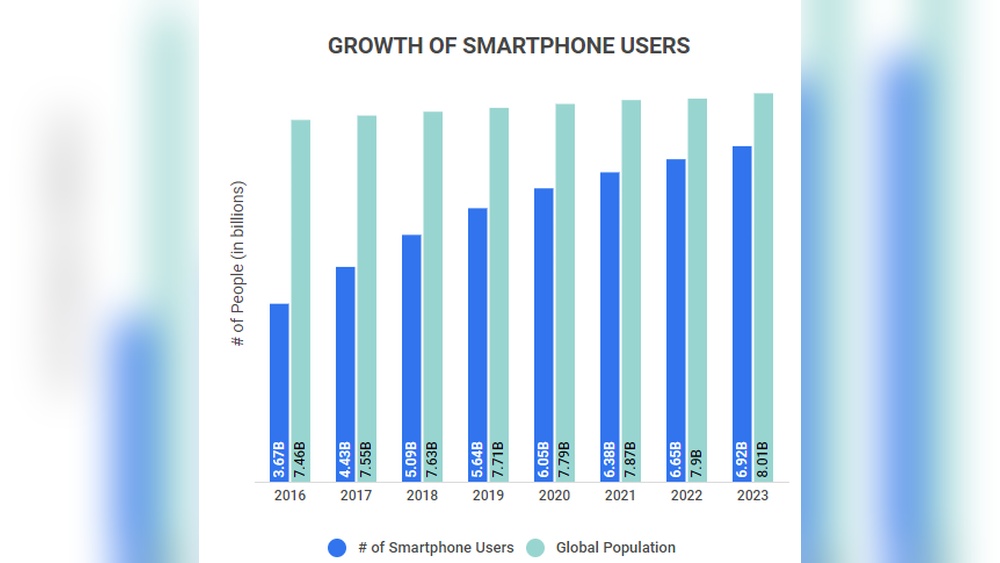
Over 6. 8 billion people use smartphones globally as of 2024. This number reflects increasing mobile connectivity and accessibility worldwide.
What Is The Average Daily Smartphone Usage Time?
The average daily smartphone usage is about 4 hours and 15 minutes. Users spend most time on social media, messaging, and browsing.
Which Age Group Uses Smartphones The Most?
Young adults aged 18-34 have the highest smartphone usage rates. They engage heavily with apps, video streaming, and social networking platforms.
How Has Smartphone Usage Changed Over The Years?
Smartphone usage has steadily increased by over 10% annually. More users rely on smartphones for communication, work, and entertainment.
Conclusion
Smartphones have become a part of daily life for many people. They help us connect, learn, and entertain ourselves anytime. Usage keeps growing as technology improves and prices drop. Knowing how people use smartphones helps businesses and users make better choices.
This data shows trends and habits worldwide. It also highlights the impact on social and work life. Staying aware of these facts helps us use devices wisely. Smartphones will likely remain important for years to come. Understanding usage helps prepare for future changes.