Have you ever wished your experiences could feel more alive and engaging? Interactive content is the secret to making that happen.
It grabs your attention, keeps you curious, and makes you feel involved every step of the way. Whether you’re learning something new, shopping online, or just having fun, interactive elements can turn ordinary moments into exciting adventures. Keep reading to discover how interactive tools can change the way you connect, learn, and enjoy your favorite activities.

Credit: elearningindustry.com
Why Interactive Experiences Matter
Interactive experiences catch attention. They invite users to take part, not just watch. This active role keeps users interested for longer. It makes the experience memorable and enjoyable.
People like to feel involved. Interaction builds a connection between the user and the content. It encourages curiosity and exploration. This connection helps users understand and remember information better.
Impact On User Engagement
Interactive content grabs users quickly. It stops scrolling and makes them click or tap. This action increases time spent on a page. More time means better chances to share or buy.
Users feel in control with interactive features. They can choose paths or answers. This choice makes the experience personal and fun. Personal experiences lead to higher satisfaction and return visits.
Benefits For Business Outcomes
Businesses gain from stronger user engagement. More engaged users often become customers. Interactive tools help explain products clearly. Clear explanations reduce doubts and boost sales.
Data from interactions shows what users like. This helps businesses improve their services. It also guides marketing strategies for better results. Interactive experiences create loyal customers and increase profits.
Credit: elearningindustry.com
Types Of Interactive Experiences
Interactive experiences make digital content more fun and engaging. They invite users to participate actively instead of just watching or reading. This active participation helps people remember information better and enjoy the process more. Different types of interactive experiences suit different goals and audiences. Here are some common types that work well for many websites and apps.
Quizzes And Polls
Quizzes and polls are simple ways to engage users. They ask questions and collect answers quickly. Quizzes test knowledge or help users discover something about themselves. Polls gather opinions and show results instantly. Both types encourage users to interact and share their views. They are easy to create and share on social media too.
Augmented Reality
Augmented reality (AR) adds digital objects to the real world through a device. Users can see and interact with virtual items in their own space. AR works well for shopping, education, and entertainment. For example, users can try on clothes or furniture before buying. AR makes experiences more immersive and memorable.
Interactive Videos
Interactive videos let viewers make choices during playback. They can click on objects or answer questions inside the video. This keeps users interested and involved throughout the story. Interactive videos work well for training, marketing, and storytelling. They create a unique experience for each viewer.
Gamification Elements
Gamification adds game-like features to non-game content. Points, badges, and leaderboards motivate users to participate more. Challenges and rewards make tasks feel fun and less boring. Gamification helps increase user engagement and loyalty. It works well in education, fitness apps, and customer rewards programs.
Designing For Engagement
Designing for engagement means creating experiences that keep users interested. It focuses on making digital spaces easy and fun to use. Good design invites users to explore and interact without confusion. This approach helps build trust and encourages users to return.
Engagement grows when users feel valued and understood. Designers must think about what users want and how they behave. This section covers key strategies to design with engagement in mind.
User-centered Design Principles
User-centered design puts the user first in every step. It starts by understanding user needs and goals. Design choices should solve real problems for users. Testing with real users helps find issues early. Clear navigation and simple layouts reduce frustration. The focus stays on making the experience smooth and enjoyable.
Personalization Techniques
Personalization tailors content to each user’s interests. It shows relevant information based on user behavior. Simple techniques include greeting users by name or remembering preferences. Personalized recommendations keep users exploring more content. This approach creates a feeling of connection. It makes users feel the design was made just for them.
Mobile Optimization
Most users access websites on mobile devices today. Mobile optimization ensures designs work well on small screens. Buttons should be large enough to tap easily. Text must be readable without zooming. Fast loading times improve the user experience. A mobile-friendly design keeps users engaged anywhere, anytime.
Tools And Technologies
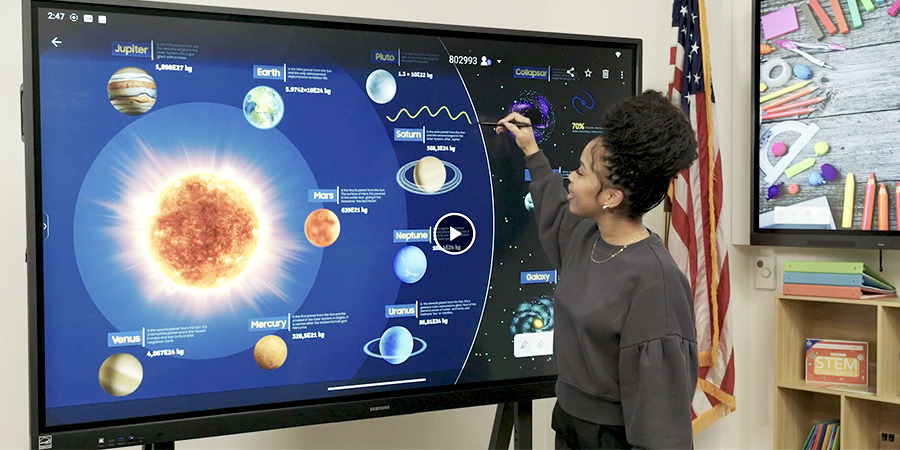
Interactive content needs the right tools and technology. These tools help create, manage, and analyze user engagement. They make the experience smooth and efficient. The right technology also helps understand user behavior better.
Popular Platforms And Software
Many platforms support interactive content creation. WordPress and Wix offer easy drag-and-drop builders. Tools like Canva and Adobe Spark help design visuals. SurveyMonkey and Typeform create quizzes and surveys. These platforms require little technical skill to use. They work well for blogs, websites, and marketing.
Integrating Ai And Machine Learning
AI and machine learning improve interactivity. Chatbots answer questions instantly. AI personalizes content based on user choices. Machine learning suggests relevant products or articles. These technologies make content smarter and more user-friendly. They adapt to what users want without delay.
Analytics And Tracking
Tracking tools measure how users interact. Google Analytics shows visitor behavior and trends. Heatmaps reveal where users click most. These insights help improve content and design. Tracking ensures interactive content meets user needs. It guides future updates and changes.
Measuring Success
Measuring success is vital for any interactive project. It helps you see what works and what needs improvement. Without clear measurement, you cannot know if your efforts bring results. Tracking data guides better decisions and improves user experience.
Key Performance Indicators
Key Performance Indicators (KPIs) show how well your interactive content performs. Common KPIs include user engagement, click rates, and conversion rates. These numbers provide clear goals. Setting specific KPIs helps focus on what matters most. They act as benchmarks to track progress over time.
User Behavior Analysis
User behavior analysis studies how people interact with your content. It reveals patterns like time spent, clicks, and navigation paths. Heatmaps and session recordings are helpful tools. Understanding user actions highlights what attracts or frustrates users. This insight helps improve design and content flow.
Adjusting Strategies Based On Data
Data-driven adjustments improve your interactive project continuously. Use collected data to refine content and features. Test changes and compare results with previous data. This process ensures your project evolves to meet user needs. Regular updates keep users engaged and satisfied.
Credit: insights.samsung.com
Case Studies And Examples
Case studies and examples show how interactive content works in real life. They help us see what brands do to engage their audience. Real stories give useful lessons for anyone who wants to use interactive content.
These examples prove that interactive content can increase user interest and boost brand awareness. They also show what methods bring the best results. Learning from these cases helps create better marketing strategies.
Brands Leveraging Interactive Content
Many top brands use interactive content to connect with customers. For example, Nike creates quizzes and polls to involve their audience. These tools keep users active and interested in the brand.
Another brand, Starbucks, uses interactive maps and games during promotions. It helps customers find stores and win prizes. This kind of engagement increases visits and sales.
Sephora offers a virtual makeup try-on tool. Customers can see how products look before buying. This interactive feature reduces doubts and improves the shopping experience.
Lessons From Successful Campaigns
Successful campaigns show simple interactive ideas can have big impact. Clear instructions and easy navigation keep users involved. Complex tools may confuse users and lower interest.
Timing also matters. Campaigns launched during holidays or events get more attention. This increases interaction and brand recall.
Personalization works well. Custom quizzes or recommendations make users feel special. It helps build trust and encourages repeat visits.
Frequently Asked Questions
What Is An Interactive Experience?
An interactive experience allows users to engage actively with content. It promotes participation and improves user involvement. This approach enhances learning, entertainment, and communication by creating a two-way interaction.
How Does Interactive Content Benefit Businesses?
Interactive content increases user engagement and retention. It boosts brand awareness and generates quality leads. Businesses gain valuable insights from user interactions to refine marketing strategies.
What Are Common Types Of Interactive Content?
Popular interactive content includes quizzes, polls, videos, and infographics. These formats encourage user participation and feedback. They help make information more appealing and memorable.
Why Is Interactivity Important In Digital Marketing?
Interactivity drives higher audience engagement and conversions. It creates personalized experiences that foster customer loyalty. Interactive marketing stands out in crowded digital spaces.
Conclusion
Interactive content keeps users engaged and makes learning fun. It helps people understand ideas better and stay interested longer. Simple tools and games can create a strong connection with the audience. This type of content works well on websites and social media.
Anyone can start using interactive elements to improve communication. Try adding quizzes, polls, or videos to your content mix. Small changes can bring big improvements in user experience. Keep content clear, easy, and inviting for the best results. Interactive content is a smart way to grow your reach and keep visitors coming back.