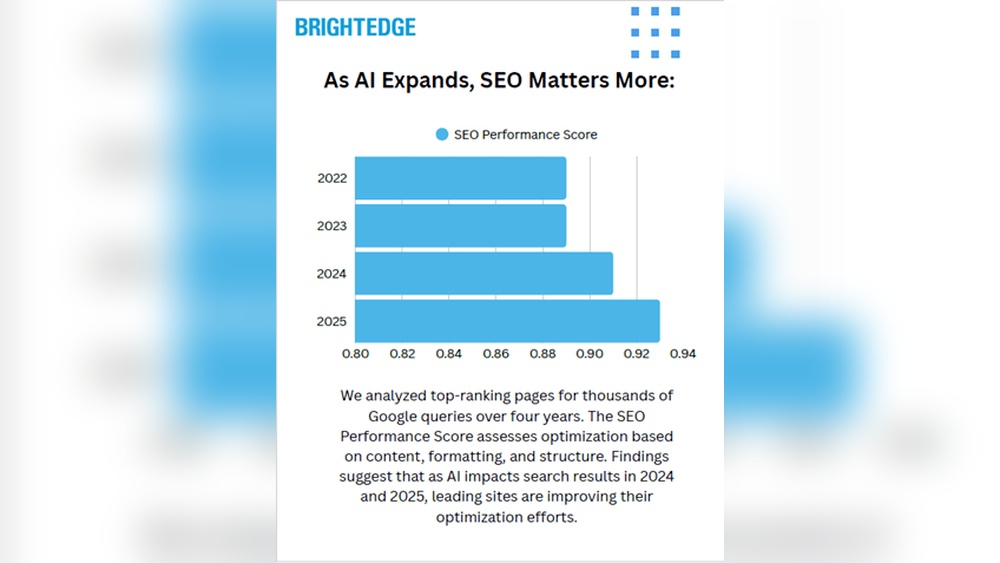
Have you ever wondered why some websites pop up at the top of your search results while others get buried? The secret often lies in understanding user behavior and how it affects SEO.
When you know what your visitors want and how they interact with your site, you can make smart changes that boost your rankings and keep people coming back. You’ll discover simple ways to use user behavior to improve your SEO and get the results you want.
Stick around—you’re about to unlock powerful insights that can transform your online presence.
User Behavior’s Impact On Seo
User behavior plays a big role in SEO. Search engines watch how users act on websites. These actions help search engines decide which pages are useful and relevant. A website that keeps users engaged will rank higher in search results. Understanding user behavior helps improve SEO strategies and content quality.
How Search Engines Interpret User Signals
Search engines track user signals to measure page value. They check how long users stay on a page. If visitors leave quickly, the page may seem less useful. Search engines also note if users visit many pages on a site. This shows interest and good content. Click patterns on search results also matter. Pages with more clicks often rank better.
Key User Metrics Affecting Rankings
Several user metrics impact SEO rankings directly. Bounce rate tells how many visitors leave right away. A low bounce rate means users find the content helpful. Dwell time measures how long users spend on a page. Longer dwell time signals quality content. Pages per session show how many pages users view. More pages indicate better user engagement. Click-through rate (CTR) shows how many users click a link. Higher CTR means the page attracts interest.

Credit: www.searchenginejournal.com
Analyzing User Engagement
Analyzing user engagement helps understand how visitors interact with a website. It reveals if users find the content useful and stay longer. Search engines use this data to rank pages better. Monitoring engagement metrics improves SEO and user experience.
Bounce Rate And Its Seo Implications
Bounce rate shows the percentage of visitors who leave after viewing one page. A high bounce rate may signal poor content or slow loading times. Search engines might lower rankings for pages with high bounce rates. Improving page speed and relevance helps reduce bounce rates.
Dwell Time And Session Duration Insights
Dwell time measures how long a user stays before returning to search results. Longer dwell times suggest content is valuable and engaging. Session duration tracks total time spent on a website during a visit. Both metrics influence search rankings and show content quality.
Click-through Rate Optimization
Click-through rate (CTR) is the ratio of users clicking on a link to those who see it. High CTR means the title and description attract users well. Optimizing meta tags and headlines increases CTR and drives more traffic. Better CTR can improve a page’s SEO performance.
Optimizing Content For User Intent
Optimizing content for user intent means creating content that answers what users really want. Search engines reward pages that match user needs closely. This practice improves rankings and keeps visitors engaged longer.
Understanding user intent helps you write relevant content. It guides the tone, style, and structure of your pages. Content that fits user intent feels natural and useful to readers. This approach builds trust and encourages return visits.
Matching Content With Search Queries
Start by studying the words users type in search boxes. These words reveal their goals. Are they seeking information, products, or quick answers? Tailor your content to fit these needs exactly.
Use clear headlines and subheadings that reflect search phrases. Write short paragraphs that address specific questions. Avoid vague or unrelated details. Make sure your content matches the user’s purpose from start to finish.
Creating Interactive And Valuable Content
Engage visitors by adding interactive elements. Quizzes, polls, and calculators keep users active. Interactive content holds attention and improves user experience.
Provide useful tips, examples, and clear instructions. Content should solve problems or explain ideas simply. Valuable content encourages sharing and builds authority. Always aim to help users complete their tasks or find answers easily.

Credit: www.networksolutions.com
Improving Site Usability
Improving site usability is key to better user behavior and SEO. A site easy to use keeps visitors longer. It lowers bounce rates and raises page views. Search engines notice this and rank sites higher.
Focus on making your site simple and fast. Clear menus and smooth navigation help users find content fast. Mobile users expect a site that works well on small screens. Speed also matters; slow sites frustrate visitors and lose traffic.
Mobile-friendly Design And Speed
Most users browse on phones. A mobile-friendly design fits all screen sizes. Text stays readable without zooming. Buttons are easy to tap. Images adjust to fit the screen.
Site speed is crucial on mobile. Fast loading pages keep users engaged. Compress images and use caching to boost speed. Avoid heavy scripts that slow down the site. A quick mobile site improves SEO and user experience.
Navigation And User Experience Enhancements
Clear navigation helps users find what they want quickly. Use simple menus with few categories. Breadcrumbs show visitors where they are. A search bar helps users look for content fast.
Good user experience means fewer clicks to reach key pages. Use consistent colors and fonts for easy reading. Make sure links are easy to spot. Test your site on different devices to fix issues.
Leveraging Behavioral Data Tools
Behavioral data tools help you understand how visitors act on your website. These tools show what users like, where they click, and how long they stay. Using this data improves your SEO by making your site easier to use. You can fix problems and give visitors a better experience.
Tracking user behavior helps you see which pages work well and which need changes. It also helps you find the best ways to keep visitors interested. This leads to higher search rankings and more traffic.
Using Analytics To Track User Patterns
Analytics tools collect data about user visits. They show pages visited, time spent, and bounce rates. This data reveals what content grabs attention and what turns users away. You can spot trends and adjust your site to meet user needs. Regularly checking analytics helps keep your site updated and relevant.
Heatmaps And User Interaction Analysis
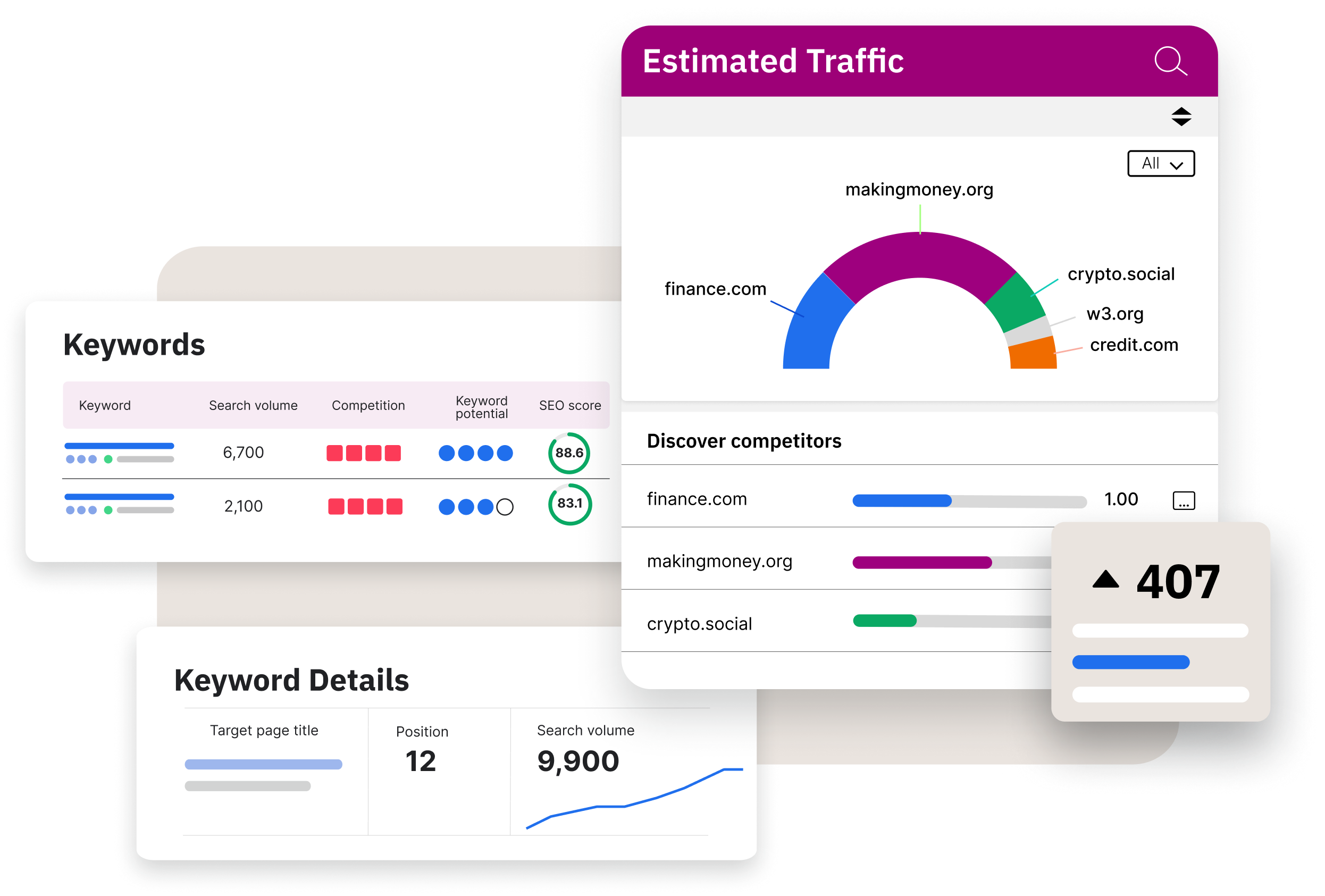
Heatmaps show where users click or scroll on a page. They highlight popular spots and ignored areas. This helps you arrange content and buttons better. User interaction analysis measures clicks, taps, and scrolls. It reveals how easy your site is to use. Improving these areas keeps visitors engaged longer. This helps search engines see your site as useful and valuable.
Credit: www.siteimprove.com
Strategies To Boost Rankings Quickly
Boosting SEO rankings quickly needs smart actions. User behavior plays a big role in search rankings. Search engines watch how users interact with your site. Fast improvements come from testing and feedback. Focus on user experience to see fast results.
A/b Testing For Seo Improvements
A/B testing means trying two versions of a page. Show version A to some visitors and version B to others. Check which version keeps users longer or gets more clicks. Use results to keep the best version. Small changes in headlines, images, or buttons can help.
Test page speed and layout too. Faster pages keep users happy and rank higher. Test different calls to action to see what works best. This method helps find what users want quickly. Keep testing regularly to stay ahead.
Implementing User Feedback For Rapid Gains
User feedback shows what needs fixing or improving. Ask visitors what they like or dislike on your site. Use surveys, polls, or simple feedback forms. Fix common issues like slow loading or confusing navigation fast.
Listen to user questions and comments on forums or social media. Update your content to answer user needs clearly. Make your site easy to use and trustworthy. Fast fixes based on feedback improve rankings quickly.
Frequently Asked Questions
What Is The Role Of User Behavior In Seo?
User behavior signals like click-through rate and dwell time influence search rankings. They show how users engage with content. Positive behavior indicates relevance, improving SEO performance and visibility.
How Does Bounce Rate Affect Seo Rankings?
A high bounce rate suggests users don’t find content useful. Search engines may lower rankings for pages with poor engagement, impacting overall SEO success.
Why Is Dwell Time Important For Seo?
Dwell time measures how long users stay on a page after clicking a search result. Longer dwell times signal quality content, boosting SEO rankings.
Can User Behavior Improve Keyword Strategy?
Yes, analyzing user interactions helps identify popular keywords and content preferences. This data refines keyword targeting for better SEO results.
Conclusion
User behavior shapes how search engines rank websites. Understanding what visitors want helps improve SEO strategies. Engaging content keeps users on your site longer. Fast loading times and easy navigation matter a lot. Search engines notice when visitors interact well.
Tracking user actions reveals what works and what doesn’t. Focus on user needs to boost your site’s visibility. Small changes can lead to better search rankings. Keep testing and adjusting based on real user data. Your SEO grows stronger when you put users first.
Simple steps create better experiences and higher traffic.