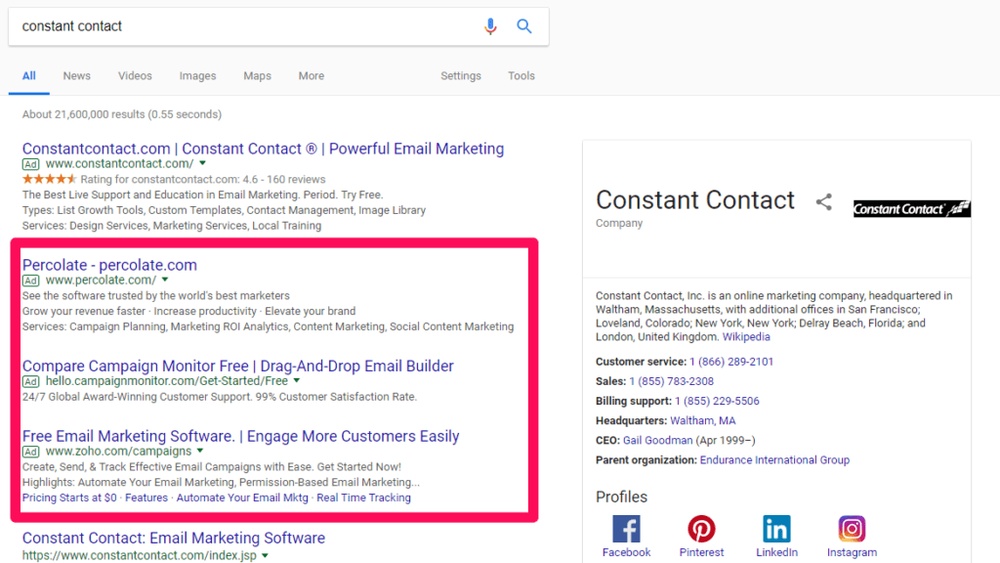
Are you struggling to get your ads noticed in a crowded market? Competitor search ads might be the secret weapon you need.
By targeting the same keywords as your competitors, you can capture the attention of potential customers right when they’re searching for similar products or services. Imagine turning your rivals’ audience into your own—sounds powerful, right? Keep reading to discover how competitor search ads work and how you can use them to boost your visibility and grow your business faster than you thought possible.
Why Competitor Search Ads Matter
Competitor search ads play a vital role in digital marketing. They help businesses stay visible and relevant. These ads appear when someone searches for a competitor’s brand or product. This strategy can shift market dynamics and influence buyer decisions. Understanding why these ads matter helps you use them wisely.
Impact On Market Position
Competitor search ads directly affect your market position. They increase your brand’s visibility to customers searching for others. This can reduce your competitor’s traffic and attract new visitors to your site. The ads create a chance to present your unique offers. It helps build awareness and challenge market leaders.
Influence On Customer Choices
Customers often compare options before buying. Competitor search ads give them alternative choices right away. These ads highlight your benefits and special deals. This information can sway customers to pick your brand instead. It builds trust and encourages potential buyers to consider you seriously.
Key Strategies To Target Competitor Ads
Targeting competitor search ads can boost your campaign’s reach and visibility. It lets you show ads to users already interested in similar products or services. This strategy helps attract potential customers who may switch from competitors. Careful planning and smart tactics improve your chances of success.
Focus on key strategies that make your ads stand out. Use the right keywords, write strong ad copy, and manage bids wisely. These steps increase your ad’s chance to appear above competitors.
Keyword Selection Techniques
Choose keywords your competitors use in their ads. Use tools to find competitor brand names and product terms. Add related keywords that users might type before buying. Include long-tail keywords to reach specific searchers. Avoid very broad terms that waste budget. Keep your keyword list relevant and targeted.
Crafting Compelling Ad Copy
Write clear and simple ads that highlight your strengths. Show benefits that your competitor ads might miss. Use calls to action that invite users to click. Include special offers or unique features. Keep sentences short and easy to read. Test different versions to find what works best.
Bid Management Tips
Set bids based on keyword value and competition. Increase bids on high-performing competitor keywords. Lower bids on less effective terms to save budget. Use automated bidding tools for better control. Monitor your bids regularly and adjust based on results. Balance cost with ad position to maximize ROI.
Tools For Competitor Ad Analysis
Analyzing competitor search ads helps improve your own campaigns. Using the right tools makes this task easier and more effective. These tools show what ads your competitors run and how they perform. You can find new keywords, ad copies, and strategies to try.
Popular Monitoring Platforms
Several platforms offer competitor ad data in one place. SEMrush shows competitor keywords and ad history. SpyFu reveals competitor ad budgets and keywords. AdBeat tracks display ads and video campaigns across many sites. These tools update data often to keep you informed.
Tracking Competitor Campaigns
Tracking competitor campaigns helps you see their ad changes over time. Tools let you monitor ad frequency and placement. You can spot trends and react quickly. Tracking also helps find gaps where your ads can stand out. Consistent monitoring gives you a clear picture of your market.

Credit: www.tmedia.cl
Measuring Success And Roi
Measuring success and ROI in competitor search ads helps you know if your ads work well. It shows how much money you get back from what you spend. Tracking the right data points is key to improving your ad campaigns. You can decide what to change to get better results.
Essential Metrics To Track
Click-through rate (CTR) shows how many people click your ad. A higher CTR means your ad is interesting. Cost per click (CPC) tells how much you pay for each click. Lower CPC saves your budget. Conversion rate shows the percent of visitors who take action. It could be buying or signing up. Return on ad spend (ROAS) measures money earned from ads. Positive ROAS means your ads make profit.
Optimizing Campaign Performance
Use data from metrics to improve ads. Test different headlines and descriptions to find what works best. Adjust bids to get better ad placement. Pause ads that perform poorly to save budget. Focus on keywords that bring quality traffic. Track changes and compare results regularly. This helps keep your campaigns efficient and cost-effective.
Legal And Ethical Considerations
Competitor search ads can boost traffic and sales. Still, legal and ethical limits guide their use. These rules protect brands and keep ads fair. Ignoring them can cause legal trouble and harm reputations. Understanding these rules helps create safe, effective campaigns.
Avoiding Trademark Issues
Using a competitor’s trademark in ads can cause problems. Many places ban using others’ brand names without permission. Search engines may reject ads with trademark violations. The best way is to avoid using exact competitor names. Focus on related keywords instead. This approach reduces risk and keeps ads running smoothly.
Maintaining Brand Integrity
Respecting competitors’ brands shows good business ethics. Ads should not confuse or mislead customers. Avoid copying competitor ad text or designs. Honest ads build trust with your audience. Clear, truthful messages help your brand grow. Ethical ads create fair competition and better customer experiences.

Credit: www.goinflow.com
Case Studies Of Effective Campaigns
Competitor search ads can boost your ad performance by targeting rivals’ keywords. Real examples show how businesses use these ads to grow their traffic and sales. These case studies highlight tactics that work well for different company sizes and goals.
Small Business Wins
A local bakery used competitor search ads to reach nearby customers. They targeted keywords used by a bigger chain. The ads showed special offers and unique products. This strategy raised their website visits by 40% in just two months. More visits turned into more orders and better brand awareness.
Another small retailer focused on competitor brand names in their ads. They created clear messages about fast shipping and better prices. This approach helped the retailer attract shoppers who wanted quick delivery. Their sales increased by 25% during the campaign period.
Enterprise-level Strategies
A large tech company ran competitor search ads during product launches. They highlighted features their rivals missed. This helped them capture users comparing different brands. The campaign generated millions of clicks and improved market share.
Another enterprise used competitor ads to protect their brand online. They bid on competitor keywords to keep users within their own ad space. This tactic reduced competitor traffic and kept customers loyal. The company saw a 15% drop in lost sales caused by competitor ads.

Credit: www.wordstream.com
Frequently Asked Questions
What Are Competitor Search Ads?
Competitor search ads are paid ads targeting keywords related to rival brands. They help capture competitor traffic and increase visibility. These ads appear on search engines when users look for competitors. They boost brand awareness and can drive more qualified leads to your site.
How Do Competitor Search Ads Improve Marketing?
They improve marketing by attracting competitor’s audience. These ads increase click-through rates and conversions. By targeting competitor keywords, you gain a strategic advantage. They also provide insights into competitor strategies and customer behavior. This helps optimize your overall ad campaigns effectively.
Are Competitor Search Ads Ethical?
Yes, competitor search ads are ethical when following advertising guidelines. Avoid misleading claims or trademark infringement. Transparency and honesty in ads maintain trust. Always comply with search engine policies. Using competitor names in ads is legal if done properly.
What Budget Is Needed For Competitor Search Ads?
Budget depends on keyword competitiveness and campaign goals. Highly competitive keywords usually cost more per click. Start with a test budget to assess performance. Adjust spending based on ROI and campaign success. Proper budgeting ensures effective and sustainable ad campaigns.
Conclusion
Competitor search ads help you see what others are doing online. You can learn which words bring them traffic. Use this knowledge to create better Google Ads. Watch your ads closely and change them often. This keeps your campaign fresh and strong.
Small steps can lead to big results. Stay patient and keep testing new ideas. Success comes from understanding and acting on your data.
Vill du maximera dina kampanjresultat? Kontakta Hive Creatives för expertis inom Google Ads och betald annonsering.