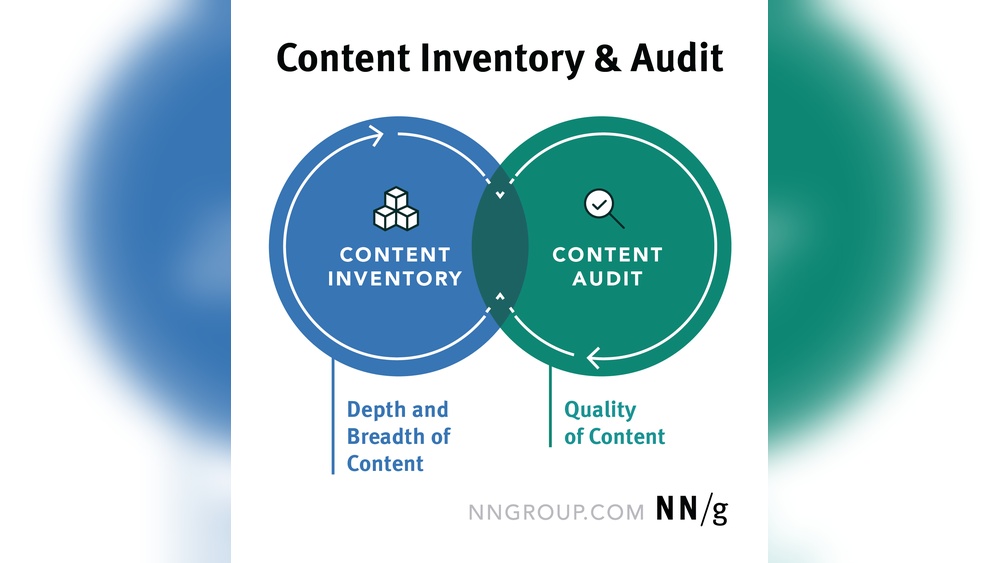
Are you struggling to make your content work harder for your business? A content audit might be exactly what you need.
By taking a close look at all your existing content, you can discover what’s helping you grow and what’s holding you back. Imagine turning every blog post, video, or webpage into a powerful tool that attracts more visitors and keeps them coming back.
This article will guide you step-by-step through the process of content audits, so you can boost your results without starting from scratch. Keep reading to unlock the full potential of your content!
Why Content Audits Matter
Content audits play a key role in maintaining a website’s health and growth. They help you see what content works well and what needs improvement. Regular audits keep your site relevant and useful for visitors. They also guide your content strategy for better results.
Impact On Seo And Traffic
Content audits reveal which pages rank well on search engines. They show which keywords bring visitors to your site. Removing or updating weak content boosts your site’s overall SEO. Search engines favor fresh, relevant content. This means audits help increase organic traffic over time.
Identifying Content Gaps
Audits highlight missing topics your audience wants. They find areas where content is thin or outdated. Filling these gaps improves your site’s value. It also helps attract new visitors with fresh information. This keeps your content complete and competitive.
Improving User Experience
Content audits check if pages are easy to read and navigate. They find broken links, slow pages, and confusing layouts. Fixing these issues keeps visitors engaged longer. A smooth experience encourages users to explore more. Happy visitors are more likely to return.
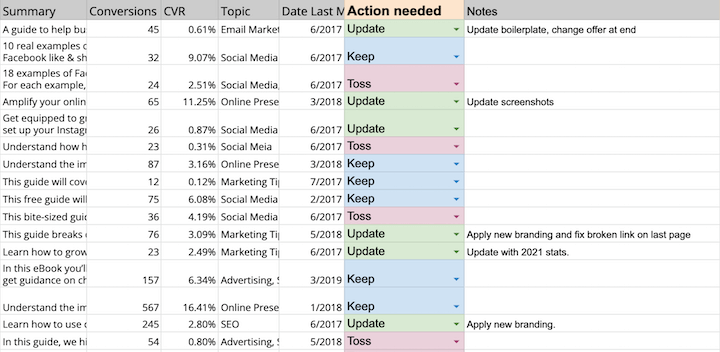
Credit: www.wordstream.com
Preparing For A Content Audit
Preparing for a content audit sets the foundation for success. It helps you focus your efforts and saves time. Clear steps make the process smooth and organized.
Before starting, gather the right tools and list all your content. This preparation gives you a clear picture of what you have and what needs work.
Setting Clear Goals
Define what you want from the audit. Do you want to improve SEO, update old posts, or remove duplicate content? Clear goals guide your actions and decisions.
Write down your goals. Keep them specific and realistic. This helps measure progress and success later.
Gathering Necessary Tools
Choose tools for tracking and analyzing your content. Examples include spreadsheets, SEO software, and website crawlers.
Use simple tools that fit your skills. This saves effort and avoids confusion during the audit.
Compiling Content Inventory
List all your website content in one place. Include blog posts, pages, videos, and images.
Collect URLs, titles, publish dates, and key metrics. This inventory acts as your audit checklist and reference.
Analyzing Your Content
Analyzing your content is a key step in a content audit. It helps you find what works and what does not. This process guides your next moves. You gather data and insights to improve your content’s impact and reach.
Focus on three main areas. First, check how your content performs. Next, find SEO problems that hold you back. Last, judge the quality of your content. Each step reveals important details to enhance your site.
Evaluating Performance Metrics
Look at data such as page views, time on page, and bounce rate. These numbers show how users interact with your content. High page views with low engagement suggest issues. Use tools like Google Analytics to collect this data. Tracking conversions helps measure content success too.
Checking For Seo Issues
Scan your content for broken links and missing meta tags. Check if keywords match user searches. Analyze page speed and mobile friendliness. SEO problems lower your content’s ranking in search results. Fixing these issues improves visibility and traffic.
Assessing Content Quality
Read your content carefully. Check for clear language and correct grammar. Ensure information is accurate and up to date. Content should answer user questions fully. Remove duplicate or thin content. Quality content builds trust and keeps visitors longer.
Strategies To Enhance Content
Improving your content is key after a content audit. It helps keep your site fresh and useful. Good strategies can boost your traffic and user experience. Focus on key actions that improve value and clarity. These steps help your site rank better and attract visitors.
Updating And Refreshing Old Posts
Old posts can lose value over time. Update facts, stats, and examples to keep them current. Add new information to make posts more helpful. Refresh titles and meta descriptions to improve SEO. This keeps your content relevant and appealing to readers.
Consolidating Similar Content
Many sites have multiple pages on the same topic. Combine these pages into one strong post. This reduces confusion and avoids content competition. A single, detailed page performs better in search results. It also offers a better experience for readers.
Removing Or Redirecting Low-value Pages
Some pages bring little traffic or value. Remove outdated or thin content that does not help users. Redirect old pages to related, stronger content. This cleans up your site and improves overall quality. Search engines favor well-organized websites with useful content.
Leveraging Data For Traffic Growth
Using data is key to growing website traffic. Data helps find what works and what does not. It guides smart decisions to improve content and attract more visitors.
Analyzing content performance shows what topics interest users most. Adjusting content to match user needs keeps visitors engaged. Using links smartly helps spread traffic across your site.
Identifying High-performing Topics
Start by checking which topics get the most visits and shares. Use analytics tools to see pages with high traffic. Focus on content that holds attention and earns clicks.
Spot common themes in your top content. Create more posts around these themes. This builds authority and attracts steady traffic.
Optimizing For User Intent
Understand what users want when they search. Match your content to their questions and needs. Clear, helpful answers keep visitors on your site longer.
Use simple language and direct answers. This improves user experience and search rankings. Tailor your content to solve problems or provide useful info.
Using Internal Linking Effectively
Link related content within your site to guide visitors. Good internal links help users find more useful pages. This increases time spent on site and reduces bounce rates.
Use clear anchor text that describes the linked page. Link from high-traffic pages to newer or important posts. This shares page authority and boosts SEO.
Tools To Streamline Audits
Content audits can be time-consuming and complex. Using the right tools helps simplify the process. These tools organize data, highlight issues, and suggest improvements. They save time and improve accuracy. Here are key tools to streamline your content audits.
Popular Audit Software
Audit software scans your website for broken links, outdated content, and SEO errors. These tools give detailed reports and action plans. Examples include Screaming Frog and Sitebulb. They help identify pages that need updates or removal. Using audit software speeds up the review process.
Analytics Platforms
Analytics platforms track user behavior and traffic on your site. Google Analytics is a widely used option. It shows which pages get the most visits and how users interact with content. This data helps prioritize which pages to improve. Analytics platforms provide real numbers for better decisions.
Seo Plugins And Extensions
SEO plugins analyze content directly within your website’s dashboard. Plugins like Yoast SEO and Rank Math check keywords, readability, and meta tags. Browser extensions such as MozBar offer quick SEO insights. These tools make it easy to spot SEO issues while editing content.
Maintaining Ongoing Content Health
Maintaining ongoing content health keeps your website fresh and relevant. It helps improve user experience and search rankings. Regular checks catch issues early and keep content aligned with goals.
Scheduling Regular Audits
Set a fixed schedule for content audits. Monthly or quarterly checks work well for most sites. Consistency helps identify outdated or underperforming content. It ensures your website stays useful and up to date.
Tracking Changes And Results
Keep a record of content updates and performance. Use tools to monitor traffic, engagement, and rankings. Tracking shows what works and what needs improvement. It guides smarter content decisions over time.
Adapting To Algorithm Updates
Search engines change their rules often. Stay informed about updates from major platforms. Adjust your content strategy to fit new guidelines. This keeps your site visible and competitive in search results.
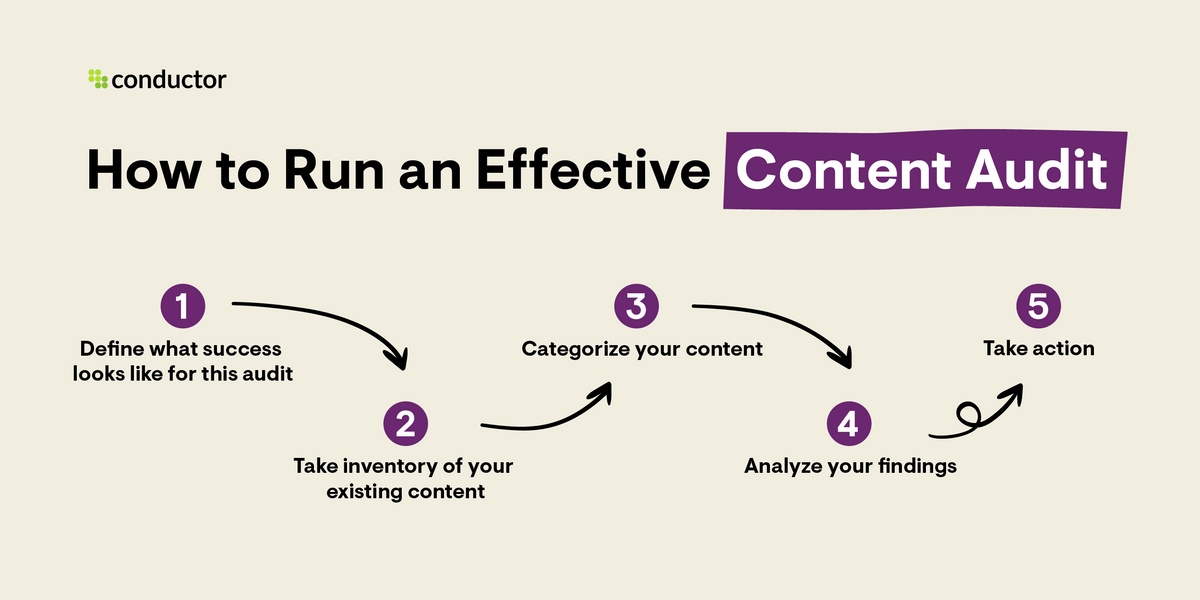
Credit: www.conductor.com

Credit: www.brightedge.com
Frequently Asked Questions
What Is A Content Audit And Why Is It Important?
A content audit evaluates all website content for quality and relevance. It helps identify gaps, improve SEO, and boost user engagement. Regular audits ensure content stays updated, aligned with goals, and supports overall marketing strategy effectively.
How Often Should I Perform A Content Audit?
Perform a content audit at least once a year. More frequent audits benefit active websites with frequent updates. Regular reviews keep content fresh, optimize SEO, and maintain high user experience standards consistently.
What Tools Can Help With Content Audits?
Popular content audit tools include Google Analytics, SEMrush, and Screaming Frog. These tools analyze traffic, SEO metrics, and content quality. Using them simplifies identifying weak content and opportunities for improvement efficiently.
How Do Content Audits Improve Seo Performance?
Content audits identify outdated or low-performing pages. Updating or removing such content boosts rankings and user engagement. Audits also help optimize keywords and internal linking, enhancing overall SEO strategy and site authority.
Conclusion
Regular content audits help keep your website fresh and useful. They show what works and what needs change. You can find old or weak content to improve or remove. This keeps visitors happy and boosts your search rankings. Set a schedule to check your content often.
Small updates can make a big difference over time. Stay focused on your audience’s needs and goals. Content audits are a simple step to grow your online presence steadily and clearly.