Are you struggling to get your website noticed despite publishing lots of content? You might be missing something crucial—content gaps.
These hidden holes in your content strategy can stop you from attracting the right audience and ranking higher on search engines. Imagine unlocking those gaps and instantly making your content more valuable, relevant, and engaging. You’ll discover exactly what content gaps are, why they matter to your success, and how you can find and fix them to boost your online presence.
Keep reading, because closing these gaps could be the game-changer your website needs.
What Is A Content Gap
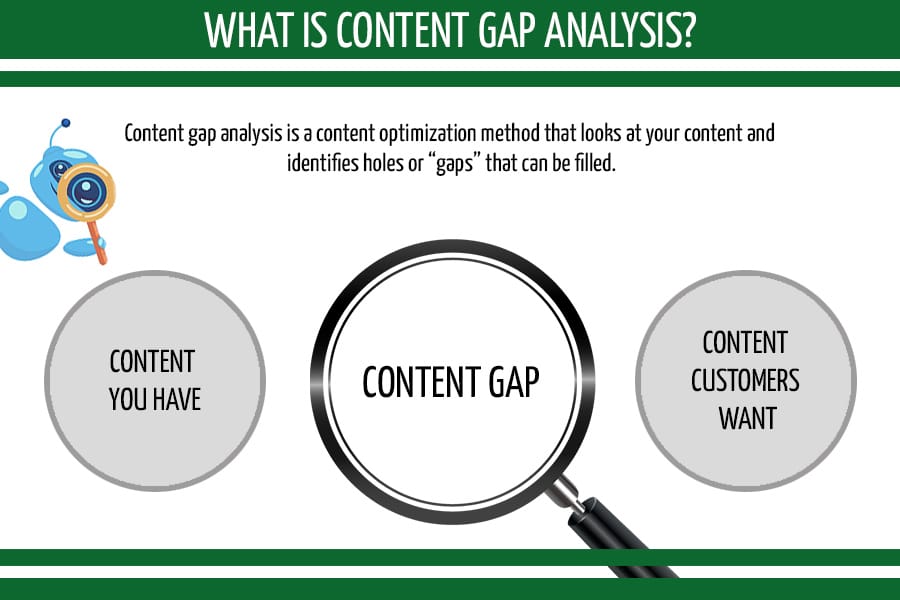
A content gap is a missing topic or idea on your website. It means your site lacks important information that users want. Filling these gaps helps attract more visitors. It also improves your search engine ranking. Content gaps show where your content can grow and serve your audience better.
Identifying Missing Topics
Start by checking your current content. Look for questions your audience asks often. Notice if your articles miss key subjects. Use tools to find popular search terms you don’t cover. These gaps reveal topics that interest your readers. Adding these topics makes your site more useful and complete.
Analyzing Competitor Content
Study your competitors’ websites carefully. See what topics they cover that you don’t. Check their blog posts, FAQs, and guides. Compare their content to yours. This shows which areas you can improve. Filling these gaps helps attract visitors searching for those topics. It also keeps your site competitive in your niche.
Credit: www.seoreseller.com
Why Content Gaps Matter For Seo
Content gaps are missing topics or questions your website does not cover. These gaps affect how search engines see your site. Filling these gaps helps your site become more complete and useful. This is why content gaps matter for SEO.
Impact On Search Rankings
Search engines want to show the best answers to users. If your site misses key topics, it ranks lower. Filling content gaps improves your site’s authority. This leads to higher positions in search results. More content means more chances to rank for different keywords.
Enhancing User Experience
Visitors come for answers and useful information. Content gaps leave them confused or unsatisfied. Covering all related topics keeps users engaged longer. It builds trust and encourages repeat visits. A good user experience signals search engines to rank your site better.
Tools To Find Content Gaps
Finding content gaps helps improve your website’s reach and relevance. Using the right tools makes this task easier and more precise. These tools show what topics your audience wants but do not find on your site. They help spot missing keywords, weak content areas, and competitor strengths.
Keyword Research Tools
Keyword research tools find popular search terms your site misses. They reveal what words people use to find content in your niche. Tools like Google Keyword Planner and Ubersuggest show search volume and competition. Use these tools to create content that matches user intent. Filling keyword gaps increases traffic and engagement.
Content Audit Software
Content audit software analyzes your existing pages for quality and relevance. It finds outdated or weak content that needs improvement. Tools like Screaming Frog and SEMrush audit your site automatically. They help spot missing topics and broken links. Regular audits keep your content fresh and user-friendly.
Competitive Analysis Platforms
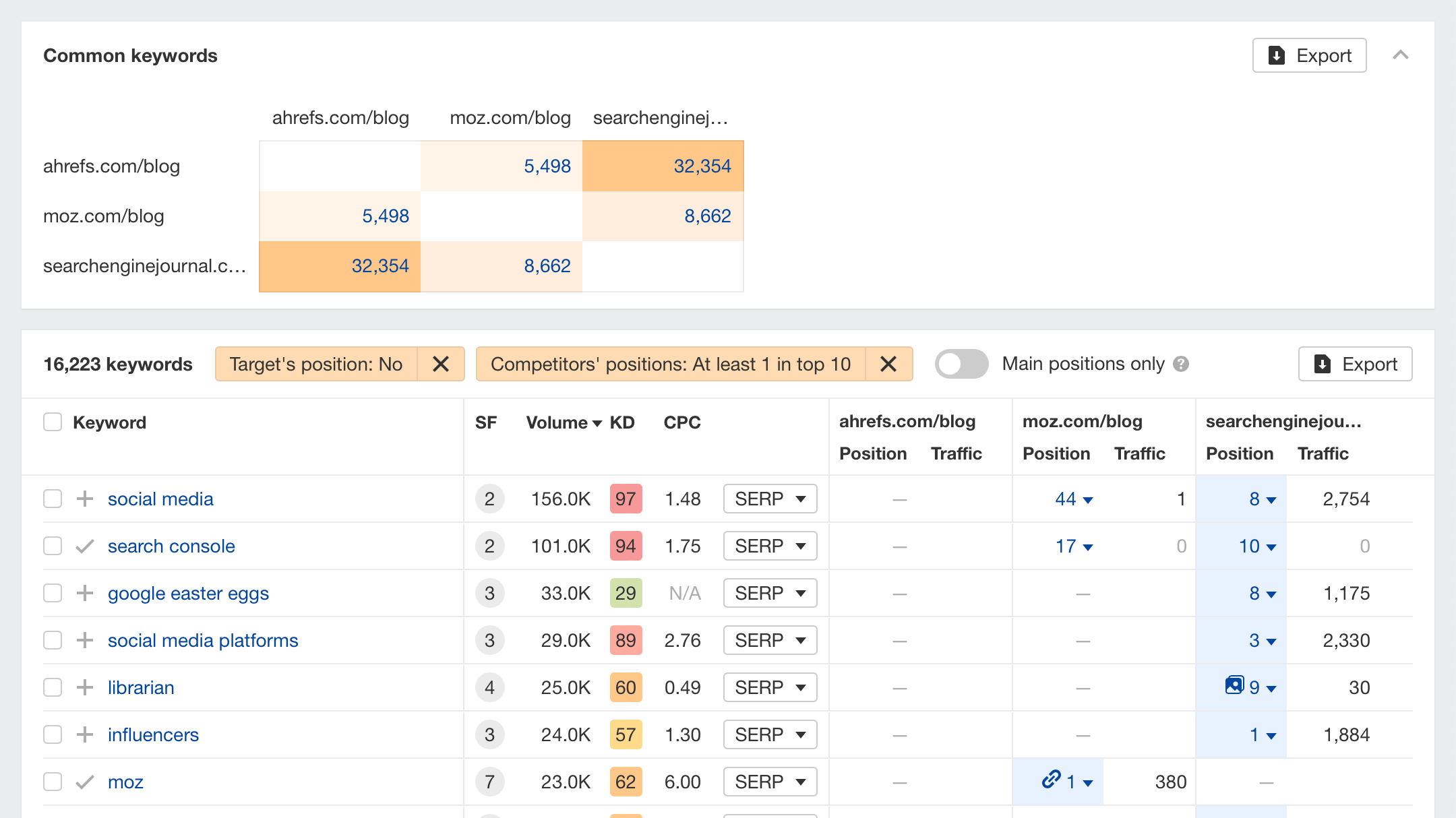
Competitive analysis platforms compare your content with top competitors. They show what topics others cover that you do not. Tools like Ahrefs and SpyFu reveal competitor keywords and backlink profiles. Use these insights to cover new topics and improve your SEO. Understanding competitors helps you stay ahead in your market.

Credit: www.searchenginejournal.com
Strategies To Fill Content Gaps
Filling content gaps helps improve your website’s value and ranking. It ensures your audience finds answers and useful information. Effective strategies focus on targeted creation, refreshing old content, and listening to users. These methods build trust and keep visitors engaged.
Creating Targeted Content
Targeted content meets specific needs or questions your audience has. Research topics your competitors miss or that get many searches. Write clear and simple articles or guides that solve these problems. Use keywords naturally to help search engines find your pages. Focus on quality over quantity to keep readers interested.
Updating Existing Pages
Old pages may lack current information or details. Review and improve them by adding new facts or examples. Fix any broken links and enhance readability with short paragraphs. Updating pages shows search engines you keep your site active. This boosts your rankings and keeps visitors coming back.
Leveraging User Feedback
User feedback reveals gaps you might not see. Check comments, emails, or surveys for questions and ideas. Use this input to create new content or improve existing pages. Listening to users builds loyalty and makes your site more helpful. Responding to feedback also shows you value your audience.
Measuring Success After Filling Gaps
Measuring success after filling content gaps is key to improving your website. It shows if your efforts bring real results. Tracking the right data helps you understand what works and what needs change. This way, you can keep growing your content effectively.
Tracking Keyword Rankings
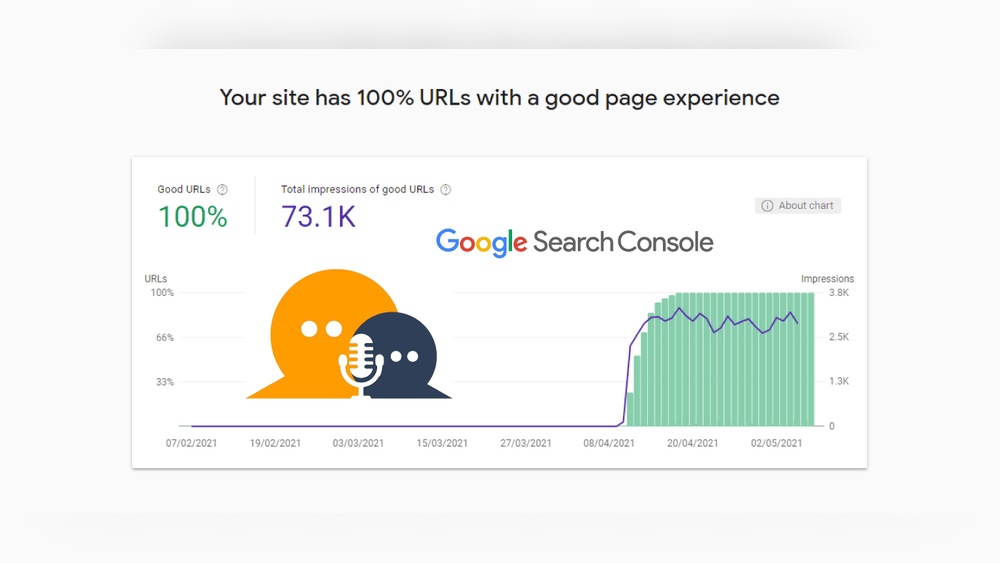
Watch your keyword rankings to see changes in search positions. Check if your new content ranks higher for targeted keywords. Higher rankings mean better visibility and more visitors. Use tools like Google Search Console to monitor these updates regularly.
Analyzing Traffic Changes
Look at your website traffic before and after filling gaps. Notice any increase in visitors or page views. More traffic often means your content meets user needs. Analyze which pages get more visits and focus on improving those further.
Monitoring Engagement Metrics
Check how users interact with your content. Track metrics such as time on page, bounce rate, and comments. Higher engagement shows your content is useful and interesting. Use this data to refine your content and keep visitors engaged longer.
Credit: ahrefs.com
Frequently Asked Questions
What Is A Content Gap In Seo?
A content gap is missing or insufficient information on a website. It creates opportunities to improve SEO by adding relevant content. Filling these gaps helps attract more organic traffic and meet user search intent effectively.
How To Identify Content Gaps On My Website?
Use SEO tools like Ahrefs or SEMrush to analyze competitor content. Look for keywords and topics your site lacks but are popular. Conduct user intent research and review search queries to spot missing content opportunities.
Why Is Content Gap Analysis Important?
Content gap analysis reveals areas where your site lacks valuable information. It helps improve search rankings by targeting unmet user needs. This strategy enhances user engagement and drives more qualified organic traffic to your website.
How Can Filling Content Gaps Boost My Website Traffic?
Adding content to fill gaps targets new keywords and user queries. This increases your site’s visibility in search engines and attracts diverse visitors. Well-optimized gap content drives higher organic traffic and improves overall site authority.
Conclusion
Finding content gaps helps improve your website’s value and reach. It shows what your audience wants but cannot find. Filling these gaps brings new visitors and keeps them interested. Regularly checking for missing topics keeps your content fresh and useful.
Small changes can lead to steady growth over time. Keep learning from competitors and user questions. This approach makes your site stronger and more trusted. Start today, and watch your content become more complete and helpful.