Are you struggling to get your message heard in a crowded online space? A solid content marketing plan is your secret weapon to stand out and connect with the right audience.
Imagine having a clear roadmap that guides every blog, video, and social post you create—making your efforts more focused and effective. This article will help you build that plan step-by-step, so you can boost your brand, attract loyal customers, and grow your business with less guesswork.
Keep reading, and discover how to turn your ideas into powerful content that truly works for you.
Setting Clear Goals
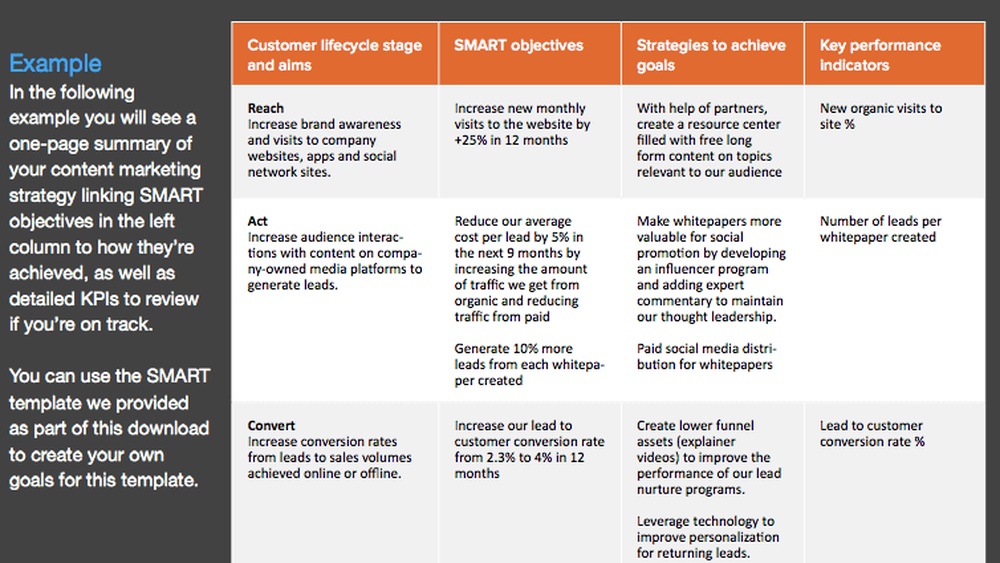
Setting clear goals is the first step in any content marketing plan. It gives your team focus and direction. Without goals, your efforts might spread too thin or miss the target. Clear goals help you create content that truly supports your business.
Goals also make it easier to track progress. You know exactly what success looks like. This keeps everyone motivated and aligned. Let’s explore how to align marketing objectives and measure success metrics.
Aligning Marketing Objectives
Start by linking your content goals to your overall marketing aims. What does your business want to achieve? More traffic, leads, or sales? Choose goals that support these needs.
Aligning objectives helps keep your message consistent. It ensures every piece of content moves you closer to your bigger goals. This approach saves time and resources. It also makes your marketing stronger and more effective.
Measuring Success Metrics
Once goals are set, decide how to measure success. Pick metrics that reflect your objectives. For example, track website visits for brand awareness or conversion rates for sales.
Use tools like Google Analytics or social media insights. Regularly check these numbers to see what works. Adjust your plan based on data, not guesswork. This keeps your content marketing smart and results-driven.
Identifying Target Audience
Identifying your target audience is the first step in any content marketing plan. Knowing who you want to reach helps create content that speaks directly to them. It saves time and resources by focusing on the right people. Understanding your audience’s needs and interests increases engagement and builds trust.
Clear audience identification guides every marketing decision. It shapes your messages and the channels you use. Without this step, your content may miss the mark and fail to connect.
Creating Customer Personas
Customer personas are detailed profiles of your ideal customers. They include age, job, interests, and challenges. These personas help you understand your audience better.
Start by gathering real data from your current customers. Add information about their goals and pain points. This creates a clear picture of who you are talking to.
Use personas to tailor your content. Speak in a way that feels personal and relevant. This approach makes your message stronger and more effective.
Analyzing Audience Behavior
Look at how your audience behaves online. Check which pages they visit and how long they stay. Notice what content they share or comment on.
Use tools like Google Analytics to track this behavior. Find patterns and preferences in their actions. This insight helps you create content that fits their interests.
Understanding behavior also shows what does not work. You can stop wasting effort on content that your audience ignores. Focus on what keeps them engaged and coming back.
Crafting Compelling Content
Crafting compelling content is the heart of any content marketing plan. Good content grabs attention and holds it. It helps build trust and guides readers toward action.
Creating strong content means choosing the right types and topics. Both must fit your audience’s needs and interests. This ensures your message reaches the right people effectively.
Choosing Content Types
Pick content types that match your goals and audience preferences. Blog posts work well for detailed explanations. Videos attract those who prefer visual learning. Infographics simplify complex information with images. Podcasts suit busy listeners who like audio content. Each type has a unique way to engage readers.
Mix different content types to keep your audience interested. Variety helps reach more people and boosts engagement. Focus on formats that your audience uses most.
Developing Engaging Topics
Choose topics that solve problems or answer questions. Think about what your audience wants to know. Use simple language and clear ideas. Stories and examples make topics easier to understand. Write about trends or common challenges your audience faces. This builds connection and keeps readers coming back.
Keep topics fresh and relevant. Regular updates show you care about your audience’s needs. This helps build loyalty and trust over time.
Optimizing Content Distribution
Optimizing content distribution is key to reaching the right audience. It ensures your message gets seen and shared. A good distribution plan helps you use your content well. It boosts engagement and grows your brand.
Focus on choosing the best channels and the right timing. This helps your content perform better and last longer. Understanding your audience habits guides these choices. The goal is to make content easy to find and enjoy.
Selecting Distribution Channels
Pick channels where your audience spends time. Social media platforms, email newsletters, and blogs are common choices. Each channel has its style and audience type. Match your content type to the channel’s strength. For example, short videos work well on social media. Long articles fit better on blogs or email. Avoid spreading too thin across many channels. Focus on a few channels for better impact.
Timing And Frequency Strategies
Post content when your audience is active. Use data from past posts to find peak times. Weekdays or weekends may differ depending on your niche. Keep a regular schedule to build trust and expectation. Don’t flood your audience with too much content. Space posts to avoid fatigue and loss of interest. Test different times and days to see what works best. Adjust your plan based on results and feedback.
Leveraging Seo Techniques
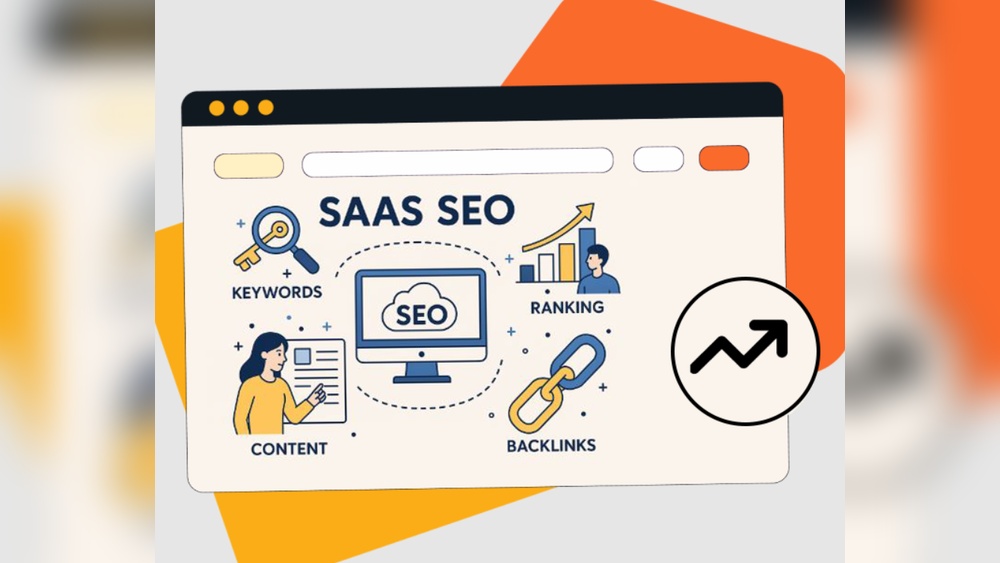
Leveraging SEO techniques is key to a strong content marketing plan. SEO helps your content appear in search results. This brings more visitors to your website. More visitors mean more chances to connect with your audience.
SEO is not just about keywords. It includes many strategies that improve your site’s visibility. Using SEO correctly makes your content easier to find and read. This increases your website’s authority and trust.
Keyword Research Strategies
Finding the right keywords is the first step. Choose words people use when searching for your topic. Use tools like Google Keyword Planner or Ubersuggest to discover popular terms. Pick keywords with good search volume but low competition. Focus on long-tail keywords. They are specific and attract targeted visitors. Place keywords naturally in your content. Avoid stuffing them. This keeps your text clear and user-friendly.
On-page And Off-page Seo
On-page SEO means optimizing your website’s content and structure. Use keywords in titles, headings, and meta descriptions. Add alt text to images with relevant keywords. Make your site easy to navigate. Fast loading speed matters. Mobile-friendly design is crucial too.
Off-page SEO involves actions outside your website. Building backlinks from trusted sites improves your ranking. Engage with your audience on social media platforms. Share your content to increase its reach. Positive reviews and mentions boost your site’s reputation. Both on-page and off-page SEO work together to grow your online presence.
Utilizing Social Media
Utilizing social media is vital for any content marketing plan. It helps brands reach more people and create strong connections. Social media platforms offer many ways to share content and get feedback quickly. This helps businesses know what their audience likes and needs. Using social media smartly can grow your audience and boost your content’s impact.
Building Community Engagement
Community engagement means creating a space where followers feel heard. Respond to comments and messages to show you care. Ask questions and invite opinions to start conversations. Share content that solves problems or entertains your audience. Regular interaction builds trust and loyalty. People return to pages where they feel connected and valued.
Paid Advertising Options
Paid ads on social media help target specific groups of people. You can choose who sees your ads based on age, interests, or location. This makes your budget go further. Ads can promote posts, videos, or special offers. Testing different ads shows what works best. Paid ads increase visibility quickly and bring more traffic to your content.
Implementing Email Campaigns
Implementing email campaigns is a key step in any content marketing plan. Email helps build a strong connection with your audience. It allows you to share updates, offers, and valuable content directly. A well-planned email campaign can boost engagement and drive traffic to your site. Success depends on how you organize and tailor your emails.
Segmenting Email Lists
Segmenting your email list means dividing contacts into smaller groups. Group people by their interests, location, or behavior. This makes your emails more relevant to each group. Sending the right message to the right people increases the chance of action. It also reduces the risk of your emails being ignored or marked as spam.
Personalizing Content
Personalizing your emails makes readers feel valued. Use their name and refer to past interactions. Tailor content based on what each segment likes or needs. Personal touches improve open rates and click rates. Simple personalization can create a more friendly and trusting relationship.

Credit: sponge.io
Analyzing Performance Data
Analyzing performance data is key to a strong content marketing plan. It helps you see what works and what does not. By studying the data, you can improve your content and reach more people. This process keeps your marketing efforts focused and effective.
Tracking Key Performance Indicators
Key Performance Indicators (KPIs) show how well your content performs. Common KPIs include page views, time spent on page, and conversion rates. Tracking these numbers helps you understand audience behavior. Use tools like Google Analytics to gather this data. Focus on KPIs that match your marketing goals.
Adjusting Strategies Based On Insights
Data insights guide you to change your content strategy. If a blog post gets many views but low engagement, try improving the call to action. Low traffic might mean you need better keywords or promotion. Use the data to test new ideas. Small changes can lead to better results over time.
Maximizing Roi Quickly
Maximizing ROI quickly is a key goal for any content marketing plan. It means getting the best results from your efforts in the shortest time possible. This helps you save money and grow your business faster.
To reach this goal, focus on tactics that bring fast and clear results. Avoid spending on actions that do not add value. Smart planning and careful spending lead to better outcomes.
Focusing On High-impact Tactics
Choose content types that connect well with your audience. Blog posts, videos, and social media updates often work well. Pick topics that solve real problems or answer common questions.
Use clear calls to action. Encourage readers to engage or buy your product. Track which content gets the most attention and focus on similar ideas.
Reducing Wasteful Spending
Review your budget regularly. Cut costs on low-performing ads or tools. Avoid creating content without a clear purpose or plan.
Use free or low-cost tools to manage your content. Test small campaigns first before investing more money. This approach keeps your spending efficient and results strong.

Credit: blog.hubspot.com
Credit: wgcontent.com
Frequently Asked Questions
What Is A Content Marketing Plan?
A content marketing plan outlines your strategy for creating and distributing valuable content. It helps attract and engage your target audience. The plan includes goals, audience research, content types, and publishing schedules. It ensures consistent and effective content marketing efforts.
How Do I Create An Effective Content Marketing Plan?
Start by defining clear goals and understanding your audience. Research keywords and competitors. Plan content topics and formats. Set a publishing calendar. Measure performance regularly and adjust strategies. This structured approach ensures your content marketing plan drives results.
Why Is Audience Research Important In Content Marketing?
Audience research helps identify your target customers’ needs and preferences. It ensures content relevance and engagement. Knowing your audience improves content quality and boosts conversion rates. It’s a critical step in crafting effective content marketing strategies.
How Often Should I Update My Content Marketing Plan?
Review and update your content marketing plan every 3 to 6 months. Regular updates keep your strategy aligned with market trends and audience needs. Frequent adjustments improve content effectiveness and ROI. Staying current helps maintain competitive advantage.
Conclusion
A solid content marketing plan guides your business growth. It helps you connect with the right audience. Clear goals and consistent effort bring better results. Track your progress and adjust your strategies often. Quality content builds trust and keeps people coming back.
Stay patient and focused on your long-term goals. Success comes from steady work and smart planning. Start small, learn, and improve your plan regularly. Your content marketing efforts will pay off over time.