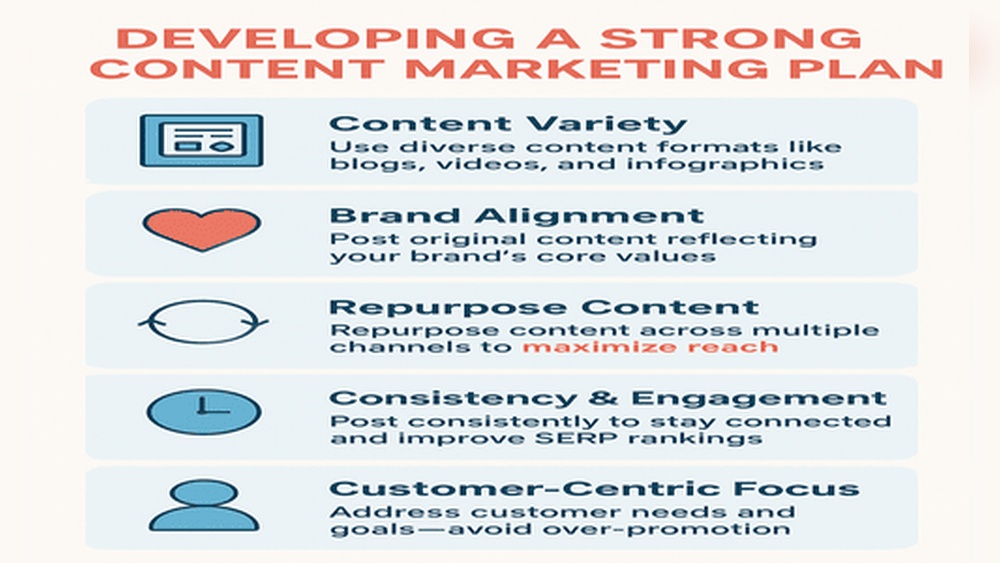
Are you struggling to make your content stand out and grab your audience’s attention? You’re not alone.
Creating content that truly connects and drives results can feel overwhelming. But what if you could learn simple, effective tips that boost your content’s impact and keep your readers coming back for more? You’ll discover easy strategies that work—helping you create content that’s clear, engaging, and powerful.
Keep reading, and watch your content marketing efforts transform right before your eyes.

Credit: orangeowl.marketing
Crafting Compelling Content
Crafting compelling content is key to successful content marketing. It helps capture attention and keeps readers interested. Good content connects with the audience and delivers value. Focus on clear ideas and strong stories. This makes your message memorable and easy to understand.
Use simple words and short sentences. This makes content easier to read and follow. Keep your message focused and direct. Avoid clutter or complicated phrases. Strong content builds trust and encourages readers to act.
Know Your Audience
Understanding your audience guides your content choices. Learn what they want and need. Think about their problems and questions. Use language they understand. This creates a stronger connection. Tailor your topics to their interests. Speak directly to their concerns. This makes your content feel personal and relevant.
Create Clear Messaging
Clear messaging means simple and direct ideas. Avoid confusing words or long sentences. State your main point early in the content. Use headings and bullet points to organize ideas. Repeat key messages to help readers remember. Clear content reduces misunderstanding. It helps readers find value quickly. This keeps them engaged and coming back.
Use Storytelling Techniques
Stories make content interesting and relatable. Start with a problem or question. Show a journey or change. Use characters or real examples. This draws readers in and holds attention. Stories help explain complex ideas simply. They create emotion and build trust. A good story makes your message stick in minds.
Optimizing Content For Reach
Optimizing content for reach helps your message reach more people. It makes your content easier to find and share. This process involves several key strategies. These strategies improve visibility on search engines and social platforms.
Seo Best Practices
Use clear keywords related to your topic. Place keywords in titles, headings, and throughout the text. Write short, simple sentences that match user intent. Use meta descriptions to summarize your content well. Optimize images with descriptive file names and alt text. Internal links help guide readers to related content. Make sure your website loads quickly and works on mobile devices.
Leveraging Social Media
Share your content on popular social networks. Tailor posts for each platform’s audience and style. Use engaging headlines and images to attract attention. Encourage readers to comment and share your posts. Join groups or communities where your audience spends time. Use social media tools to schedule and track posts. Respond quickly to comments to build trust.
Timing And Frequency
Post content when your audience is most active. Test different times to find the best moments. Keep a consistent posting schedule to stay visible. Avoid posting too often, which can annoy followers. Use analytics to measure engagement and adjust timing. Balance quality and quantity for better results. Regular updates keep your audience interested and returning.
Enhancing Engagement
Engagement is key to successful content marketing. It keeps readers interested and encourages them to interact with your brand. Increasing engagement helps build trust and loyalty. It also improves your website’s ranking on search engines. Focus on creating content that invites participation and feels personal to your audience.
Interactive Elements
Adding interactive elements boosts user involvement. Quizzes, polls, and surveys grab attention quickly. They make visitors spend more time on your page. Interactive tools also help gather useful data about your audience. Simple animations or clickable images can enhance the experience. These features make content more fun and memorable.
Personalization Strategies
Personalized content speaks directly to the reader. Use data like location or past behavior to tailor messages. Personal greetings and recommendations increase relevance. When content feels made for them, users engage more. Personalization builds a connection and encourages return visits. It shows you understand and care about their needs.
Encouraging User Feedback
Feedback invites conversation and builds community. Ask questions at the end of posts to spark replies. Use comment sections and social media to collect opinions. Responding to feedback shows you value your audience. This interaction improves trust and keeps users coming back. Feedback also provides insights to improve your content.

Credit: medium.com
Utilizing Data And Analytics
Data and analytics are powerful tools in content marketing. They help you understand how your content performs. You can learn what your audience likes and what they ignore. Using this information helps you create better content that connects with your readers.
Data shows real results, not guesses. It guides your decisions and saves time. Analytics reveal patterns and trends in user behavior. This knowledge makes your marketing more effective and focused.
Tracking Key Metrics
Start by tracking important numbers. Look at page views, time spent on page, and bounce rate. These metrics show how many people visit and stay on your site. Track social shares and comments to see engagement. Monitor conversion rates to understand if content drives actions.
Use tools like Google Analytics for detailed insights. Check these metrics regularly to spot changes fast. This helps you know what works and what needs fixing.
Adjusting Strategies Based On Data
Use data to change your content plan. If a blog post gets many visits, create similar topics. If some content has low engagement, try new ideas or formats. Data shows where to spend your time and budget.
Keep testing different headlines, images, and topics. Watch how these changes affect your metrics. Adjust often to keep your audience interested and growing.
A/b Testing Content
A/B testing means comparing two versions of content. Change one element, like the title or call-to-action. Show version A to half your audience and version B to the other half. Check which version performs better.
This method helps find the best content style. Small changes can increase clicks and shares. Use A/B testing to improve emails, landing pages, and social posts. It is a simple way to make data-driven decisions.
Repurposing Content Efficiently
Repurposing content saves time and increases reach. It helps you use one idea in many ways. This approach keeps your message fresh and useful. It also helps you get more value from your work. Here are some ways to repurpose content efficiently.
Transforming Formats
Change your content into different formats. Turn blog posts into videos or podcasts. Create infographics from key points. Use slideshows for presentations. Different formats attract different audiences. This makes your content more accessible and engaging.
Updating Existing Content
Keep your old content fresh by updating it. Add new facts or recent data. Fix any outdated information. Improve headlines and images. Updated content ranks better on search engines. It also shows your audience you care about accuracy.
Cross-channel Distribution
Share your content on many platforms. Post blog excerpts on social media. Use email newsletters to highlight key ideas. Share videos on YouTube and Instagram. This spreads your message widely. It builds your brand across different channels.
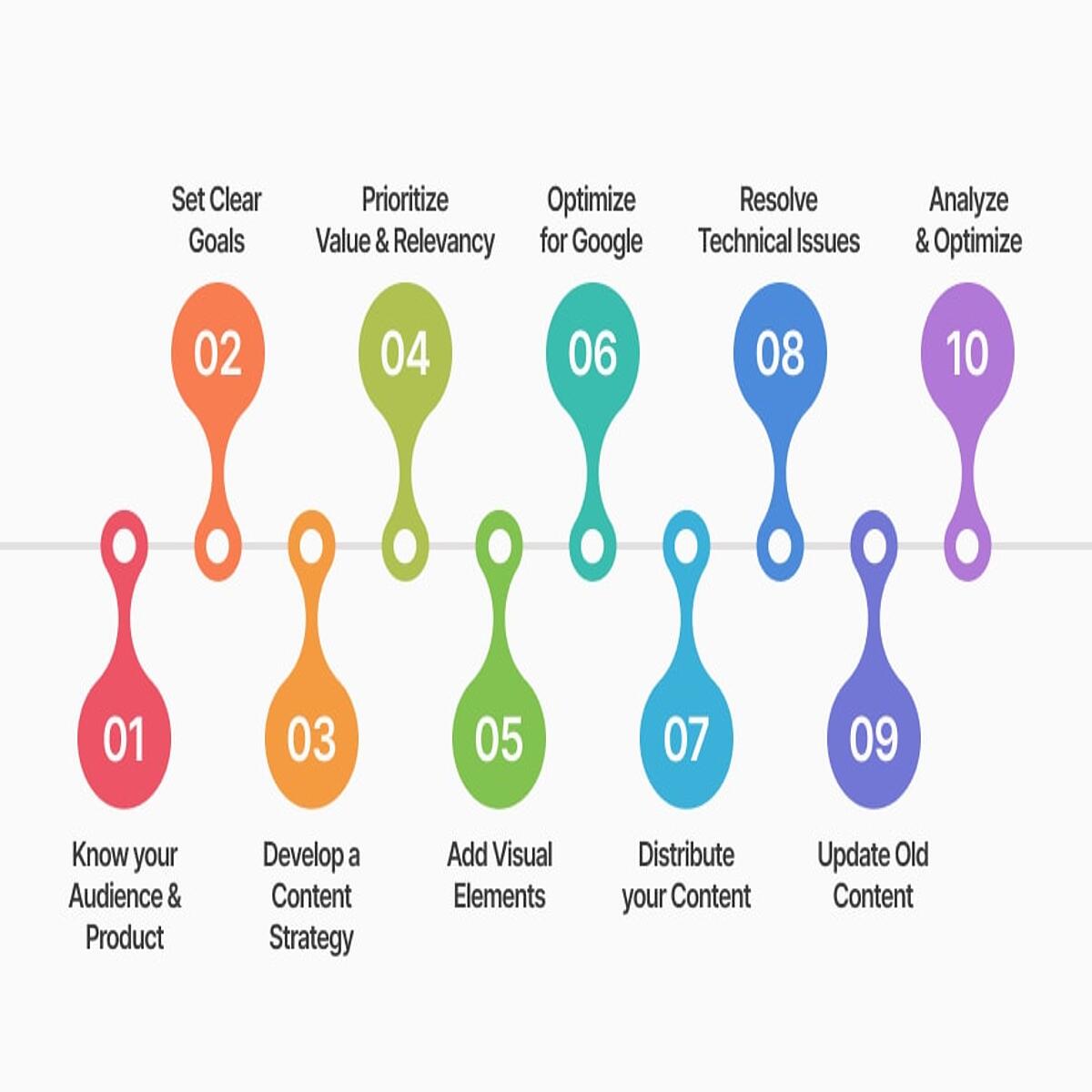
Credit: www.twipla.com
Frequently Asked Questions
What Is Content Marketing And Why Is It Important?
Content marketing is creating valuable content to attract and engage an audience. It builds trust and drives sales. It helps brands connect with customers and improves online visibility, making it essential for business growth.
How Do I Create A Successful Content Marketing Strategy?
Start by defining your target audience and goals. Research keywords and plan content types. Consistently produce valuable content and measure results. Adjust your strategy based on performance to maximize engagement and ROI.
What Types Of Content Work Best In Marketing?
Blogs, videos, infographics, and podcasts are effective. Each format caters to different audience preferences. Using diverse content types increases reach, engagement, and boosts SEO performance.
How Often Should I Publish Content For Best Results?
Consistency is key. Aim to publish at least once a week. Regular content keeps your audience engaged and improves search engine rankings over time.
Conclusion
Content marketing needs clear goals and steady effort. Focus on creating useful, original content for your readers. Use simple words and short sentences to keep them interested. Regularly update your content to stay relevant and build trust. Track your results to see what works best.
Keep learning and trying new ideas. Success takes time, patience, and consistency. Stick to these tips to improve your content marketing over time. Your audience will notice and respond.