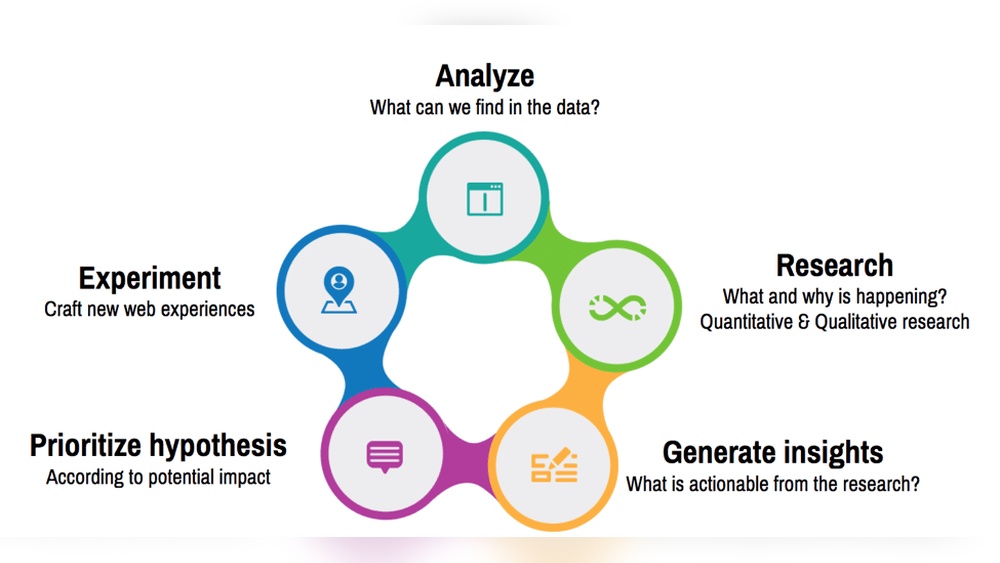
Are you struggling to turn visitors into customers on your website? You’re not alone.
Many businesses get plenty of traffic but see very few people take action. That’s where Conversion Rate Optimization (CRO) comes in. By making smart, simple changes to your site, you can boost the number of visitors who buy, sign up, or take any step you want.
Imagine increasing your sales without spending more on ads. Sounds good, right? Keep reading, and you’ll discover easy ways to improve your conversion rates and get better results from your existing traffic.
What Is Conversion Rate Optimization
Conversion Rate Optimization (CRO) is a key process in digital marketing. It focuses on increasing the percentage of website visitors who take a desired action. This action could be buying a product, signing up for a newsletter, or filling out a contact form. CRO helps businesses get more value from the traffic they already have.
The main goal of CRO is to improve user experience and guide visitors towards conversion steps. It involves testing, analyzing, and making changes to the website or landing page. Even small tweaks can lead to significant improvements in conversion rates.
What Is Conversion Rate?
Conversion rate is the percentage of visitors who complete a goal. For example, if 100 people visit a page and 5 buy a product, the conversion rate is 5%. This number shows how well a website convinces visitors to act.
Why Is Conversion Rate Optimization Important?
CRO increases sales without increasing traffic. It saves money on advertising and marketing. Better conversion rates mean more customers and higher revenue. It also improves the overall user experience on the site.
How Does Conversion Rate Optimization Work?
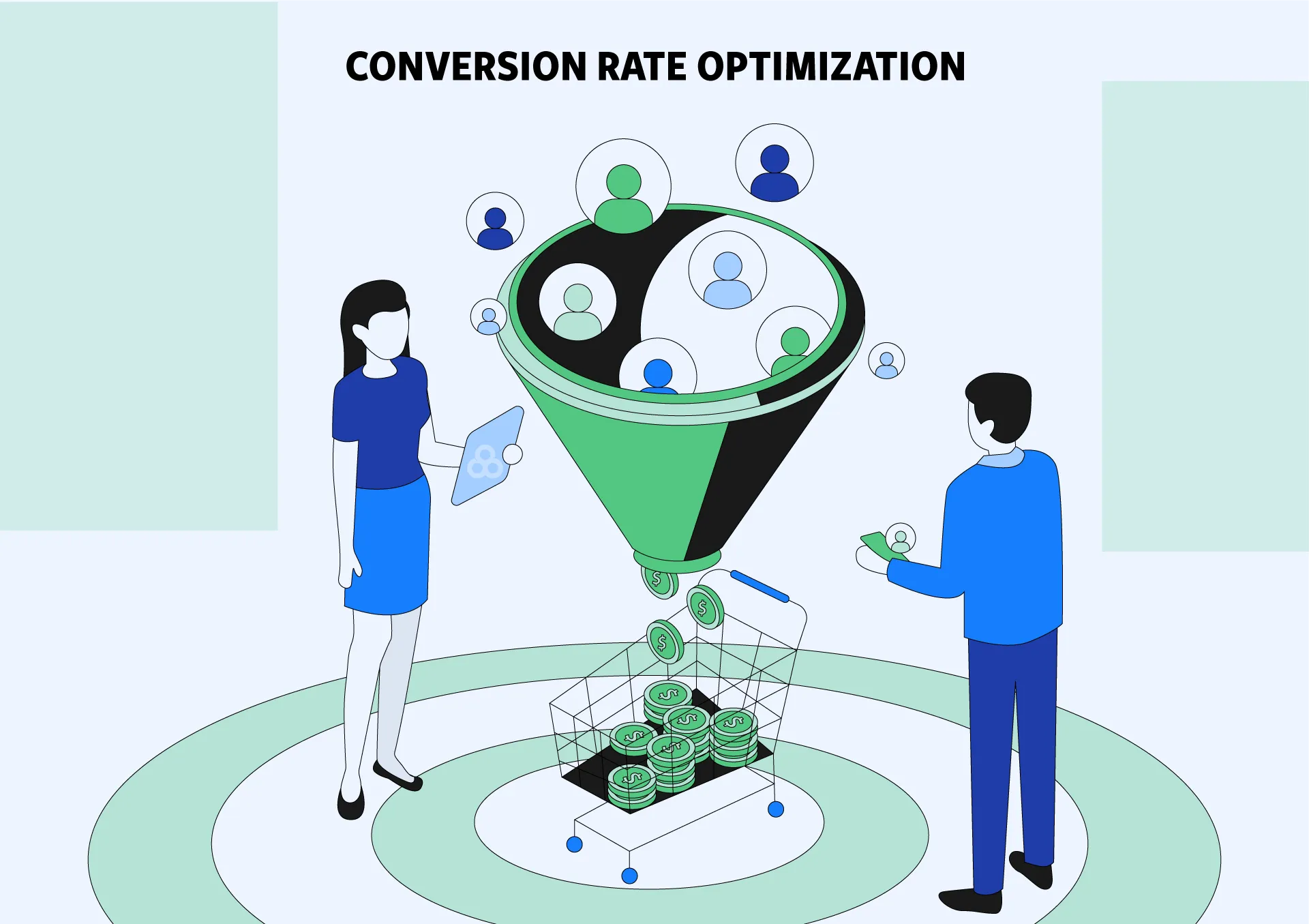
CRO uses data and user feedback to find problems on a site. Then, it tests different versions of pages to see what works best. This process is called A/B testing. Changes may include button colors, headlines, or page layouts. The goal is to make the site easier to use and more persuasive.
Credit: www.omniconvert.com
Key Metrics To Track
Tracking the right metrics is crucial for improving your website’s conversion rate. These numbers show how visitors behave and help you find areas to improve. Understanding key metrics helps you make smart changes that increase sales and leads.
Focus on metrics that reveal visitor engagement and interest. These give clear clues about your site’s performance. Below are some essential metrics to track for better conversion results.
Bounce Rate
Bounce rate shows the percentage of visitors who leave after viewing one page. A high bounce rate means visitors do not find what they want. This signals that your content or design needs improvement. Lowering bounce rate can lead to more conversions.
Click-through Rate
Click-through rate (CTR) measures how many people click on links or buttons. A higher CTR shows that your calls to action are effective. Tracking CTR helps you test different headlines, buttons, and offers. Improving CTR guides visitors deeper into your site.
Average Session Duration
This metric tells how long visitors stay on your site. Longer sessions often mean visitors find your content useful and engaging. Short sessions suggest your site may confuse or bore visitors. Increasing session duration can boost chances of conversion.
Design Tips To Increase Conversions
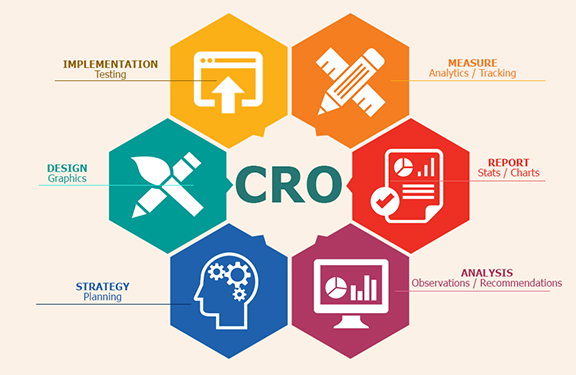
Good design helps visitors take action. Simple changes can increase conversions fast. Clear layouts guide users to what matters most. The right design makes the buying process smooth and easy. Follow these tips to improve your website’s design and boost conversions.
Simplify Navigation
Easy navigation helps visitors find what they need. Use a clean menu with few options. Avoid cluttered menus that confuse users. Group similar items together. Clear paths keep visitors focused and less likely to leave.
Use Clear Calls To Action
Strong calls to action tell visitors what to do next. Use simple words like “Buy Now” or “Sign Up.” Make buttons big and easy to spot. Bright colors draw attention but keep them on brand. Clear calls guide users and increase clicks.
Optimize Page Load Speed
Fast pages keep visitors from leaving. Compress images to reduce size. Use clean code and fewer scripts. Test your site speed regularly. A quick website improves user experience and boosts conversion rates.
Credit: medium.com
Content Strategies That Work
Good content helps visitors take action. It guides them step by step. Using smart content strategies can increase your conversion rates. These strategies make your message clear and strong. They build trust and help visitors decide fast.
Craft Compelling Headlines
Headlines are the first thing visitors see. A strong headline grabs attention quickly. It tells what the page or product is about. Use clear and simple words. Make visitors curious or show a benefit. Avoid long or confusing headlines. Keep them short, direct, and easy to read.
Leverage Social Proof
People trust what others say more than ads. Show reviews, ratings, or testimonials. Real user feedback builds trust and confidence. Use pictures or names to make proof more real. Share stories of happy customers. This helps visitors feel safe and ready to buy.
Create Persuasive Product Descriptions
Good descriptions explain what the product does. Focus on benefits, not just features. Tell how the product solves problems or makes life easier. Use simple words and short sentences. Break text into small paragraphs or bullet points. Help visitors imagine using the product.
A/b Testing Best Practices
A/B testing is a key method in conversion rate optimization. It helps find what works best for your website. Testing small changes can improve user experience and increase sales. Follow some best practices to get accurate and useful results.
Choosing Elements To Test
Pick elements that impact user actions. Headlines, call-to-action buttons, and images are good choices. Test one element at a time to see clear results. Avoid testing too many things together. This keeps results simple to understand.
Setting Up Tests
Create two versions: A (original) and B (new). Make sure both versions get similar traffic. Run tests long enough to collect enough data. Use tools that split traffic fairly. Keep the test environment steady to avoid bias.
Analyzing Results
Look at key metrics like clicks and conversions. Compare data from both versions carefully. Check if changes made a real difference. Use statistical tools to confirm results. Decide next steps based on clear evidence.
Mobile Optimization Techniques
Mobile devices drive a large part of web traffic today. Optimizing for mobile users is key to improve conversion rates. Mobile optimization techniques make websites easy to use on small screens. They reduce obstacles and speed up actions. This helps visitors complete purchases or sign up quickly.
Focus on mobile-friendly design and fast performance. Simplify steps that users take on their phones. These techniques lead to better user experience and higher conversions.
Responsive Design
Responsive design adjusts your website to fit any screen size. It changes layout, images, and text automatically. Users see a neat, easy-to-read page on phones or tablets. No pinching or zooming needed. This keeps visitors engaged and reduces bounce rates. Responsive sites work well on all devices, making visitors more likely to stay and act.
Streamlined Checkout Process
Mobile users want a quick and simple checkout. Reduce the number of steps to buy. Use large buttons and clear labels. Avoid asking for too much information. Offer autofill options to save time. A smooth checkout lowers frustration and cart abandonment. Easy checkout helps visitors finish orders faster on their phones.
Fast Mobile Loading
Speed matters on mobile. Slow pages make users leave fast. Optimize images and limit scripts to load pages quickly. Use caching to save loading time. Fast loading improves user experience and keeps visitors on your site longer. Quick sites increase chances that users complete their goals.
Leveraging Personalization
Personalization helps increase conversion rates by making experiences unique. It connects visitors with content and offers that fit their needs. Personal touches keep users interested and encourage actions. Businesses see better results by using personalization well.
Dynamic Content
Dynamic content changes based on the visitor’s data. This could be location, past visits, or device type. It shows relevant messages or images automatically. Visitors feel the site is made just for them. This boosts engagement and chances to convert.
Targeted Offers
Targeted offers present special deals to specific groups. These offers match what the visitors want or need. By focusing on smaller groups, businesses increase the chance of a sale. Visitors appreciate deals that feel personal and useful.
Behavior-based Recommendations
Behavior-based recommendations suggest products or content based on user actions. For example, items viewed or bought before. This approach guides users to what they might like next. It makes the shopping or browsing easier and faster.
Credit: www.newbreedrevenue.com
Common Cro Mistakes To Avoid
Conversion Rate Optimization (CRO) helps improve website performance. Many make simple mistakes that slow progress. Avoiding these errors saves time and effort. Focus on common CRO mistakes to improve results fast.
Ignoring User Feedback
User feedback shows what works and what does not. Skipping this step leads to wrong changes. Listening to users helps fix real issues. Use surveys, reviews, and session recordings to gather insights.
Overcomplicating The Process
Simple tests often work best. Complex changes confuse visitors and mask results. Test one thing at a time. Clear goals help find what truly improves conversions.
Neglecting Mobile Users
Many visitors use phones or tablets. Ignoring mobile users loses many potential customers. Make sure your site looks good and works well on small screens. Fast loading speeds matter most for mobile visitors.
Frequently Asked Questions
What Is Conversion Rate Optimization (cro)?
Conversion Rate Optimization (CRO) is the process of increasing website visitors who complete a desired action. This improves sales, sign-ups, or other goals by enhancing user experience and website elements.
Why Is Cro Important For Online Businesses?
CRO boosts revenue without increasing traffic. It helps businesses get more value from existing visitors by turning them into customers efficiently.
How Do You Measure Conversion Rates?
Conversion rate is calculated by dividing conversions by total visitors, then multiplying by 100. It shows the percentage of users taking desired actions.
What Are Common Cro Techniques?
Common techniques include A/B testing, improving website speed, optimizing call-to-action buttons, and simplifying forms. These help enhance user engagement and boost conversions.
Conclusion
Conversion rate optimization helps improve website success step by step. Small changes can lead to better results. Test different ideas to see what works best. Focus on user experience to keep visitors happy. Track your progress to make smart decisions.
Keep learning and adjusting for steady growth. Remember, patience and effort bring real improvements. Start applying these tips today to boost your conversion rates.
Vill du öka konverteringarna på din sajt? Kontakta Hive Creatives för en kostnadsfri genomgång.