Are you struggling to turn your website visitors into paying customers? You’re not alone.
Many businesses get plenty of traffic but see very few people taking action. That’s where Conversion Rate Optimization (CRO) comes in. By making smart, simple changes to your site, you can boost how many visitors complete the actions you want—whether it’s making a purchase, signing up for a newsletter, or filling out a form.
Imagine getting more results without spending extra on ads. This article will show you easy-to-follow tips to improve your conversion rates and make your website work harder for you. Ready to unlock your site’s true potential? Let’s dive in.
Basics Of Conversion Rate Optimization
Conversion Rate Optimization (CRO) helps improve the percentage of visitors who take desired actions. These actions include signing up, buying products, or filling out forms. CRO focuses on making your website easier and more inviting for users. Small changes can lead to better results and more sales.
Understanding the basics of CRO is important. It starts with tracking the right data and spotting issues that stop visitors from converting. With the right approach, you can make smart changes that boost your conversion rates.
Key Metrics To Track
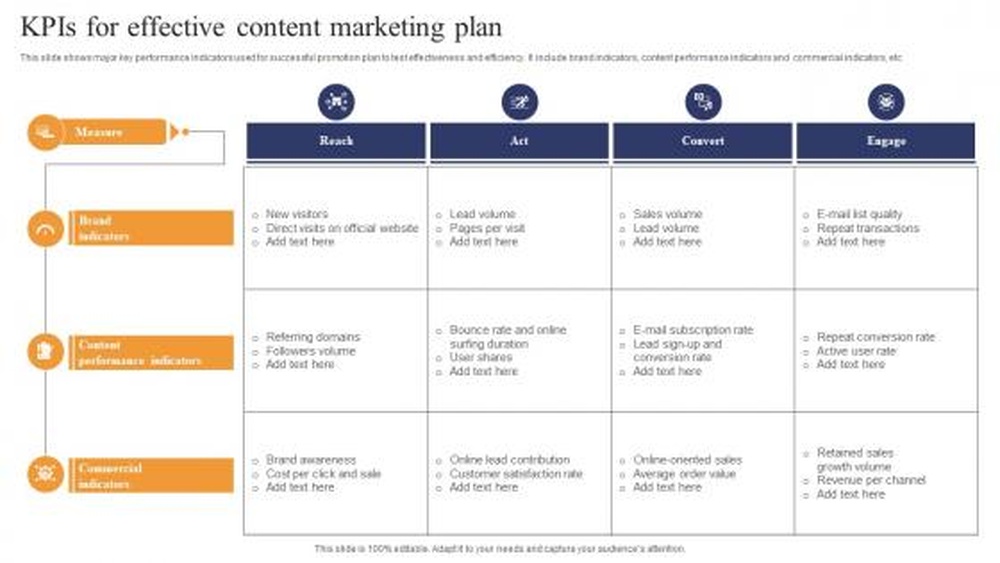
Tracking key metrics guides your CRO efforts. Conversion rate shows how many visitors complete an action. Bounce rate tells how many leave quickly without engaging. Average session duration reveals how long users stay on your site. Click-through rate measures how many click links or buttons. Monitoring these numbers helps identify strengths and weaknesses.
Common Conversion Barriers
Some common barriers stop visitors from converting. Slow page loading frustrates users and causes drop-offs. Confusing navigation makes it hard to find information. Poor mobile experience drives away smartphone users. Complex forms can discourage sign-ups. Lack of trust signals, like reviews or secure badges, reduces confidence. Fixing these issues can increase your conversions.
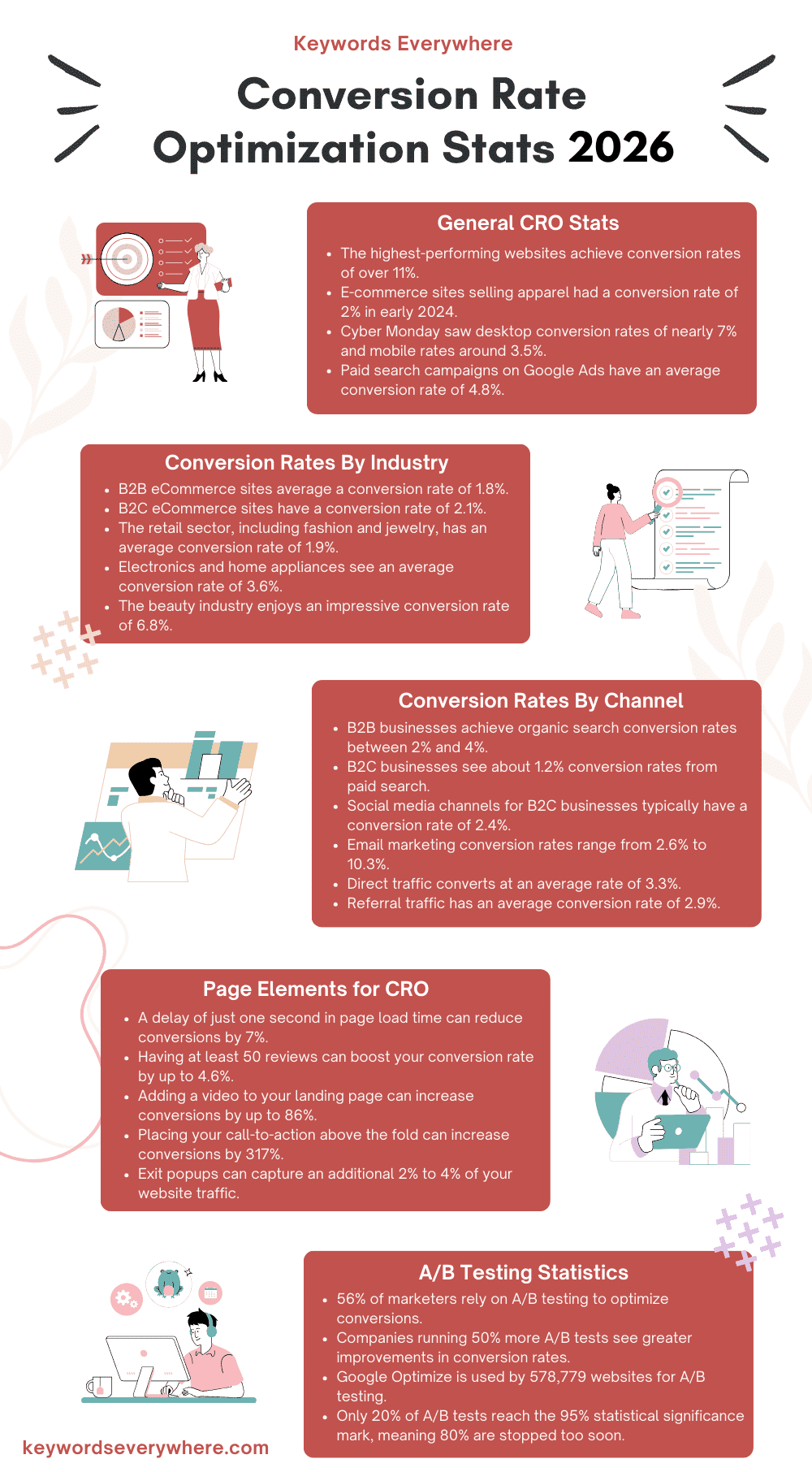
Credit: keywordseverywhere.com
Optimizing Website Design
Optimizing website design plays a key role in increasing conversion rates. A well-designed website helps visitors find what they need quickly. It keeps users interested and encourages them to take action. Small changes in design can lead to big improvements in performance.
Focus on clear layouts, easy navigation, and fast loading times. These elements build trust and make users feel comfortable. A clean, simple design reduces confusion and guides visitors toward your goals.
Improving User Experience
User experience matters most for conversion. Make your site easy to use on all devices. Clear menus, readable fonts, and consistent colors help users stay longer. Remove distractions and clutter to keep visitors focused.
Speed also affects experience. Slow pages cause frustration and high bounce rates. Test your site often to fix slow spots. A smooth, fast site leads to better engagement and more conversions.
Mobile-first Strategies
More people browse on phones than computers now. Design your website with mobile users in mind first. Use responsive layouts that fit any screen size. Buttons must be easy to tap with fingers.
Fast loading on mobile is critical. Compress images and limit heavy scripts. Mobile-friendly sites rank better on search engines. This brings more visitors and higher chances of conversion.
Effective Call-to-actions
Call-to-actions (CTAs) guide visitors to take the next step. Use clear, direct language like “Buy Now” or “Sign Up.” Make buttons stand out with contrasting colors.
Place CTAs where users expect to find them. Above the fold and at the page end are good spots. Avoid too many CTAs to reduce confusion. Each CTA should focus on one clear goal.
Enhancing Content For Conversions
Enhancing content for conversions means making your website text and media work harder. The goal is to guide visitors to take action, like buying or signing up. Clear, strong content helps build trust and interest fast. Visitors decide quickly if your offer fits their needs. Focus on words and visuals that speak directly to them.
Crafting Persuasive Copy
Use simple words that explain benefits clearly. Tell visitors what they get and why it matters. Short sentences keep attention and avoid confusion. Ask questions that make readers think about their needs. Use action words like “get,” “try,” or “start” to encourage clicks. Avoid jargon or complex phrases that slow reading.
Using Social Proof
Show real examples of happy customers or users. Reviews, ratings, and testimonials build trust fast. People trust others’ opinions more than ads. Include names, photos, or details to make proof believable. Share statistics about how many people use or like your product. Social proof reduces doubts and helps visitors decide.
Leveraging Video Content
Videos catch attention and explain things quickly. Use short clips to show how your product works. Videos make your offer feel more real and clear. Add captions or simple text for easy understanding. Place videos near calls to action to boost clicks. Watching a video helps visitors feel confident to act.
A/b Testing And Experimentation
A/B testing and experimentation are key to improving your website’s conversion rate. This method compares two versions of a webpage or element to see which one performs better. It removes guesswork and helps make data-driven decisions.
Testing small changes can have a big impact on user actions. Experimentation allows you to find what works best for your audience. It is a continuous process that drives steady growth and better results.
Setting Up Tests
Start by choosing one element to test, such as a headline or button color. Create two versions: the original (control) and the changed (variant). Use a reliable A/B testing tool to split traffic evenly between them. Define clear goals, like increasing clicks or signups. Keep tests simple and focus on one change at a time.
Analyzing Results
Collect enough data to make conclusions. Look at metrics like conversion rate, bounce rate, and time on page. Use statistical significance to confirm results are not random. Compare the control and variant performance carefully. Avoid rushing decisions before the test ends. Focus on meaningful improvements that affect your goals.
Iterative Improvements
Use insights from one test to plan the next. Keep refining elements based on what users prefer. Small, continuous changes add up over time. Document each experiment and its outcome. Stay patient and consistent for lasting growth. Testing is a cycle, not a one-time task.
Personalization Techniques
Personalization techniques help improve conversion rates by making user experiences unique. They tailor content and offers to match user needs. Personalized experiences keep visitors interested and encourage them to take action.
Segmenting Your Audience
Segmenting means dividing your visitors into smaller groups. Groups are based on behavior, location, or interests. This helps deliver messages that fit each group better. For example, new visitors see welcome offers. Returning customers get loyalty rewards. Segmentation makes communication clear and relevant.
Dynamic Content Delivery
Dynamic content changes based on who is visiting your site. It shows different text, images, or products to each user. This keeps the site fresh and useful. Visitors feel understood and valued. Dynamic content can increase engagement and sales.

Credit: xthreemarketing.com
Speed And Performance Optimization
Speed and performance play a big role in conversion rate optimization. Fast websites keep visitors happy and reduce bounce rates. A slow site can cause users to leave before seeing your offers.
Optimizing speed improves user experience. It helps pages load quickly on all devices. This leads to more clicks, longer visits, and better sales.
Reducing Load Times
Load time is the time it takes for a page to appear. Shorter load times keep users engaged. Compress images to lower file sizes without losing quality. Use caching to store parts of your site for faster loading.
Minimize code by removing extra spaces and comments. Avoid too many redirects that slow down access. Use a reliable hosting service to boost server response time.
Optimizing For Different Devices
Users visit websites from phones, tablets, and desktops. Each device has different screen sizes and speeds. Design your site to adapt to all screens easily. Responsive design changes layout based on device type.
Test your site on multiple devices regularly. Ensure buttons and links are easy to tap on small screens. Fast loading on mobile devices is critical for higher conversions.
Leveraging Analytics Tools
Using analytics tools helps improve your website’s conversion rate. These tools give clear data on how visitors act on your site. You can see which parts work well and which need changes. Understanding user actions helps make smart updates that boost sales and sign-ups.
Analytics tools show real numbers and facts. This removes guesswork from your decisions. You focus on what really matters to your audience. This approach saves time and money while increasing success.
Tracking User Behavior
Analytics tools track clicks, scrolls, and time spent on pages. They reveal how users move through your site. This data shows which pages attract visitors and which lose them. Watching behavior helps spot what users like or dislike.
You learn which buttons get clicked the most. You find out if visitors read your content or leave quickly. This insight guides you in improving design and content. Clear data makes your site easier and more fun to use.
Identifying Drop-off Points
Drop-off points are where visitors stop or leave your site. Analytics tools highlight these spots clearly. Knowing drop-offs helps fix problems that block conversions. It could be a confusing form or slow-loading page.
Fixing these points keeps visitors longer. This increases chances they complete a purchase or sign up. Spotting drop-offs early prevents losing potential customers. It makes your conversion process smooth and effective.
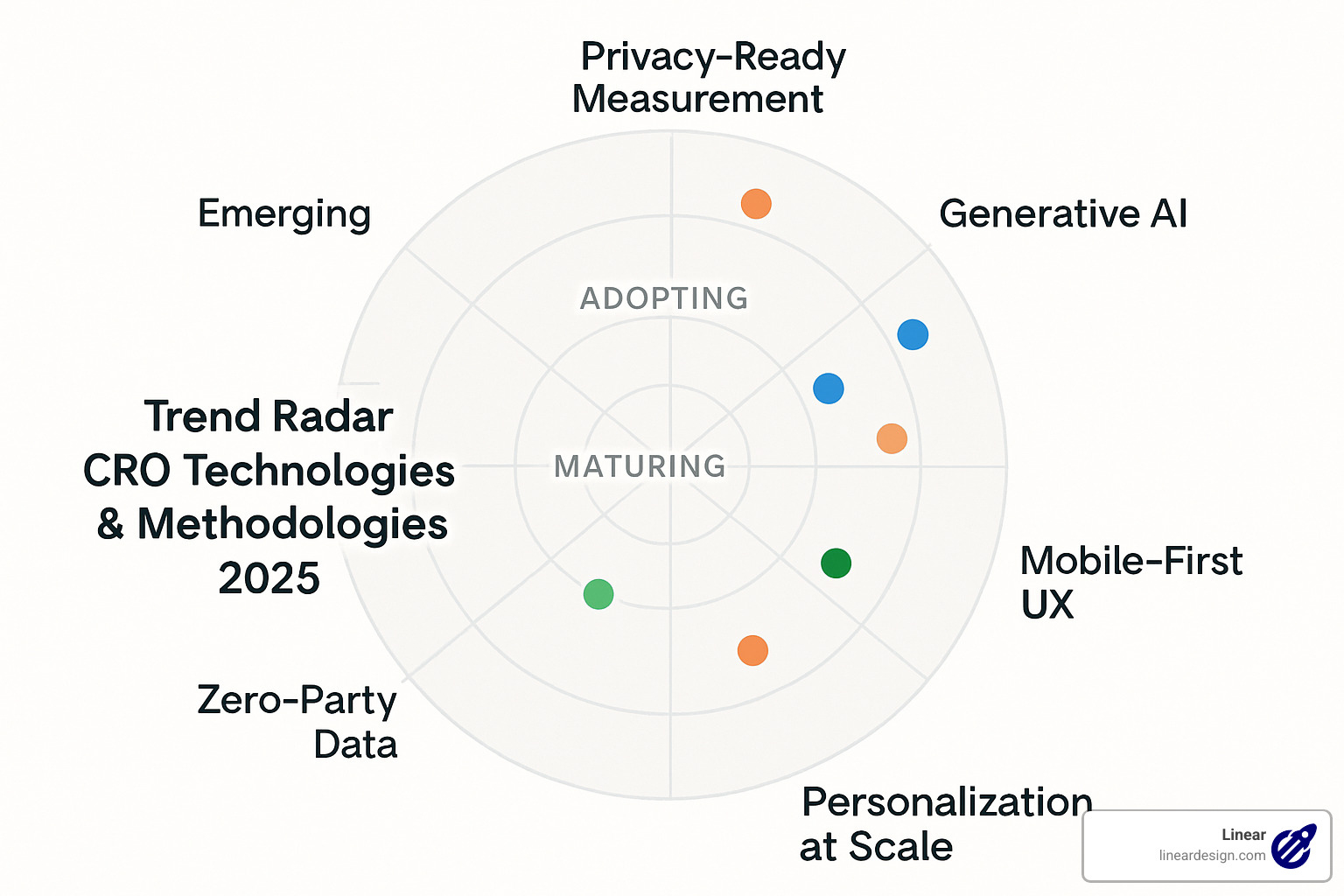
Credit: lineardesign.com
Boosting Trust And Credibility
Building trust and credibility is key to improving your website’s conversion rate. Visitors must feel safe and confident before making a purchase or signing up. Without trust, users leave quickly and never return. Simple steps can boost your site’s reliability and encourage users to take action.
Adding Security Features
Security features protect user data and build trust. Use SSL certificates to secure your site with HTTPS. Show security badges or icons during checkout. Let users know their payment information is safe. Clear privacy policies also reassure visitors. These elements reduce fear and increase confidence.
Showcasing Testimonials
Testimonials provide proof from real customers. Display honest reviews and ratings on your pages. Use photos or names to make them believable. Positive feedback helps new visitors trust your brand. Authentic testimonials create a sense of reliability and comfort.
Effective Email And Retargeting Strategies
Effective email and retargeting strategies boost your conversion rates fast. They keep your brand in front of interested visitors. This creates more chances to turn visitors into customers.
Emails reach people directly in their inbox. Retargeting ads follow users as they browse online. Both methods remind users about your products or services. They help build trust and encourage action.
Crafting Conversion-focused Emails
Write clear and simple subject lines to get attention. Use short sentences and direct calls to action. Personalize emails by using the recipient’s name. Offer value like discounts or helpful tips. Include one main message per email to avoid confusion. Use buttons or links that stand out for easy clicks. Test different email versions to see what works best.
Using Retargeting Ads
Show ads to people who visited your website but did not buy. Use images and messages related to their interests. Keep ads simple and focused on one product or offer. Set a frequency cap to avoid annoying users. Use clear calls to action in your ads. Track ad performance and adjust to improve results. Retargeting keeps your brand top of mind and drives return visits.
Frequently Asked Questions
What Is Conversion Rate Optimization (cro)?
Conversion rate optimization (CRO) is the process of increasing website visitors who complete desired actions. These actions include purchases, sign-ups, or inquiries. CRO improves user experience and boosts business revenue by making data-driven changes to your website or landing pages.
Why Is Conversion Rate Optimization Important?
CRO helps maximize the value of your existing traffic. It lowers customer acquisition costs and increases revenue without increasing marketing spend. Optimizing conversion rates leads to better user engagement and higher return on investment (ROI) for your digital campaigns.
How Do You Measure Conversion Rate?
Conversion rate is calculated by dividing the number of conversions by total visitors. Multiply this result by 100 to get a percentage. Tracking tools like Google Analytics help monitor conversion rates accurately and identify areas for improvement.
What Are Common Cro Techniques?
Common CRO techniques include A/B testing, user feedback analysis, and heatmaps. Improving website speed, clear call-to-actions, and simplified navigation also boost conversions. These methods identify what works best for your audience, enhancing overall user experience.
Conclusion
Conversion rate optimization helps you get more from your website visitors. Small changes can lead to better results. Testing different ideas shows what works best. Keep your goals clear and focus on user needs. Regular updates keep your site effective and fresh.
Watch your numbers and learn from data. Improving conversion rates takes time and patience. Stay consistent and keep trying new strategies. This way, your website grows stronger and more successful.
Vill du öka konverteringarna på din webbplats? Kontakta Hive Creatives för professionell konverteringsoptimering.