Are you struggling to get your online store noticed? Ecommerce marketing is the key to turning visitors into loyal customers.
Imagine your products reaching the right people at the right time, making sales almost effortlessly. You’ll discover simple, effective strategies that can boost your traffic and increase your profits. Ready to unlock the full potential of your ecommerce business? Keep reading to find out how.
Ecommerce Trends In 2025
Ecommerce is growing fast. New trends shape how people shop online. Businesses must keep up to stay ahead. The year 2025 brings clear changes in technology and customer habits. These shifts affect every online store and marketer.
Emerging Technologies
Artificial intelligence helps personalize shopping experiences. Chatbots answer questions quickly and guide buyers. Augmented reality lets customers try products virtually. Voice search grows as more people use smart devices. These tools make shopping easier and more fun.
Consumer Behavior Shifts
Buyers want faster delivery and easy returns. They trust online reviews and social proof more. Mobile shopping increases as phones become primary devices. People prefer simple checkout processes with fewer steps. Sustainability influences choices, with many picking eco-friendly brands.
Market Growth Areas
Subscription services keep growing in popularity. Health and wellness products see more demand. Niche markets gain traction as buyers seek unique items. Cross-border ecommerce expands as shipping improves. Social commerce rises, blending shopping with social media.

Credit: www.firstpier.com
Optimizing Your Online Store
Optimizing your online store is key to attracting and keeping customers. A well-optimized store feels easy to use and fast. It helps shoppers find what they want quickly. This leads to more sales and happy customers. Focus on improving user experience, mobile design, and site speed. These areas make a big difference in how people shop online.
User Experience Enhancements
Good user experience means a simple, clear layout. Menus should be easy to find and use. Product pages need clear photos and descriptions. Use large buttons for buying or adding items to carts. Avoid clutter and keep the design neat. Easy navigation stops visitors from leaving too soon. Help customers reach their goals with fewer steps.
Mobile-first Design
Most shoppers use phones to browse and buy. Mobile-first design means building your store for phones first. This makes sure the site looks good on small screens. Text should be easy to read without zooming. Buttons must be big enough to tap with a finger. A mobile-friendly site keeps visitors engaged longer. It improves your ranking on search engines too.
Speed And Performance
Fast loading times keep visitors happy. Slow pages cause frustration and lost sales. Compress images and use fast hosting services. Limit heavy scripts that slow down your site. Test your store speed on different devices. A quick store builds trust and encourages more purchases. Every second counts in keeping customers interested.
Effective Content Marketing
Effective content marketing helps ecommerce stores attract and keep customers. Good content explains products clearly and builds trust. It also makes your site more visible in search engines. Focus on content that speaks directly to your audience’s needs.
Use clear, simple words. Show benefits, not just features. Content should be easy to read and helpful. This way, visitors feel confident to buy and come back again.
Product Descriptions That Sell
Write product descriptions that are short and clear. Explain what the product does and why it matters. Use simple words and avoid jargon. Highlight the main benefit in the first sentence. Include details like size, color, and material. Help buyers imagine using the product. Answer common questions they might have. Good descriptions reduce doubts and increase sales.
Video And Visual Content
Use videos to show products in action. Videos help customers see real use and size. Add clear images from different angles. Visuals grab attention and explain better than text. Use simple captions or short explanations with images. Videos and pictures build trust and make shopping easier. They keep visitors longer on your site.
Blog And Social Media Strategies
Write blog posts that solve problems or share tips. Use easy words and short sentences. Share posts on social media to reach more people. Ask questions or invite comments to start conversations. Post regularly to stay visible and build a community. Use stories about your products to connect with readers. This builds trust and encourages followers to buy.
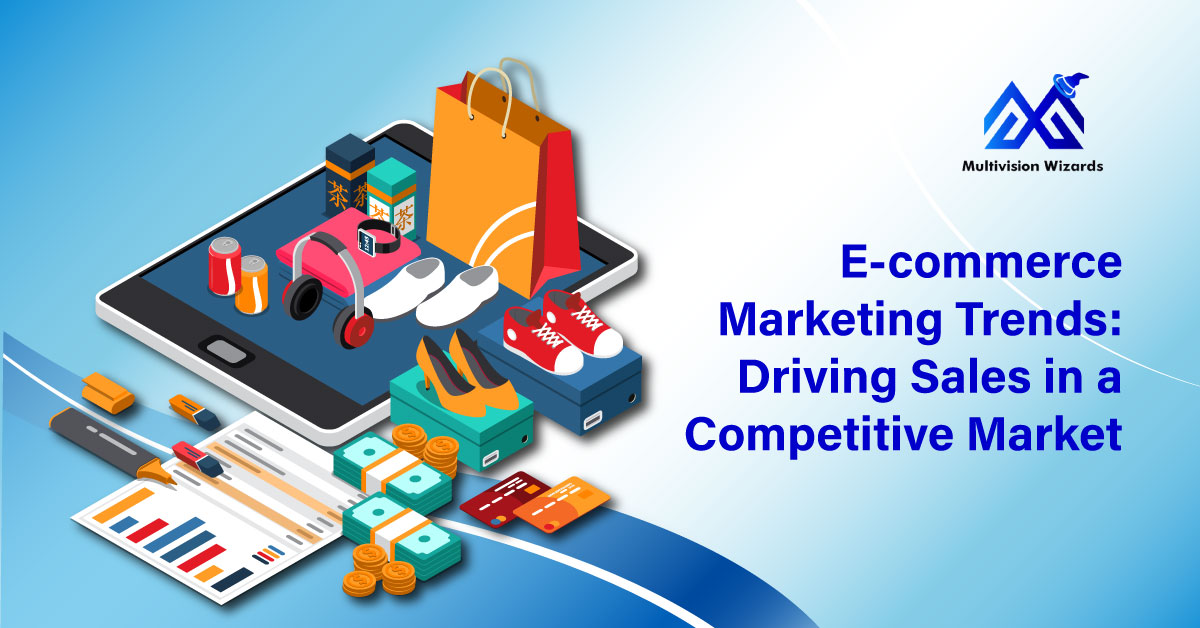
Credit: multivisionwizards.com
Leveraging Social Media
Social media is a powerful tool for ecommerce marketing. It helps brands reach many people fast. Social platforms connect businesses directly to customers. This creates chances to build trust and boost sales. Using social media well can improve brand visibility and customer loyalty.
Targeted Advertising
Social media ads let you reach specific groups. You can target by age, location, interests, and more. This makes ads more effective and saves money. Ads appear to people who are likely to buy. Small budgets can still reach the right audience. Tracking ad results helps improve future campaigns.
Influencer Partnerships
Influencers have followers who trust their opinions. Partnering with influencers can show your products to many buyers. Influencers create honest reviews and posts about your brand. This builds credibility quickly. Choose influencers whose audience matches your target market. This helps create real interest and sales.
Community Engagement
Engaging with your audience builds a loyal community. Reply to comments and messages quickly. Share user-generated content to show appreciation. Host contests or live chats to involve followers. Active communities increase repeat customers. People buy from brands they feel connected to.
Email Marketing Tactics
Email marketing is a powerful way to reach customers directly. It helps build trust and drives sales. Using the right tactics can make your emails more effective. Simple changes can lead to better results.
Focus on making emails personal, timely, and relevant. This keeps readers interested and ready to act. Below are key tactics to improve your email marketing strategy.
Personalization Techniques
Personalization makes emails feel special and unique. Use the recipient’s name in the subject line and body. Mention products they viewed or bought before. Send birthday or anniversary emails to show you care. Personal touches increase open and click rates.
Automation Workflows
Automation saves time and sends emails at the right moments. Set up welcome emails for new subscribers. Create cart abandonment emails to remind shoppers about unpaid items. Use follow-up emails after a purchase to ask for reviews. Automation keeps your audience engaged without extra work.
Segmenting Your Audience
Divide your email list into smaller groups. Group by age, location, or shopping habits. Send offers that match each group’s interests. Segmentation improves relevance and reduces unsubscribes. Tailored emails bring higher engagement and sales.
Credit: www.campaigncreators.com
Paid Advertising Strategies
Paid advertising is a key part of ecommerce marketing. It helps brands reach more customers quickly. With the right strategy, paid ads can boost sales and brand visibility. Choosing the best methods can save money and improve results.
Ppc Campaigns
PPC stands for pay-per-click. Advertisers pay only when someone clicks their ad. These campaigns appear on search engines and social media. They help attract targeted visitors who want to buy. Careful keyword research and ad design improve PPC success.
Retargeting Methods
Retargeting shows ads to people who visited your site before. It reminds them of products they viewed or left in carts. This method increases chances of completing a sale. Using retargeting ads can bring back lost customers easily.
Budget Optimization
Budget optimization means spending money wisely on ads. Track which ads perform best and invest more in them. Cut spending on ads that don’t bring results. This approach helps stretch your budget for better returns.
Utilizing Data And Analytics
Data and analytics play a big role in ecommerce marketing success. They help businesses understand customer behavior and improve strategies. Using data smartly leads to better decisions and higher sales.
Tracking the right information helps spot what works and what does not. It also shows areas that need more effort. Let’s explore how to use data well in ecommerce marketing.
Tracking Key Metrics
Key metrics measure ecommerce performance clearly. Examples include conversion rates, average order value, and cart abandonment. Tracking these numbers shows which parts need fixing.
Regularly checking metrics helps catch problems early. It also guides marketing efforts to focus on what matters most.
Customer Insights
Understanding customers is vital for ecommerce success. Data reveals who your buyers are and what they want. This insight helps create better product offers and messages.
Customer data shows buying habits, preferences, and pain points. Use this knowledge to build trust and improve satisfaction.
A/b Testing
A/B testing compares two versions of a webpage or ad. It shows which one performs better with real users. This method removes guesswork from marketing decisions.
Test headlines, images, and calls to action. Small changes can lead to big improvements in sales and engagement.
Building Customer Loyalty
Building customer loyalty is key to a successful ecommerce business. Loyal customers buy more often and bring new buyers. They trust your brand and share good experiences.
Creating loyalty takes time and effort. You must offer value and care beyond just selling products. Strong relationships keep customers coming back.
Loyalty Programs
Loyalty programs reward customers for repeat purchases. Points, discounts, or special offers encourage buyers to return. Simple programs work best for easy understanding. They make customers feel valued and appreciated.
Customer Service Excellence
Good customer service builds trust and satisfaction. Quick answers and friendly support make a big difference. Solve problems fast and clearly. Happy customers often become loyal customers.
Feedback And Reviews
Asking for feedback shows you care about opinions. Reviews help improve products and services. Positive reviews attract new buyers and keep current ones. Always respond politely to both praise and complaints.
Frequently Asked Questions
What Is Ecommerce Marketing And Why Is It Important?
Ecommerce marketing promotes online stores to attract and retain customers. It boosts sales, brand visibility, and customer loyalty. Effective strategies increase website traffic and conversions, making it essential for online business growth and competitiveness in the digital marketplace.
How Can Social Media Improve Ecommerce Marketing?
Social media builds brand awareness and engages customers directly. It drives traffic through targeted ads and organic posts. Platforms like Instagram and Facebook offer tools for promotions, helping ecommerce stores reach wider audiences and increase sales efficiently.
What Role Does Seo Play In Ecommerce Marketing?
SEO improves a store’s visibility on search engines. Optimized content and keywords attract organic traffic. This reduces advertising costs and increases long-term sales. Proper SEO ensures your products appear in relevant search results, boosting ecommerce success.
Which Email Marketing Tactics Work Best For Ecommerce?
Personalized emails, product recommendations, and timely promotions boost engagement. Automated cart abandonment reminders recover lost sales. Consistent newsletters build customer relationships and encourage repeat purchases, making email marketing a powerful ecommerce tool.
Conclusion
Ecommerce marketing helps businesses reach more customers online. It builds trust and shows why products matter. Simple strategies like email, social media, and SEO work well. Consistent effort brings steady growth over time. Small changes can improve sales and customer loyalty.
Keep learning and adjusting your approach often. Success comes from understanding your audience’s needs clearly. Stay focused and patient, and results will follow.