Are you curious about how well email marketing really works? Understanding the latest email marketing stats can change the way you connect with your audience and boost your results.
These numbers reveal what grabs attention, what drives clicks, and what makes people take action. If you want to make your emails more effective and get better returns, keep reading. You’ll discover powerful insights that can transform your email strategy right away.
Key Email Marketing Metrics
Email marketing works best when you track the right numbers. Key email marketing metrics show how well your campaigns perform. These numbers help you understand what your audience likes. They guide you to improve your emails for better results.
Knowing these metrics helps you send emails that connect. It saves time and money by focusing on what matters most. Let’s explore some important email marketing stats now.
Open Rates Across Industries
Open rate measures how many people open your email. It shows if your subject line and sender name attract attention. Different industries have different average open rates. For example, nonprofit emails often get higher opens than retail emails. Tracking open rates helps you see if your emails catch interest.
Click-through Rate Insights
Click-through rate (CTR) shows how many readers click links inside your email. It tells if your content is useful and engaging. A high CTR means your call-to-action works well. CTR varies by email type and industry. Emails with clear and simple offers get better clicks.
Conversion Rate Benchmarks
Conversion rate measures how many people take the desired action. It could be buying a product or signing up for a service. This metric shows the real impact of your email campaign. Conversion rates depend on the offer and how well your landing page works. Knowing your conversion rate helps improve your sales strategy.
Credit: www.sender.net
Rising Trends In Email Campaigns
Email marketing keeps evolving with new trends shaping campaigns. Marketers now focus on making emails more relevant and easier to read. These changes help businesses reach customers better and improve results.
Campaigns are smarter and more user-friendly. Technology and data play a big role in this shift. Below are key trends that show how email marketing is growing today.
Personalization Impact
Personalization makes emails feel special to each reader. Using a person’s name or past purchases boosts interest. Emails with personal touches get higher open and click rates. Simple changes like tailored subject lines increase engagement quickly.
Mobile Device Engagement
Many people check emails on phones and tablets. Emails designed for mobile screens get more attention. Responsive designs that fit any device improve reading comfort. Fast-loading emails on mobile keep users from deleting messages.
Automation Growth
Automation helps send emails at the right time. It saves effort by sending messages based on user actions. Welcome emails, reminders, and follow-ups are popular automated types. Automation leads to better targeting and higher response rates.
Email Marketing By Audience
Email marketing works differently for each audience type. Knowing your audience helps you send the right message. This increases the chance your email will be opened and read.
Audience preferences vary by age, business type, and location. Understanding these differences improves email marketing results.
Generation-based Preferences
Different age groups respond to emails in unique ways. Younger generations like short, visual emails. Older groups prefer detailed and clear information. Mobile-friendly emails attract all age groups. Personalization matters most for Millennials and Gen Z. Baby Boomers focus on trust and clarity. Tailoring emails by generation boosts engagement.
B2b Vs B2c Differences
Business emails (B2B) usually contain facts and case studies. They focus on building long-term relationships. Consumer emails (B2C) are more casual and promotional. They use discounts and emotional appeals. B2B audiences prefer emails during work hours. B2C customers check emails anytime. The tone and timing must match the audience type.
Global Email Usage Patterns
Email habits change worldwide. In North America, email use is high for work and shopping. Europe shows strong trust in email marketing. Asia has rapid growth in mobile email users. Latin America prefers emails in local languages. Sending emails in the right language and time zone increases success.

Credit: www.tidio.com
Design And Content Trends
Email marketing design and content keep changing. These changes help catch readers’ eyes and keep them interested. Simple layouts with clear messages work best. Bright colors and easy fonts help readers focus.
Marketers now use new tricks to make emails more fun and useful. These trends improve how people see and click on emails. Let’s explore some key design and content trends that boost email success.
Interactive Elements Boost
Interactive parts like quizzes and polls make emails active. Readers spend more time clicking and exploring. This helps brands get feedback fast. Buttons and sliders also make emails fun. Interactive emails can increase click rates by 20% or more.
Video Integration Effects
Adding videos inside emails grabs attention quickly. Videos explain products better than text alone. People remember video messages longer. Emails with videos get 35% more opens. Short clips under 30 seconds work best for emails.
Subject Line Strategies
Good subject lines make readers open emails. Clear and short lines perform well. Using questions or numbers helps too. Personalizing with a name increases open rates. Avoid spammy words like “free” or “buy now.” Keep subject lines under 50 characters.
Challenges In Email Marketing
Email marketing remains a powerful tool for businesses. Still, it faces many challenges that affect success. Marketers must understand these hurdles to improve their campaigns. The following sections highlight key issues in email marketing.
Spam And Deliverability Issues
Many emails never reach the inbox. They get caught in spam filters or blocked by servers. Poor sender reputation and bad list hygiene cause this problem. Marketers must clean their email lists regularly. Using verified contacts reduces the chance of being marked as spam. Crafting relevant content also helps improve deliverability rates.
Privacy Regulations Impact
Privacy laws like GDPR and CCPA change how emails are sent. Marketers need clear consent before emailing contacts. Non-compliance leads to fines and damaged trust. These rules limit data use for personalization. Marketers must balance privacy with effective targeting carefully.
Inbox Overload Solutions
People receive dozens of emails daily. Standing out in a crowded inbox is tough. Marketers should focus on quality, not quantity. Personalizing subject lines and content grabs attention. Sending emails at the right time increases open rates. Segmenting audiences ensures relevant messages reach the right people.

Credit: www.campaignmonitor.com
Future Outlook For Email Marketing
Email marketing continues to evolve with new tools and trends shaping its future. Businesses must adapt to stay effective and connect with their audience. The future outlook shows exciting changes that will improve how emails are created and sent.
Ai And Machine Learning Roles
AI helps create better email content by analyzing what works best. It predicts customer preferences and sends personalized messages. Machine learning improves targeting by studying user behavior over time. This leads to higher open and click rates. AI also automates tasks like scheduling and segmentation, saving time.
Emerging Technologies
New tech like interactive emails allows users to engage without leaving their inbox. AMP technology makes emails dynamic and more engaging. Voice-activated email features are becoming popular with smart devices. These technologies improve user experience and increase interaction. They make emails more useful and interesting.
Evolving Consumer Expectations
Consumers want relevant and timely emails that respect their privacy. They expect clear value in every message they receive. Mobile-friendly designs are now essential as many check emails on phones. Fast loading and easy reading improve satisfaction. Meeting these expectations helps build trust and loyalty.
Frequently Asked Questions
What Is The Average Email Open Rate In 2024?
The average email open rate in 2024 is around 22-25%. This varies by industry and audience engagement levels. Higher open rates indicate effective subject lines and targeted content. Tracking these stats helps improve future campaigns and boosts ROI.
How Does Email Marketing Impact Customer Engagement?
Email marketing significantly boosts customer engagement by delivering personalized content. It encourages clicks, shares, and repeat visits. Well-segmented email lists increase relevance, improving conversion rates. Consistent emails build trust and loyalty, fostering long-term relationships with customers.
What Is The Typical Click-through Rate For Emails?
Typical email click-through rates range between 2-5%. This depends on email design, call-to-action clarity, and list quality. Higher CTRs indicate strong interest and effective messaging. Monitoring CTR helps optimize campaigns for better performance and increased sales.
How Often Should Businesses Send Marketing Emails?
Businesses should send marketing emails 1-4 times per month. Over-emailing can cause unsubscribes; under-emailing may reduce engagement. Testing frequency helps find the ideal balance. Consistency and value-driven content keep subscribers interested and responsive.
Conclusion
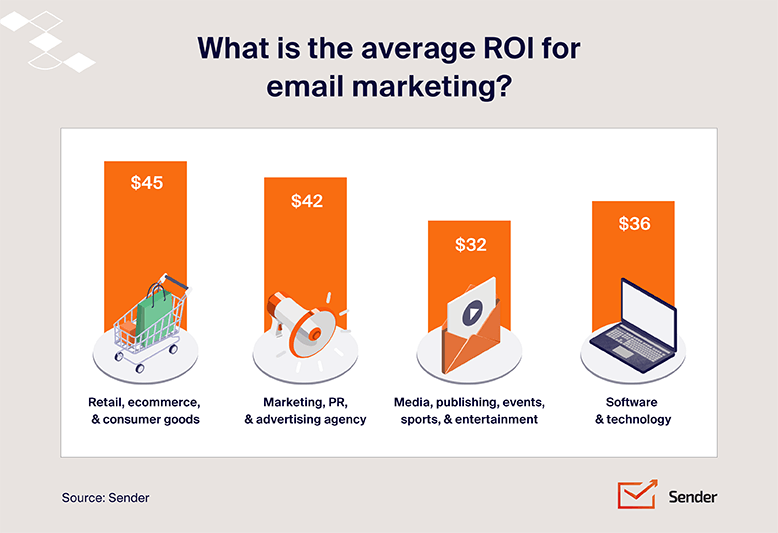
Email marketing remains a strong tool for businesses today. It helps reach many people quickly and cheaply. Stats show it brings good returns on investment. Emails create personal connections with customers. They also boost sales and brand awareness. Tracking these stats helps improve future campaigns.
Small changes can lead to better results. Keep testing and learning from your data. Stay consistent and clear in your messages. Email marketing will continue to grow and adapt with time.