Are you wondering if email marketing is still worth your time and effort? The truth is, your email list holds more power than you might think.
Knowing the right stats can help you unlock that power and boost your results. You’ll discover surprising numbers that reveal how email marketing can grow your business, engage your audience, and drive sales. Keep reading to find out how you can use these insights to make your next campaign your best one yet.

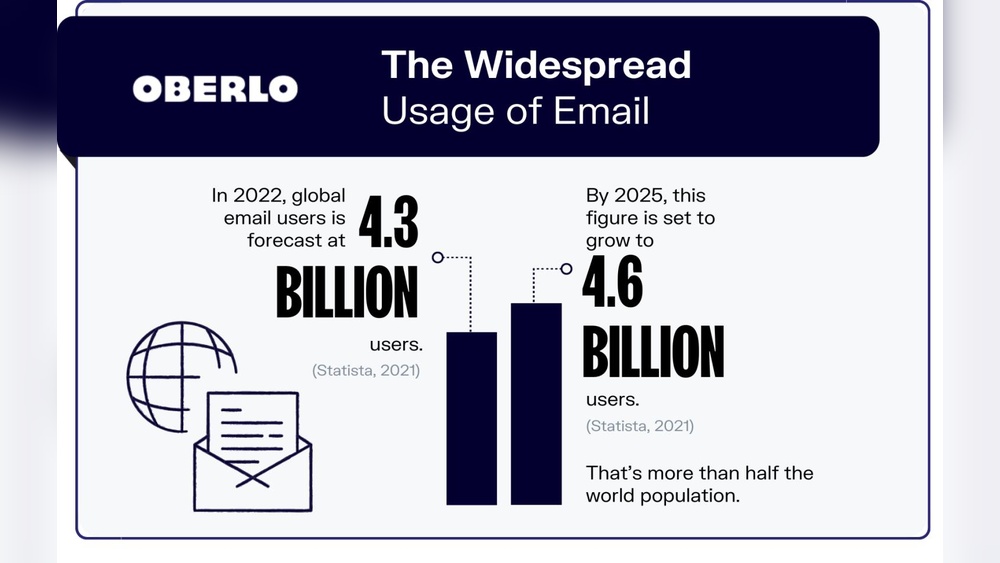
Credit: www.oberlo.com
Email Marketing Growth
Email marketing continues to grow steadily every year. More businesses use it to reach their customers directly. This growth shows how important email remains in digital marketing. The rise happens in user engagement and the number of campaigns sent.
Understanding these trends helps marketers improve their strategies. Let’s explore the key factors behind email marketing growth.
Rising User Engagement
Email users are opening and clicking messages more often. Click-through rates have improved by several percentage points. Personalized emails get more attention and responses. People prefer emails that feel relevant and useful. This rise in engagement shows that email still connects well with audiences.
Increasing Campaign Volumes
Businesses send more email campaigns than before. The total number of emails sent grows each year. Marketers use automation tools to manage these volumes easily. Sending frequent campaigns helps keep brands in customers’ minds. Despite more emails, users still respond positively to good content.
Open Rate Trends
Email open rates show how many people read your emails. Tracking these rates helps marketers improve their campaigns. Open rates depend on many small but important factors. Understanding these trends helps create better emails that catch readers’ attention.
Impact Of Subject Lines
Subject lines are the first thing readers see. A clear and interesting subject line raises open rates. Short subject lines perform better than long ones. Words that create curiosity or urgency get more clicks. Avoiding spammy words keeps emails out of the junk folder.
Effect Of Personalization
Personalized emails feel more relevant to readers. Including the recipient’s name in the subject line increases opens. Emails tailored to interests or past behavior get more attention. Personalization builds trust and makes readers more likely to engage. Simple changes can improve open rates significantly.
Click-through Rates
Click-through rates (CTR) show how many people clicked a link in your email. This rate helps measure how effective your email content is. A higher CTR means more readers engage with your message. Understanding CTR helps improve your email marketing strategy. Small changes can make a big difference in clicks and sales.
Device Preferences
Most people open emails on mobile devices. Mobile users often click links faster than desktop users. Emails must look good on small screens. Simple designs load faster and keep readers interested. Test your emails on phones and tablets. This ensures links work well everywhere.
Best Call-to-action Practices
Clear and direct call-to-action (CTA) buttons increase clicks. Use short phrases like “Buy Now” or “Learn More.” Place CTAs where readers can see them easily. Use contrasting colors to make buttons stand out. Avoid too many CTAs in one email. One or two strong CTAs work best.
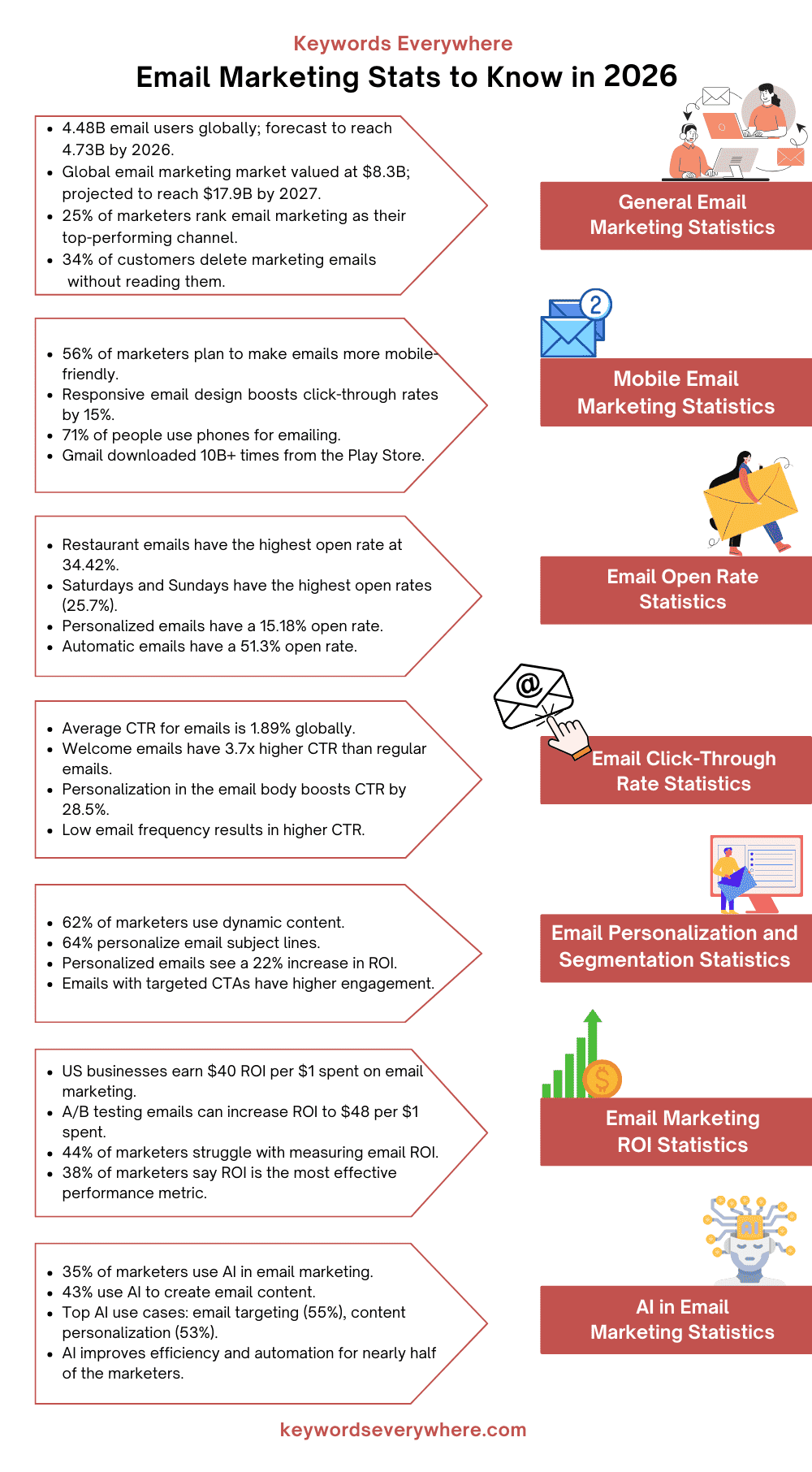
Credit: keywordseverywhere.com
Conversion Metrics
Conversion metrics show how well your email campaigns perform. They measure actions from your audience, like clicks, purchases, or sign-ups. Tracking these numbers helps improve future emails and increase sales.
Industry Benchmarks
Each industry has different average conversion rates. For example, retail often sees higher conversions than B2B services. Knowing these benchmarks helps set realistic goals. It also shows if your campaign is doing well or needs improvement.
Open rates average around 20-25% across industries. Click-through rates usually range from 2% to 5%. Conversion rates tend to be lower, often between 1% and 3%. Compare your stats to these numbers for better insight.
Time-based Performance
Conversion rates change depending on the time of day and week. Emails sent early in the morning or late at night may get fewer clicks. Mid-week emails, especially on Tuesday and Thursday, often perform better.
Seasonal trends also affect conversions. Holidays and special events can boost interest and sales. Testing different send times helps find the best moment for your audience.
Mobile Vs Desktop
Email marketing reaches users on both mobile and desktop devices. Each platform shows different user behavior and preferences. Knowing these differences helps create better campaigns.
Usage Patterns
More than half of all emails open on mobile devices. Mobile users check emails frequently throughout the day. Desktop users tend to open emails during work hours. Mobile opens often happen on the go or during short breaks. Desktop opens happen during focused work time. This means timing emails for each device type can boost engagement. Mobile users prefer quick, easy-to-read emails. Desktop users handle longer, detailed messages better.
Design Considerations
Mobile email design must be simple and clear. Text should be large enough to read on small screens. Buttons need to be easy to tap with a finger. Images should load quickly and fit the screen size. Desktop emails allow more complex layouts and bigger images. However, designs must still be responsive to adjust on different devices. Using a single-column layout helps mobile reading. Avoid tiny fonts or crowded content on mobile. Clear calls to action work well on both devices.
Automation Impact
Email marketing automation has changed how businesses connect with customers. It saves time and sends the right message at the right time. Automation lets marketers focus on strategy instead of manual tasks. It also improves customer experience by delivering personalized content quickly. This section explores key stats showing automation’s impact on email marketing success.
Triggered Campaign Success
Triggered emails perform much better than regular emails. These campaigns send messages based on user actions. For example, a welcome email after sign-up or a cart reminder after abandonment. Triggered emails have a 70% higher open rate than standard emails. They also generate 152% more revenue per email. This success comes from relevance and timely delivery.
Behavioral Targeting Benefits
Behavioral targeting uses customer data to tailor email content. It tracks clicks, purchases, and browsing habits. Emails based on behavior have a 74% higher click-through rate. They help brands build stronger connections with customers. Personalized emails lead to 6 times higher transaction rates. This shows how automation boosts engagement and sales.
Spam And Deliverability
Email marketing success depends heavily on spam and deliverability rates. Emails must reach the inbox, not the spam folder. Low deliverability wastes time and money. Many businesses struggle with this issue.
Spam filters block unwanted messages. These filters use complex rules. They check email content, sender reputation, and engagement. Poor practices increase the risk of being marked as spam. Understanding common pitfalls helps avoid these problems.
Common Pitfalls
Using misleading subject lines triggers spam filters. Overuse of salesy words like ”free” or ”urgent” hurts deliverability. Sending emails to outdated or unverified lists increases bounce rates. High bounce rates lower sender reputation. Ignoring unsubscribe requests also damages sender trust. Low engagement signals spam filters to block emails. Neglecting email authentication methods like SPF or DKIM worsens deliverability.
Improving Inbox Placement
Keep email lists clean by removing inactive addresses. Use clear and honest subject lines. Encourage recipients to add your email to their contacts. Personalize emails to boost engagement. Segment lists to send relevant content. Test emails for spam triggers before sending. Set up SPF, DKIM, and DMARC authentication. Monitor your sender reputation regularly. Promptly honor unsubscribe requests to build trust.

Credit: blog.hubspot.com
Future Trends
Email marketing is evolving fast. New trends shape how businesses connect with their audience. These trends improve engagement and boost results. Understanding future trends helps marketers stay ahead. Below are two key trends shaping email marketing.
Ai Integration
Artificial intelligence helps create personalized emails. It analyzes data to suggest the best content for each user. AI can predict the best time to send emails. This increases chances that people will open and read them. It also helps automate email campaigns. This saves time and improves accuracy.
Interactive Emails
Interactive emails let users engage directly within the message. Features like polls, quizzes, and buttons make emails fun and useful. They encourage readers to take action immediately. This type of email keeps users interested longer. It also helps collect feedback without leaving the inbox. Interactive emails increase clicks and improve conversion rates.
Frequently Asked Questions
What Is The Average Email Open Rate In 2024?
The average email open rate in 2024 is around 22. 5%. This rate varies by industry and audience. Higher engagement often links to personalized subject lines and targeted content.
How Does Email Marketing Roi Compare To Other Channels?
Email marketing delivers an average ROI of $42 for every $1 spent. This outperforms most digital channels, making it highly cost-effective for businesses.
Which Email Types Have The Highest Engagement Rates?
Transactional emails typically show the highest engagement rates, often exceeding 50%. Welcome emails and personalized offers also generate strong responses from recipients.
What Is The Impact Of Mobile On Email Marketing?
Over 60% of emails are opened on mobile devices. Optimizing emails for mobile ensures better readability and higher click-through rates.
Conclusion
Email marketing remains a strong tool for businesses today. It helps connect directly with customers and builds trust over time. Stats show it delivers high returns and good engagement rates. Simple emails can bring better results than many other methods.
Stay consistent and focus on clear, helpful messages. Small changes can improve open and click rates. Keep learning from data to make emails better. Email marketing continues to be a smart choice for growth.