Have you ever wished your learning, gaming, or online experience could feel more alive and exciting? Interactive content makes that possible.
It pulls you in, keeps you engaged, and makes you part of the story. Imagine not just reading or watching but actually doing, deciding, and exploring. This kind of connection sparks your curiosity and makes information stick better. If you want to discover how interactive elements can change the way you work, learn, or play, keep reading.
You’re about to unlock a whole new level of engagement that speaks directly to you.

Credit: www.youtube.com
Benefits Of Interactive Experiences
Interactive experiences offer many benefits for both users and businesses. They make content more interesting and keep people involved. This leads to better results and stronger relationships. Interactive elements help users feel part of the story or message. This creates a positive experience that people remember.
Enhancing User Engagement
Interactive content grabs users’ attention quickly. It invites them to take action, such as clicking, swiping, or answering questions. This active involvement keeps users focused longer. They don’t just watch or read passively. Instead, they participate, making the experience more fun and meaningful.
Higher engagement means users explore more content. It also encourages sharing and returning to the site. This helps build a loyal audience over time.
Building Stronger Connections
Interactive experiences create a bond between users and brands. Users feel heard and involved through personalized content. This connection builds trust and loyalty. People are more likely to remember brands that engage them directly.
By responding to user input, businesses show they care. This two-way communication makes interactions feel genuine. Strong connections lead to better customer satisfaction and repeat visits.
Increasing Retention Rates
Users retain information better when they interact with content. Active participation helps the brain process and remember details. This leads to higher retention rates compared to passive reading or watching.
Interactive tools like quizzes and polls reinforce learning and recall. They make information easier to understand and recall later. Increased retention helps users make informed decisions and stay engaged longer.
Types Of Interactive Content
Interactive content keeps users engaged and interested. It invites participation rather than passive reading. Different types of interactive content serve different purposes. Some entertain, others educate or collect feedback. Understanding these types helps create better user experiences.
Quizzes And Polls
Quizzes test knowledge or preferences. They offer instant results, making users curious. Polls collect opinions quickly. Both encourage users to interact with content. They also provide useful data for creators.
Interactive Videos
Interactive videos allow viewers to choose what happens next. They create a feeling of control and involvement. These videos can include clickable areas or decision points. Viewers stay engaged longer and remember content better.
Gamification Elements
Gamification uses game-like features in non-game contexts. Points, badges, and leaderboards motivate users. These elements make tasks fun and rewarding. They boost participation and improve learning or sales results.
Designing Engaging Interactions
Designing engaging interactions is key to keeping users interested. Good interaction design helps users feel connected and valued. It encourages them to explore and stay longer on your site.
Engagement grows with clear, simple, and personal touches. Each step of the user journey should feel natural and inviting. Thoughtful design creates a smooth experience that users enjoy.
Personalization Techniques
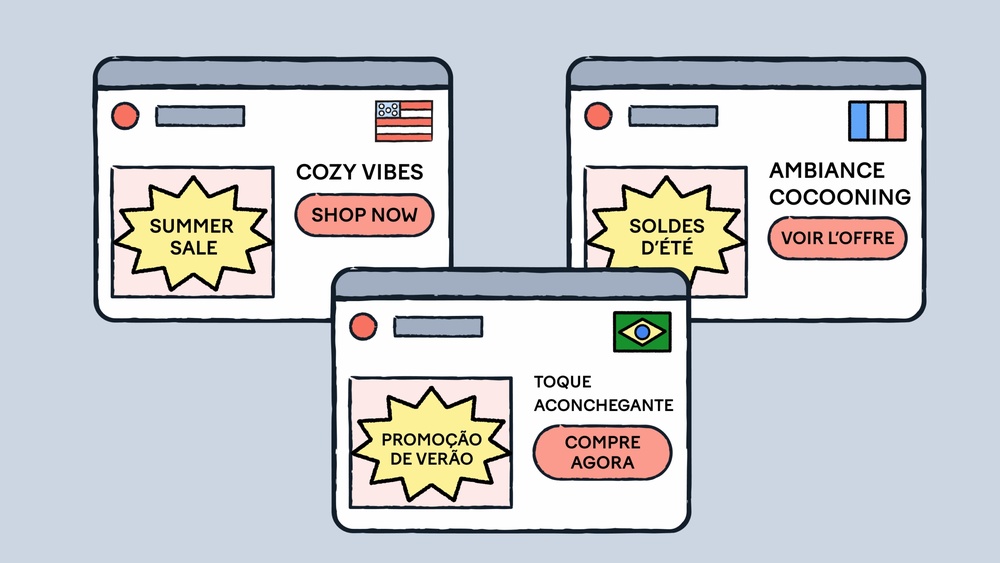
Personalization makes users feel special and understood. Use data like location or past behavior to tailor content. Show relevant suggestions or messages that match their needs. Small personal touches increase trust and loyalty.
Clear Call-to-actions
Calls-to-action guide users on what to do next. Use simple and direct language like ”Buy Now” or ”Learn More.” Make buttons stand out with color and size. Clear CTAs reduce confusion and boost clicks.
Seamless User Interface
A seamless interface feels smooth and easy to use. Organize content logically with clear menus and buttons. Avoid clutter and distractions that slow users down. Fast loading and responsive design improve experience.

Credit: wpmanageninja.com
Incorporating Feedback Loops
Incorporating feedback loops is key to making interactive content effective. Feedback loops help creators understand what users want and how they behave. This allows for better engagement and more relevant experiences. By gathering and using feedback, content can evolve and improve continuously. Feedback loops create a cycle of communication between users and creators, making the interaction dynamic and responsive.
Real-time Responses
Real-time responses keep users engaged and interested. Quick replies show users their input matters. This instant feedback helps maintain a lively conversation. Users feel heard and valued, increasing their participation. Real-time responses create a smooth, interactive experience that feels natural and alive.
User-generated Content
User-generated content adds authenticity to interactive platforms. It encourages users to share ideas and opinions freely. This content reflects real user experiences and builds trust. It also increases the variety of perspectives available. User-generated content creates a community where everyone can contribute and learn.
Continuous Improvement
Continuous improvement relies on constant feedback and data. Each loop reveals insights that guide better decisions. Adjustments based on user input enhance content quality. This ongoing process keeps content fresh and relevant. Continuous improvement ensures the experience grows better over time, meeting user needs effectively.
Measuring Engagement Success
Measuring engagement success is important for any interactive content. It shows how well users connect with your material. Tracking this helps improve your content and meet your goals. Knowing what works and what doesn’t saves time and effort.
Key Metrics To Track
Start by watching key numbers. Look at clicks, shares, and time spent. These tell if users find your content interesting. Bounce rate shows if visitors leave quickly. High bounce means content needs work. Conversion rate reveals how many take action. Keep an eye on these metrics often.
Analyzing User Behavior
Observe how users move through your content. Notice where they stop or drop off. Check what parts get more attention. Heatmaps and session recordings help here. These tools show real user actions. Understanding behavior points out strengths and weak spots.
Adjusting Strategies
Use data to change your approach. Improve weak areas and boost strong ones. Test different headlines or images. Try new calls to action. Small changes can lead to better engagement. Keep testing and learning from results.
Credit: www.prometheanworld.com
Frequently Asked Questions
What Is An Interactive Experience In Digital Content?
An interactive experience allows users to engage actively with content. It includes clicks, choices, and feedback, enhancing user involvement and retention. Interactive content boosts engagement and makes information memorable.
How Does Interactive Design Improve User Engagement?
Interactive design encourages users to participate, making the experience dynamic and personalized. It increases time spent on sites and reduces bounce rates. This leads to better user satisfaction and higher conversion rates.
What Are Common Types Of Interactive Content?
Common interactive content includes quizzes, polls, videos, infographics, and games. These formats invite user interaction and provide instant feedback. They effectively capture attention and increase content sharing.
Why Is Interactivity Important For Online Learning?
Interactivity in online learning promotes active participation and improves knowledge retention. It helps learners stay focused and practice skills in real time. This method enhances overall learning outcomes and motivation.
Conclusion
Interactive content keeps users interested and involved. It helps people learn by doing, not just reading. This type of content makes websites more fun and useful. Visitors stay longer and come back again. Simple tools can create great interactive experiences.
Try adding quizzes, polls, or videos to your site. Small changes bring better results over time. Keep your audience engaged with fresh, active content. Interactive elements build trust and make messages clear. It’s a smart way to connect with more people.