If you want your story, product, or message to reach a bigger audience, connecting with journalists is key. But reaching out to journalists isn’t always easy.
You need the right approach to grab their attention and make them interested in what you have to say. You’ll discover simple, powerful ways to improve your journalist outreach. By the end, you’ll know how to build strong relationships that get your news noticed and shared.
Ready to boost your visibility and make your voice heard? Let’s dive in.
Crafting A Compelling Pitch
Crafting a compelling pitch is key to successful journalist outreach. A well-written pitch grabs attention and sparks interest quickly. It shows respect for the journalist’s time and work. The goal is to make your message stand out and feel relevant.
Tailoring Pitches To Journalists
Each journalist covers specific topics. Customize your pitch to match their interests. Mention recent stories they wrote to show you did your homework. This builds trust and makes your message more appealing. Avoid generic emails that feel like spam. Personal touches increase the chance of a reply.
Using Attention-grabbing Subject Lines
The subject line is the first thing a journalist sees. Make it clear and interesting. Use simple words that describe your story’s main point. Avoid long or vague subjects that confuse the reader. A strong subject line encourages the journalist to open your email fast.
Keeping Messages Clear And Concise
Journalists are busy and get many emails daily. Keep your pitch short and to the point. Use short sentences and clear language. Highlight the key information quickly. Avoid unnecessary details or jargon. A concise message respects their time and improves your chances of success.

Credit: apbweb.com
Building Strong Media Relationships
Building strong media relationships is key for successful journalist outreach. It creates trust and opens doors for future stories. Good connections help your message reach the right audience. It takes time and effort but pays off well.
Researching Journalist Interests
Know what topics journalists cover before reaching out. Read their recent articles and social posts. Check their beat, style, and audience. Tailor your pitch to fit their interests. This shows respect and increases your chance of a reply.
Engaging On Social Media
Follow journalists on platforms like Twitter and LinkedIn. Like and comment on their posts with thoughtful insights. Share their work to show support. This builds familiarity and makes your name known. Be genuine, not salesy or pushy.
Following Up Without Being Pushy
Wait a few days after your first email. Send a polite reminder if you get no answer. Keep it short and respectful. Avoid multiple messages in a short time. Give journalists space to respond at their pace.
Leveraging Press Releases Effectively
Press releases remain a powerful tool for journalist outreach. They share news clearly and quickly. Using them well can boost your story’s reach. Focus on timing, content, and visuals for the best effect.
Timing Your Releases
Send press releases when journalists are most receptive. Early in the week works well, especially mornings. Avoid late Fridays or weekends. Align releases with relevant events or trends. This increases chances of coverage.
Highlighting Newsworthy Angles
Find the most interesting part of your news. Focus on what makes it unique or helpful. Keep your message clear and simple. Journalists want stories that matter to their readers. Make the angle easy to spot in the first sentences.
Including Multimedia Elements
Add images, videos, or infographics to your release. These catch attention and make stories more vivid. Multimedia helps explain complex ideas quickly. Journalists appreciate ready-to-use content. Ensure all files are high quality and relevant.

Credit: cen.acs.org
Utilizing Media Lists And Tools
Utilizing media lists and tools helps streamline journalist outreach. It saves time and improves results. These resources allow you to find the right contacts quickly. They also help organize your efforts and track progress. Using media lists and tools makes your outreach smarter and more focused.
Finding Relevant Contacts
Start by searching for journalists who cover your topic. Use media databases and online directories to find names and emails. Look for reporters with recent stories related to your industry. Choose contacts who write for outlets your audience trusts. This increases the chance they will respond to your pitch.
Segmenting Media Lists
Divide your media list into smaller groups. Group contacts by location, beat, or outlet type. This helps tailor your messages for each group. Personalized emails get better attention than generic ones. Keep your lists updated to avoid sending to wrong contacts.
Tracking Outreach Progress
Use tools to monitor who received your emails and who replied. Track responses and follow-up dates in one place. This prevents missed opportunities and repeated messages. Measuring your outreach helps improve future campaigns. Consistent tracking keeps your process organized and effective.
Maximizing Event And Interview Opportunities
Maximizing event and interview opportunities boosts your brand’s visibility. Each event or interview can reach new audiences. Proper planning turns these moments into powerful stories. Clear communication with journalists helps build trust and credibility. These chances also create lasting media relationships. Follow smart strategies to get the most from every event and interview.
Preparing Spokespersons
Spokespersons must know key messages well. Practice answers to common questions. Speak clearly and stay on topic. Avoid jargon or complex words. Keep answers short and easy to follow. Use real examples to make points stronger. Training helps spokespeople feel confident and ready.
Offering Exclusive Access
Journalists value exclusives. Offer behind-the-scenes tours or first looks. Share new data or announcements before others. This builds excitement and interest. Exclusive content makes your story stand out. It encourages journalists to cover your event more deeply.
Following Up Post-event
Send thank-you notes to journalists after events. Provide extra information or answers to questions. Share photos, videos, or quotes from the event. Keep the relationship active for future stories. Timely follow-up shows professionalism and respect. It increases chances of positive media coverage.
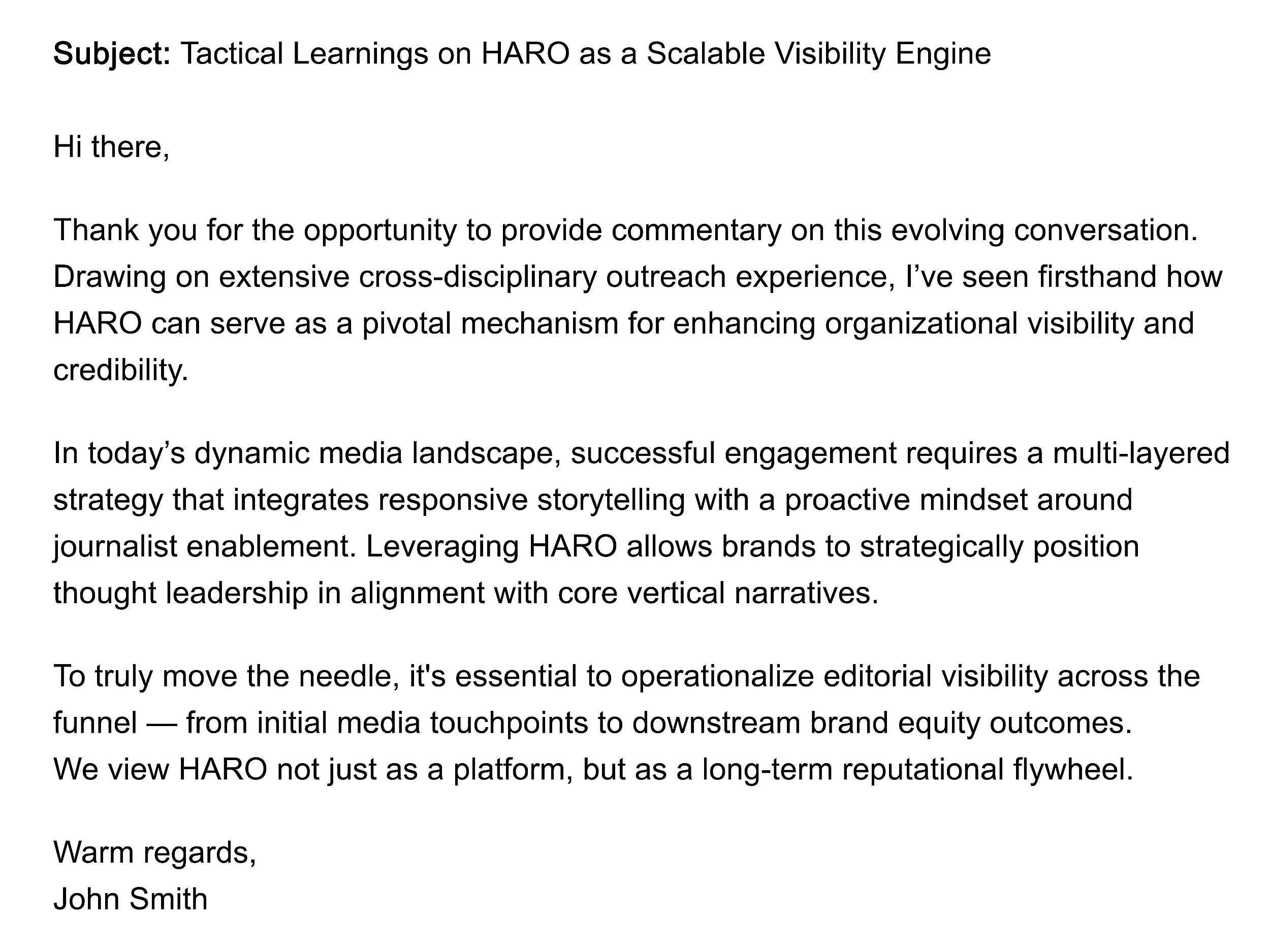
Credit: backlinko.com
Measuring Outreach Success
Measuring outreach success is key for improving journalist outreach efforts. It shows what works and what does not. Tracking results helps create better connections with journalists. It also increases the chance of media coverage for your stories.
Monitoring Media Coverage
Check where your stories appear in the news. Track articles, blog posts, and mentions about your brand. Note the reach and type of media outlets. This helps understand which journalists and platforms respond best. Use tools to find online and print coverage quickly.
Analyzing Engagement Metrics
Look at how journalists react to your pitches. Track email opens, replies, and click rates. Measure social media shares and comments on your content. These numbers show interest and help identify strong contacts. Use simple dashboards to keep these stats organized.
Adjusting Strategies Based On Feedback
Listen to journalist responses and feedback carefully. Change your pitch style or content based on their needs. Experiment with timing and frequency of outreach emails. Keep testing new ideas to improve your success rate. Small changes can lead to better relationships and results.
Frequently Asked Questions
What Is Journalist Outreach In Pr?
Journalist outreach is the process of connecting with journalists to share news and stories. It helps brands gain media coverage. Effective outreach builds relationships and increases the chance of getting featured in relevant publications. It is key for successful public relations.
How To Find Journalists For Outreach?
Use media databases, social media, and industry publications to find relevant journalists. Target those who cover your niche or topic. Personalize your approach based on their recent work. This increases the likelihood of a positive response and media coverage.
Why Is Personalized Outreach Important For Journalists?
Personalized outreach shows respect for a journalist’s work and interests. It improves response rates by making your pitch relevant and engaging. Generic emails often get ignored. Tailoring your message builds trust and long-term media relationships.
What Should A Journalist Outreach Email Include?
A clear subject line, a concise pitch, and relevant news or story ideas. Include your contact details and a call to action. Keep it short and focused on what matters to the journalist. Avoid jargon and be professional.
Conclusion
Building good relationships with journalists takes time and care. Share clear, honest, and interesting stories. Listen to their needs and respect their deadlines. Keep your messages short and to the point. Stay patient and follow up politely. Strong connections can help your brand gain trust and visibility.
Practice these simple steps to improve your outreach. Success grows from consistent and genuine efforts. Keep trying, and results will come.