Are you curious about how the SaaS industry is shaping your business world? Understanding SaaS statistics can give you a clear edge.
These numbers reveal trends, growth patterns, and user behaviors that impact your decisions every day. Whether you’re a startup founder, a marketer, or just someone wanting to stay ahead, knowing the facts behind SaaS can help you make smarter choices.
Keep reading to discover eye-opening insights that could change the way you approach software and technology for good.
Saas Market Growth
The SaaS market is growing fast. More businesses use cloud software to manage work. This growth shows how important SaaS has become for daily operations.
Many industries depend on SaaS for easy access to tools and data. The market keeps expanding as new services appear. Understanding this growth helps companies plan better.
Global Revenue Projections
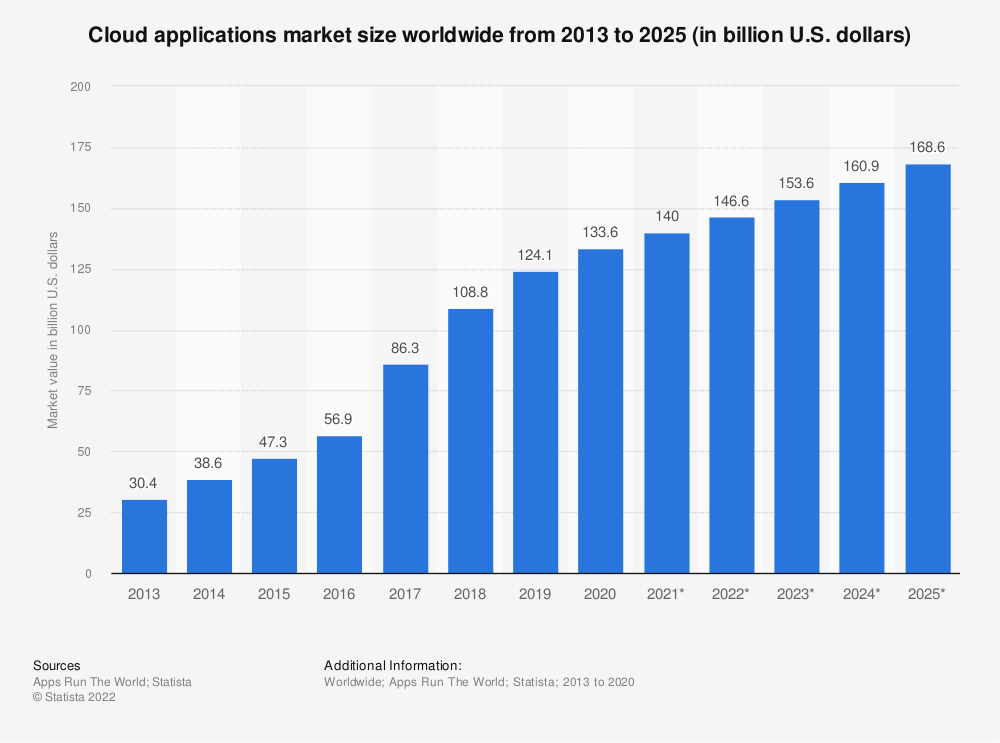
Global SaaS revenue is rising every year. Experts expect it to reach over $200 billion by 2025. This shows strong demand worldwide for cloud software.
North America leads in revenue, followed by Europe and Asia. Small and large firms both spend more on SaaS. The trend points to steady growth in the next years.
Key Drivers Behind Expansion
Remote work boosts SaaS adoption. Companies need software accessible from anywhere. SaaS fits this need well with cloud-based access.
Lower costs attract businesses to SaaS solutions. No need for costly hardware or maintenance. Updates happen automatically, saving time and money.
Improved internet speeds make SaaS smoother to use. Security advances also build trust in cloud services. These factors push more companies to choose SaaS platforms.
User Adoption Rates
User adoption rates show how many people start using a SaaS product after its launch. These rates reflect the success and usefulness of the software. High adoption means users find value and ease in the product.
Tracking adoption helps companies improve their tools and support. It also reveals trends across different business sizes and industries. Let’s explore how adoption differs in enterprises and small businesses, and which SaaS apps lead the market.
Enterprise Vs Small Business Trends
Enterprises adopt SaaS more slowly than small businesses. They need time to test and secure software for many users. Complex needs and strict policies can slow adoption.
Small businesses move faster with SaaS. They choose tools quickly to save costs and boost productivity. Adoption rates here tend to be higher in the first months.
Enterprises often prefer SaaS apps with strong security and integration options. Small businesses look for easy setup and low prices. These differences shape adoption trends for each group.
Popular Saas Applications
Cloud storage and project management tools lead in user adoption. Apps like Google Drive and Trello are widely used across industries. They offer simple solutions for daily tasks.
Communication platforms also see high adoption. Slack and Microsoft Teams connect teams and improve workflow. Their user-friendly designs help quick onboarding.
CRM software ranks high among sales and marketing teams. Salesforce and HubSpot attract users by organizing customer data. These tools boost customer management and sales efforts.
Emerging Technologies
Emerging technologies shape the future of SaaS platforms. They help businesses grow and serve customers better. New tools improve speed, security, and user experience. SaaS companies adopt these technologies to stay competitive.
Ai Integration In Saas
Artificial intelligence is changing SaaS software fast. AI helps automate tasks and improve decision-making. Many SaaS apps use AI for customer support and data analysis. This reduces errors and saves time. AI also personalizes user experiences. It learns from user behavior to offer better suggestions.
Impact Of Cloud Computing Advances
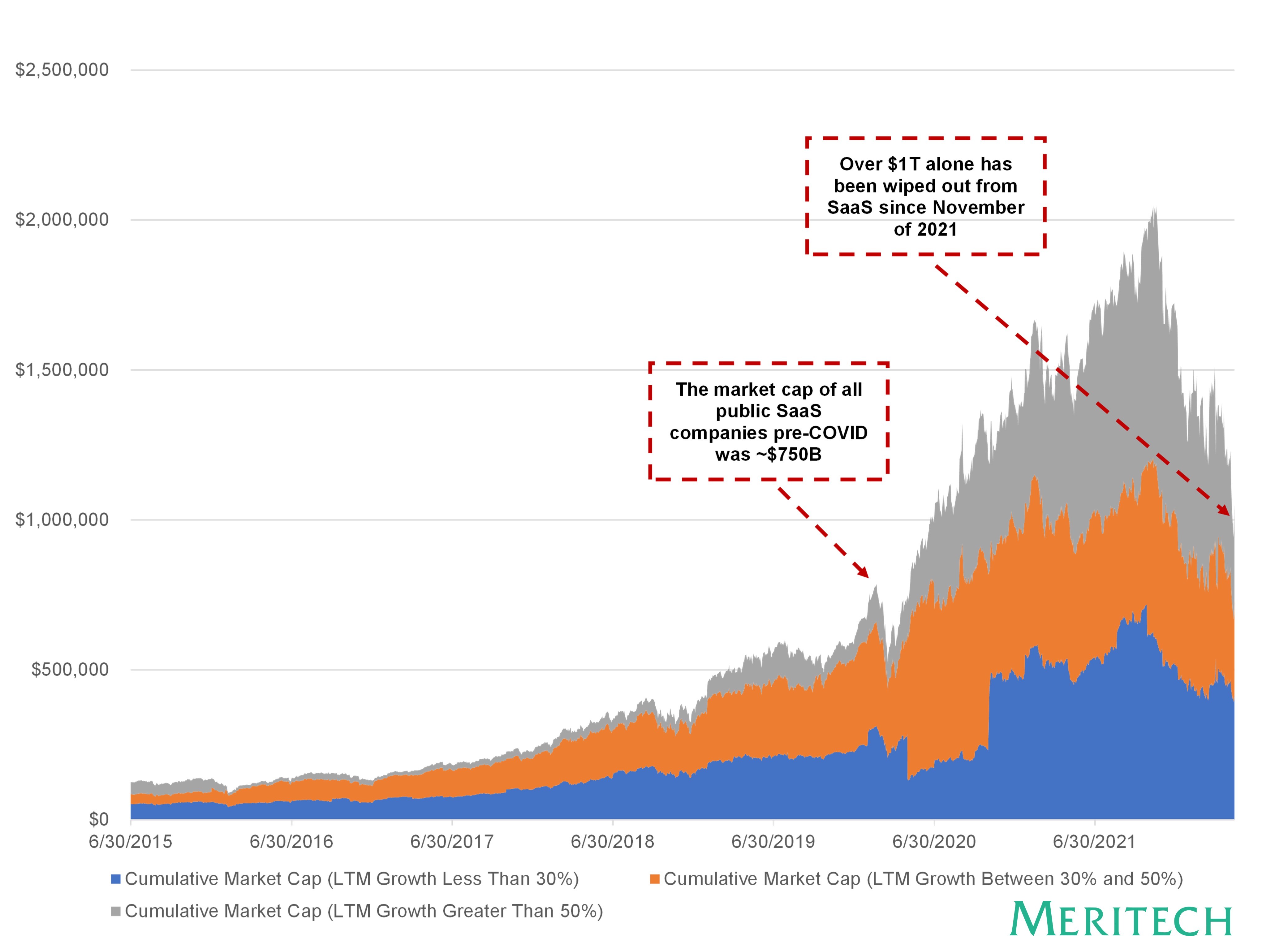
Cloud computing makes SaaS more flexible and reliable. New cloud tools allow faster data processing and storage. SaaS providers now offer better uptime and security. Cloud advances lower costs by using shared resources. Businesses can scale their SaaS use up or down easily. This helps meet changing needs without extra hardware.
Credit: www.meritechcapital.com
Customer Retention Insights
Customer retention is a key focus for SaaS companies. Keeping existing customers saves money and builds steady revenue. Understanding retention helps improve product and service quality. It also guides marketing and support efforts. Strong retention means happy customers and stable growth.
Let’s explore important data and tactics related to customer retention in SaaS.
Churn Rate Statistics
Churn rate measures how many customers leave over time. The average monthly churn rate for SaaS is about 5-7%. High churn means lost revenue and wasted effort. Lower churn rates indicate better customer satisfaction. Enterprise SaaS usually has lower churn than small business plans. Tracking churn helps spot problems early. Reducing churn by even a small amount boosts profits significantly.
Strategies Boosting Loyalty
Clear onboarding improves customer understanding and lowers churn. Regular updates keep users engaged and show ongoing value. Personalized support helps solve issues quickly. Reward programs encourage long-term use and referrals. Listening to feedback builds trust and improves the product. Simple, helpful communication keeps customers informed and happy. These actions create loyal users who stay longer and spend more.
Revenue Models Shifts
SaaS companies have changed how they earn money over the years. Revenue models are shifting to meet customer needs and market trends. These changes affect pricing, user engagement, and growth strategies. Understanding these shifts helps businesses plan better and stay competitive.
Subscription Trends
Subscription models remain the most popular way SaaS companies make money. Customers prefer paying monthly or yearly fees for continuous service. This model creates steady income and builds long-term relationships. Many companies now offer flexible plans with different features and prices. This approach fits different budgets and needs, attracting more users.
Freemium Vs Premium Usage
The freemium model gives users free access to basic features. It helps attract many users quickly. Some users upgrade to premium for advanced tools and benefits. This mix balances user growth with revenue generation. Companies track how many free users convert to paying customers. Improving this rate is key for sustainable growth.
Regional Saas Trends
Regional SaaS trends show how software services grow in different parts of the world. These trends help us see where demand is highest and where new opportunities arise. Understanding these patterns guides businesses and investors.
Each region has unique factors that affect SaaS growth. These include technology adoption, internet access, and business needs. Let’s explore key trends in North America and emerging markets.
Growth In North America
North America leads the global SaaS market in size and innovation. Many companies use SaaS for flexibility and cost savings. Cloud infrastructure is strong, supporting fast SaaS adoption.
Businesses prefer SaaS for remote work and data security. The U.S. and Canada invest heavily in SaaS startups. This drives continuous growth and new product development.
Emerging Markets To Watch
Emerging markets show rapid SaaS growth despite lower current adoption. Countries in Asia, Latin America, and Africa are key players. They benefit from improving internet access and mobile use.
Small and medium businesses in these regions use SaaS to compete globally. Local SaaS providers also grow by tailoring solutions to these markets. This trend promises strong growth in the coming years.
Security And Compliance
Security and compliance are top priorities for SaaS companies. Protecting user data builds trust and ensures smooth business operations. Compliance with laws keeps companies safe from fines and legal issues.
Strong security measures reduce the risk of data breaches. SaaS providers invest heavily in encryption and access controls. Regular audits help maintain high security standards. Customers want assurance their information is safe.
Data Protection Statistics
About 60% of SaaS companies say data protection is their biggest challenge. Encryption use has grown by 45% in SaaS applications over the last two years. Around 70% of SaaS providers conduct frequent security training. These steps lower the chance of data leaks and hacks.
Data breach costs average $4 million for SaaS firms. Quick detection and response reduce damage by 30%. Companies with strong data protection see higher customer retention rates.
Regulatory Challenges
SaaS companies face many rules like GDPR and HIPAA. Nearly 50% find compliance difficult due to complex regulations. Non-compliance fines can reach millions of dollars. This pushes firms to improve their compliance processes.
Regular compliance checks are vital. SaaS providers often hire experts to handle audits. Keeping up with changing laws requires constant effort. Staying compliant protects both the company and its users.
Credit: synder.com
Future Predictions
The SaaS industry is set to change fast in the coming years. New trends will shape how companies use software online. These changes will affect businesses of all sizes and types. Understanding future predictions helps prepare for what lies ahead.
Technology advances and customer needs drive these shifts. Experts watch market data to forecast key movements. The next few years promise exciting shifts in SaaS solutions.
Upcoming Market Disruptions
Cloud computing will become more affordable and common. This lowers costs for small and medium businesses. More companies will shift from traditional software to SaaS.
Artificial intelligence (AI) will automate many routine tasks. This saves time and reduces errors. AI-powered tools will help with customer support and data analysis.
Security concerns will push companies to adopt stronger protections. SaaS providers will invest heavily in cybersecurity features. This builds trust and protects sensitive data.
Innovations Shaping 2025
Integration of SaaS with Internet of Things (IoT) devices will grow. Smart devices will connect seamlessly with cloud software. This creates more efficient workflows and new service options.
Low-code and no-code platforms will expand. These let users build apps without deep programming knowledge. Businesses can customize software faster and cheaper.
Personalized SaaS experiences will increase. Software will adapt to user preferences and behavior. This improves satisfaction and productivity.
Credit: explodingtopics.com
Frequently Asked Questions
What Are The Key Saas Market Growth Statistics?
The SaaS market is growing rapidly, expected to reach $307 billion by 2026. Annual growth rates average 18-20%. Cloud adoption and digital transformation drive this surge globally.
How Much Do Businesses Spend On Saas Annually?
Businesses spend over $150 billion annually on SaaS solutions. Spending is increasing due to remote work and scalability needs. SaaS offers cost-effective software access without heavy upfront costs.
What Is The Average Saas Customer Retention Rate?
Average SaaS customer retention rates range between 85% and 95%. High retention is crucial for recurring revenue. Successful SaaS companies focus on customer success and continuous product updates.
Which Industries Use Saas The Most?
Technology, healthcare, finance, and retail industries lead in SaaS adoption. These sectors benefit from flexible, scalable software solutions. SaaS helps improve operational efficiency and customer engagement.
Conclusion
SaaS continues to grow fast and change how businesses work. More companies choose SaaS for its easy use and low costs. The data shows clear trends in user habits and market size. Knowing these stats helps businesses plan and stay ahead.
The SaaS market will keep evolving with new tools and users. Staying informed means making smarter decisions for your business. Keep watching these numbers for future chances and challenges. SaaS is not just a trend; it is part of the future.