If you want to turn visitors into customers, your landing page plays a crucial role. It’s not just a webpage—it’s the gateway that can either grab attention or lose it in seconds.
Imagine having a tool that speaks directly to your audience’s needs and guides them smoothly to take action. That’s exactly what a well-crafted landing page does for you. You’ll discover how to create landing pages that capture interest, build trust, and boost your results.
Keep reading, and you’ll learn simple yet powerful ways to make your landing page work harder for you.

Credit: landingi.com
Key Elements Of High-converting Landing Pages
High-converting landing pages have certain key parts. These parts work together to grab attention and guide visitors to take action. Understanding these elements helps create pages that turn visitors into customers.
Each element plays a specific role. The headline draws readers in. The call-to-action tells them what to do next. Trust signals build confidence. These parts make landing pages effective and clear.
Compelling Headlines
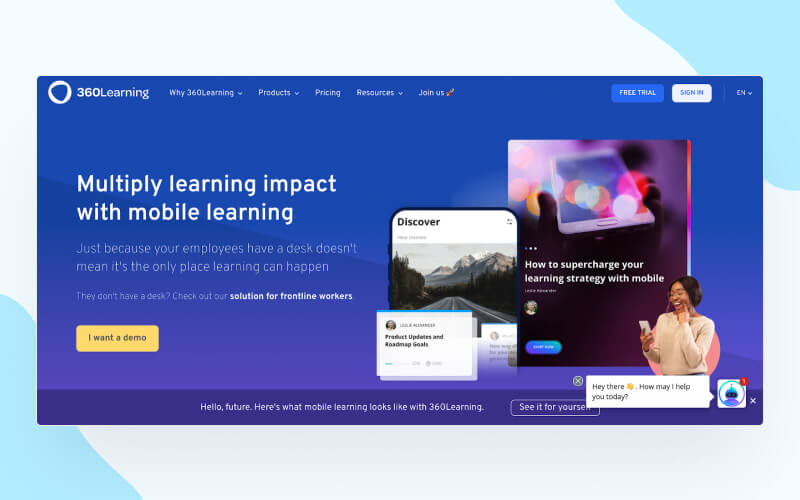
Headlines catch the visitor’s eye. They must be clear and direct. A strong headline explains the main benefit quickly. It should speak to the visitor’s need or problem. Short and simple headlines work best. They keep visitors interested and encourage reading on.
Clear Call-to-actions
Calls-to-action (CTAs) guide visitors on what to do. They must stand out visually and use simple words. Phrases like “Get Started” or “Sign Up” work well. CTAs should create urgency or excitement. Place CTAs where visitors can easily see them. Clear CTAs increase the chance of clicks and conversions.
Trust Signals And Social Proof
Trust signals help visitors feel safe. These include customer reviews, testimonials, or security badges. Social proof shows others have used and liked the offer. It reduces doubts and builds confidence. Display trust signals near CTAs to encourage action. Trust makes visitors more likely to convert.
Credit: www.appsflyer.com
Optimizing Layout And Visuals
Optimizing the layout and visuals of a landing page helps visitors focus on what matters most. A clean design guides users to the call to action clearly. Visuals support the message and make the page inviting. Thoughtful layout and strong images keep visitors interested and boost conversions.
Minimalist Design Principles
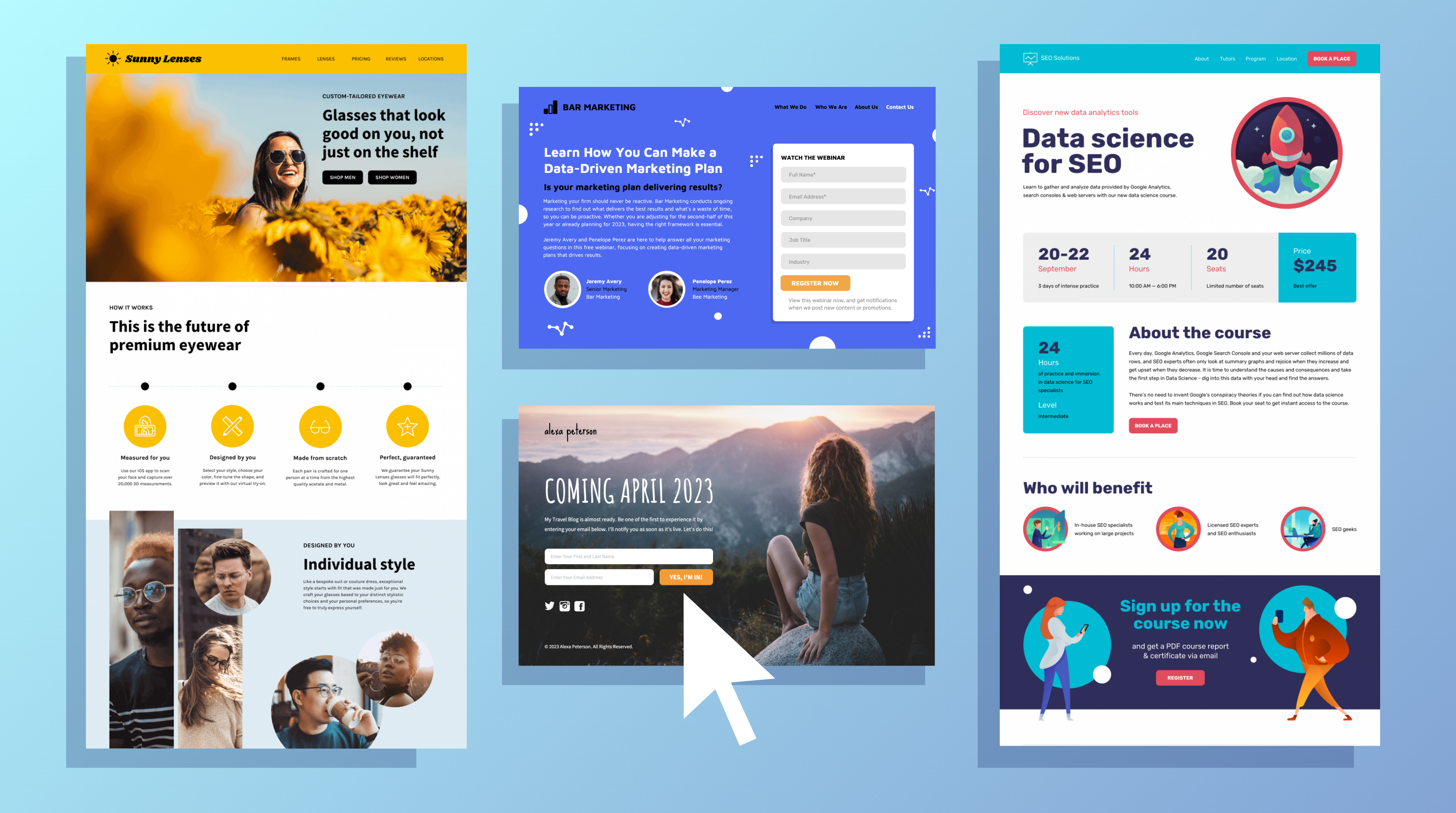
Minimalist design means using only what is necessary. It reduces clutter and distractions. White space around elements makes the page easier to scan. Clear fonts and simple shapes improve readability. A minimalist layout helps visitors find key information fast.
Effective Use Of Colors
Colors catch attention and set the mood of the page. Use a small palette with 2 or 3 colors. Contrast between text and background improves readability. Bright colors highlight buttons or important parts. Soft colors create a calm and welcoming feel.
Eye-catching Images And Videos
Images and videos tell a story without many words. Use high-quality visuals that relate to your offer. People connect more with faces and real situations. Short videos explain products quickly and clearly. Make sure visuals load fast for a smooth user experience.
Enhancing User Experience
Enhancing user experience on a landing page keeps visitors interested and helps achieve goals. A smooth and clear design makes users stay longer and take action. Focus on speed, ease of use, and clarity for the best results.
Small changes can make a big difference. A well-built landing page feels natural and simple to use. Visitors find what they want quickly without any frustration.
Fast Loading Times
Pages that load quickly keep users happy. Slow loading makes visitors leave before seeing your content. Compress images and reduce unnecessary code to speed up the page. Fast sites rank better in search results too.
Mobile-friendly Design
Many users browse on phones or tablets. A mobile-friendly design fits all screen sizes perfectly. Buttons and text must be easy to read and tap. Responsive design adjusts layout to suit the device automatically.
Easy Navigation And Scannability
Clear navigation helps users find information fast. Use simple menus and visible buttons. Break text into small parts with headings and bullet points. Scannable content lets users understand your message in seconds.
Credit: venngage.com
Crafting Persuasive Content
Crafting persuasive content is key to a successful landing page. It helps visitors understand the value of your offer. Well-written content guides users to take action. Focus on clear benefits and simple language. Speak directly to your audience’s needs.
Benefit-driven Copywriting
Write with your audience’s benefits in mind. Explain how your product or service improves their life. Highlight results and positive changes. Avoid technical jargon or long descriptions. Show what users gain, not just features.
Addressing Customer Pain Points
Identify common problems your audience faces. Mention these pain points clearly and early. Offer your solution as the answer to their struggles. This builds trust and connection. Readers feel understood and more open to your message.
Using Clear And Concise Language
Use short sentences and simple words. Avoid complex phrases or unnecessary details. Clear language keeps readers focused and engaged. It reduces confusion and helps users act faster. Keep content direct and to the point.
Testing And Measuring Success
Testing and measuring success are key for a strong landing page. They help find what works best for visitors. Without testing, you may miss chances to improve. Measuring results shows if your page meets goals. It guides smart changes that boost performance.
A/b Testing Strategies
A/B testing compares two versions of a page. It shows which one visitors like more. Change one element at a time, like a headline or button color. Send half the traffic to version A and half to B. Check which version gets more clicks or sign-ups. Use clear data to pick the best design.
Analyzing User Behavior
User behavior tools track how visitors use the page. Heatmaps show where people click or scroll. Session recordings reveal how users move through the site. Look for parts where users stop or leave. These signals highlight problems or confusion. Understand what visitors want by watching their actions.
Adjusting Based On Data Insights
Use data to make informed changes to the page. Fix elements that cause users to leave early. Improve headlines, images, or calls to action based on tests. Keep changes small and test again to see effects. Data helps avoid guesses and focuses on real results. Repeat this process to raise conversions steadily.
Frequently Asked Questions
What Is A Landing Page And Why Is It Important?
A landing page is a standalone web page designed for a specific marketing goal. It captures leads or drives conversions. It focuses visitor attention on a single call to action. This improves campaign effectiveness and boosts sales or sign-ups.
How Do I Create An Effective Landing Page?
Create a clear, concise headline and compelling content. Use a strong call to action button. Include trust signals like testimonials. Optimize for fast loading and mobile devices. Use simple forms to capture visitor information.
What Elements Should A Landing Page Include?
A landing page should have a headline, engaging content, and a clear call to action. Add relevant images or videos and minimal navigation. Include trust badges, social proof, and an easy-to-fill form for better conversions.
How Can I Optimize Landing Pages For Seo?
Use relevant keywords naturally in titles and content. Optimize meta descriptions and URLs. Ensure fast page load speed and mobile-friendliness. Use clear, descriptive alt text for images. Focus on user experience and quality content.
Conclusion
A good landing page grabs attention fast. It guides visitors to take action clearly. Keep the design simple and the message clear. Test different versions to see what works best. Focus on what your visitors need and want. A well-built landing page helps grow your business.
It turns visitors into customers step by step. Small changes can make a big difference. Start with a strong headline and clear call to action. Keep improving and watch your results improve too.