If you want your website to stand out and attract more visitors, you need a smart strategy called link building. It’s one of the most powerful ways to boost your site’s ranking on search engines like Google.
But what exactly is link building, and how can it help you grow your online presence? You’ll discover simple yet effective techniques that anyone can use to build strong links. Keep reading, and you’ll learn how to turn link building into a tool that drives real results for your website.

Credit: www.searchenginejournal.com
Importance Of Link Building
Link building is a key part of SEO and online success. It helps search engines find and trust your website. Strong links can boost your site’s ranking. This means more visitors and higher visibility.
Good link building builds your site’s reputation. Search engines see links as votes. The more quality votes, the better your site looks. It also drives real people to your pages. This can lead to more sales or followers.
What Makes Link Building Important
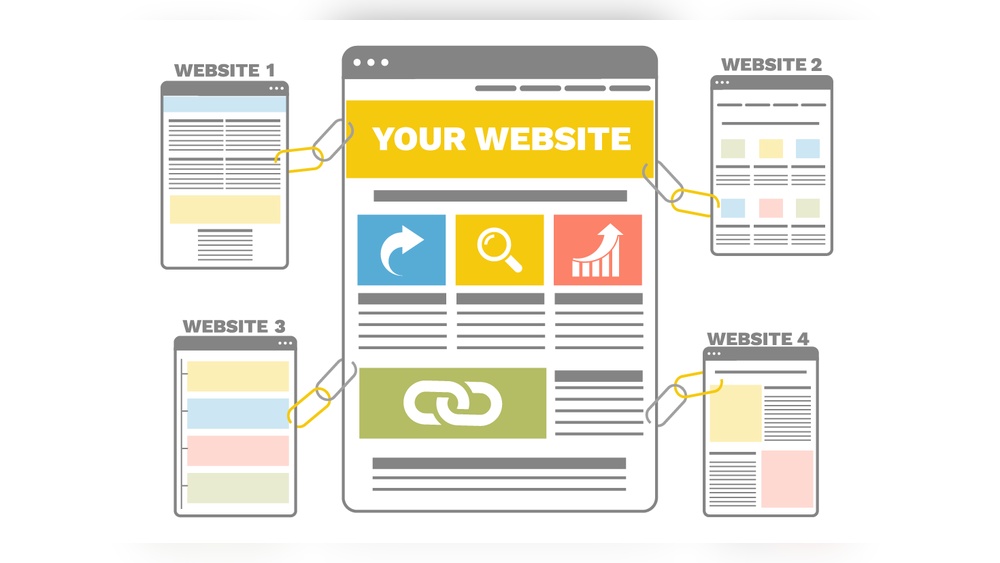
Links connect your site to others. They show that your content is useful. Search engines use links to find new pages. Without links, your site stays hidden.
How Link Building Improves Search Ranking
Search engines rank sites by link quality. Strong links from trusted sites boost rankings. This helps your site appear on top. Higher ranks mean more clicks and traffic.
Link Building Builds Website Authority
Links from popular sites increase your authority. This makes your site a trusted source. Authority leads to better search results. It also attracts more natural links.
Link Building Drives Referral Traffic
Links bring visitors from other websites. These visitors are often interested in your content. Referral traffic can increase leads and sales. It also helps grow your audience.
Credit: www.elegantthemes.com
Types Of Links That Matter
Links play a big role in SEO. Not all links have the same value. Some links help your site more than others. Understanding different types of links helps you build a better link strategy. Here are the main types of links that matter for your website.
Dofollow Vs Nofollow Links
DoFollow links pass SEO value from one site to another. They help improve your site’s search ranking. Search engines count these links as votes of trust. NoFollow links do not pass SEO value. They tell search engines not to follow the link. These links can still bring visitors to your site. Both types are important for a natural link profile.
Internal Vs External Links
Internal links connect pages within your own website. They help users find related content easily. They also spread SEO value across your site. External links come from other websites to yours. These links show your site’s popularity and trust. Good external links boost your SEO much more than internal links.
High-authority Links
High-authority links come from trusted, popular websites. They carry more SEO weight and boost your rankings. Getting links from these sites is harder but very valuable. Search engines see these links as strong endorsements. Focus on building links from sites with high authority in your niche.
Effective Link Building Strategies
Effective link building strategies help improve your website’s authority and ranking. These strategies focus on creating quality backlinks from trustworthy sites. Quality backlinks send positive signals to search engines. They show that your content is valuable and reliable.
Using different methods makes your link building efforts stronger. Each strategy targets a specific type of link or audience. This increases your chances of gaining links that matter. Below are some proven techniques to build links effectively.
Guest Posting Techniques
Guest posting means writing articles for other websites. You add a link back to your site in the content or author bio. Choose websites related to your niche and with good traffic. Write helpful and original content that fits their audience. This builds trust and attracts readers to your site.
Broken Link Building
Broken link building finds dead links on other websites. Then, you suggest your content as a replacement. Use tools to find broken links in your niche. Contact website owners with a polite message and your link. This helps them fix their site and gives you a backlink.
Skyscraper Method
The skyscraper method improves existing popular content. Find articles with many backlinks in your area. Create better, longer, and updated versions of that content. Reach out to sites linking to the original and share your improved version. Many will link to your content instead.
Resource Page Link Building
Resource page link building targets pages that list useful links. Find resource pages related to your topic. Contact the owner and suggest adding your website as a useful resource. These pages often have high authority and provide quality backlinks.
Leveraging Content For Links
Content plays a key role in building links. Good content attracts other websites to link back to you. This helps improve your site’s authority and ranking in search engines. Focus on creating content that others find useful and want to share.
Creating Link-worthy Content
Write content that solves problems or answers common questions. Use clear language and facts. Unique information draws attention. Guides, tutorials, and detailed articles often get more links. Keep your content easy to read and helpful.
Using Infographics And Visuals
Visual content grabs attention quickly. Infographics make complex data simple and clear. People like to share and link to visuals. Use charts, images, and diagrams to explain ideas. Make sure your visuals are original and well-designed.
Building Linkable Assets
Create resources others want to use and reference. Examples include tools, templates, and lists. These assets attract natural links over time. Promote them through social media and email outreach. Valuable assets boost your site’s credibility and link profile.
Outreach Tactics That Work
Outreach is key to successful link building. It helps you get quality backlinks and grow your site’s authority. Good outreach tactics focus on making real connections. They avoid spammy or generic messages. The goal is to create trust and value for both sides. Here are some outreach methods that work well.
Personalized Email Outreach
Sending personalized emails gets better results. Start by researching the person or site. Mention something specific about their content or work. This shows you care and did your homework. Keep the message short and clear. Explain why your content fits their audience. Avoid copy-paste emails. Personal touches increase the chance of a reply.
Building Relationships With Influencers
Influencers have strong online presence and loyal followers. Connect with them by engaging on social media or blogs. Share their content and leave thoughtful comments. Offer help or useful information without asking for links first. Building trust takes time but pays off. Once a relationship forms, they may share your content naturally.
Follow-up Strategies
Many people miss the power of follow-up emails. A polite follow-up reminds them about your request. Wait a few days before sending a message. Keep it friendly and brief. Show appreciation for their time. Sometimes, a second email gets responses that the first one missed. Don’t be pushy or send too many messages.
Avoiding Link Building Pitfalls
Link building helps improve your website’s search ranking. But poor link building can cause serious problems. Avoiding common mistakes protects your site’s reputation and ranking. Focus on safe, effective strategies to build strong links.
Recognizing Toxic Links
Toxic links come from low-quality or spammy websites. They harm your site’s authority and trust. Watch for links from irrelevant sites or link farms. Avoid links with too many exact-match keywords. Regularly check your backlink profile using SEO tools. Remove or disavow links that look suspicious or harmful.
Penalties And How To Recover
Search engines penalize sites with bad links. Your traffic and rankings can drop sharply. Penalties may be manual or algorithmic. Identify the cause by reviewing Google Search Console messages. Create a cleanup plan to fix the problem. Remove toxic links or ask webmasters to take them down. Use Google’s disavow tool if needed. Be patient; recovery can take weeks or months.
Ethical Link Building Practices
Build links naturally and with honesty. Focus on creating great content that others want to share. Reach out to relevant websites for guest posts or collaborations. Use social media to promote your content and attract links. Avoid buying links or using link schemes. Ethical links last longer and improve your site’s reputation. Trust grows with genuine relationships and quality backlinks.
Measuring Link Building Success
Measuring link building success shows how well your efforts work. It helps find what links bring visitors and improve site rank. Tracking results guides future strategies and saves time. Focus on key metrics to see real progress.
Tracking Backlinks
Count the number of backlinks from other websites. Check the quality of each link. Links from popular sites boost your site more. Watch for new links and lost links. Keep a list of your best backlinks for review.
Analyzing Traffic And Rankings
Look at website traffic from linked pages. More visitors from backlinks means success. See if your site ranks higher in search results. Track changes in rankings for target keywords. Compare traffic and rank changes over time.
Using Seo Tools
Use SEO tools to gather backlink data easily. Tools like Ahrefs, SEMrush, or Moz show link profiles. They provide detailed reports on link quality and sources. SEO tools help spot bad or spammy links fast. Use their insights to improve link building efforts.
Credit: www.interodigital.com
Frequently Asked Questions
What Is Link Building In Seo?
Link building is the process of acquiring hyperlinks from other websites. It improves site authority and search engine rankings. Quality links drive organic traffic and boost online visibility. Effective link building focuses on relevance and trustworthiness.
Why Is Link Building Important For Websites?
Link building increases website credibility and search engine trust. It helps improve keyword rankings and attracts referral traffic. Without links, search engines struggle to discover and index pages. Strong link profiles lead to higher domain authority.
How Can I Build High-quality Backlinks?
Create valuable content that others want to link to naturally. Reach out to relevant websites for guest posts or collaborations. Use tools to find broken links and suggest your content as a replacement. Focus on authoritative and niche-specific sites.
What Are The Best Link Building Strategies?
Effective strategies include guest blogging, influencer outreach, and content marketing. Leveraging social media and participating in industry forums also help. Avoid black-hat techniques like buying links to prevent penalties. Consistency and quality matter most.
Conclusion
Link building helps improve your website’s visibility on search engines. Strong links bring more visitors and build trust. Focus on quality, not just quantity, for best results. Create content that others want to share and link to. Keep your link building natural and steady over time.
Patience and effort lead to lasting benefits. Start small, stay consistent, and watch your site grow. Good links make your site easier to find and more popular.