Are you struggling to grab your audience’s attention with your videos? The secret lies in a well-crafted video script.
Your script is the foundation that guides every scene, every word, and every emotion. Without it, your message can get lost or feel confusing. Imagine having a clear, powerful script that keeps viewers hooked from start to finish. You’ll discover simple tips to create a video script that speaks directly to your audience and makes your message unforgettable.
Ready to transform your videos? Let’s dive in.
Hook Your Audience
Hooking your audience is the first step to a great video script. It grabs attention quickly. Without a strong hook, viewers may lose interest fast. The goal is to make them want to watch more. Use simple but powerful techniques to catch their eye.
Start With A Strong Opening
Begin your script with a clear, bold statement. It should surprise or interest the viewer right away. A strong opening sets the tone and builds curiosity. Avoid long introductions that feel slow or boring. Keep it short and direct.
Use Emotional Triggers
Emotions connect people to your message. Use words that make viewers feel happy, sad, or excited. Stories or examples work well to stir emotions. Feeling something helps the viewer stay focused. Think about what your audience cares about most.
Pose A Compelling Question
Ask a question that makes viewers think. It should relate to their problems or interests. A good question creates curiosity and invites answers. This keeps viewers engaged and eager to see your message. Make it clear and easy to understand.

Credit: www.techsmith.com
Build A Clear Message
Building a clear message is key to making your video script work well. Clear messages help viewers understand your point fast. They keep people interested and make your video easier to follow.
Focus on one main idea in your message. This keeps your script simple and strong. Avoid mixing many ideas that can confuse the audience.
Focus On One Main Idea
Choose a single idea to share in your video. Stick to that idea throughout your script. This helps keep your message focused and easy to remember. Viewers will find it easier to follow and stay engaged.
Keep Language Simple
Use short and easy words in your script. Avoid difficult or technical terms. Simple language makes your message clear to more people. It also helps viewers understand your video faster.
Highlight Benefits Over Features
Talk about how your idea helps the viewer. Explain what good things they get. Focus on benefits, not just features. Benefits show real value and connect with your audience better.
Create Engaging Characters
Creating engaging characters is key to a great video script. Characters hold the audience’s attention. They make stories memorable and meaningful. Well-crafted characters bring your message to life. They help viewers connect with your content on a personal level.
Characters should feel real and relatable. They must reflect the audience’s feelings and struggles. This connection keeps viewers interested and involved. Engaging characters also guide the story smoothly. They drive the plot and highlight key points.
Develop Relatable Personas
Start by giving your characters clear goals and feelings. Show their hopes, fears, and challenges. Use simple traits that your audience can recognize. Avoid making characters too perfect or too strange. Realistic personas make viewers feel understood.
Think about your audience’s daily life. Create characters that share similar experiences. This approach builds trust and interest. Viewers see themselves in these personas. It makes your message easier to accept.
Show Real-life Scenarios
Place your characters in situations your audience knows well. Everyday problems or common moments work best. Show how characters react and solve issues. This helps viewers relate and learn from the story.
Use familiar settings like home, work, or school. Keep the dialogue natural and simple. Real-life scenes make the story believable. They add emotion and depth to your video.
Use Storytelling Techniques
Tell your character’s story with a clear beginning, middle, and end. Introduce a problem, show the struggle, and offer a solution. This structure keeps viewers hooked.
Use emotions to make the story strong. Show joy, frustration, or hope through your characters. Visual details and actions help tell the story without many words.
Keep sentences short and scenes focused. This style makes the story easy to follow. Good storytelling makes your video more powerful and memorable.
Credit: www.uscreen.tv
Incorporate Persuasive Elements
Incorporating persuasive elements into your video script helps capture attention and drive action. These elements make your message clear and convincing. They guide viewers toward what you want them to do next.
Use tactics that build trust, create urgency, and push for a response. Each part works together to boost the script’s impact. Keep the language simple and direct for easy understanding.
Add Social Proof
Show real feedback from happy customers or users. Testimonials and reviews build trust quickly. People trust what others say more than ads. Display ratings, quotes, or success stories. This makes your message feel honest and credible.
Use Urgency And Scarcity
Create a sense of urgency to encourage quick decisions. Limited-time offers or low stock alerts work well. These tactics make viewers act fast. Avoid vague statements. Be clear about the deadline or limited quantity. Urgency pushes viewers to avoid missing out.
Include Strong Calls To Action
Tell viewers exactly what to do next. Use clear, simple commands like “Buy now,” “Sign up,” or “Learn more.” Place calls to action at key points in the video. Make them stand out with strong, active words. This guides viewers and increases response rates.
Optimize Script Structure
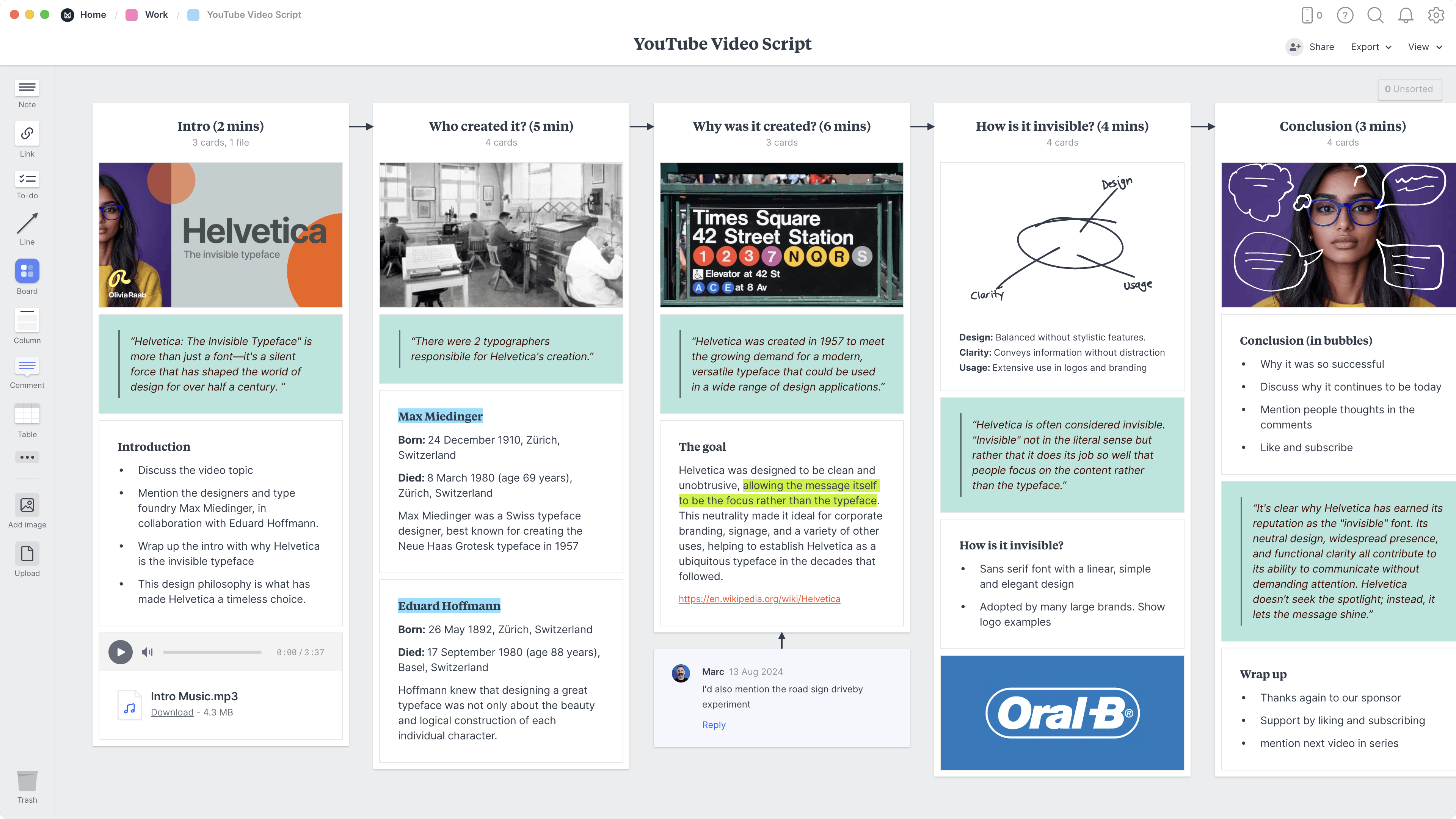
Optimizing the structure of your video script improves clarity and keeps viewers interested. A well-organized script helps deliver your message smoothly. It guides the audience through your story without confusion. Follow simple rules to build a strong script structure.
Maintain A Logical Flow
Start with a clear introduction. Explain what the video is about. Next, present your main points in order. Each idea should connect to the next. End with a summary or call to action. Avoid jumping between topics. A logical flow keeps viewers focused and engaged.
Balance Dialogue And Visuals
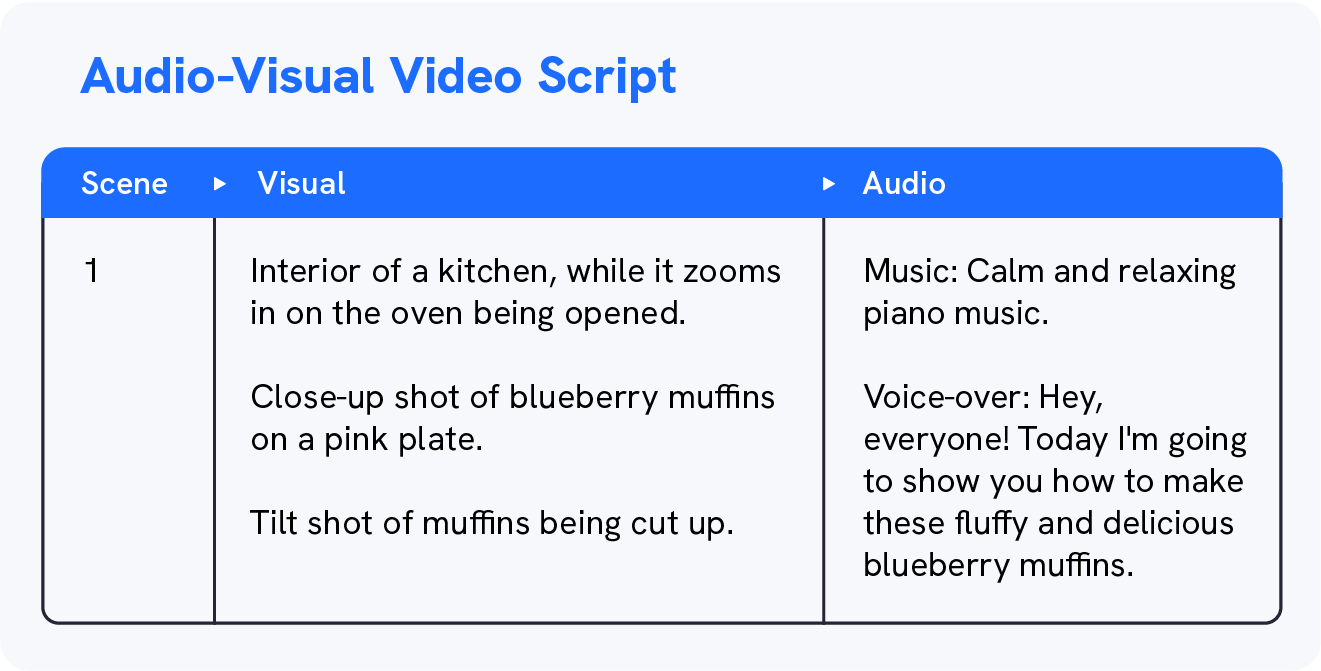
Use dialogue to explain key ideas clearly. Let visuals show what words cannot. Too much talking can bore viewers. Too many visuals without explanation cause confusion. Match your words with images or actions. This balance makes the video easy to follow.
Keep It Concise And Impactful
Use short sentences and simple words. Remove any extra details that do not add value. Every line should serve a purpose. Keep the script tight to hold attention. Clear and strong messages leave a lasting impression.
Use Visual And Audio Cues
Using visual and audio cues in a video script helps keep the audience engaged. These cues guide viewers through the story. They make the message clearer and easier to follow. Combining images and sounds creates a richer experience. It draws attention and supports the spoken words.
Suggest Complementary Visuals
Pick visuals that match the script’s message. Show key points with clear images or graphics. Use charts or icons to explain data simply. Avoid cluttered or unrelated pictures. Simple visuals help viewers understand faster. They keep the focus on the story.
Incorporate Sound Effects
Add sound effects to highlight actions or emotions. Use subtle sounds to signal changes or important moments. Sounds like clicks, bells, or swooshes catch attention. They make the video more lively and interesting. Choose effects that fit the mood and pace.
Plan For Voice Tone And Pace
Decide how the voice should sound for each part. Use a calm tone for serious ideas and an upbeat tone for excitement. Speak slowly for complex information and faster for simple points. Changing pace keeps listeners focused. The right voice tone makes the message stronger.
Test And Refine Scripts
Testing and refining video scripts is a key step in creating effective videos. It helps ensure the script connects with the audience and achieves its goal. This process involves collecting feedback, studying results, and making changes. Each step improves the script’s clarity and impact.
Gather Feedback
Ask peers or target viewers to read the script. Listen to their thoughts and feelings. Note any confusion or parts they like. Honest opinions reveal weak spots and strong points. Use this feedback to guide your edits.
Analyze Conversion Metrics
Track how viewers respond to the video based on the script. Look at views, clicks, shares, or sales numbers. These data show if the script motivates action. Low numbers may mean the message is unclear or unappealing.
Iterate For Improvement
Make changes based on feedback and metrics. Rewrite unclear sections and test again. Repeat this cycle to sharpen the message. Small edits can boost engagement and results. Keep refining until the script feels natural and effective.
Credit: milanote.com
Frequently Asked Questions
What Is A Video Script And Why Is It Important?
A video script is a written guide for video content. It outlines dialogue, scenes, and actions. A clear script ensures smooth production and effective communication. It helps keep the message focused and engages the audience better.
How Do You Write An Engaging Video Script?
Start with a strong hook to grab attention. Use simple, conversational language. Structure the script with a clear beginning, middle, and end. Include calls to action and keep sentences concise. Tailor content to your target audience for better engagement.
What Are Common Mistakes In Video Scripting?
Common mistakes include being too wordy, unclear messages, and ignoring the audience. Overloading with information can lose viewers’ interest. Avoid jargon and keep the script focused on the main goal. Testing the script helps catch errors early.
How Long Should A Video Script Be?
Video scripts vary by video length but generally match spoken words. A 1-minute video script is about 150 words. Keep it concise to maintain viewer attention. Avoid unnecessary details to keep the message clear and impactful.
Conclusion
Creating a good video script helps your message stay clear and strong. It guides your story from start to finish. A well-planned script saves time and makes filming easier. It also helps keep your audience interested. Practice writing scripts often to improve your skills.
Remember, simple words and short sentences work best. Try different ideas and see what fits your style. Good scripts make videos better and more fun to watch. Keep writing, and your videos will get better every time.