Imagine having the power to capture attention instantly, share your ideas clearly, and make your message unforgettable. That’s exactly what multimedia can do for you.
Whether you’re creating content, teaching, or promoting a brand, multimedia combines images, sound, video, and text to create an experience that speaks directly to your audience’s senses. If you want to connect better, stand out, and leave a lasting impression, understanding multimedia is your secret weapon.
Keep reading, and discover how you can use it to transform the way you communicate.
Credit: www.vecteezy.com
Benefits Of Multimedia
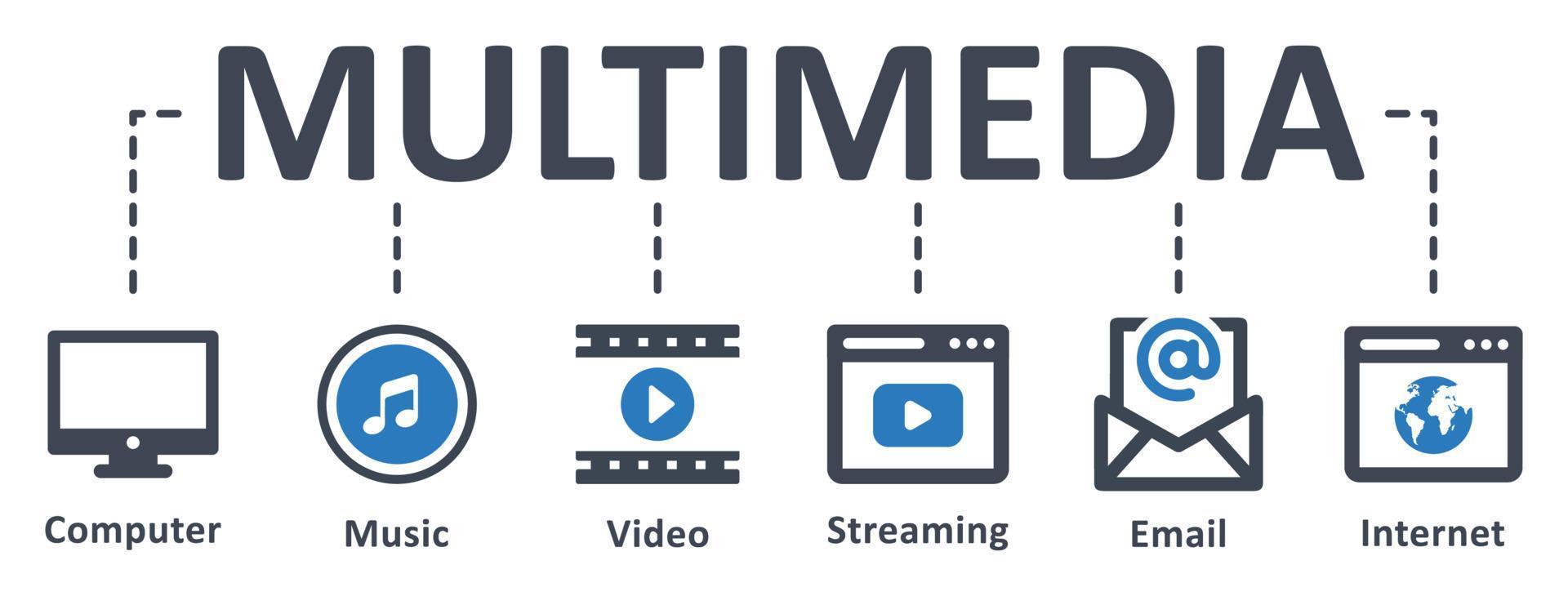
Multimedia combines text, images, audio, and video to create richer content. It offers many benefits for learning, marketing, and communication. Using multimedia makes messages clearer and more memorable. It keeps the audience interested and helps them understand better.
Enhancing Audience Engagement
Multimedia grabs attention quickly. Videos and images make content lively and fun. People stay longer on pages with multimedia. It encourages interaction and sharing. This keeps the audience connected and focused.
Boosting Content Retention
People remember information better with pictures and sounds. Multimedia uses different senses to help memory. It turns boring facts into interesting stories. This makes learning easier and faster. Content sticks in the mind much longer.
Improving Communication Clarity
Multimedia explains complex ideas simply. Diagrams and videos show steps clearly. It reduces misunderstandings and confusion. Visuals support words and make meaning clear. This helps everyone understand the message quickly.

Credit: business.tutsplus.com
Types Of Multimedia Elements
Multimedia uses many types of elements to share information and tell stories. These elements make content more interesting and easier to understand. Each type plays a unique role in engaging the audience.
Images And Graphics
Images and graphics are the most common multimedia elements. They include photos, drawings, charts, and icons. These visuals help explain ideas quickly and clearly. People often remember pictures better than words.
Videos And Animations
Videos show moving images and sound together. Animations create moving pictures from drawings or computer graphics. Both add life to stories and lessons. They keep viewers’ attention longer than still images.
Audio And Music
Audio includes sounds, speech, and music. It adds emotion and tone to content. Music can create moods, while voiceovers explain concepts. Good sound makes the experience richer and more real.
Interactive Features
Interactive features let users participate actively. Examples include quizzes, buttons, and games. These elements make learning fun and personal. Interaction helps users remember information better.
Tools For Creating Visual Content
Creating visual content requires the right tools. These tools help bring ideas to life. They make designs clear, videos sharp, and sounds crisp. Using good software saves time and improves quality. Different projects need different tools. Here are some popular options for various types of visual content.
Graphic Design Software
Graphic design software helps create images and layouts. You can make logos, posters, and social media posts. Many programs offer easy-to-use templates and tools. They allow you to work with colors, shapes, and text. Some software works well for beginners. Others provide advanced options for professionals.
Video Editing Platforms
Video editing platforms let you cut and arrange video clips. They add effects, transitions, and music tracks. These tools help create videos for marketing, tutorials, or entertainment. Many platforms support multiple video formats. They also offer simple interfaces for quick editing.
Audio Production Tools
Audio production tools focus on recording and editing sound. You can remove noise, add effects, and mix tracks. These tools are useful for podcasts, music, and voiceovers. They often include features to improve audio clarity. Some tools work well on both computers and mobile devices.
Interactive Media Creators
Interactive media creators build content that users can engage with. This includes quizzes, games, and animations. They help make learning and marketing more fun. These tools often have drag-and-drop features. They allow easy integration of multimedia elements.
Tips For Stunning Visuals
Creating stunning visuals is key to grabbing attention in multimedia. Good visuals help tell your story clearly and keep viewers interested. Simple changes can make your images and videos look more professional and appealing.
Follow these tips to improve your visuals and make your content stand out. Focus on color, consistency, device compatibility, and text balance for the best results.
Choosing The Right Color Palette
Colors set the mood and tone of your visuals. Pick a palette that fits your message and brand. Use three to five main colors to keep it simple. Soft colors work well for calm themes. Bright colors catch attention but use them carefully. Test colors to make sure they look good together.
Maintaining Visual Consistency
Keep your design style uniform across all visuals. Use the same fonts, colors, and shapes. Consistency builds trust and makes your content easier to understand. Avoid mixing too many styles. Save templates to repeat your design easily.
Optimizing For Different Devices
People view content on phones, tablets, and computers. Make sure your visuals look good on all screens. Use flexible layouts that adjust size. Compress images to load fast without losing quality. Test your visuals on several devices before publishing.
Balancing Text And Visuals
Good visuals need clear text to explain ideas. Use short sentences and simple words. Avoid clutter by leaving space around text. Use bullet points or headings to organize information. Let images support the text, not overpower it.
Incorporating Multimedia In Different Content Types
Using multimedia in different types of content makes information clearer and more interesting. Images, videos, and audio help explain ideas better. They keep readers engaged and make content easier to remember.
Each content type needs a different multimedia approach. The right media can boost understanding and attract more viewers.
Blogs And Articles
Photos and infographics break up long text in blogs. They help explain complex points fast. Videos can show how to do things step-by-step. This keeps readers on the page longer and improves their experience.
Social Media Posts
Short videos and GIFs catch attention quickly on social media. Bright images stand out in busy feeds. Audio clips add emotion and voice to posts. These elements increase shares and likes, growing your audience.
E-learning Modules
Interactive videos and quizzes help learners stay focused. Animations explain difficult topics simply. Audio narration supports different learning styles. Multimedia makes lessons more fun and easier to follow.
Marketing Campaigns
Videos create strong emotional connections with customers. High-quality images improve brand perception. Interactive content invites users to engage directly. Multimedia in marketing drives action and builds trust.
Measuring Multimedia Impact
Measuring multimedia impact helps understand how well content performs. It shows if the audience connects with videos, images, or audio. Tracking results guides better choices for future projects.
Accurate measurement reveals which parts attract attention and which parts do not. This knowledge helps create content that truly engages viewers.
Tracking Engagement Metrics
Engagement metrics include views, clicks, shares, and time spent on content. These numbers show how much people interact with multimedia. High engagement means the content holds interest well.
Tracking tools collect this data automatically. Regular checks help spot trends fast. Adjusting content to boost these metrics improves overall impact.
Analyzing Audience Feedback
Audience feedback comes from comments, surveys, and social media reactions. It gives insight into feelings and opinions about the content. Positive feedback means success; negative feedback points to issues.
Review feedback carefully to understand what works and what does not. Listening to the audience builds trust and loyalty over time.
Adjusting Strategies Based On Data
Data-driven changes improve multimedia effectiveness. Use metrics and feedback to refine topics, formats, and delivery times. Small changes can lead to better results.
Consistent updates keep content fresh and relevant. This approach helps meet audience needs and grow engagement steadily.

Credit: elearningindustry.com
Frequently Asked Questions
What Is Multimedia And Its Key Components?
Multimedia combines text, images, audio, video, and animations to create interactive content. It enhances communication by engaging multiple senses. Common components include graphics, sound, video clips, and interactive elements that improve user experience and information retention across digital platforms.
How Does Multimedia Improve Learning Experiences?
Multimedia makes learning interactive and engaging by combining visuals, sound, and text. It caters to different learning styles, improves understanding, and increases retention. Using multimedia tools like videos and animations simplifies complex concepts, making education more accessible and effective.
What Are Common Multimedia Applications Today?
Multimedia is widely used in education, entertainment, advertising, and communication. Examples include online courses, video games, digital marketing campaigns, and social media content. It helps deliver rich, interactive experiences that capture attention and convey messages effectively.
How Is Multimedia Content Created And Edited?
Multimedia content is created using software like Adobe Creative Suite, Final Cut Pro, and Canva. Editing involves combining various media types, adjusting audio/video quality, and adding effects. Skilled creators ensure content is visually appealing and optimized for different devices and platforms.
Conclusion
Multimedia blends text, images, sound, and video to share ideas. It makes learning and communication more fun and clear. People use multimedia in schools, businesses, and daily life. It helps explain things in simple and interesting ways. Technology keeps improving multimedia tools every day.
Anyone can create or enjoy multimedia with basic skills. This mix of media keeps growing and changing fast. Embracing multimedia means staying connected with how we share stories — perfect for content marketing. Simple, creative, and useful—multimedia shapes the future of communication.
Vill du använda multimedia i din marknadsföring? Kontakta Hive Creatives för kreativt innehåll och videoproduktion.