
Are you struggling to get your website noticed? You’re not alone.
SEO can feel overwhelming, but it doesn’t have to be. With the right SEO checklist, you can take control and boost your site’s visibility step by step. Imagine your website showing up on the first page of search results—more visitors, more opportunities, and more growth.
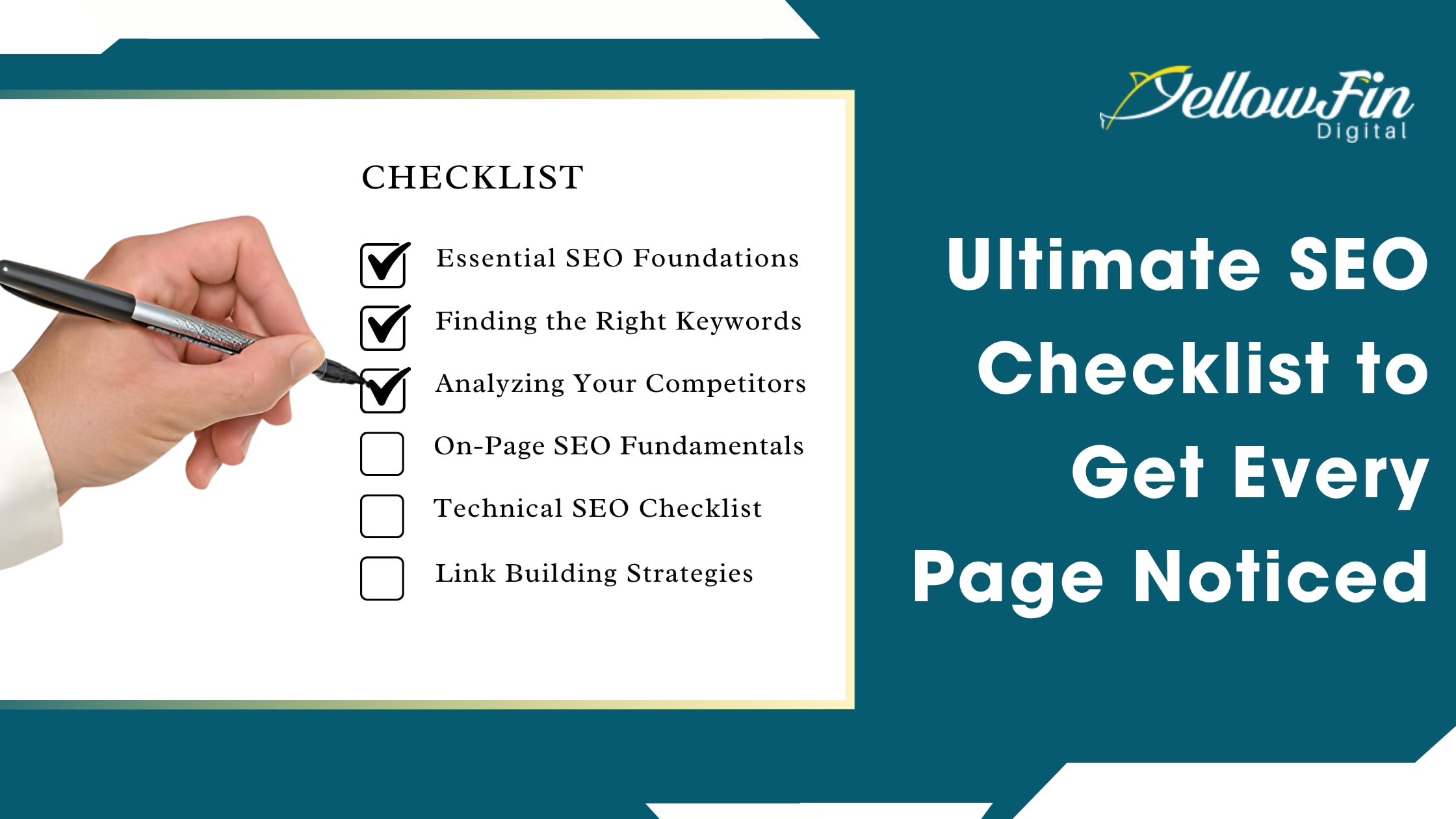
This checklist is designed to guide you through the most important SEO tasks, so you don’t miss a thing. Ready to unlock your site’s potential? Keep reading, and let’s get your SEO strategy on track.
Keyword Research
Keyword research is the first step in SEO. It helps you find the words people type in search engines. Choosing the right keywords brings more visitors to your website. It also guides your content creation to meet user needs. Good keyword research saves time and improves your site’s ranking.
Finding High-value Keywords
High-value keywords have good search volume and low competition. These keywords bring quality traffic to your site. Focus on terms your target audience uses. Look for specific phrases that show clear intent. Use keywords that match your content’s purpose. This helps attract visitors ready to engage.
Analyzing Competitor Keywords
Check what keywords your competitors target. This reveals gaps and opportunities in your niche. Study their top-performing pages and keyword choices. Find keywords they miss or underuse. Use this information to improve your strategy. It helps you stay competitive and relevant.
Using Keyword Tools
Keyword tools simplify the research process. They provide data on search volume, difficulty, and trends. Popular tools include Google Keyword Planner, Ahrefs, and SEMrush. These tools suggest related keywords and phrases. Use them to refine your keyword list. Choose keywords that balance popularity and competition.
On-page Optimization
On-page optimization is key to making your website easy to find and use. It helps search engines understand your content. Good on-page SEO improves your site’s ranking and user experience. Focus on simple changes that make a big difference.
Optimizing Title Tags
Title tags show the main topic of each page. Keep them clear and relevant to the content. Use important keywords near the beginning. Limit titles to about 60 characters to avoid being cut off in search results.
Crafting Meta Descriptions
Meta descriptions summarize a page’s content. Write descriptions that invite clicks and explain what users will find. Keep them under 160 characters. Use action words and include keywords naturally to boost relevance.
Improving Header Tags
Headers break content into sections. Use H1 for the main title and H2 or H3 for subheadings. Headers help readers scan the page quickly. Include keywords in headers to emphasize important topics.
Enhancing Url Structure
URLs should be simple and descriptive. Use words that explain the page content. Avoid long strings of numbers or symbols. Short, clear URLs improve user trust and search engine understanding.
Using Internal Linking
Link to other pages within your website. Internal links guide visitors to related content. They also help search engines crawl your site better. Use meaningful anchor text that describes the linked page.
Content Strategies
Content strategies shape how your website gains attention and ranks on search engines. They focus on making your site useful and easy to read. Good content keeps visitors longer and encourages sharing. This section covers key content tactics that improve SEO and user experience.
Creating Quality Content
Quality content answers questions clearly and fully. It uses simple words and short sentences. Each piece should offer real value to readers. Avoid copying from other sites. Unique content stands out and builds trust. Use images or videos to support your text. Keep paragraphs brief for easy reading.
Incorporating Keywords Naturally
Keywords help search engines find your pages. Use them where they fit well in sentences. Don’t force keywords into every sentence. Sprinkle them in titles, headings, and body text. Match keywords to what people type in search boxes. Natural use keeps content readable and smooth.
Updating Existing Content
Old content can lose its ranking and relevance. Check your pages regularly for outdated facts. Refresh text with new information and keywords. Fix broken links and improve formatting. Updated content shows search engines your site is active. It also keeps visitors coming back for fresh info.
Credit: vocal.media
Technical Seo
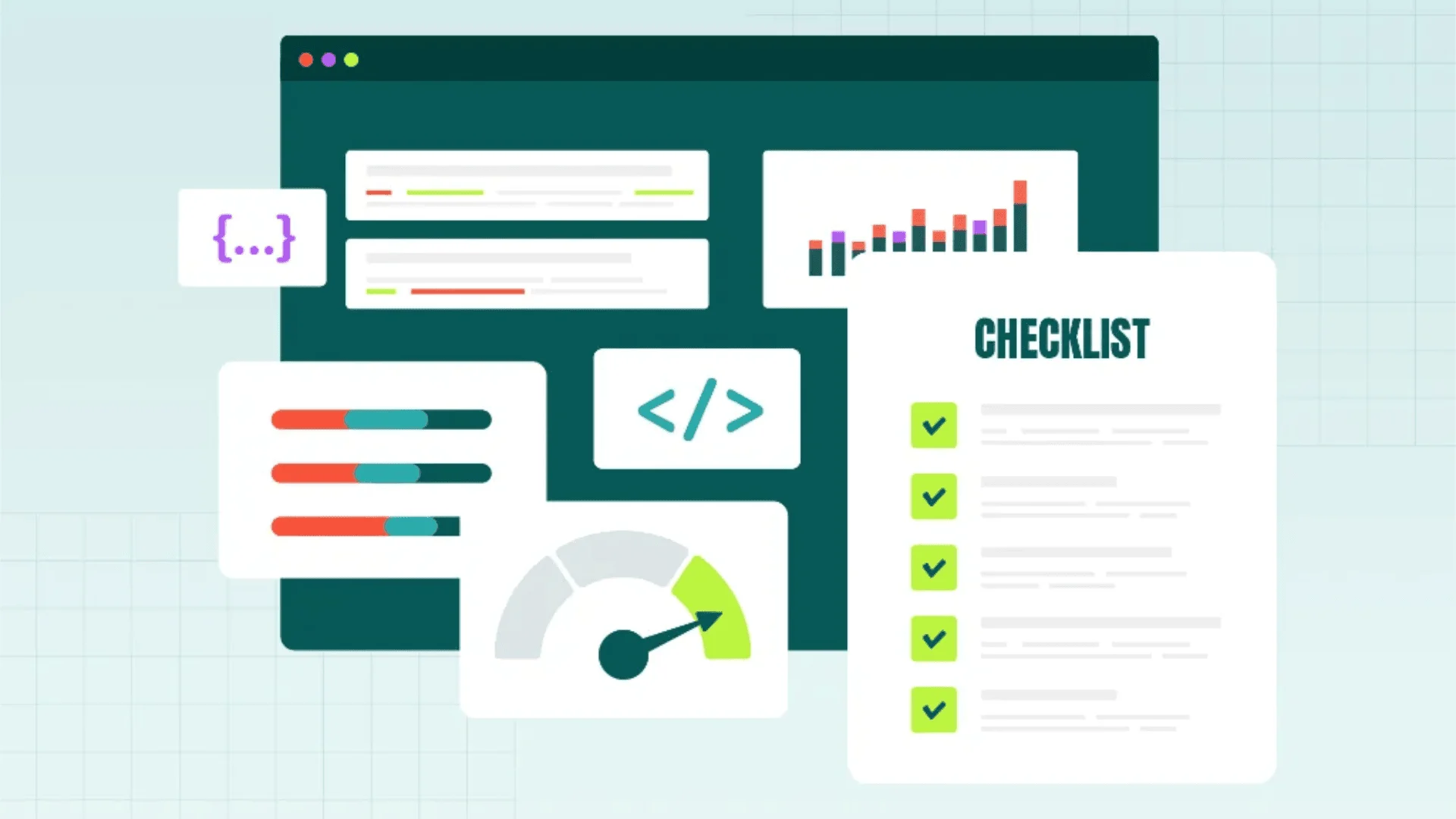
Technical SEO is the foundation of a website’s performance in search engines. It ensures that search engines can easily find, crawl, and index your site. A well-optimized technical setup improves user experience and boosts your rankings.
This section covers key technical SEO tasks. These tasks help your site run smoothly and rank better.
Improving Site Speed
Fast-loading pages keep visitors happy. Slow sites cause users to leave quickly. Use tools like Google PageSpeed Insights to find speed issues. Optimize images, reduce code size, and use caching to boost load times.
Ensuring Mobile-friendliness
Most users browse on phones. A mobile-friendly site adapts to small screens. Google prefers mobile-friendly sites in rankings. Use responsive design and test with Google’s Mobile-Friendly Test tool.
Fixing Crawl Errors
Crawl errors stop search engines from accessing your pages. Check Google Search Console for errors like 404 or server issues. Fix broken links and incorrect redirects to improve site health.
Setting Up Xml Sitemap
An XML sitemap helps search engines find your pages quickly. It lists all important URLs on your site. Submit your sitemap in Google Search Console to speed up indexing.
Implementing Schema Markup
Schema markup adds extra info to your site’s code. It helps search engines understand your content better. Use schema to highlight reviews, events, products, and more. This can enhance your search results with rich snippets.
Off-page Seo
Off-page SEO helps improve your website’s reputation and authority. It focuses on actions outside your site. These actions show search engines that your site is trustworthy and valuable.
Search engines use signals from other sites to rank your pages. The more quality signals you have, the better your ranking can be. Off-page SEO involves building relationships and sharing your content.
Building Quality Backlinks
Backlinks are links from other websites to yours. They act as votes of confidence for your content. Quality backlinks come from trusted, relevant sites. Avoid low-quality or spammy links. Search engines may penalize your site for those. Aim to get backlinks from sites in your niche. This boosts your site’s authority and ranking.
Leveraging Social Media
Social media platforms help share your content widely. They increase your content’s visibility and reach. Engage with your audience on platforms like Facebook, Twitter, and LinkedIn. Share helpful posts regularly. Social signals do not directly boost rankings. They help create traffic and backlinks indirectly. Active social media presence improves brand awareness and trust.
Engaging In Guest Blogging
Guest blogging means writing articles for other websites. It helps you reach new audiences. Choose blogs that relate to your niche. Provide valuable, original content to their readers. Include a link back to your site. This builds backlinks and credibility. Avoid sites with low authority or spammy content. Guest blogging also builds relationships with other bloggers.
Credit: www.straightnorth.com
Monitoring And Analytics
Monitoring and analytics are key parts of SEO success. They show how well your efforts work. Without them, you guess what to improve. With clear data, you make smart decisions. This helps your site grow and get more visitors.
Tracking Keyword Rankings
Track your keyword rankings often. This tells you which words bring visitors. Watch for changes in rankings each week. High rankings mean your content matches searches. Low rankings show a need for updates.
Analyzing Traffic Data
Use tools to see who visits your site. Check where visitors come from and what they do. Look at page views, bounce rates, and session length. This data reveals what users like or dislike. It helps you focus on what works best.
Adjusting Strategies Based On Insights
Use your data to change your SEO plan. Drop tactics that do not bring results. Boost efforts on pages with high engagement. Keep testing new ideas to improve traffic. Regular updates keep your site strong and relevant.
Local Seo Tips
Local SEO helps businesses reach customers near them. It improves visibility in local searches. This section covers practical tips to boost your local SEO efforts.
Optimizing Google My Business
Create a complete Google My Business profile. Add accurate business name, address, and phone number. Upload clear photos of your store or products. Update hours of operation regularly. Use relevant categories to describe your business. This helps Google show your listing to nearby users.
Gathering Customer Reviews
Encourage customers to leave honest reviews. Respond politely to all feedback. Positive reviews build trust and attract new clients. Reviews also improve your ranking in local search results. Avoid fake reviews; they harm your reputation and ranking.
Targeting Local Keywords
Use keywords that include your city or neighborhood. Think about what words people near you use. Add these keywords to your website titles and content. This helps search engines connect your site with local searches. Keep keywords natural and easy to read.
Credit: www.someka.net
Frequently Asked Questions
What Is An Seo Checklist And Why Use It?
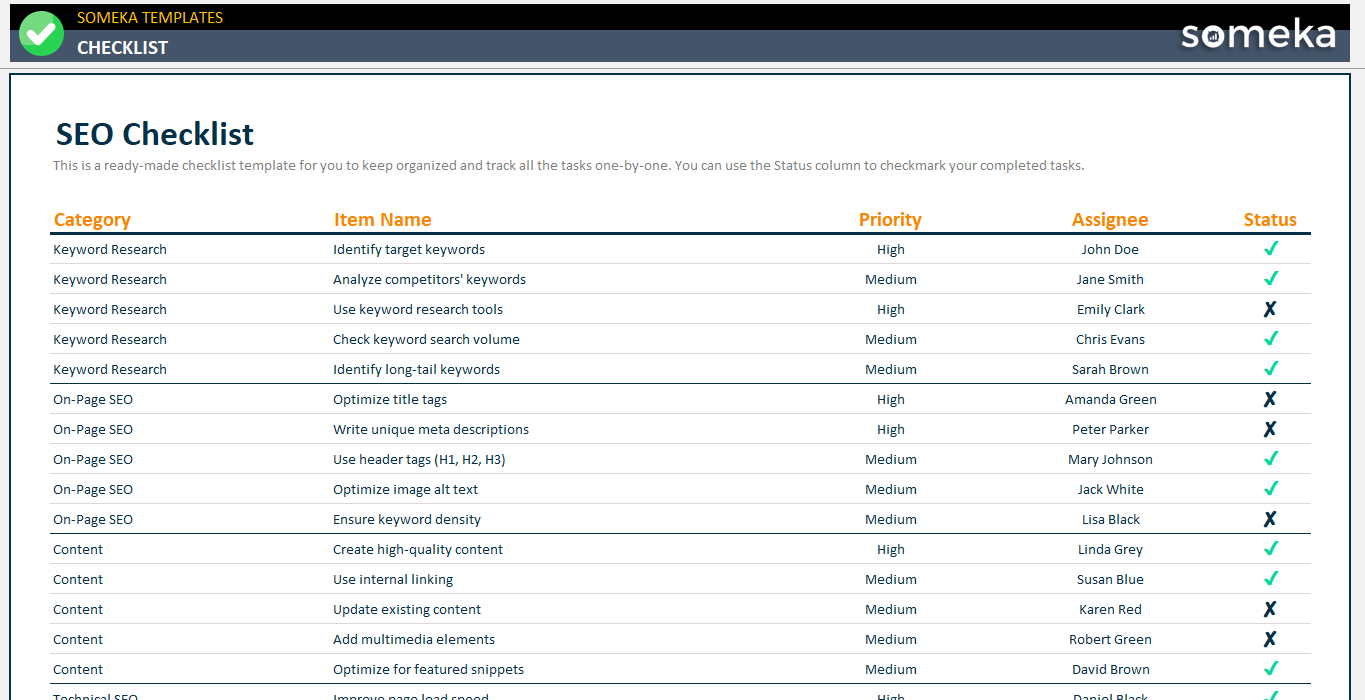
An SEO checklist is a step-by-step guide to optimize your website. It helps ensure you don’t miss key SEO elements. Using a checklist improves rankings, boosts traffic, and enhances user experience. It streamlines your SEO efforts for better and faster results.
How Often Should I Update My Seo Checklist?
Update your SEO checklist quarterly or when search algorithms change. Regular updates keep your strategies aligned with the latest SEO best practices. This ensures your site remains optimized and competitive in search engine rankings over time.
Which Seo Tasks Are Most Important To Include?
Focus on keyword research, on-page SEO, technical SEO, and link building. Also include content quality checks and mobile optimization. These tasks cover essential areas to improve visibility and user experience effectively.
Can I Use An Seo Checklist For Any Website Type?
Yes, SEO checklists are adaptable for blogs, e-commerce, and corporate sites. Customize tasks based on your site’s goals and audience. This flexibility makes checklists valuable for all website types and industries.
Conclusion
Following this SEO checklist will help improve your website’s ranking. Keep your content clear and focused on your audience. Use keywords naturally and avoid stuffing them. Check your site speed and make it mobile-friendly. Regularly update your content to stay relevant.
Remember, SEO takes time and patience to show results. Stay consistent and track your progress often. Small steps lead to better search visibility. Keep learning and adjusting your strategy as needed. Success comes with steady effort and smart choices.