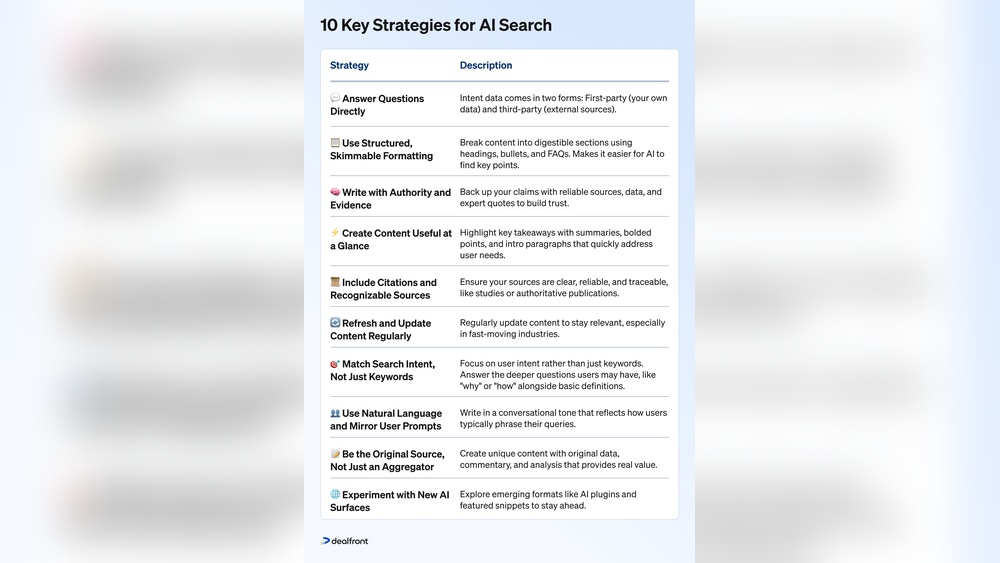
Is your website truly ready to climb the search engine ranks? If you’re unsure, a SEO site audit could be exactly what you need.
This simple yet powerful check-up reveals hidden issues that might be holding your site back. By understanding your site’s strengths and weaknesses, you can make smart changes that bring more visitors and boost your online success. Keep reading to discover how a SEO site audit can transform your website and give you the edge over your competition.

Credit: seomator.com
Importance Of Seo Site Audits
SEO site audits are key to keeping a website healthy and visible. They check the website’s performance and find hidden problems. Regular audits help maintain strong search engine rankings and improve visitor experience. Ignoring site audits can lead to lost traffic and poor user satisfaction. Understanding their importance helps site owners act fast and stay ahead.
Impact On Search Rankings
Search engines favor websites that work well and load fast. SEO audits find issues that slow the site or block search engines. Fixing these issues boosts rankings and helps pages appear higher in search results. Better rankings mean more visitors and more chances to grow the business.
Identifying Site Issues
Audits reveal many hidden problems. Broken links, missing tags, duplicate content, and slow pages are common issues. These problems hurt the site’s performance and confuse search engines. Finding and fixing them keeps the site clean and easy to crawl. Regular checks stop small problems from turning into big ones.
Enhancing User Experience
A good user experience keeps visitors on the site longer. Audits check for mobile friendliness, fast loading, and clear navigation. Improving these areas makes the site easier to use. Happy visitors come back and recommend the site to others. Better experience also reduces bounce rates and increases conversions.
Key Elements To Audit
Performing a thorough SEO site audit means checking many important parts of your website. These parts affect how search engines see your site and how users find it. Auditing these key elements helps improve site ranking and user experience.
Each element plays a role in making your site easy to use and crawl. It also ensures your content is relevant and trustworthy. Focus on technical, on-page, and off-page factors for a complete audit.
Technical Seo Factors
Technical SEO involves the backend elements that affect site performance. Check site speed to avoid slow loading pages. Ensure your site uses HTTPS for security. Fix broken links and errors like 404 pages. Use a mobile-friendly design for better user experience. Create an XML sitemap and submit it to search engines. Verify your robots.txt file doesn’t block important pages.
On-page Seo Components
On-page SEO focuses on content and HTML tags. Optimize title tags with target keywords. Write clear and unique meta descriptions. Use header tags (H1, H2) to structure content well. Add alt text to images for accessibility and SEO. Include internal links to related pages. Keep URL structures simple and descriptive. Ensure content is original and useful for visitors.
Off-page Seo Signals
Off-page SEO refers to actions outside your website. Build quality backlinks from trusted sites. Check your site’s reputation and reviews online. Engage with users on social media platforms. Monitor mentions of your brand across the web. Avoid spammy links that can harm your ranking. Consistent off-page efforts help increase your site’s authority.
Top Seo Audit Tools
SEO site audits help find issues that stop a website from ranking well. Using the right tools makes audits easier and faster. These tools check for errors, speed, backlinks, and more. They guide website owners on what to fix to improve search results.
Free Tools For Beginners
Many free SEO audit tools exist for those new to SEO. Google Search Console offers useful data on site health and keywords. Screaming Frog’s free version crawls up to 500 URLs to spot basic issues. Ubersuggest provides simple reports on site traffic and SEO problems. These tools are easy to use and good for small websites. Beginners can learn a lot without spending money.
Advanced Tools For Experts
Experts use advanced tools to get deeper insights. SEMrush delivers detailed site audits and competitor analysis. Ahrefs tracks backlinks and scans for technical SEO errors. Sitebulb offers visual reports for complex site structures. These tools provide many features but require some SEO knowledge. They help professionals optimize large websites effectively.
Choosing The Right Tool
Select tools based on website size and SEO skills. Small sites benefit from free or simple tools. Larger sites need advanced tools with more features. Consider budget and ease of use before deciding. Testing a few tools can show which fits best. The right tool saves time and improves audit results.
Step-by-step Audit Process
Performing an SEO site audit helps find issues that affect your site’s ranking. The audit process breaks down your website into key parts. This makes it easier to spot problems and fix them fast. Follow these steps to complete a thorough SEO site audit.
Crawling And Indexing Checks
Start by checking if search engines can crawl your site. Use tools to see which pages are indexed by Google. Look for errors like broken links or blocked pages. Make sure your robots.txt file allows crawling of important pages. Fix any issues that stop search engines from reading your content.
Content Quality Analysis
Review your website’s content for quality and relevance. Check if text is clear, useful, and unique. Avoid duplicate or thin content that adds little value. Use keywords naturally to help search engines understand your topic. Good content keeps visitors engaged and improves rankings.
Backlink Profile Review
Analyze links pointing to your site from other websites. Check the number and quality of backlinks. Remove or disavow bad or spammy links that harm your reputation. Strong backlinks from trusted sites boost your SEO power. Keep building links from relevant, authoritative sources.
Common Seo Issues And Fixes
SEO site audits often reveal common problems that hurt your website’s ranking. Fixing these issues can improve user experience and search engine visibility. Below are some frequent SEO problems and simple ways to fix them.
Duplicate Content
Duplicate content confuses search engines. They don’t know which page to rank. This lowers your site’s authority and traffic. Fix duplicates by using canonical tags. Also, remove or rewrite copied content. Keep your text unique on each page.
Broken Links
Broken links lead to error pages. Visitors may leave your site quickly. Search engines see broken links as a poor sign. Regularly check for broken links using tools. Replace or remove links that do not work. This keeps your site healthy and trustworthy.
Slow Page Speed
Slow pages frustrate users and lower rankings. Speed up your site by compressing images. Use caching and reduce server response time. Avoid heavy scripts that block loading. Fast pages keep visitors and improve SEO.

Credit: www.scalenut.com
Tracking Audit Results
Tracking audit results helps measure SEO progress clearly. It shows what changes work and what needs fixing. This process keeps your SEO efforts focused and effective.
Using Analytics Data
Analytics tools give clear data on website performance. They show traffic, user behavior, and page views. Use this data to see audit impact over time. Watch for trends in visitor numbers and sources. Analytics helps find strong and weak spots on your site.
Monitoring Ranking Improvements
Check your keyword rankings regularly after an audit. Ranking changes show if SEO fixes work well. Track keywords that matter most to your business. Note any shifts in rankings on search engines. This helps understand which pages gain more visibility.
Adjusting Strategies
Use audit results to change your SEO plan smartly. Fix issues that still cause problems. Focus more on tactics that bring good results. SEO is a continuous process. Regular adjustments keep your site growing in search results.
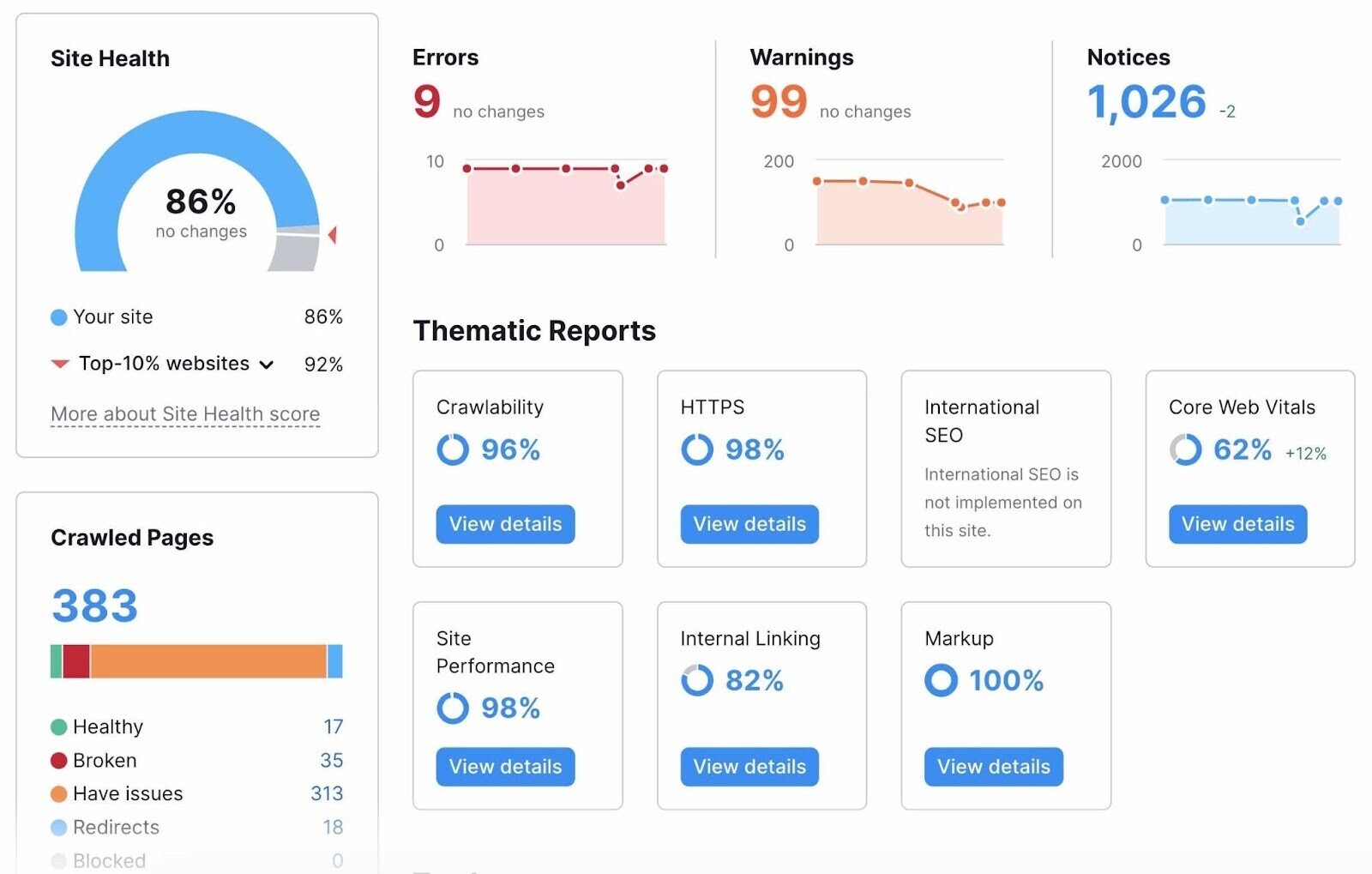
Credit: www.semrush.com
Frequently Asked Questions
What Is An Seo Site Audit?
An SEO site audit evaluates your website’s health and SEO performance. It identifies issues affecting rankings and user experience. The audit covers technical SEO, content quality, backlinks, and site structure. It helps improve your website’s visibility and search engine ranking.
How Often Should I Perform An Seo Site Audit?
Perform an SEO site audit at least twice a year. Regular audits ensure your website stays optimized and competitive. After major updates or site changes, conduct an audit to catch new issues. Consistent audits help maintain and improve SEO performance.
What Tools Are Best For Seo Site Audits?
Popular SEO audit tools include SEMrush, Ahrefs, Screaming Frog, and Google Search Console. These tools analyze site errors, backlinks, keywords, and performance. They provide detailed reports to guide your SEO improvements. Choosing the right tool depends on your needs and budget.
How Does An Seo Site Audit Improve Rankings?
An SEO site audit identifies and fixes website issues that hinder ranking. It improves site speed, mobile usability, and content relevance. Optimizing these elements enhances user experience and search engine trust. Better SEO health leads to higher rankings and more organic traffic.
Conclusion
A thorough SEO site audit helps find and fix website issues fast. It boosts your site’s chances to rank higher on search engines. Regular audits keep your content fresh and user-friendly. Small changes can lead to better traffic and more visitors.
Don’t miss out on improving site speed, links, and keywords. Start auditing your site today to see steady progress. Clear steps lead to better results. Keep your website healthy and easy to use for everyone. Simple checks make a big difference.