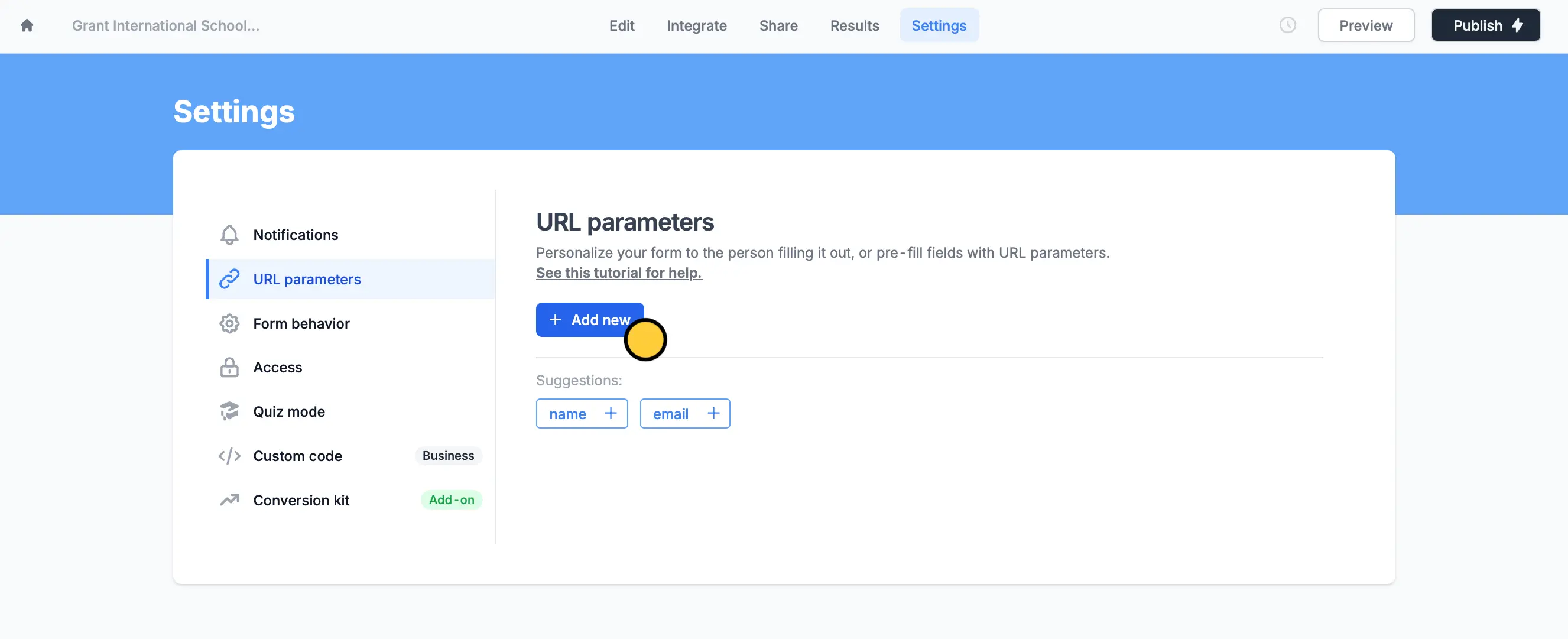
Have you ever clicked a link and noticed strange letters and numbers at the end of the web address? Those are called URL parameters, and they hold the key to unlocking powerful information about your online activity.
Understanding how URL parameters work can help you make smarter decisions—whether you’re tracking marketing campaigns, customizing your website experience, or improving your SEO. You’ll discover exactly what URL parameters are, why they matter to you, and how you can use them to get ahead.
Keep reading to take full control of your web traffic and boost your online success.
Credit: www.fillout.com
What Are Url Parameters
URL parameters are pieces of information added to the end of a web address. They help websites track data or show specific content. These parameters appear after a question mark (?) in the URL. Each parameter has a key and a value, separated by an equals sign (=). Multiple parameters are joined by an ampersand (&). URL parameters make websites more dynamic and interactive.
Types Of Url Parameters
There are several types of URL parameters. The most common are tracking parameters. They collect data about user behavior. Another type is session parameters. These keep users logged in or save their choices. Filter parameters help show only certain content. Search parameters display results based on user queries. Each type serves a clear purpose on the site.
Common Uses In Websites
Websites use URL parameters for many reasons. They track marketing campaigns and user clicks. Parameters help customize content for visitors. Online stores use them to filter products by size or color. Search engines use parameters to show relevant results. They also manage user sessions and preferences. URL parameters improve user experience and site functionality.
Impact On Seo
URL parameters can change how search engines see your site. They add extra details to URLs and help track user behavior or sort content. But they can also affect your site’s SEO in different ways.
Understanding their impact helps keep your site strong in search results. Managing URL parameters carefully avoids common SEO problems.
How Parameters Affect Rankings
Search engines may treat URLs with different parameters as separate pages. This can split the ranking power across many URLs. Each page gets less authority, lowering overall rankings.
Too many parameter variations confuse search engines. They waste crawl budget on similar pages. This reduces the chance of important pages getting indexed quickly.
Properly using parameters helps maintain clear site structure. It improves how search engines understand your content and rank it.
Avoiding Duplicate Content Issues
URL parameters often create duplicate versions of the same page. Duplicate content can harm SEO by splitting traffic and ranking signals.
Search engines dislike duplicate content because it lowers user experience. They may choose one page and ignore others, losing valuable rankings.
Use canonical tags to point to the main URL version. This tells search engines which page to index and rank.
Another method is to block parameter-based URLs in robots.txt or Google Search Console. This stops search engines from indexing duplicates.
Tracking Traffic With Url Parameters
Tracking traffic with URL parameters helps you see where visitors come from. These small additions to your links give clear data about your audience. They show which ads, emails, or posts bring the most visitors. This data guides better marketing choices and saves time and money.
Setting Up Utm Parameters
UTM parameters are tags added to URLs. They include details like source, medium, and campaign name. Start with the base URL of your page. Add parameters like ?utm_source=facebook to show traffic from Facebook. Use simple, consistent names. This keeps your data clean and easy to read. Many free tools help build UTM links quickly.
Analyzing Campaign Performance
Use Google Analytics or similar tools to view UTM data. Check which sources bring the most visitors. Look at bounce rate and time spent on your site. These numbers show how well your campaigns work. Adjust your ads or posts based on this data. Focus on channels that bring engaged visitors. Drop or improve those that don’t perform well.

Credit: backlinko.com
Best Practices For Url Parameters
URL parameters play a key role in how websites handle and display dynamic content. Using them correctly helps search engines understand your site better. It also improves user experience by keeping URLs simple and clear. Following best practices ensures your site stays organized and ranks well.
Creating Clean And Consistent Urls
Keep URLs short and easy to read. Avoid long strings of parameters. Use clear names for each parameter to show their purpose. Always use lowercase letters to avoid confusion. Separate parameters with an ampersand (&) and start with a question mark (?).
Limit the number of parameters in one URL. Too many can confuse users and search engines. Remove unnecessary or duplicate parameters. Consistency helps users trust your links and makes indexing easier for search engines.
Managing Parameters In Google Search Console
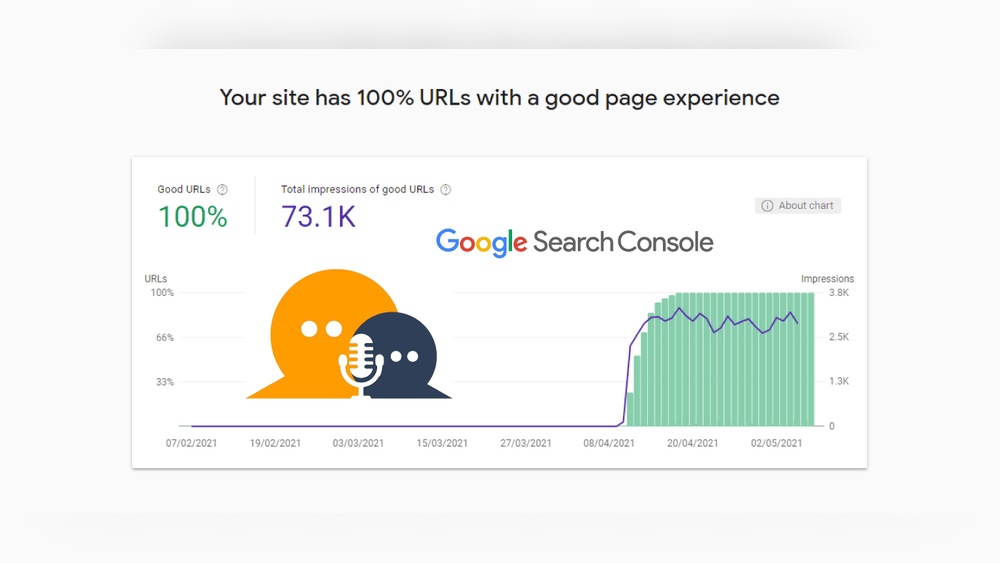
Google Search Console allows control over how parameters affect crawling. Specify which parameters change page content and which don’t. Tell Google to ignore parameters that don’t affect content to avoid duplicate pages.
Regularly check parameter settings to keep them updated. Incorrect settings can block important pages. Use the tool to improve crawl efficiency. This helps Google focus on your main pages and content.
Tools To Manage And Monitor Parameters
URL parameters affect how search engines and users see your site. Managing these parameters helps avoid duplicate content and improves SEO. Monitoring them shows how users interact with your pages. Using the right tools makes this process easier and more effective.
These tools provide data on parameter usage, impact, and traffic. They help identify issues and opportunities for better site performance. Understanding parameter behavior guides smarter SEO and marketing choices.
Seo Tools For Parameter Analysis
SEO tools analyze URL parameters to prevent indexing problems. They detect duplicate content caused by different parameter values. Tools like Google Search Console highlight crawl errors related to parameters. Screaming Frog SEO Spider scans URLs and flags parameter issues. SEMrush and Ahrefs provide insights on parameter effects on rankings. These tools help control how search engines see your site.
Traffic Tracking Platforms
Traffic tracking platforms measure user visits from URLs with parameters. Google Analytics tracks parameter performance in campaigns and filters. Matomo offers detailed reports on parameter usage and visitor behavior. These platforms show which parameters bring the most traffic. Data helps adjust marketing strategies for better results. Tracking user flow through parameters reveals content effectiveness.

Credit: aubreyyung.com
Frequently Asked Questions
What Are Url Parameters And Their Purpose?
URL parameters are key-value pairs added to URLs to pass data. They help track user behavior, filter content, or personalize pages dynamically.
How Do Url Parameters Affect Seo Rankings?
URL parameters can create duplicate content if misused. Proper handling via canonical tags or parameter settings prevents SEO issues.
Can Url Parameters Track Marketing Campaign Performance?
Yes, marketers use URL parameters like UTM codes to track campaign effectiveness and user engagement across different traffic sources.
How Do Url Parameters Impact Website Loading Speed?
Generally, URL parameters have minimal impact on speed but excessive parameters may slow caching and server response times.
Conclusion
Url parameters help track and organize website data clearly. They guide users and search engines to specific content fast. Using them wisely improves site navigation and user experience. Avoid cluttering URLs with too many parameters to keep links clean. Regularly check your parameters to ensure they work correctly.
This simple tool supports better website management and clearer analytics. Understanding url parameters makes your site easier to use and analyze. Keep it simple and structured for the best results.