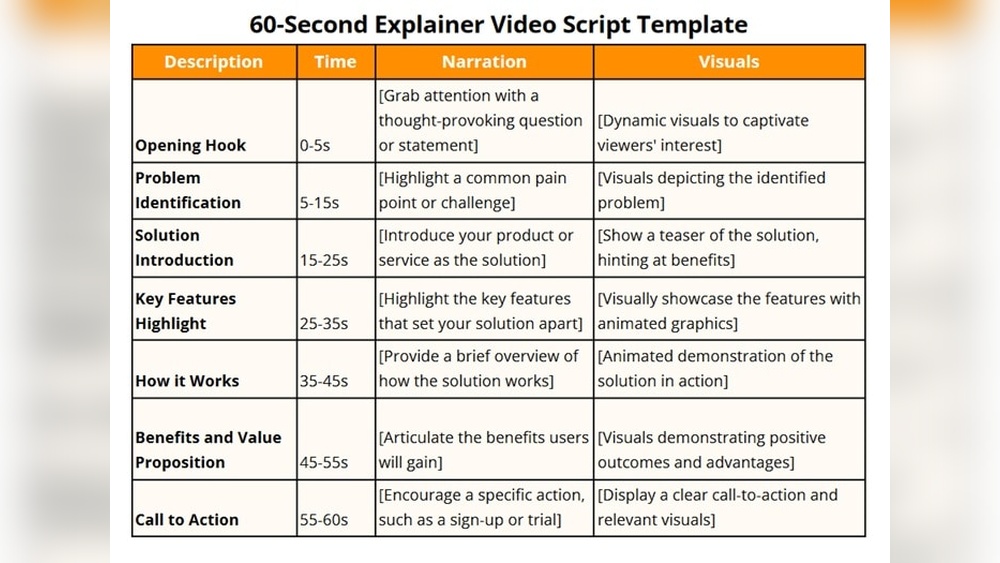
If you want your videos to grab attention and keep viewers hooked, a great video script is your secret weapon. Your script shapes every word, scene, and emotion, making sure your message comes across clearly and powerfully.
Whether you’re creating a marketing video, a tutorial, or a story, knowing how to craft the perfect script can turn your ideas into something unforgettable. Keep reading, and you’ll discover simple tips to write a video script that connects with your audience and drives real results.
Credit: filmora.wondershare.com
Story Elements That Engage
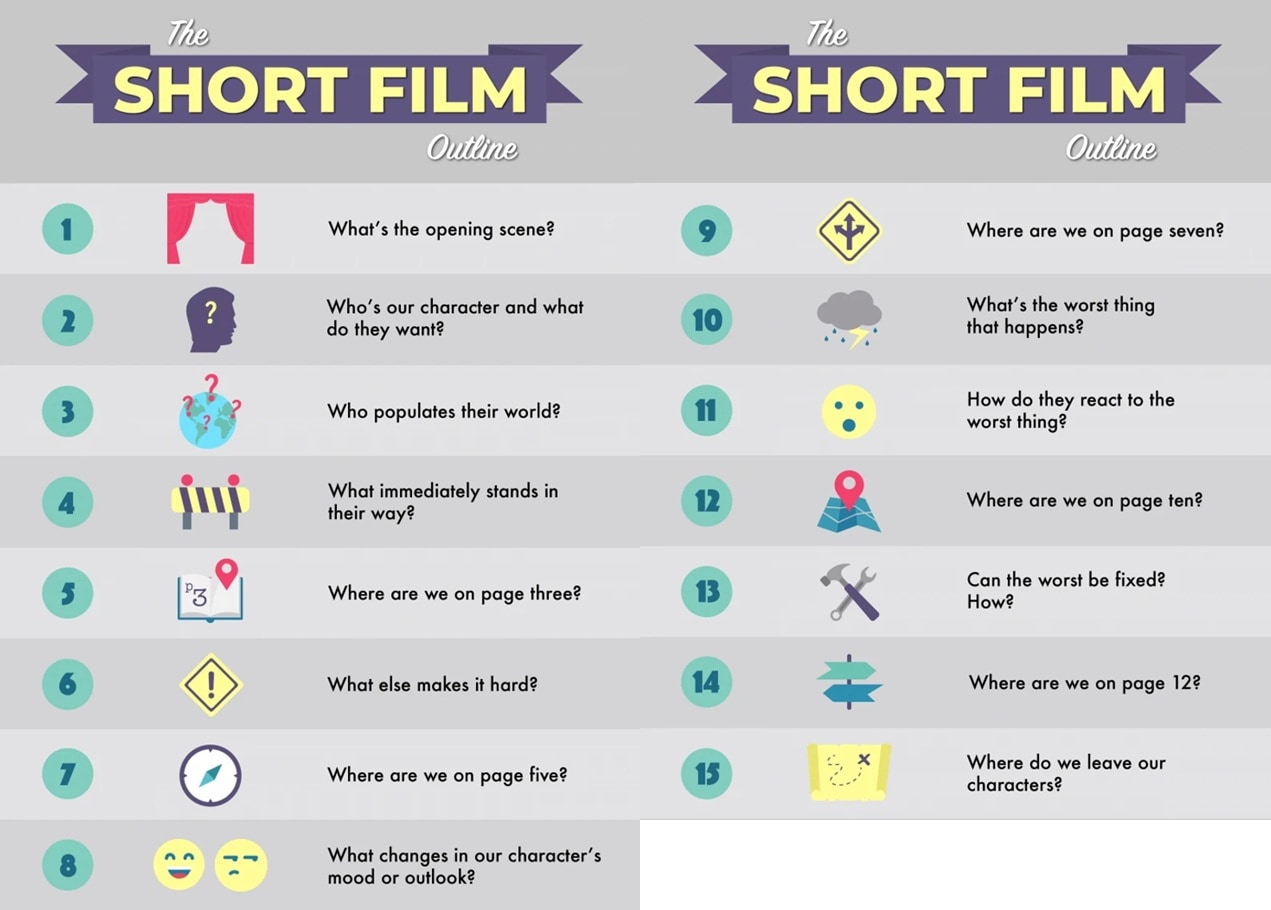
Great video scripts have story elements that keep viewers interested. These elements help connect the audience with the message. They make videos memorable and easy to follow.
Every story needs parts that draw people in. Characters, conflict, and emotions work together to create a strong impact. These parts shape the story and hold attention.
Characters That Resonate
Characters make the story real and relatable. Viewers care about characters they understand and like. Simple traits and clear goals help create strong characters. Show their strengths and weaknesses to build trust. Real characters invite viewers to feel and think.
Compelling Conflict
Conflict drives the story forward. It creates tension and interest. Conflict can be a problem or challenge the characters face. It shows what is at stake. Without conflict, stories feel flat and boring. Good conflict keeps viewers eager to see what happens next.
Emotional Hooks
Emotions connect stories to the heart. Joy, fear, hope, or sadness make viewers feel involved. Emotional hooks make messages stick in the mind. Use simple moments that spark feelings. This helps viewers remember and share the story.
Credit: filmora.wondershare.com
Structuring Your Script
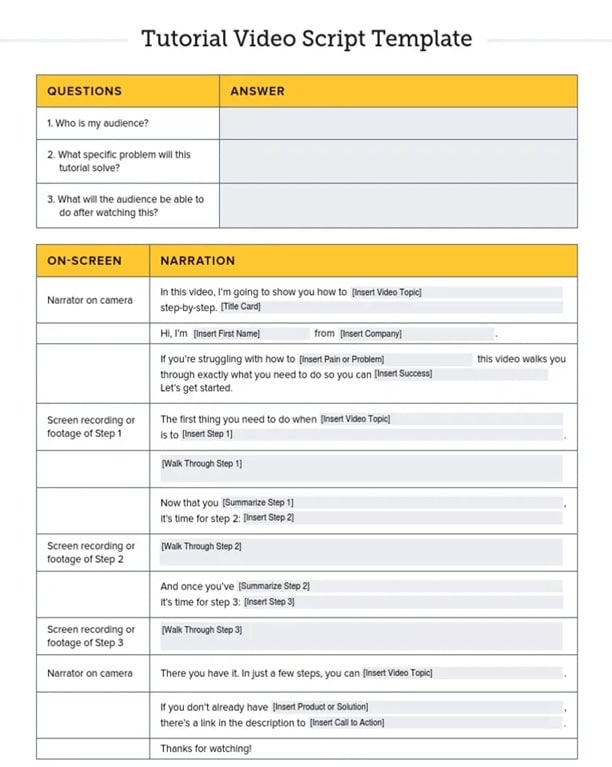
Structuring your video script is key to keeping viewers interested. A clear structure guides your story and makes your message easy to follow. Each part of the script has a role. From grabbing attention to leaving a lasting impression, every section counts.
Good structure also helps with pacing. It makes sure your video flows smoothly and holds attention. A strong script keeps viewers watching until the end.
Opening With Impact
The start of your script must catch attention fast. Use a question, fact, or bold statement. Something that makes viewers curious. The goal is to make them want to keep watching. Keep the opening short and clear. Avoid long introductions or complicated ideas. Make it easy to understand at once.
Building Momentum
After the opening, add more details step by step. Explain your main points clearly and simply. Use short sentences and simple words. Keep energy high to hold interest. Use examples or stories to make ideas real. Avoid jumping between topics. Stay focused on one idea at a time. This part should flow naturally toward the end.
Strong Call To Action
The end of your script needs a clear call to action. Tell viewers exactly what to do next. It could be to visit a website, subscribe, or buy a product. Use direct and simple language. Remind them why your video mattered. Make the action easy and quick to follow. A strong ending helps your video achieve its goal.
Language That Sells
Language that sells is the heart of any video script. It draws viewers in and moves them to act. Good words create trust and excitement. They make your message clear and easy to remember.
Choosing the right words helps your video stand out. It keeps your audience interested and guides them toward your goal. Simple, strong language builds a connection fast.
Clear And Concise Phrasing
Use short sentences and simple words. Avoid long phrases that confuse viewers. Clear language helps people understand your message quickly. Say exactly what you mean without extra fluff. This keeps the viewer focused and engaged.
Powerful Verbs
Strong verbs create energy and action. They make your message active, not passive. Words like ”discover,” ”build,” and ”choose” inspire action. Powerful verbs paint a clear picture of what to do. They make your script lively and persuasive.
Conversational Tone
Write like you talk to a friend. Use everyday words and simple questions. This tone feels natural and easy to follow. It makes viewers comfortable and open to your message. A friendly voice helps your video feel personal and real.
Visual And Audio Sync
Visual and audio sync is key to making a video feel smooth and natural. It connects what viewers see with what they hear. This match helps keep attention and makes the message clear.
Good sync makes scenes and sounds work together. This balance brings life to the story. It avoids confusion and keeps the flow steady.
Matching Scenes To Script
Scenes must fit the words exactly. Each image should show what the script says. This match helps viewers understand the story fast. Avoid showing unrelated visuals that distract or confuse. Align actions in the video with spoken words or narration. This creates a clear and simple story path.
Using Sound For Effect
Sounds add feelings and meaning to scenes. Use background music to set mood or tone. Sound effects highlight key moments or actions. Silence can be powerful too. It draws attention to important words or changes. Choose sounds that fit the story style and pace. Clear and crisp audio keeps viewers engaged.
Timing For Maximum Impact
Perfect timing makes scenes and sounds hit hard. Pause before key points to build suspense. Match audio beats with visual changes for stronger impact. Avoid rushing or dragging scenes. Smooth timing feels natural and keeps viewers interested. Test and adjust timing to find the best rhythm for your video.
Optimizing For Audience
Optimizing a video script for the audience means making the content clear and useful. The goal is to connect with viewers and keep their attention. Every word in the script should speak to their needs and interests. This makes the video more enjoyable and effective.
Targeting Viewer Needs
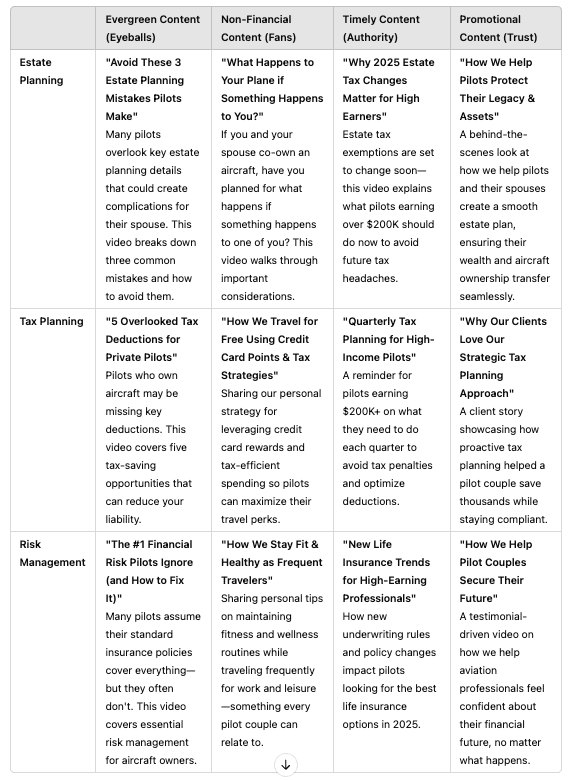
Start by understanding who will watch the video. What problems do they have? What answers do they want? Use simple words and clear ideas. Focus on what matters most to them. This helps create a script that feels personal and helpful. It makes viewers want to keep watching.
Incorporating Feedback
Listen to comments and suggestions from viewers. Use their feedback to improve your script. Fix confusing parts and add missing details. This shows you care about their opinion. It also makes the video better each time. A good script grows with its audience.
Adapting To Platforms
Each platform has its style and rules. A script for YouTube might be longer and detailed. For Instagram, keep it short and fast. Change your words and tone to fit the platform. This helps the video fit the space and the viewers’ habits. It increases the chance they will watch till the end.
Credit: advisorvm.com
Frequently Asked Questions
What Is A Video Script And Why Is It Important?
A video script is a written blueprint for your video content. It guides the flow, dialogue, and visuals. A clear script ensures your message is concise, engaging, and easy to understand, improving viewer retention and overall video quality.
How Do You Structure An Effective Video Script?
An effective video script includes a hook, main content, and a call to action. Start with a strong opening to grab attention. Then, deliver key points clearly. End with a call to action to engage viewers and drive desired outcomes.
What Are Common Mistakes In Video Script Writing?
Common mistakes include being too wordy, lacking clear structure, and ignoring the target audience. Avoid jargon and keep sentences short. Always focus on clarity and engagement to maintain viewer interest throughout the video.
How Long Should A Video Script Be?
A video script length depends on video duration. Typically, one minute of video equals about 150 words. Keep scripts concise to maintain attention, especially for marketing or social media videos where viewer attention is limited.
Conclusion
A good video script makes your message clear and strong. It helps keep viewers interested from start to finish. Writing simple and direct sentences works best. Plan your story, include key points, and use natural language. Practice reading your script out loud to sound smooth.
Remember, a well-made script saves time when filming. Use these tips to create videos that connect with your audience easily. Keep improving with each script you write. Success comes from clear and simple communication.