Your website has seconds to grab attention. If your words don’t connect quickly, visitors leave—and your message is lost.
That’s where web copywriting comes in. It’s more than just writing; it’s about crafting words that speak directly to your audience, spark interest, and drive action. Imagine turning casual visitors into loyal customers just by choosing the right words. Want to discover how to make every sentence count and boost your online success?
Keep reading—your web copy could be the game-changer you’ve been missing.
Crafting Compelling Headlines
Headlines are the first thing visitors see on a webpage. They decide if readers stay or leave. Crafting headlines that grab attention is essential. A strong headline makes the reader want to learn more. It guides visitors toward the main message quickly. Clear, powerful headlines improve engagement and boost conversions.
Using Power Words
Power words create emotion and interest in headlines. Words like “easy,” “free,” or “best” catch the eye. They make headlines feel urgent or important. Use power words to spark curiosity and excitement. Choose words that fit the topic and audience. Avoid overusing them to keep headlines natural.
Keeping It Clear And Concise
Short headlines work best online. They are easy to read and understand fast. Avoid long, confusing phrases or jargon. Use simple words to explain the topic clearly. Focus on the main point without extra details. Clear headlines help readers know what to expect.
Testing Headlines For Impact
Try different headlines to see which works best. Test small changes like word order or power words. Use tools or ask others for feedback. Check which headline gets more clicks or views. Testing helps find the most effective headline for your content.
Writing Persuasive Calls To Action
Writing persuasive calls to action (CTAs) is vital for effective web copywriting. A strong CTA guides visitors to take the next step. It can boost conversions and improve user experience. The key is to make CTAs clear, compelling, and relevant. This section explores how to create urgency, make CTAs stand out, and align them with user intent.
Creating Urgency
Urgency pushes users to act quickly. Use words that suggest limited time or availability. Examples include ”Now,” ”Today,” or ”Only a few left.” Urgency helps overcome hesitation. It makes the offer feel special and fleeting. Keep messages simple and direct. Avoid overcomplicating or sounding pushy.
Making Ctas Stand Out
CTAs must catch the eye immediately. Use contrasting colors to separate buttons from the background. Size matters too—make them large enough to click easily. Use clear, action-driven text like ”Buy Now” or ”Get Started.” Avoid vague phrases such as ”Click Here.” Space around the CTA helps it breathe and draws focus.
Aligning Ctas With User Intent
Match the CTA with what users want. Understand their needs and stage in the buying process. For example, offer ”Learn More” for new visitors. Use ”Subscribe” or ”Buy Now” for ready customers. This creates trust and guides users naturally. A relevant CTA feels helpful, not pushy. It increases chances of conversion.
Focusing On Benefits Over Features
Focusing on benefits over features is key to good web copywriting. Features describe what a product or service does. Benefits explain why those features matter to the customer. Benefits show the value and positive impact on the user’s life. This approach connects better with readers and encourages them to take action.
Identifying Customer Pain Points
Start by understanding what problems your customers face. Think about their daily struggles and frustrations. Use this knowledge to shape your message. Show that you know their challenges well. This builds trust and makes your copy more relevant. Focus on how your product can ease their pain.
Highlighting Solutions
Explain clearly how your product solves the customer’s problems. Show the practical benefits they will get. Save time, reduce stress, or improve comfort. Make it easy to see the positive change your product brings. Avoid just listing features without context. Connect features directly to real-life benefits.
Using Storytelling Techniques
Stories help readers imagine using your product. Share simple examples or customer experiences. Show the before and after of using your product. Create an emotional connection through relatable situations. Stories make benefits clear and memorable. They help readers see themselves enjoying the results.

Credit: brandnewcopy.com
Optimizing Readability
Optimizing readability is key to effective web copywriting. Clear, easy-to-read content keeps visitors engaged. It helps them find information fast. Good readability reduces bounce rates and improves user experience.
Simple structure and clear language make your message strong. Break down complex ideas into small, digestible parts. Let’s explore ways to optimize readability in your web copy.
Short Paragraphs And Sentences
Keep paragraphs brief. Two to four sentences work best. Short paragraphs avoid overwhelming readers with blocks of text.
Use short sentences. Aim for less than 12 words each. This makes your text easier to scan and understand.
Cut unnecessary words. Clear and direct sentences hold attention better.
Using Bullet Points
Bullet points organize information clearly. They highlight important facts or steps.
Use bullets to break long lists or instructions. This improves scanning and comprehension.
Bullets create white space, making the page less crowded. They guide readers through key points quickly.
Choosing The Right Tone
Match your tone to your audience. Use simple, friendly language for wider reach.
A conversational tone helps build trust. Avoid jargon and complex words.
Write as if talking to a real person. This keeps readers interested and makes your message clear.
Incorporating Social Proof
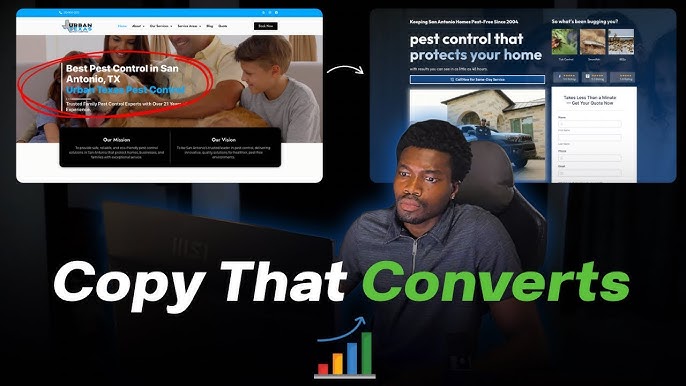
Social proof builds trust with visitors on your website. It shows real people like your product or service. This helps new customers feel safe to buy or sign up. Including social proof in your web copy can boost your credibility and sales.
Use different types of social proof to reach more visitors. Some examples work better on certain pages. Choose the right format for your audience and message. Here are three powerful ways to add social proof to your copy.
Customer Testimonials
Customer testimonials share positive experiences from real buyers. They add a personal touch and show satisfaction. Short, clear quotes work best on product pages or landing pages. Use testimonials that mention specific benefits or results. This makes your claims believable and relatable.
Case Studies
Case studies tell a detailed story of how your product helped a customer. They explain the problem, solution, and outcome. Use data and facts to support your claims. Case studies work well for complex products or services. They help visitors understand the real value you offer.
Trust Badges And Reviews
Trust badges show certifications, awards, or secure payment options. They reassure visitors about safety and quality. Customer reviews often include star ratings and short comments. Display these near calls to action or checkout areas. This reduces doubt and encourages visitors to take action.
Credit: www.youtube.com
Leveraging Seo For Visibility
Web copywriting and SEO work hand in hand to boost your website’s visibility. SEO helps your content show up in search engines. This brings more visitors to your site. Writing with SEO in mind makes your pages easier to find.
Using SEO well means understanding how search engines rank pages. It also means writing content that people want to read. This balance improves your chances of getting noticed online.
Keyword Research
Keyword research finds the words people type into search engines. These keywords guide your writing. Choose keywords that match what your audience searches for. Use tools like Google Keyword Planner or Ubersuggest. This helps find keywords with good traffic and low competition.
Pick keywords relevant to your topic. Focus on specific phrases, called long-tail keywords. They attract visitors who want exactly what you offer. Keyword research is the first step to better SEO.
Natural Keyword Integration
Use keywords naturally in your text. Avoid stuffing keywords too many times. This makes your writing hard to read and hurts SEO. Place keywords in titles, headings, and throughout the content. Keep sentences clear and simple. This keeps readers engaged and helps search engines understand your page.
Write for humans first, search engines second. Smooth keyword use improves both reader experience and SEO results.
Optimizing Meta Descriptions
Meta descriptions appear under your page title in search results. They summarize the page’s content in 150-160 characters. Write clear, inviting meta descriptions. Include your main keyword to catch attention. A good meta description encourages clicks.
Keep it short and relevant. Avoid copying content from the page. Unique meta descriptions improve your page’s visibility and click rate.
A/b Testing For Continuous Improvement
A/B testing helps improve web copy by comparing two versions. It shows which text works better for visitors. This method uses real data to guide changes. It avoids guesswork and assumptions. Small changes can lead to big results. Testing keeps your web copy fresh and effective.
Setting Up Tests
Choose one element to test at a time. It could be a headline, button text, or call to action. Create two versions: A and B. Show each version to a similar group of visitors. Use tools like Google Optimize or Optimizely. Make sure the test runs long enough to collect data.
Analyzing Results
Look at the key metrics like click rates or conversions. Compare how each version performs. Check if the difference is clear and meaningful. Avoid changes based on small or random data. Use graphs or reports to see trends. Understand what the data tells about visitor behavior.
Implementing Changes
Apply the better-performing version to your website. Monitor the impact over time. Keep testing other elements for ongoing improvement. Small updates can improve user experience and sales. Always base changes on solid test results. This keeps your web copy strong and effective.
Credit: www.prototion.com
Frequently Asked Questions
What Is Web Copywriting And Why Is It Important?
Web copywriting is crafting text for websites to engage visitors. It boosts conversions and improves SEO. Good copy attracts, informs, and persuades users to take action, making it essential for online success.
How Do I Write Effective Web Copy?
Focus on clear, concise language that speaks to your audience. Use strong headlines, benefits-driven content, and a call to action. Ensure SEO keywords are naturally included to improve search rankings.
What Are Common Mistakes In Web Copywriting?
Avoid jargon, long paragraphs, and keyword stuffing. Poor formatting and weak calls to action also reduce impact. Effective copy is clear, engaging, and optimized for both users and search engines.
How Does Seo Affect Web Copywriting?
SEO guides keyword use and content structure. It helps web copy rank higher in search results. Balancing SEO with readability improves user experience and drives organic traffic to your site.
Conclusion
Good web copy grabs attention and keeps readers interested. It uses clear, simple words that anyone can understand. Writing with purpose helps connect with your audience and guides them to act. Always focus on what your readers need and want to know.
Great web copy builds trust and makes your message strong. Keep practicing to write better and reach more people online.