If you want to grow your business and connect with more people, understanding content marketing is a game changer. You might have heard the term before but wondered what it really means and how it can help you.
Content marketing is not just about selling; it’s about sharing valuable information that grabs your audience’s attention and builds trust. Keep reading, and you’ll discover simple ways to use content marketing to boost your brand, attract the right customers, and make your message stand out.
This guide is made for you—clear, easy, and ready to put into action.
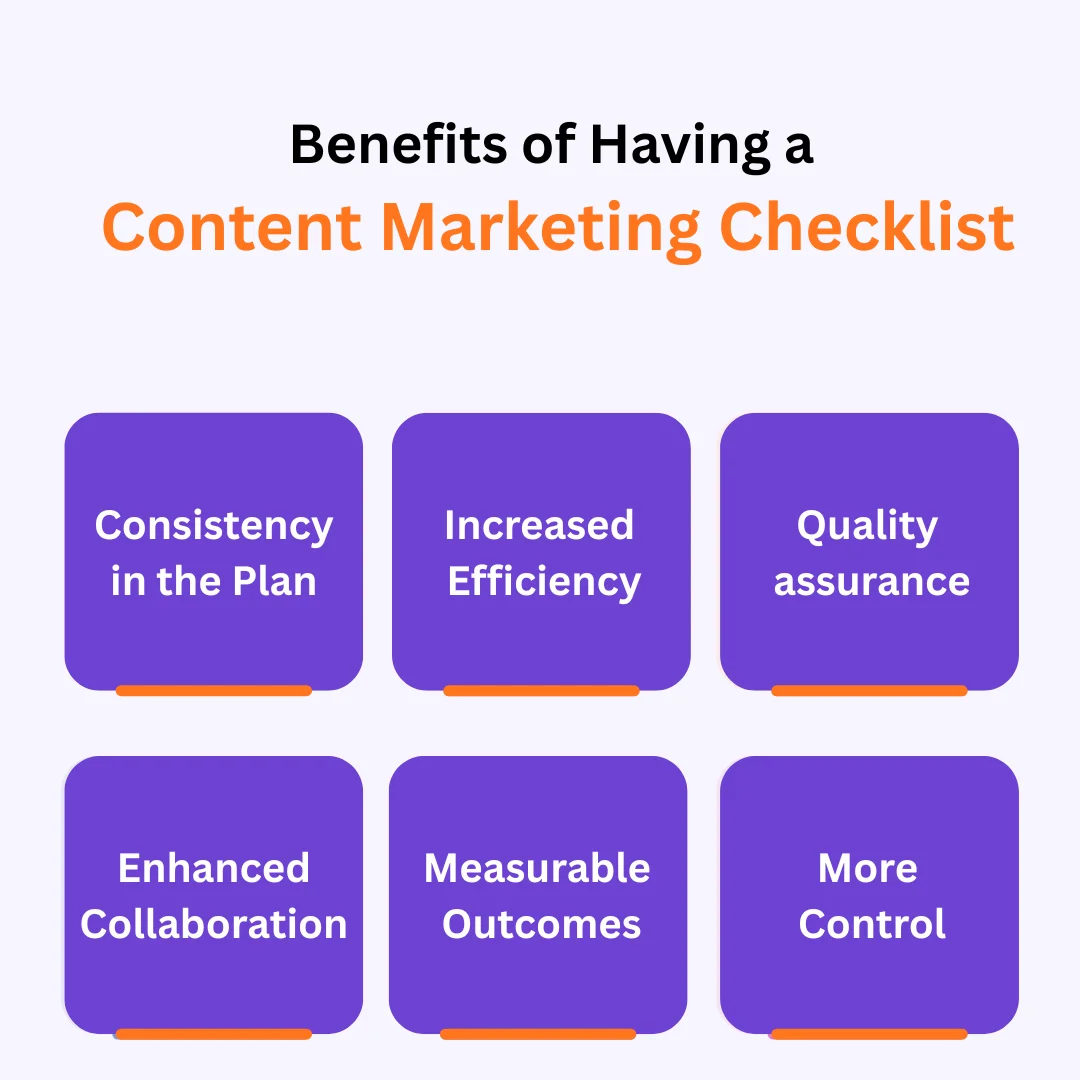
Credit: getwpfunnels.com
Content Marketing Basics
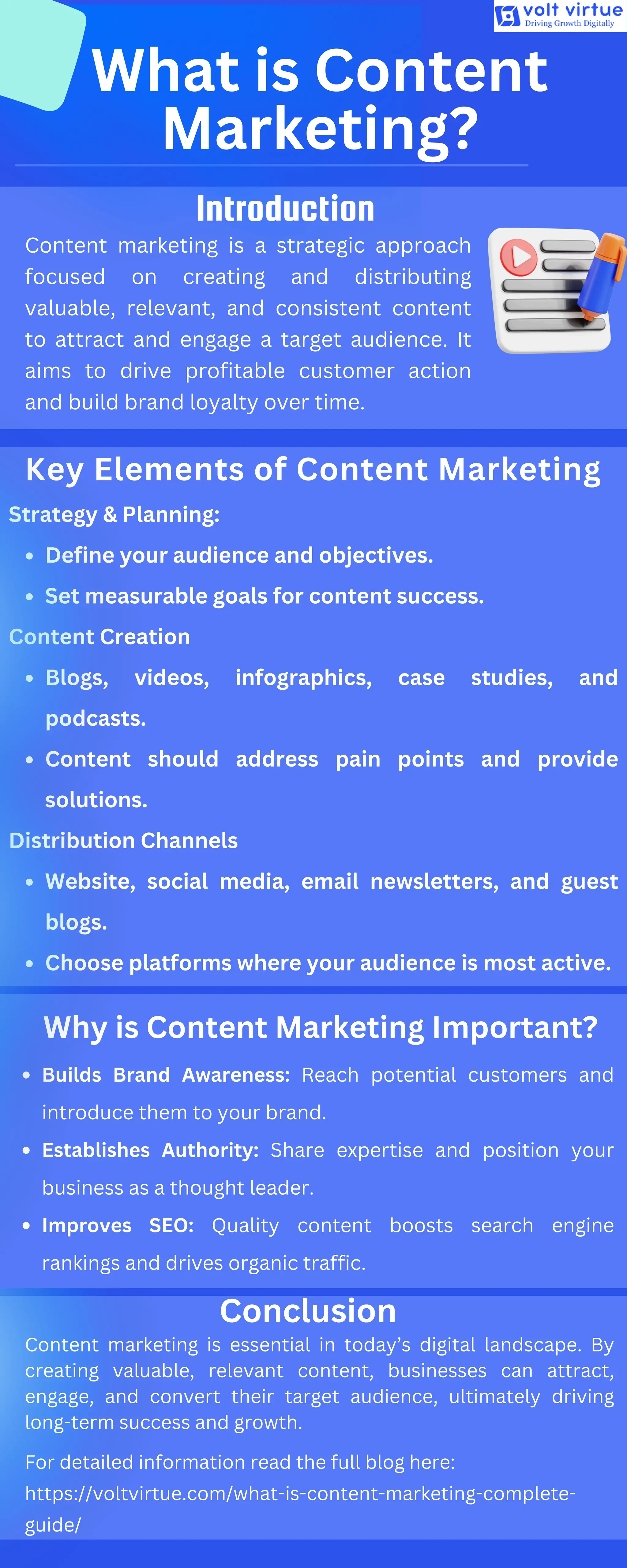
Content marketing is a strategy used by brands to share useful and interesting information. It helps businesses connect with their audience without directly selling. This approach builds trust and keeps people coming back for more.
Understanding the basics of content marketing is key to using it well. It involves creating and sharing content that answers questions, solves problems, or entertains. This content can take many forms and serves different purposes.
Core Concepts
Content marketing focuses on delivering value to the audience. The goal is to attract and keep customers by giving helpful information. It is not about pushing sales messages but about building relationships.
Consistency is important. Regular updates keep the audience engaged. Content should be clear and easy to understand. It must match what the audience needs or wants.
Types Of Content
There are many types of content used in marketing. Blogs and articles provide detailed information. Videos show products, explain ideas, or tell stories. Social media posts reach people quickly and often.
Infographics make facts easy to see. Podcasts offer conversations and tips. Each type serves a different purpose and suits various audiences.
Benefits For Brands
Content marketing helps brands build trust with customers. It makes businesses appear more expert and reliable. This can lead to more sales over time.
It also improves online visibility. Good content can rank higher in search engines. That brings more visitors to a website. Strong content keeps people coming back for more.
Credit: www.slideshare.net
Crafting A Content Strategy
Crafting a content strategy is the first step in successful content marketing. It helps you focus your efforts and reach your audience effectively. A good strategy guides what content to create, when to share it, and how to measure success.
Without a clear plan, content efforts may feel scattered and less effective. A strong strategy keeps your marketing on track and aligned with your business goals.
Setting Clear Goals
Start by defining what you want to achieve. Goals give your content purpose and direction. Common goals include increasing website traffic, generating leads, or building brand awareness. Clear goals help you measure progress and adjust your strategy as needed.
Identifying Target Audience
Know who you are speaking to. Understanding your audience helps create content they find useful and interesting. Consider their age, location, interests, and problems. Tailored content connects better and encourages engagement.
Content Planning And Scheduling
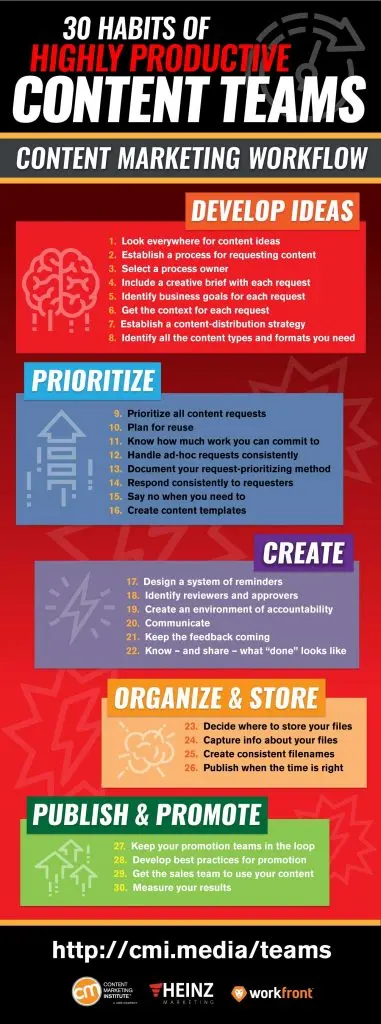
Plan the types of content you will create. Decide on topics, formats, and channels. A content calendar helps organize when and where to publish. Consistency builds trust and keeps your audience coming back.
Creating Engaging Content
Creating engaging content is vital for successful content marketing. It captures attention and holds interest. Good content makes readers want to learn more and take action. This section explores simple ways to create content that connects with your audience.
Storytelling Techniques
Stories make content relatable and memorable. Start with a clear message. Use characters and settings that your audience understands. Add conflict or problems to keep interest high. Show how the problem is solved. Keep sentences short and clear. Use emotions to create a bond. Stories help readers see themselves in the content.
Visual Content Tips
Images and videos boost engagement. Use high-quality pictures that match your message. Charts and infographics explain facts quickly. Break text with visuals to avoid boredom. Keep visuals simple and easy to understand. Add captions for clarity. Use consistent colors and styles to create a strong brand image.
SEO Best Practices
SEO helps your content reach more people. Use relevant keywords naturally in titles and text. Write clear meta descriptions to improve clicks. Structure content with headings and subheadings. Use short paragraphs and bullet points for easy reading. Add internal links to related pages. Make sure your site loads fast and works well on phones.
Content Distribution Channels
Content distribution channels are the paths through which your content reaches your audience. Choosing the right channels helps your message connect with more people. These channels let you share blog posts, videos, and other content effectively. Each channel has its own strengths and audience types.
Social Media Platforms
Social media platforms like Facebook, Twitter, and Instagram spread your content quickly. They allow direct interaction with your audience. You can share updates, images, and videos to keep followers engaged. Social media helps build a community around your brand. It also drives traffic back to your website or blog.
Email Marketing
Email marketing sends content straight to your audience’s inbox. It is personal and direct. Newsletters and promotional emails keep subscribers informed and interested. Emails encourage readers to visit your site or try your products. This channel helps maintain long-term relationships with your audience.
Content Syndication
Content syndication republishes your content on other websites. This increases your reach and brings new visitors. It helps improve your site’s SEO by gaining backlinks. Syndication works well for articles, videos, and infographics. It spreads your content beyond your usual audience.
Measuring Content Success
Measuring content success is vital for smart marketing. It helps you see what works and what does not. Tracking results guides better decisions. It saves time and money. Without measurement, content efforts may waste resources. Understanding success means setting clear goals first.
Key Performance Indicators
Key Performance Indicators (KPIs) show if content meets goals. Common KPIs include website traffic, time on page, and social shares. Conversion rates and bounce rates also matter. These numbers tell how users engage with content. Choose KPIs that match your marketing goals.
Tools For Analytics
Analytics tools collect and display data from your content. Google Analytics is a popular free tool. It tracks visitor behavior and traffic sources. Other tools like SEMrush and Ahrefs provide deeper insights. Use tools that fit your budget and needs.
Adjusting Strategies Based On Data
Data reveals which content performs best. Use this information to improve weak areas. Change topics, formats, or publishing times. Test different approaches and track results again. Continuous adjustment keeps content relevant and effective.
Credit: influencermarketinghub.com
Common Challenges And Solutions
Content marketing faces many challenges. These problems can slow growth and reduce impact. Knowing common issues helps create smart solutions. This section covers key hurdles and ways to fix them.
Content Saturation
The internet has a lot of content. Standing out is tough. Many topics seem already covered.
Focus on unique angles. Share personal stories or new data. Use clear, simple language. Be helpful and specific to your audience.
Maintaining Consistency
Regular posting builds trust and keeps readers interested. Skipping posts can lose attention quickly.
Create a content calendar. Plan topics and deadlines ahead. Stick to a schedule, even with small updates.
Resource Management
Content marketing needs time and effort. Small teams often feel stretched thin.
Prioritize tasks that bring the most value. Use tools for writing, editing, and scheduling. Outsource some jobs if possible.
Future Trends In Content Marketing
The future of content marketing is evolving fast. New tools and ideas shape how brands connect with audiences. Staying updated helps marketers create better content and reach more people. Several trends stand out as key drivers for the coming years.
Ai And Automation
Artificial intelligence helps create and manage content quickly. It can analyze data to find what audiences want. Automation saves time on routine tasks like posting and email marketing. AI tools also improve content quality by suggesting better words and ideas. Marketers can focus more on strategy and creativity.
Interactive Content
Interactive content invites users to engage actively. Quizzes, polls, and games keep visitors interested longer. This type of content builds stronger connections with the audience. It also provides valuable feedback and data for marketers. Interactive formats make learning about products or services fun and easy.
Personalization Advances
Personalization tailors content to individual preferences and needs. It uses data to deliver relevant messages at the right time. Better personalization increases user satisfaction and trust. Dynamic content changes based on user behavior or location. This approach helps brands stand out in crowded markets.
Frequently Asked Questions
What Is The Main Purpose Of Content Marketing?
Content marketing aims to attract and engage a target audience by creating valuable, relevant content. It builds trust and drives profitable customer actions.
How Does Content Marketing Benefit Businesses?
Content marketing boosts brand awareness, improves customer loyalty, and increases website traffic. It also generates leads and enhances search engine rankings.
What Types Of Content Are Used In Content Marketing?
Content marketing uses blogs, videos, infographics, social media posts, and podcasts. These formats educate, entertain, and inform audiences effectively.
How Is Content Marketing Different From Traditional Advertising?
Content marketing focuses on providing value and building relationships. Traditional ads directly promote products with a sales-driven approach.
Conclusion
Content marketing helps businesses share useful information with their audience. It builds trust and keeps customers interested. Creating valuable content brings people closer to your brand. Consistency and understanding your audience make content marketing work well. This strategy supports long-term growth and stronger connections.
Start small, focus on quality, and learn as you go. Content marketing is a simple way to grow your business over time.