If you want to boost your website’s traffic and outrank your competitors, understanding Ahrefs is a game-changer. This powerful tool gives you clear insights into your site’s SEO performance, your competitors’ strategies, and the best keywords to target.
Imagine having a simple way to uncover exactly what works in your niche and using that knowledge to grow your online presence faster. In this guide, you’ll discover how to use Ahrefs step-by-step, so you can make smarter decisions and see real results.
Keep reading to unlock the secrets that will take your SEO to the next level.
Ahrefs Basics
Ahrefs Basics introduce the core tools and features of this SEO platform. It helps users understand how to start and use Ahrefs effectively. This section simplifies the first steps and key functions to get you comfortable quickly.
Key Features
Ahrefs offers tools for keyword research, backlink checking, and site audits. It tracks website rankings and analyzes competitors. The platform shows which pages get the most traffic. It also finds content ideas and SEO problems fast.
Setting Up Your Account
Creating an Ahrefs account takes just a few steps. Enter your email and choose a strong password. Pick a plan that fits your needs. After signing up, verify your email to activate the account. Then, you can start using the tools right away.
Navigating The Dashboard
The dashboard is the main control panel in Ahrefs. It displays site health, traffic data, and backlink profiles. Menus on the left let you access different tools. You can add projects to track multiple sites. The clean design helps find key data quickly.
Keyword Research With Ahrefs
Keyword research is a vital step in SEO. Ahrefs offers tools that simplify this task. It helps find keywords that bring real traffic. You can explore search volume, competition, and trends easily. This guide covers key aspects of keyword research with Ahrefs.
Finding Profitable Keywords
Start by entering a broad topic in Ahrefs’ Keywords Explorer. The tool shows related keywords with search volume and clicks. Focus on keywords with good traffic but low competition. Look for terms your audience uses to find products or answers. Export keyword lists to organize and plan your content.
Analyzing Keyword Difficulty
Ahrefs provides a Keyword Difficulty (KD) score for each keyword. KD estimates how hard it is to rank in top search results. Scores range from 0 to 100. Lower scores mean easier ranking opportunities. Choose keywords with moderate or low difficulty to improve chances of success.
Tracking Keyword Rankings
Use Ahrefs’ Rank Tracker to monitor keyword positions over time. Add your target keywords and see daily updates. Track changes across different devices and locations. This helps measure SEO progress and adjust strategies quickly. Stay informed about your site’s visibility and competitors.
Competitor Analysis
Competitor analysis is key for improving your SEO strategy. It helps you see what others in your field do well and where they miss out. Using Ahrefs makes this process clear and simple. You can find important insights about your competitors’ websites. This lets you plan better and grow your own site.
Identifying Top Competitors
Start by finding who ranks highest for your target keywords. Ahrefs shows websites that compete directly with you. It lists competitors by organic traffic and keyword overlap. This helps you focus on the strongest rivals. Knowing your top competitors guides your SEO efforts smartly.
Analyzing Backlink Profiles
Backlinks are crucial for search rankings. Ahrefs lets you view your competitors’ backlink sources. You can see which sites link to them and how many links they have. This reveals their link-building strategies. Use this data to find link opportunities for your website.
Spotting Content Gaps
Content gaps are topics your competitors cover but you don’t. Ahrefs helps find these missing topics easily. Compare your content with theirs by checking keywords and pages. Filling these gaps can attract new visitors. It also strengthens your site’s relevance and authority.

Credit: tekcareer.in
On-page Seo Optimization
On-page SEO optimization is vital for better website ranking. It focuses on improving elements you control on your pages. These changes help search engines understand your content better. Optimized pages attract more visitors and keep them engaged.
Improving Content Quality
Content must be clear, useful, and relevant to readers. Use simple words and short sentences. Answer common questions your audience has. Add examples and facts to support your points. Regularly update content to keep it fresh and accurate.
Optimizing Meta Tags
Meta tags include the title and description of a page. Keep titles under 60 characters with main keywords. Descriptions should be brief, about 150 characters. They must describe the page content clearly. Good meta tags improve click rates from search results.
Enhancing Site Structure
A clear site structure helps both users and search engines. Use headings and subheadings to organize content. Create simple menus and internal links between pages. Make sure URLs are clean and descriptive. A well-structured site improves navigation and rankings.
Link Building Strategies
Link building is a key part of SEO. It helps websites grow their authority and rank higher on search engines. Good links come from trustworthy sites. They show that your content is valuable and reliable. This section covers practical ways to build quality links using Ahrefs tools.
Finding Link Opportunities
Ahrefs helps find places to get links. Use the Site Explorer to see where competitors get links. Check for broken links on other sites. Offer your content as a replacement. Look for guest post chances on blogs in your niche. These methods open many doors for new links.
Outreach Techniques
Reach out to site owners politely and clearly. Personalize each message to show you care. Explain why your content fits their audience. Keep the email short and to the point. Follow up gently if you don’t get a reply. Respect their time and decisions.
Monitoring Backlink Health
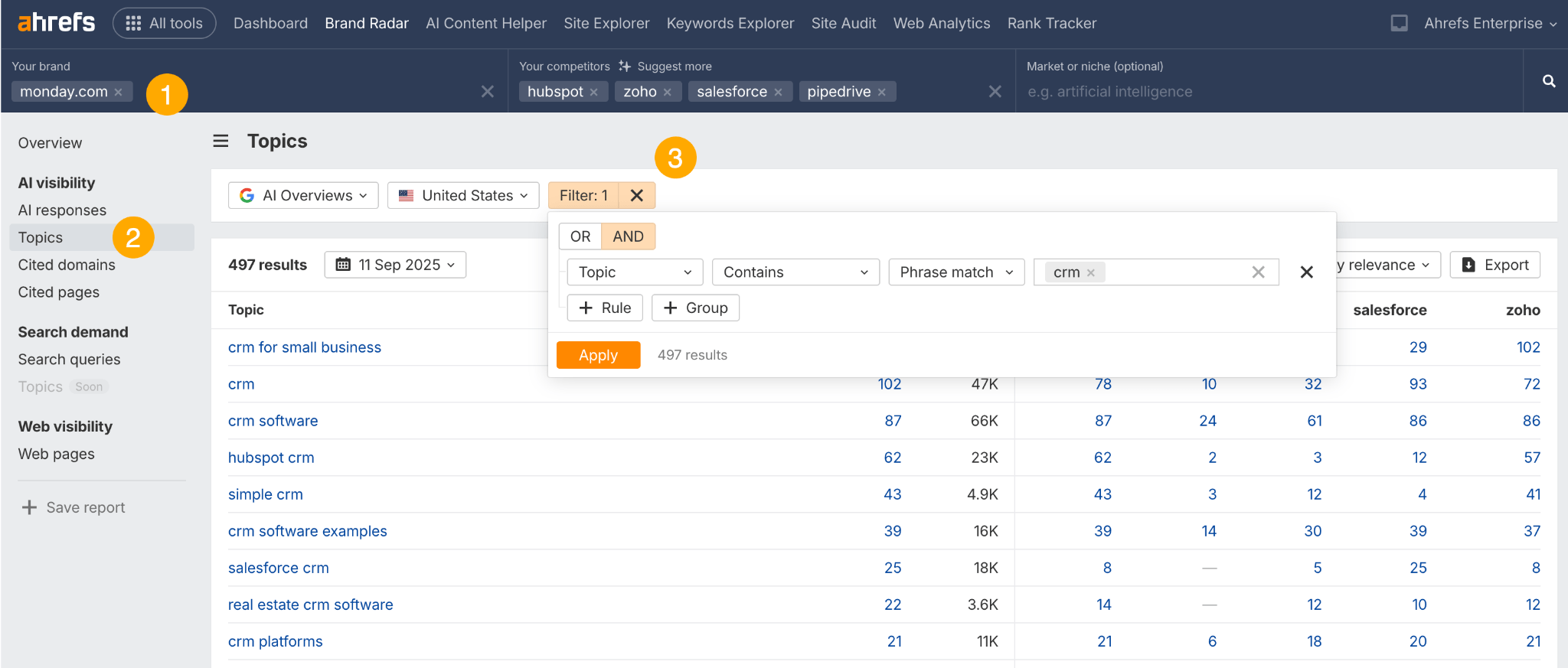
Keep track of your backlinks regularly. Use Ahrefs to check for lost or broken links. Watch for spammy or low-quality links that can harm your site. Disavow harmful links to protect your ranking. A clean backlink profile keeps your SEO strong.
Credit: ahrefs.com
Content Marketing With Ahrefs
Content marketing with Ahrefs helps you create better articles and posts. It guides your strategy by showing what readers want. You can find topics that get attention. Also, you learn how your content performs. This helps you improve and grow your audience.
Discovering Trending Topics
Ahrefs shows popular topics in your niche. Use its tools to find what people search for. It reveals questions and keywords with high interest. This helps you choose subjects that attract readers. Writing about trending topics increases your chances of being seen.
Analyzing Content Performance
Track how your content works with Ahrefs. See which pages get the most visits and links. Learn what keywords bring traffic to your site. This helps you understand what your audience likes. Use this data to improve weak content and keep strong posts.
Repurposing High-performing Content
Ahrefs helps identify your best content pieces. Turn popular posts into videos, infographics, or podcasts. This reaches more people in different formats. Update old articles with new data to keep them fresh. Repurposing saves time and brings new visitors.
Technical Seo Tools
Technical SEO tools help improve a website’s health and performance. They check issues that affect search engine rankings. Ahrefs offers several features to find and fix these problems quickly. This guide covers key technical tools in Ahrefs to boost your site’s SEO.
Site Audit Features
Ahrefs Site Audit scans your website for SEO issues. It looks at broken links, duplicate content, and missing tags. The tool shows a clear report with problems and solutions. You get a health score to track your website’s progress. Regular audits help keep your site search-friendly and error-free.
Fixing Crawl Errors
Crawl errors stop search engines from indexing your pages. Ahrefs identifies these errors in detail. It points out server errors, not found pages, and redirect issues. Fixing these errors ensures search engines can access your content. This improves your site’s visibility and ranking.
Improving Site Speed
Site speed affects user experience and SEO rankings. Ahrefs detects slow-loading pages and their causes. It highlights large files, slow servers, and inefficient code. Optimizing these elements helps your pages load faster. Faster sites keep visitors happy and reduce bounce rates.

Credit: ahrefs.com
Tracking And Reporting
Tracking and reporting are key parts of using Ahrefs effectively. They show how your SEO efforts perform over time. These tools help you see what works and what needs change. Clear reports keep your team informed and focused.
Setting Up Reports
Start by choosing the data you want to track. Ahrefs lets you create custom reports. Select keywords, backlinks, and traffic data. Schedule reports to send automatically. This saves time and keeps updates regular.
Analyzing Traffic Sources
Traffic sources reveal where visitors come from. Ahrefs breaks down search engines, social media, and referrals. Spot which channels bring the most visitors. Use this info to focus on strong sources. Cut back on weak ones.
Measuring Seo Roi
SEO ROI shows if your efforts pay off. Ahrefs tracks conversions and leads from search traffic. Compare costs and results to find true value. This helps decide if SEO budgets need change. Focus on tactics that bring the best return.
Frequently Asked Questions
What Is Ahrefs And How Does It Work?
Ahrefs is a powerful SEO tool that analyzes backlinks, keywords, and competitors. It helps improve website rankings by offering data-driven insights. Users can track keyword performance, explore content ideas, and audit sites for SEO issues. Ahrefs is essential for effective digital marketing strategies.
How Can Ahrefs Improve My Website’s Seo?
Ahrefs identifies keyword opportunities and monitors competitor backlinks. It audits your site to fix SEO problems and tracks ranking progress. This data helps you optimize content and build quality links, enhancing your website’s search engine visibility and driving organic traffic efficiently.
Is Ahrefs Suitable For Beginners In Seo?
Yes, Ahrefs offers a user-friendly interface with tutorials and guides. Beginners can explore keyword research, site audits, and backlink analysis easily. Its comprehensive data and clear reports make learning SEO practical and efficient for users at all skill levels.
Can Ahrefs Track Competitor Seo Strategies?
Ahrefs provides detailed competitor analysis by showing their backlinks, top pages, and keyword rankings. This allows you to understand their strategies and identify gaps in your own SEO. Tracking competitors helps you stay ahead in search engine results and improve your content approach.
Conclusion
Ahrefs helps you find the right keywords for your website. It shows how your site ranks and where to improve. You can check your competitors and see what works for them. Using Ahrefs regularly keeps your SEO strategy strong. Try using its tools step by step.
This way, your site can get more visitors. Keep learning and testing to see what helps best. SEO takes time, but Ahrefs makes it easier to track progress. Stay patient and consistent with your efforts.